Wetland
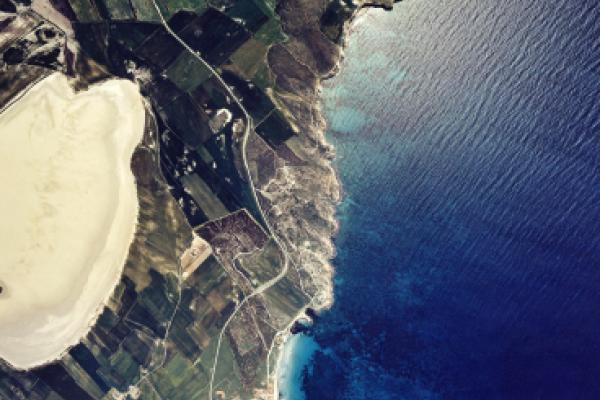
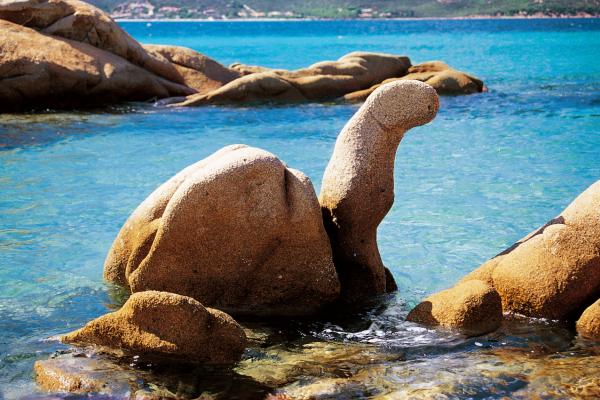
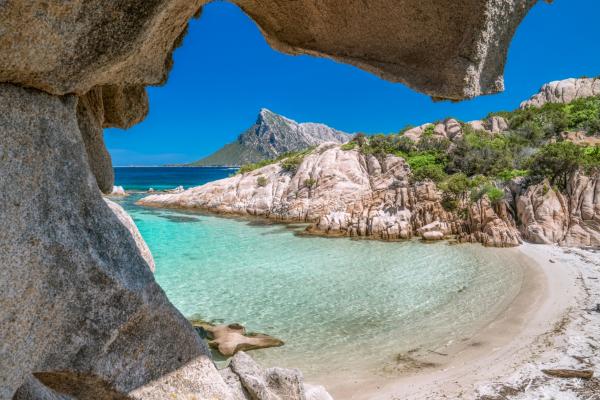
In the southern part of the Gulf of Olbia lies a cluster of water bodies connected to the sea, and which can therefore be called lagoons. In the area between Olbia and the coast lies the complex delta of Rio Padrongianu, which forms a series of ponds called Cabrile marsh, with a surface area of about 30 ha. These ponds create the distinctive wetland landscape of granite areas: they are framed by promontories and dotted with rounded rocks surfacing in the shallower waters. Further to the east lies another cluster of ponds: Le Saline, Tartanelle and Peschiera, covering a total area of about 120 ha. They originated, in ancient times, from the rio Castangia, which over the centuries became a simple tributary of the Padrongianu river. These marshes are frequented by the black-headed gull and the yellow-legged gull, great cormorant, wading birds, ducks in the winter season and black-winged stilt in the summer season. The Saline pond has the distinction of being used to purify mussels farmed in the more inland salt wetlands of the Olbia Gulf, to remove any traces of pollutants and make them totally safe for human consumption. The inland salt wetlands of the Olbia Gulf are indeed major shellfish farming environments, with a very high output of mussels, clams and murex.
To reach the Olbia marshes take SS 125 towards Olbia. Just before entering the city, several turnoffs will take you to the marshes. For the Cabrile pond, take the signposted turnoff for the Lido del Sole and follow the road to the marsh. To get to the Saline pond, take the turnoff to Le Saline beach. For the Peschiera pond, head for the Murta Maria locality on the right following the sign to the Marina Maria beach.
Some of the marshes mentioned fall on private land, and therefore cannot be visited. You can freely visit the Saline and the Peschiera marshes. The area has a choice of bars/restaurants and tourist accommodation.