Area of natural interest
The basaltic columns of Guspini
In one of the most important towns in the province of Medio Campidano, in west-central Sardinia, nature has gifted us with a rare and amazing spectacle that dates to some 3 million years ago


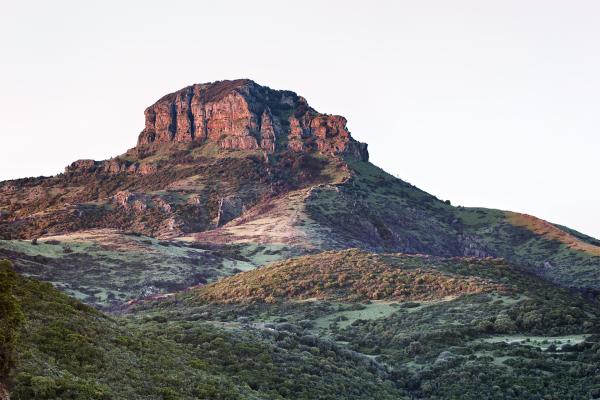
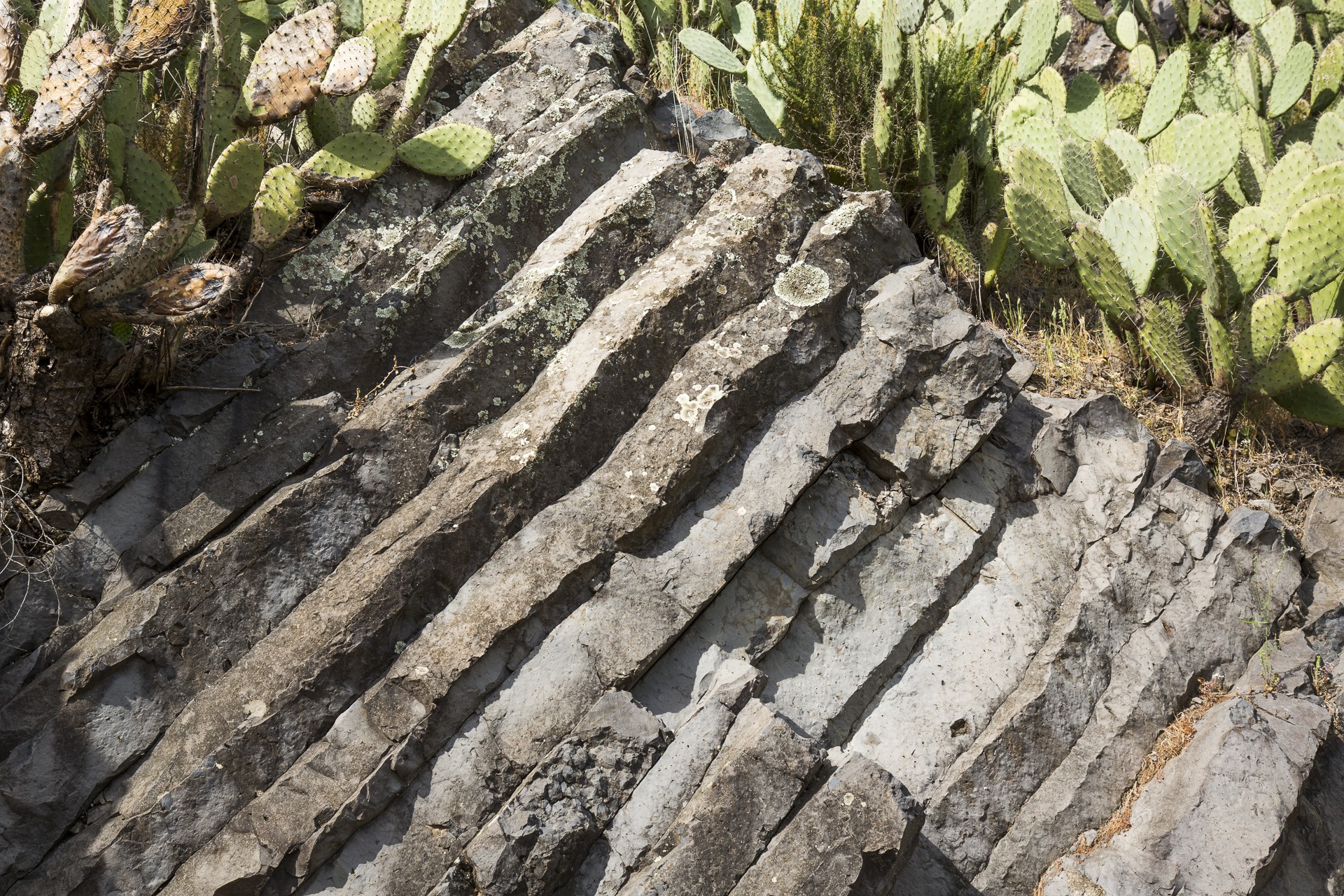
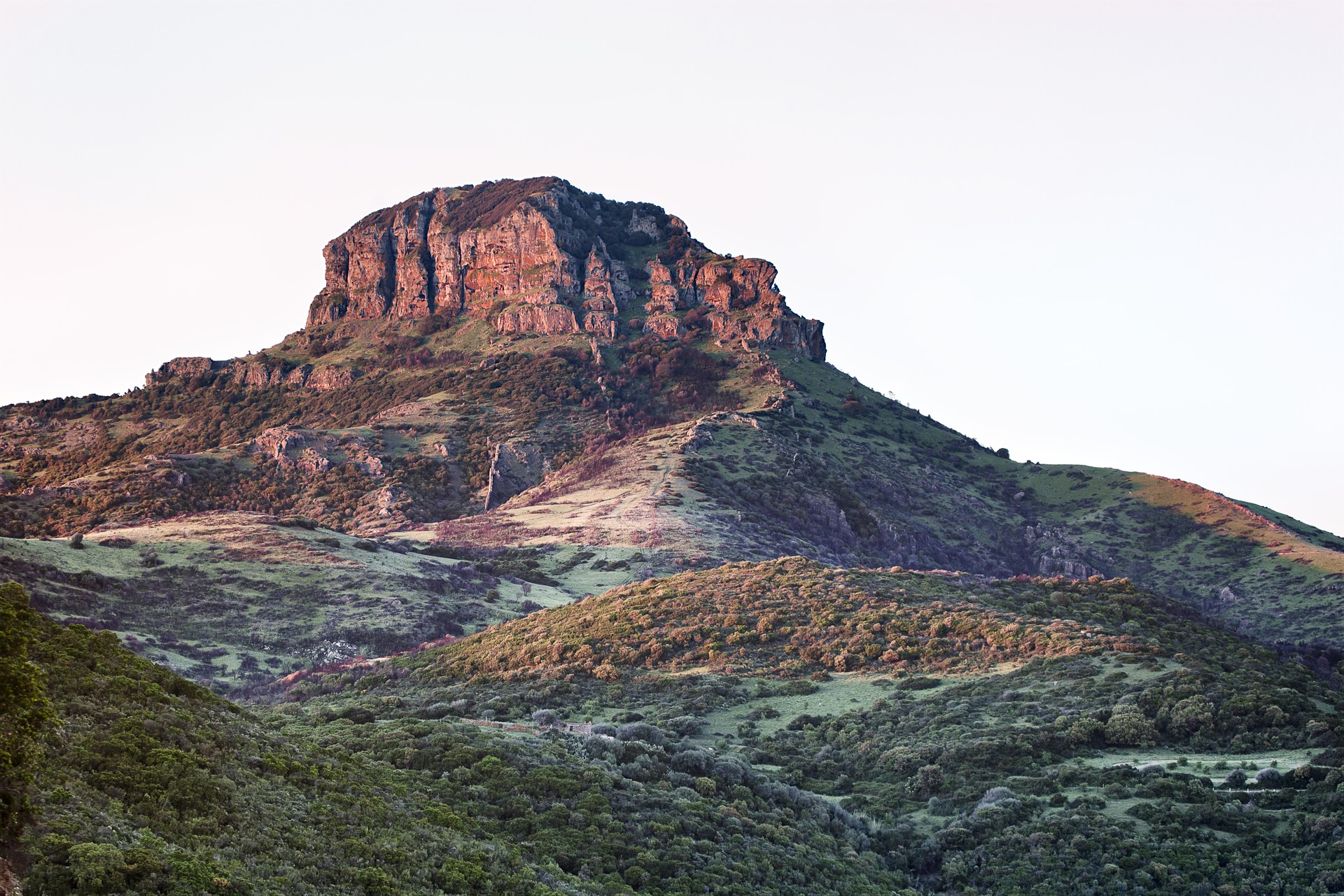
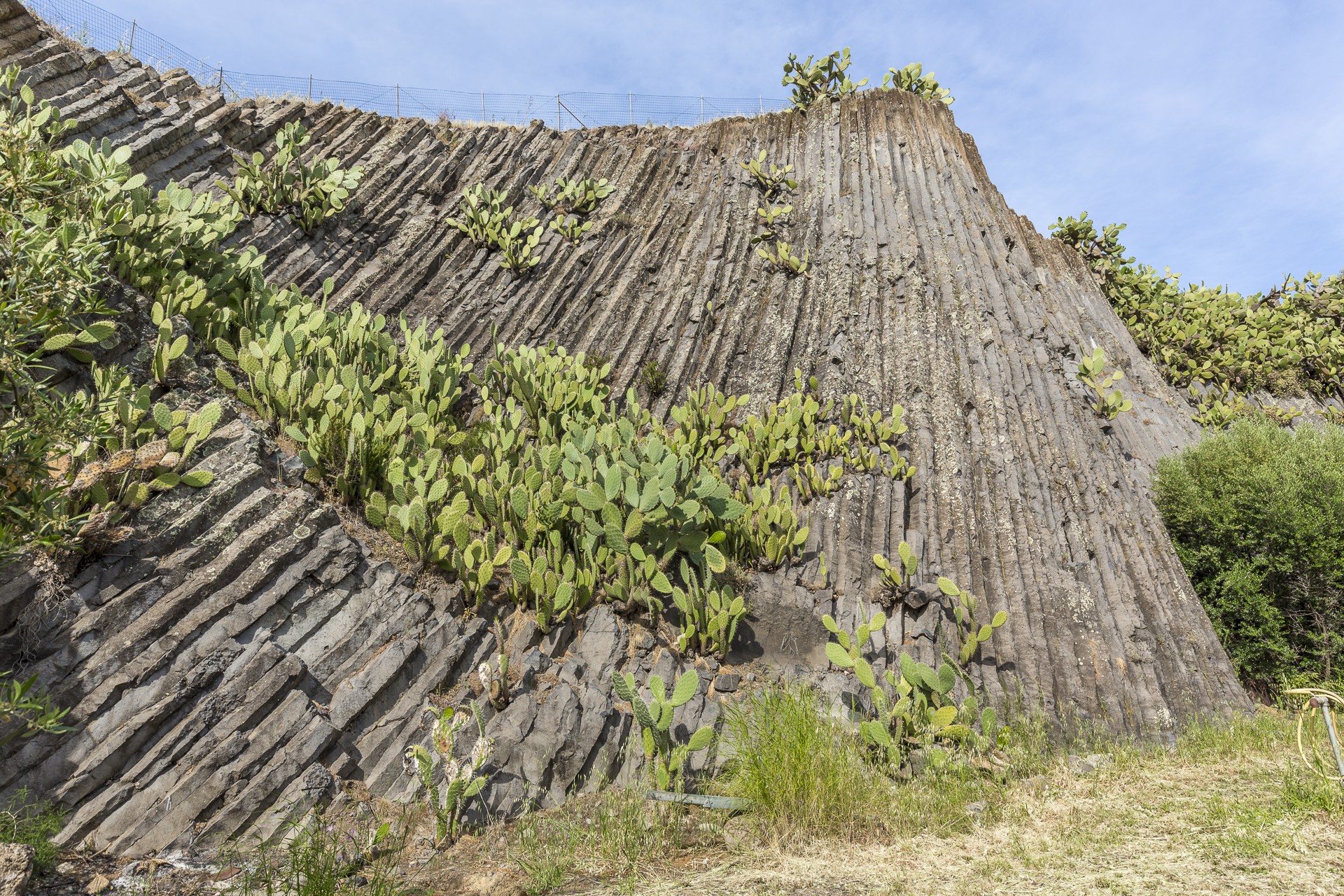
A 20 metres high vertical wall of slender basalt prisms stands majestically like a pipe organ. On the hill of Mount Cépera (Cuccureddu ‘e Zéppara in campidanese dialect) in Medio Campidano at an altitude of 167 metres is the town of Guspini, home to a very rare geological formation: a small volcanic cone that has been declared a Natural Monument and World Heritage Site by the European Union. It was formed by the slow and gradual cooling of the lava remaining inside the inner cone of the volcano which forced perfect vertical fissures into prismatic columns in polygonal sections.
You will see a natural monument visible only in few other places on the earth, perfectly vertical ‘pipes’ of volcanic rock that seem almost manmade

Da Cagliari si prende la 131. dopo circa 44 , all'altezza di Sanluri, si imbocca la 197 fino ad arrivare a Guspini. I basalti si trovano all'interno del centro abitato.