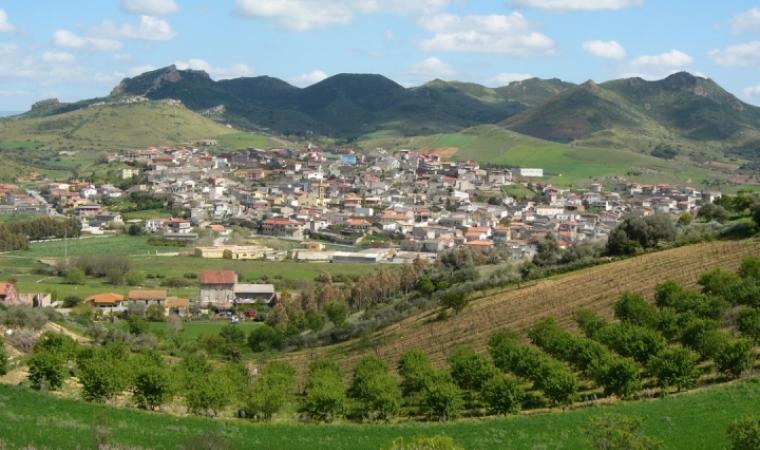
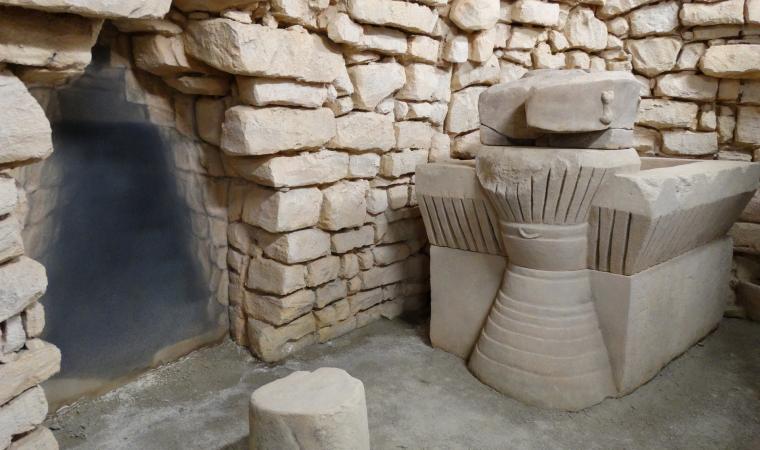
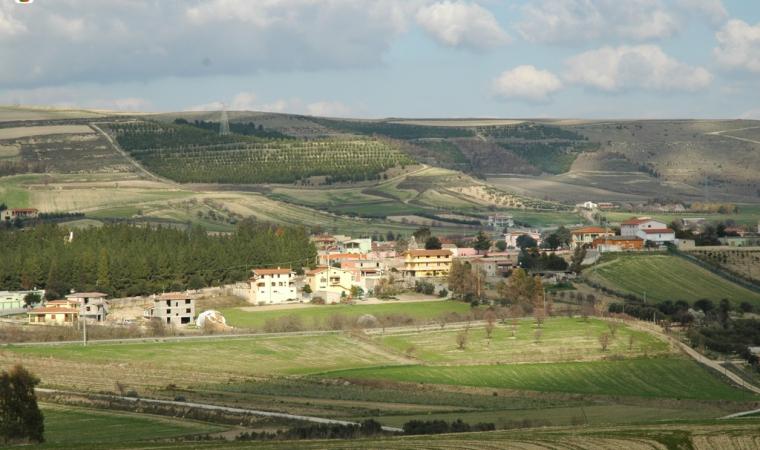
Its name derives from s’ega ‘e riu, meaning the ‘marshy river valley’, or from segau de s’arriu, meaning ‘cut in two by the river’, because of the town’s location in a valley crossed by two tributaries of Flumini Mannu. Segariu is a town of 1200 inhabitants close to the border between the Marmilla and Trexenta historical regions with characteristics of both: the rolling hills covered pine groves and Mediterranean shrubs of Marmilla, and the rugged hills interspersed with cultivated, fertile, flat stretches of Trexenta. The town is known for traditional kaolinite and limestone shaping, with clay bricks and roof tiles being produced. In the centre of town, the Museum of Clay, a testimony to the importance of this tradition, is dedicated to salvaging this craft, which has defined the town for centuries. The exhibition is an accurate reconstruction of a local roof tile workshop. Here, visitors can observe and participate in workshops lead by clay working masters. The Perdas e Minas exhibition also focuses on this activity, atypical with respect to the surrounding Campidano farming reality, with period photographs, working tools and accurate reconstructions of production processes. Another demonstration of this tradition is the Tebajus event in July, which in addition to activities linked to the local production of fired roof tiles, includes craft shows and an exhibition of typical products.
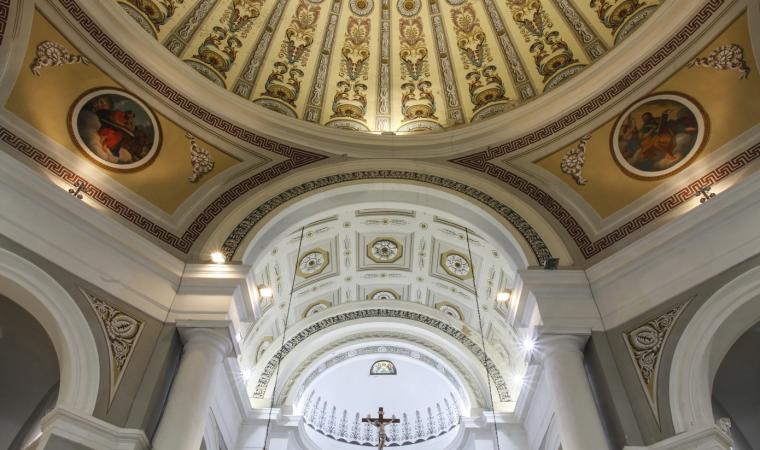
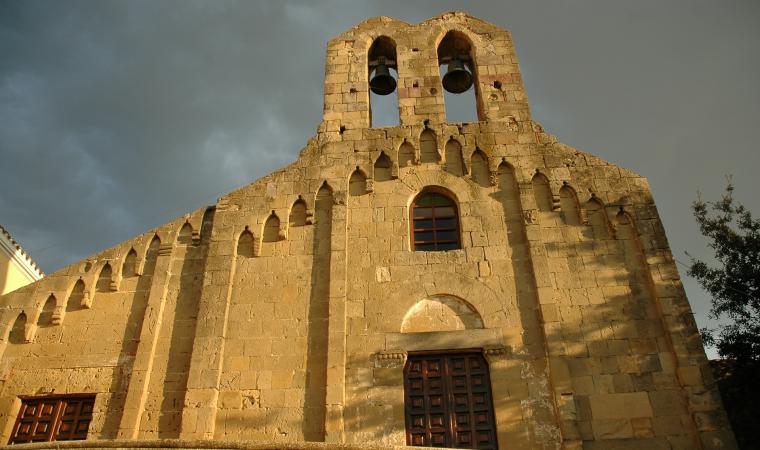
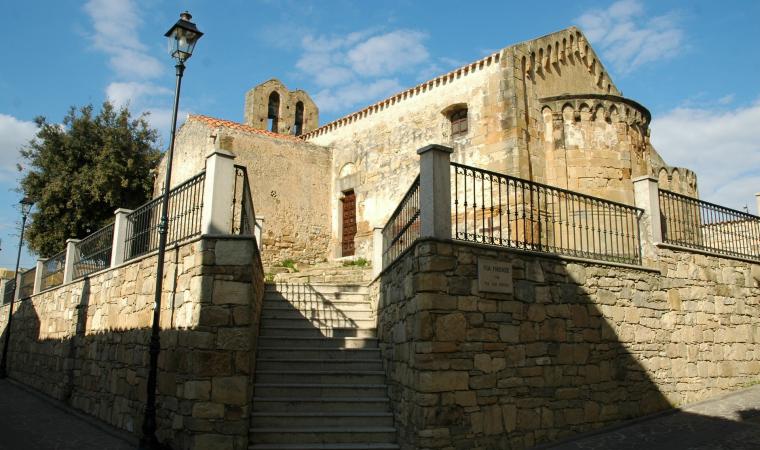
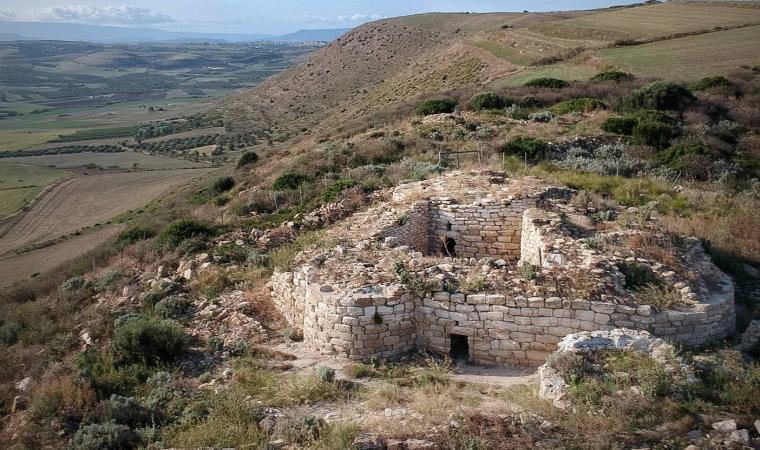
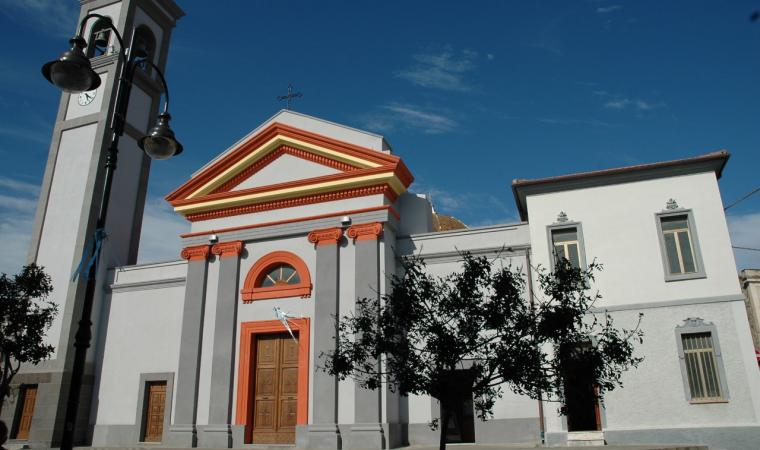
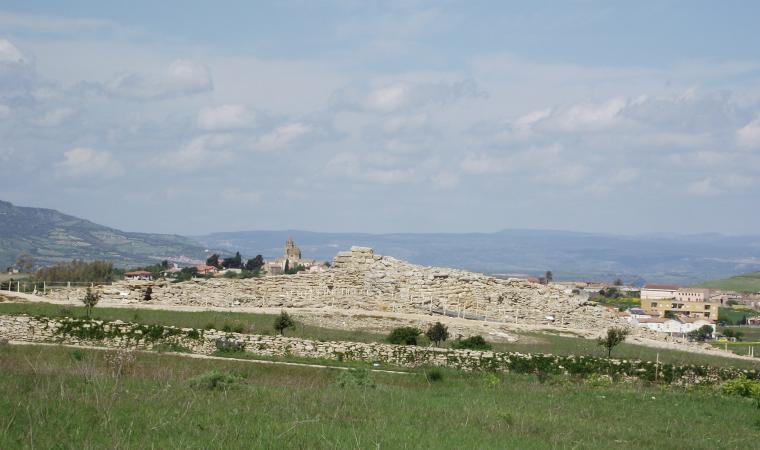
The area has been inhabited since the Bronze Age as seen from the Franghe Morus Nuraghe and the four-lobed Nuraghe of Sant’Antonio, a nearby symbol of Segariu. Built using limestone and marl blocks, it has one central tower and four external towers oriented along the four cardinal points. The area immediately to the east of the nuraghe and its interior have produced artefacts of a large and interesting Late Punic settlement. A Giant’s Tomb was likely located nearby, just as the small country church dedicated to the same saint built between the 12th and 14th centuries in Late Romanesque style over a well temple most probably coeval with the Nuragic settlement. It is one of the many Sardinian expressions of continuity between different cultures and religions. The celebration in honour of Saint Antonio is held in early September, where in addition to religious events, a tasting of typical local products and dishes is held. A 17th century Parish of San Giorgio Martire stands in the town’s centre. It has a presbytery topped with star vault typical of the Catalan Gothic style. The Feast Day of the church’s patron saint is celebrated in late April with religious rituals and music shows.