Tourist harbour
Poltu Quatu
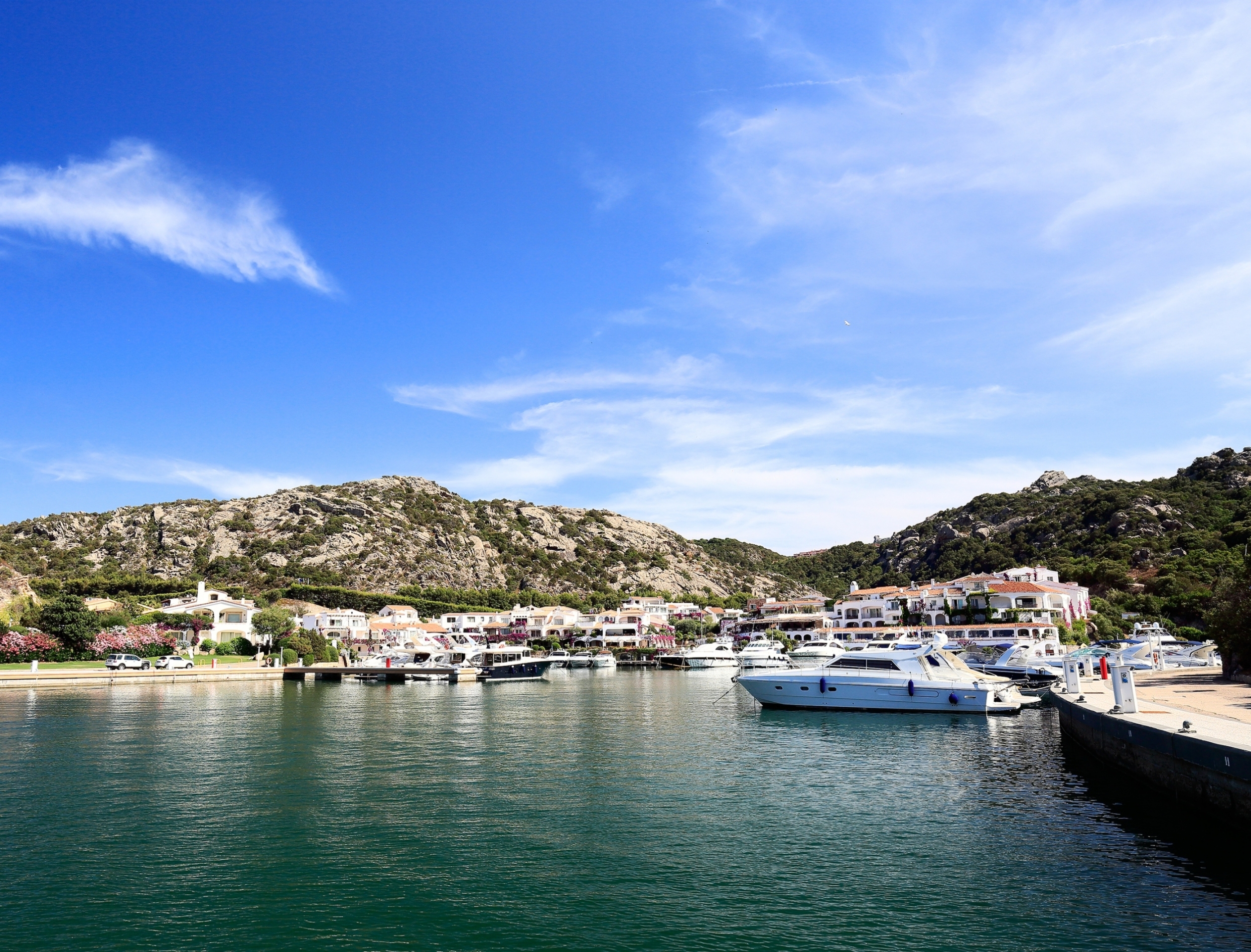
A small village with a modern port in Gallura, in the northeastern part of Sardinia, the design of which is inspired by an ancient seaside village, with narrow alleys and houses perched on the hills


In the northern part of Gallura, in the territory of Arzachena, there is a small fjord featuring pink granitic rocks, shaped by the wind, overlooking one of the most beautiful landscapes in Sardinia: the Maddalena Archipelago. Here lies Poltu Quatu, a small village dedicated to the seafaring life of the past and located in a strategic position in a natural inlet nestled in the typically Mediterranean landscape, an exclusive place with a crystal clear sea and Costa Smeralda social life. It emerged in 1987, as a landing place for small and medium-sized boats. Over time, the village has become a destination for the jet-set and is now surrounded by hotels of various categories, famous restaurants, designer shops and diving clubs.
A hidden fjord on the Costa Smeralda is the ideal destination for your dream holiday, pampered by the services of one of the most exclusive villages in northern Sardinia, with nature and social events