You write “September”, but you read “sea”
It happens in Sardinia, where autumn is just the cooler sequel to summer


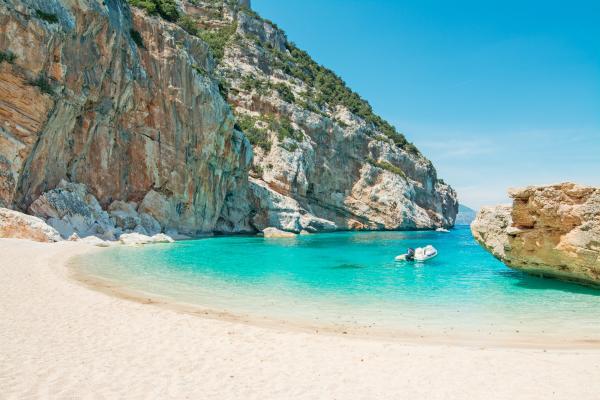
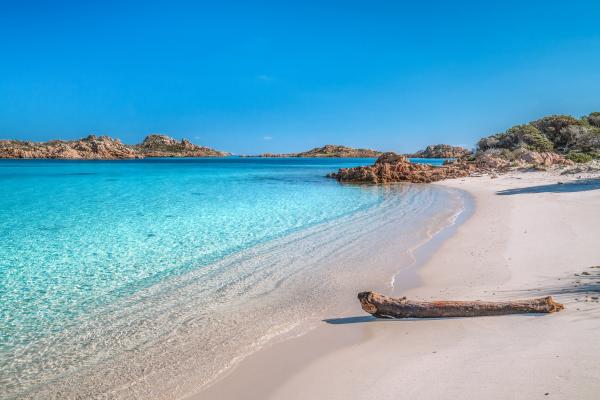
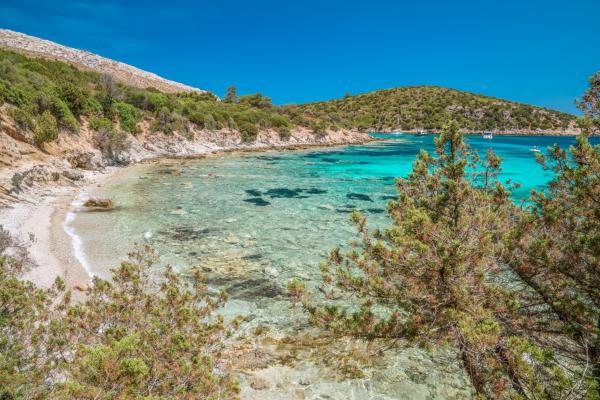
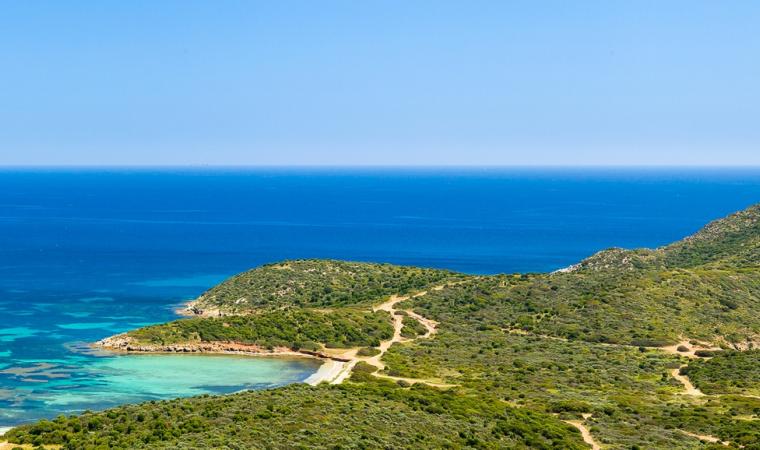
So far, there has been an explosion of presences and entertainment on Sardinia’s beaches. Now, however, the more seductive sea is making its début and the season will have a sensational finale. Once the hot, crowded intoxicating days become a thing of the past, you can enjoy the beautiful sea from sunrise to sunset, under the sun and in the water, still as warm as during the summer. And now, in the newly-found silence of the immense expanses of sand and secluded coves, all you will hear are the waves breaking on the shore and the vibrato sound of the cicadas perched throughout the juniper and myrtle scrubland. You can’t escape the happy combination of hints of tropical nature and coarse Mediterranean authenticity: this is the Sardinian sea in autumn.


A mysterious atmosphere envelopes the mining complexes of Arbus and Guspini, including the ghost town of Ingurtosu and the Montevacchio mine, Malfidano at Buggerru (once a mine) and the mining town of Nebida (Iglesias). Other natural or cultural places to see in the Sulcis region are Santadi, Villamassargia and Sant’Anna Arresi, which takes its name from two churches dedicated to the saint and from the Arresi nuraghe, the town’s original nucleus. In the middle and lower Campidano area the things to see during Monumenti Aperti weekends are many: nature, churches and the archaeological remains of Gonnosfanadiga, Nuraminis, Samatzai, Serramanna, Uras, Villamar and Pabillonis, the town where the renowned is pingiadas (cooking pans) are made. That same area is also blessed with the murals of San Gavino. The Marmilla, land of the Giara, of nuraghes and Giant tombs, is best represented by Lunamatrona. Further south in the Campidano area you’ll enjoy the magnificent historic buildings and the medieval sanctuaries of Sestu (San Salvatore), of Selargius (San Giuliano and San Lussorio), Settimo San Pietro and Monserrato (Sant’Ambrogio), a town with a great winemaking tradition, the Roman remains of Ussana, the prehistoric legacy of Quartucciu and the museum-town of San Sperate. In Quartu sant’Elena you can enjoy seeing the places where ancient commercial activity took place and XX century museum-homes that serve as a memory of what daily life used to be like.