
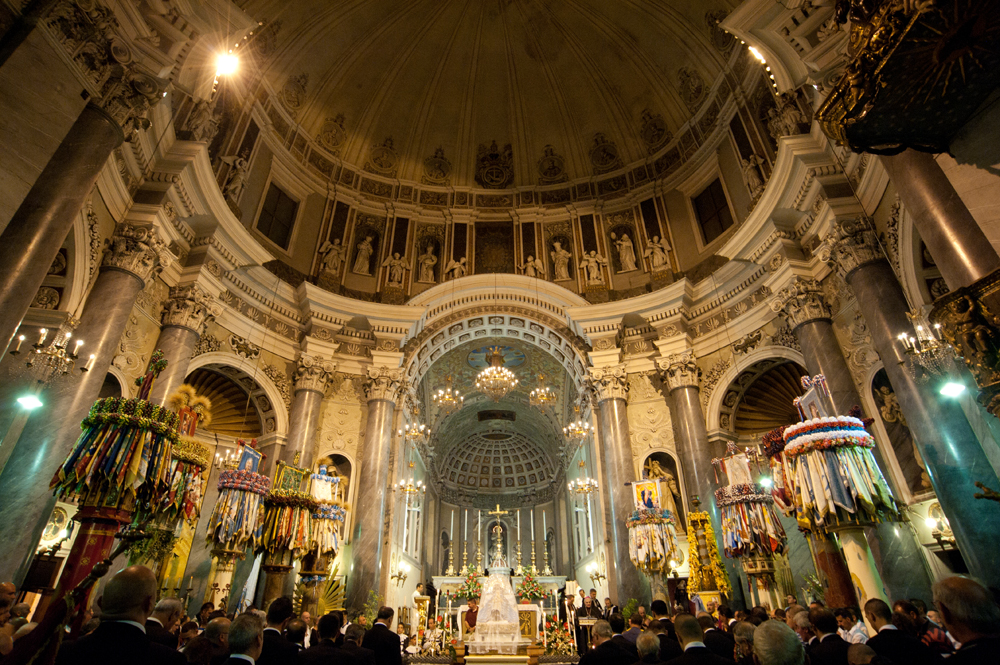
The Descent of the Candlesticks: solemnity, authenticity and exhibition
An atmosphere filled with passion and devotion. An austere scenario that is, at the same time, engaging, colourful and inebriating. The Festha Manna is event par excellence in Sassari. It is a moment of authentic and identity values, expressions of community and of tradition. It is the moment of the Faradda di li Candareri , the Descent of the Candlesticks, a dancing procession of large wooden columns, votive and symbolic candles, that advance along the town’s historical roads, from Piazza Castello, along Corso Vittorio Emanuele, to the Church of Santa Maria di Betlem. In 2013, it was included in the UNESCO Intangible Cultural Heritage List. In mid-summer, you can combine relaxation on the splendid beaches in the northwestern part of the Island with a moment of 'alternative' culture that will allow you to discover the charm of Sardinian traditions.
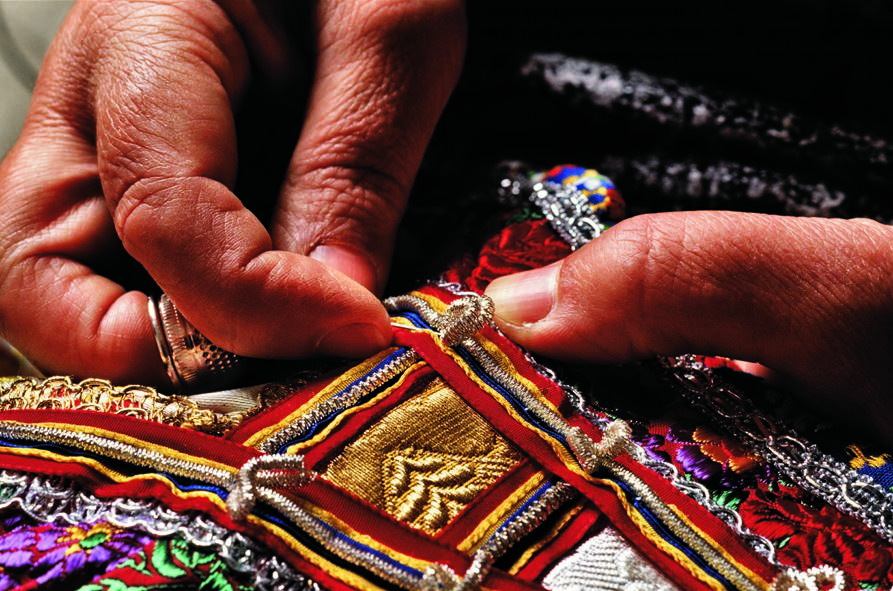
Handicrafts on display
The spirit of Sardinia is intertwined into the weaving of yarn, in the embroidery of a carpet and in the silhouette of an elegant traditional garment. Its spirit is ‘interlaced’ by skilled hands into a corbula of reed or rushes, it is woven into filigree, a Sardinian jewellery-making technique par excellence. The island’s light gleams in the blade of a arresoja, in the reflection of a glass product or in the deep red of a coral necklace. Its fire burns in the forging of wrought iron furnishings. The Sardinian soul lies in each stone sculpture, an archaic symbol of an ancient land. Exploring Sardinia means delving into its most profound and authentic identity through the techniques of adorning a scivedda (a ceramic vessel) and the wood carving of a cascia (a hope chest) and carnival masks, in tanning skins to create footwear or saddles. Traditional and designer arts and crafts form a vital spirit in Sardinia, an essential cultural component of a people that has proudly handed down knowledge and skills for centuries.
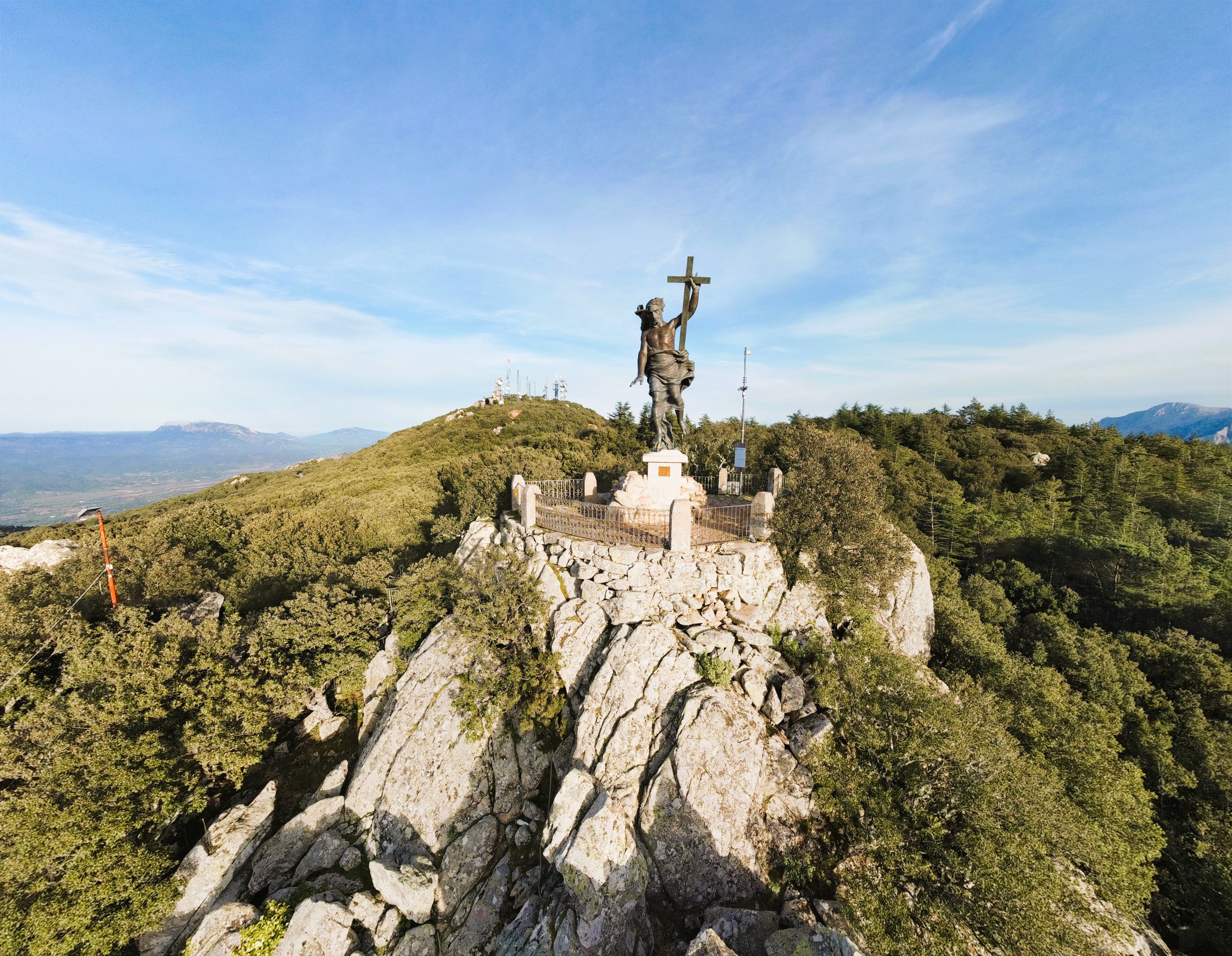
The Redentore Festival: religion and folklore
In Barbagia, an area of extraordinary beauty, once inaccessible and now a land of genuine hospitality, every year at the end of August, tens of thousands of people take part in an important event for the island: the Redentore Festival in Nuoro. Born as a tribute to the statue that has overlooked the town from Mount Ortobene since 1901, over the years the festival has also (increasingly) acquired a folkloristic note. Today it has a twin soul: two different moments, one dedicated to religious celebration and the other to a spectacular parade of people dressed in traditional outfits from all over the island. The festival encapsulates the many facets of Barbagia, a region where ancient places and traditions are preserved untouched, and still today loves to talk about itself, as have many great writers.
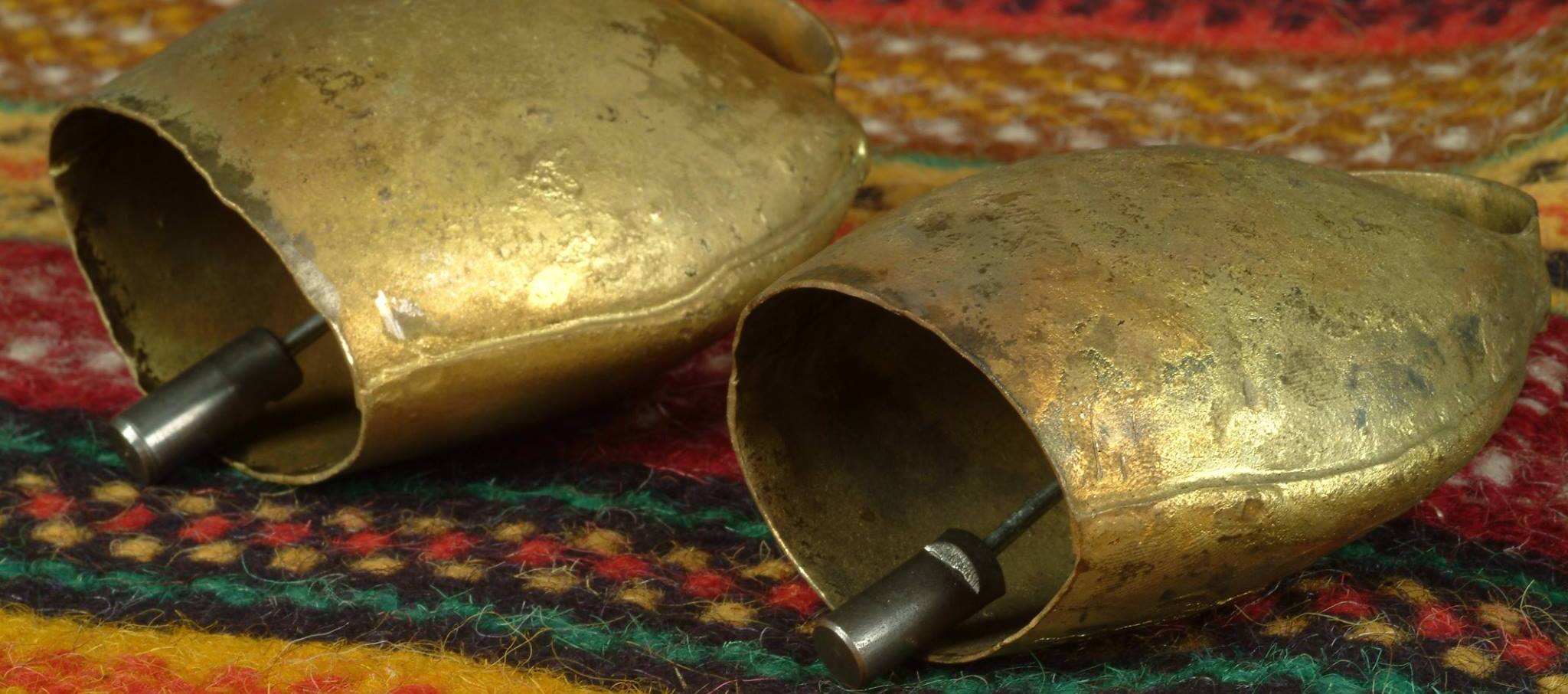
Autunno in Barbagia, discovering the heart of Sardinia
Skilled hands embroider clothes and rugs on frames, make su filendeu and other traditional pasta and decorate su pani pintau, those of sos maistos carefully craft ceramic vases, add intarsia to arresolzas and create filigree jewels. In the kitchen of the cortes su carasau are slipped into the oven and pan’e saba, pistiddu and durchicheddos are stuffed. Woodworkers cut the wood to build sas cascias, ironmongers skilfully hammer their wares, farmers crush freshly harvested grapes and shepherds make ricotta cheese. Meanwhile, guests leaning out over the belvedere sample tasty nibbles with full-bodied wine. And they chat to craftsmen, learning about the traditions of the past. Autumn in Barbagia is a trip into the “heart” of Sardinia, an itinerant exhibition of authentic traditions of the Barbagia area. For four months, weekends will see cultural, artisanal traditions and local food and wine showcased. All within the houses “a corte” in villages and towns. Each community with its own speciality.

Discovering thousands of years of history on foot
Walking in a rhythmic, meditative way, you can really appreciate the best of a unique, mythical land, fully taking in enchanted landscapes and views, getting to know the people and communities that inhabit it and their authentic traditions. Sardinian walks, spiritual experiences and destinations for pilgrimage offer everything the "slow tourist" is looking for, in full contact with the nature, culture and true identity of the places you visit, providing an enriching, educational experience. The island's walks are ideal for tourists looking for an intimate, true experience in a unique natural and cultural setting, and in an area that sees hospitality as sacred. To be seen on foot, by bicycle, on horseback or with the Trenino Verde.
Allai
Allai is set in the Massari river valley, encircled by hills clad in Mediterranean vegetation – myrtle bushes and arbutus, oak and mastic trees – at the feet of monte Grighine, from whose summit you can enjoy views of the giare, Montiferru and Gennargentu. It is a small Barigadu village within the province of Oristano that is home to less than 400 inhabitants. Documentary evidence of it dates to 1341 when, under Spanish control, it appeared as Alay. The modern name dates to the early XIX century. The village is graced with courtyard houses made of dark stone and embellished with decorative murals. At the centre is the Catalan-Gothic parish Church of the Santo Spirito, built between the XVI and XVII centuries. It features a single nave with a sequence of pointed arches and a variety of niche chapels. The largest of these has a cross vault ceiling and is home to a holy water font from the XI century. It has undergone a variety of changes over time. The door, rosette and some of the interior are original.
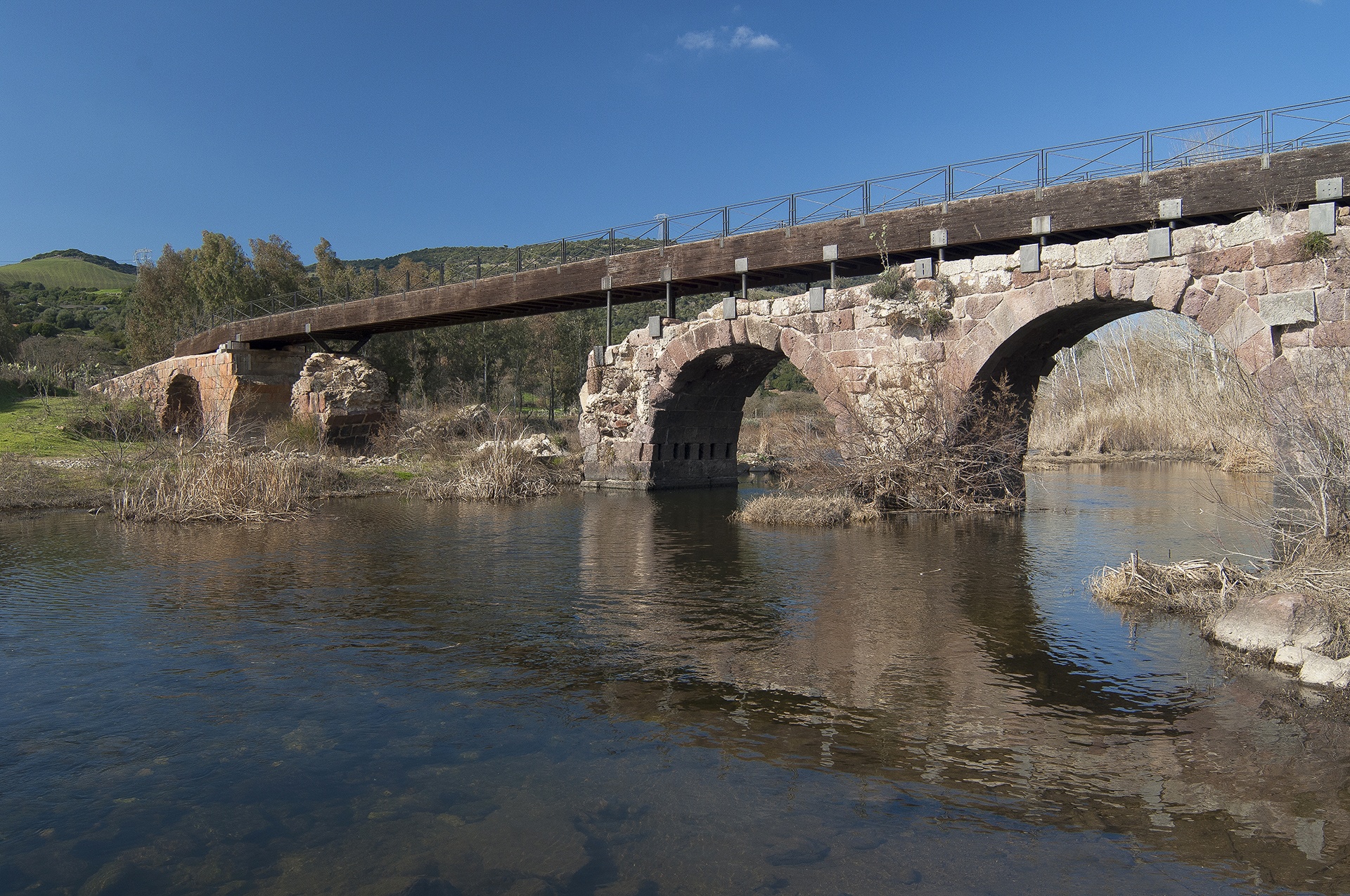
Craftsmanship has long been an important local tradition and iscannos, chairs with woven cane seats, are a local speciality. Do not miss seeing the casa sull’albero (tree-house) made entirely of wood. A few hundred metres outside of town, over the Massari river, are the remains of a Roman bridge, the su ponti ecciu, which was the only route from Forum Traiani (Fordongianus) to the hinterland. It was restored in the times of the Giudicati (IX-XV century) and remained in use for some two thousand years, until the early 20th century, when the new - or su ponte nou - bridge was built.
A remarkable and varied group of statue menhirs, among the island’s most important ones, were found at the Pranu Orisa site. Most of the perdas fittas (in Sardinian) are made of trachyte, others of white sandstone or dark porphyrite. They correspond to three types: Oval and with a convex section, a pillar that narrows towards the top, and miniature ones. They represent, figuratively, T-shaped facial designs with curved eyebrows and long triangular noses, and one with a raised up-side-down U-shaped frame at the centre of the slab. This feature often highlights a raised geometric figure with etched segments. Three of these Allai statue menhirs are on display at the museo della statuaria preistorica in Sardegna (Museum of Prehistoric Sardinian Statues) in Laconi, which houses a collection of 40 monoliths, some very large, that tell of the evolution of anthropomorphic statuary in the III millennium BCE. Not far from the from Pranu Orisa stones, which date between the Late Neolithic Age and the Copper Age (3200-1800 BCE), there are also remains of a variety of prehistoric monuments from the Bronze Age: the single-tower sa Pala ‘e sa cresia nuraghe, made out of blocks of trachyte.
Boroneddu
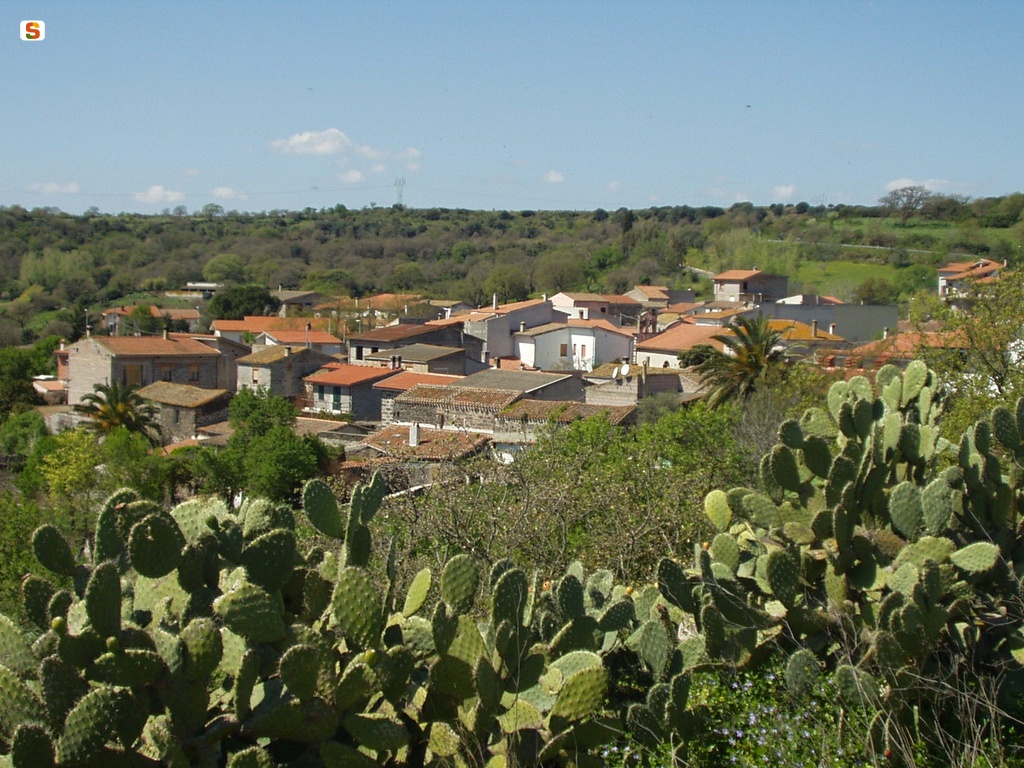
Boroneddu is set on a basalt plateau that slopes gently down to the valley of Lake Omodeo, a natural oasis that is perfect for long walks, surrounded by holm oaks and Mediterranean brush, against the backdrop of the Barigadu mountains. This tiny village with a population of 150 falls into the territory of Guilcer, and has been an independent municipality since 1988, after being under the governance of Ghilarza for 60 years. Once part of the Arborea Giudicato, it is mentioned for the first time in the condaghe of Santa Maria di Bonarcado with its original name of Orene - elsewhere written as Borene. Of the original medieval village, only the Novenario di San Salvatore remains, two kilometres outside the village. The church, which has been renovated and expanded over the centuries, has its own muristenes, lodgings for pilgrims during the novenas.
The sanctuary holds a truncated-cone-shaped basalt keystone bearing a bas-relief Byzantine cross, and is the location of the patron saint's celebrations in mid-September. The village is laid out around the parish church of San Lorenzo Martire, built in 1886 using square, brown basalt blocks. The facade is divided into three sections by pillars, and has a belfry. The most interesting attraction in the village is the small Sardinian folklore museum, which explores the mysterious world of the island's fairy tales - including those by artist Maria Lai - "populated" by characters such as the Maschinganna, Janas, Luxia Arrabiosa and others: a world narrated from generation to generation around the fireplace. The museum has a narrative path composed of large panels, including su pinnettu, a typical hut used by shepherds and farmers, and the typical farming homes, where the figure of the woman is dominant: weaving fabric, making and baking bread in the oven. One of the unmissable events of Boroneddu is the Bonfire of Sant'Antonio Abate in mid-January, when sa panischedda is offered (a pastry made with sapa, walnuts and almonds), the asparagus and wild fennel festival in March, and the prickly pear festival in the summer, where you can taste dishes made with the fruit picked from the plants that grow and flourish all along the basalt ridges around the village.
The root of the name (Bor-) is linked to "spring", confirmed by the presence of the nearby River Tirso, or to the surrounding "crown" of nuraghes. The fertile land has attracted stable settlements ever since the Neolithic, the most famous of which is the su Montigu complex. Not to mention the nuraghes of Cortinas, Fiscas, Ispinosu, Malosa, Trubeli and at the highest point, the Ostele nuraghe.
Bono
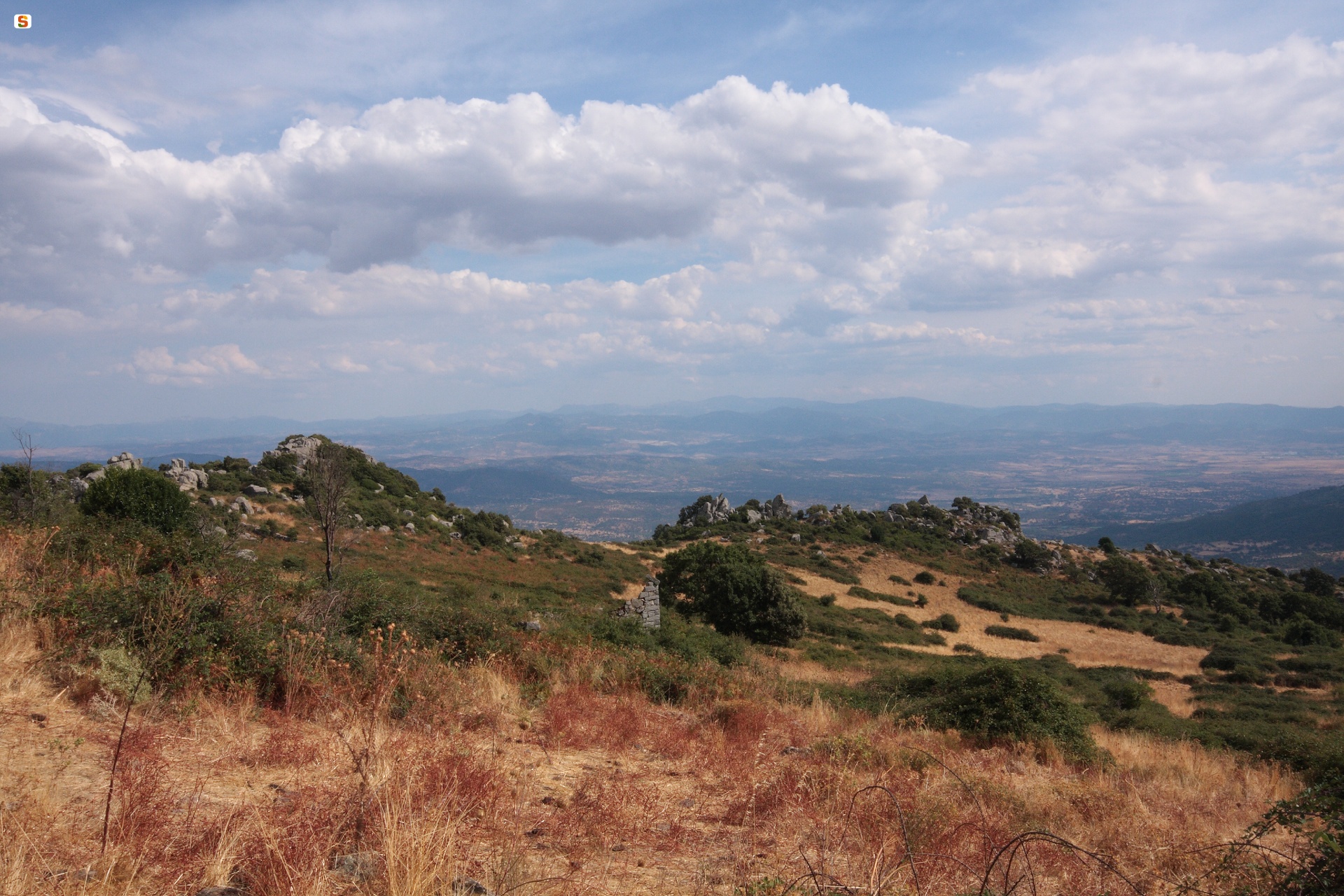
Perched at more than 500m above sea level, on the slopes of monte Rasu, surrounded by a wide variety of landscapes. In the Province of Sassari, Bono is considered Goceano’s capital and boasts 3,600 inhabitants and strong ties with the Nuoro area. It’s a typical farming and pastoral town with artisanal traditions: iron mongering, wood carving, weaving on ancient looms, and baking. The surrounding landscape is a sequence of plains and hills that spans from the Tirso Valley to mount Rasu, on top of which is sa Punta Manna (1259 m). On its slopes is the enchanting sos Nibberos, home to Italy’s most expansive yew tree forest, a natural monument well worth a visit, with millenary trees that exceed heights of 15 m. At the nature oasis of mount Pisanu they have planted such species as Atlantic cedar, oak, giant white cedar and white pine in and around the small lakes.
Between the XII and XIII centuries, when Bono was under the jurisdiction of the Giudicato of Torres, a Romanesque-Pisan church that is now the parish church of San Michele Arcangelo was built. It was enlarged in the XVI century and is home to a XV century wooden statue of St. Michael and a XIV century gilded silver chalice. The pink trachyte façade dates to the XIV century and has been embellished with a door graced with slender columns and pensile arches, as well as a lovely rosette that came from a monastery on Mt Rasu, one of the island’s oldest. The same monastery was also the source of the statue of St. Francis of Assisi which is now housed, together with other saint statues, in the church of San Raimondo. The saint is celebrated in late August-early September with a procession featuring traditional costumes, carts pulled by adorned bulls, knights and antique musical instruments. The bonfires in honour of Sant’Antonio Abate on 16 January are especially heartfelt, paired with offerings of wine and cogones, a local version of focaccia bread. The sanctuary named after him dates to the XVIII century, as does the one dedicated to Sant’Efisio, while the one bearing the name of San Giovanni Battista is from the XVI century. The far more modern Nostra Signora di Bonaria, home to a lovely simulacrum of the Virgin, was built in 2001. Every 30 November the townspeople celebrate the night of Sant’Andria, a celebration not unlike Halloween. In the lower outskirts of the town are five country churches, the remnants of what was once the settlement of Lorthis, the purported origin of the local Bono population. The oldest of these churches is Romanesque and dedicated to the martyrs of Porto Torres: Gavino, Proto and Giannuario. The others are Santa Restituta, featuring a typical cumbessias, San Nicola, boasting a Romanesque facade, Santa Barbara, built over the ruins of a nuraghe, and Sant’Ambrogio.
During the Savoy reign, after Bono’s most celebrated son and XIX century Sardinian hero, Giovanni Maria Angioy (1796), got involved in anti-feudal revolts, the town was attacked by Piemontese troops. A mural on Piazza Bialada done by Liliana Canu commemorates the struggles and its hero.
Curcuris
The territory is a rectangle of just eight square kilometres in the foothills of Mount Arci park, in an area of gentle hills crossed by the Rio sa Murta, partly forested and partly used to grow cereals and forage for pasture. Curcuris is a village of 300 inhabitants in the eastern part of Marmilla; it has been an independent municipality since 1979, after being under the governance of Ales for more than half a century. During the period of the Giudicati, it was under the Parte Usellus in the Arborea Giudicato, before passing to the Aragonese Crown and later becoming a Carroz feud. The village has medieval origins, thanks to the concentration of ancient, decentred agricultural and sheep-farming settlements, while the territory has been inhabited since prehistoric times, in particular during the Bronze Age, from when the Perda 'e Morguru and Soru nuraghes date. The Roman period also left visible traces.
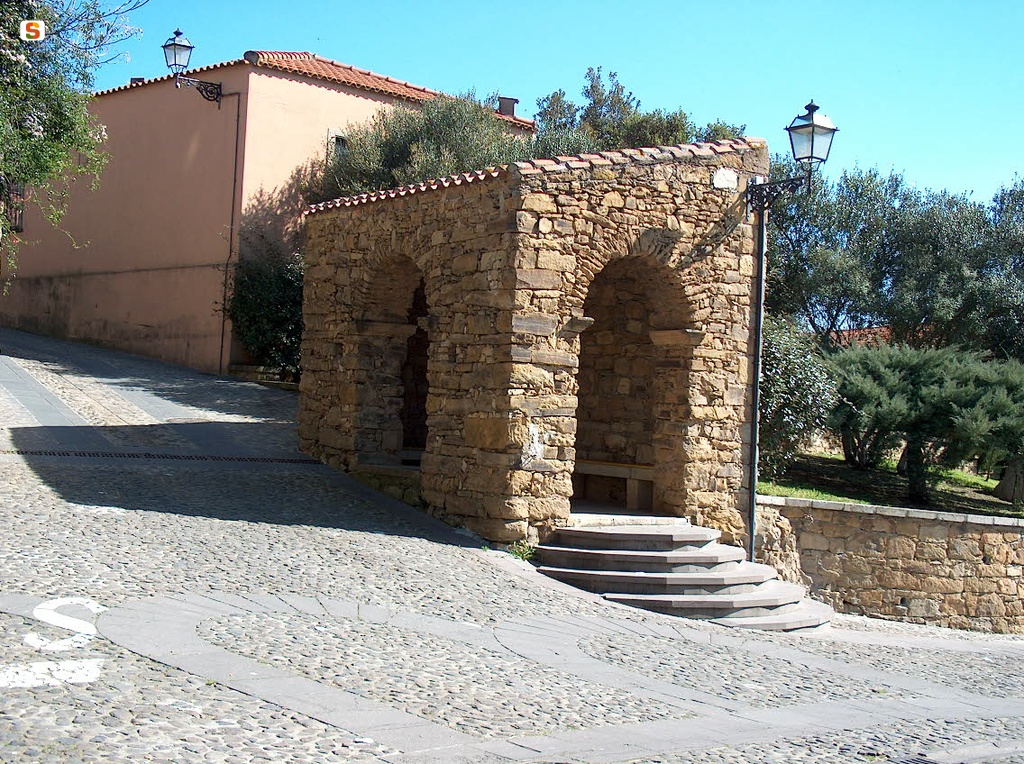
Today, you can admire the village centre with its typical stone houses decorated with murales painted by Sardinian artists. The centre features the parish church of San Sebastiano, dating to the 16th century with late-Gothic forms that have undergone substantial changes over time. The large altar holds the statues of the Madonna del Rosario and the patron saint, who is celebrated on 20 January with a bonfire in the village square and an ancient rite said to bring a good harvest later in the year.
On the slopes of Mount Arci, cloaked in ancient forests of oak, pistacia and elm, Curcuris offers evocative panoramas. A walk on the hill of Santa Maria near the village will bring you to the rural church of Beata Vergine Assunta, built in Gothic style in 1380; today it is inside a wide enclosure with a large wooden door. The facade has a pointed doorway and the original belfry. The most heartfelt festivity, in honour of the Assunta, takes place on 15 August.
The abundant water supply and fertile land have always attracted settlers and encouraged the development of agriculture and sheep-farming, creating some ancient traditions such as the shearing festival, held at the beginning of summer each year and closed with a huge banquet.
Ittireddu
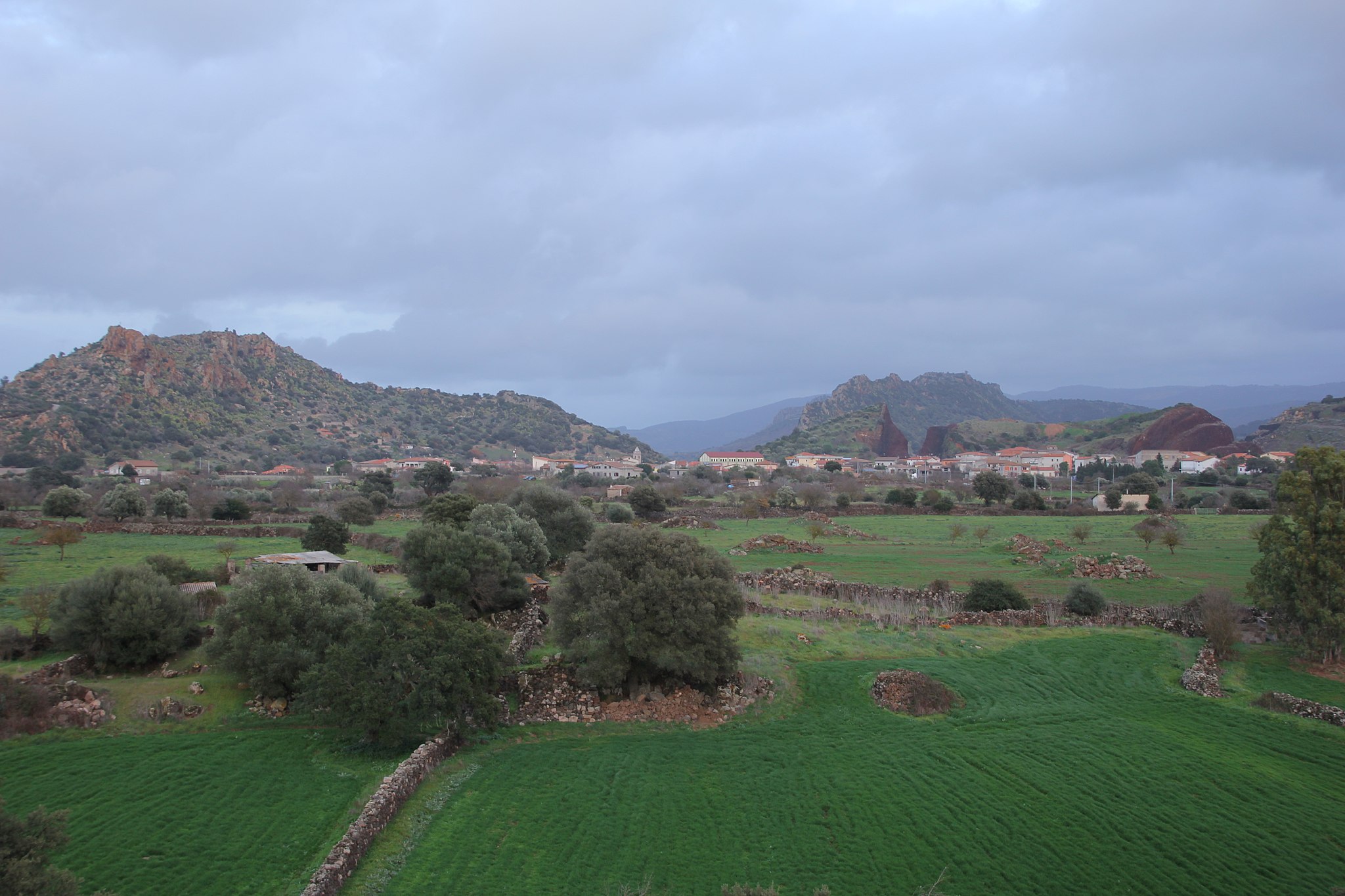
The village is spread out on Mount Ruiu, surrounded by extinct volcanoes dating back millions of years. Ittireddu, a small and ancient Logudoro village with just over 500 inhabitants, dates back to Byzantine times, when the church of Santa Croce was first built, although it has been rebuilt several times over the centuries. The name, literally "little Ittiri", dates back to 1626. Next to the church stands a fountain built in 1861 from blocks of rose tufo. The 12th century church of San Giacomo stands one kilometre out of the village. The walls are made from exposed stone blocks, typical of Sardinian Romanesque style, with a single room, covered by wooden trusses. The patron saint santu Jagu is celebrated at the end of July. Nostra Signora Inter Montes is also noteworthy, and hosts a 17th century wooden statue and three late-19th century sculptures by Giuseppe Sartorio.
The territory has been intensely settled since the late Neolithic, as shown by the 60 domus de Janas - many of which are multi-chamber, and a few single-chamber - dug into the tufo and grouped into five vast necropolises (plus three single tombs). The Mount Pira necropolis, which dates to somewhere between the late Neolithic and the Eneolithic (2800-2300 BC), has 26 burials. Once past the dromos (corridor) style entrance, you will see niches, cupules and bas-reliefs showing architectural elements of Neolithic homes, in an attempt to recreate the home environment within the tomb. Tomb 14, re-used in the Bronze Age, stands out: on the front, it has a cambered stele made from a single block, characteristic of nuraghic Giants' Tombs. The nuraghic civilisation is also well-represented by the sa Domo 'è s'Orku archaic "corridor" (9 metres long) nuraghe near the town. The Funtana 'è baule, on the other hand, is a holy well, the lower part of whose walls in blocks of trachyte tufo are extremely refined, with perfectly fitted stones. The Funtana nuraghe is a complex structure, with a main tower to which two more towers and a wall were added. The chamber has a seat-bench and there were once two stone "tables", now on display, along with containers, bowls and a four-handled jug containing twenty kilos of copper lingots, in the village's Civico museo archeologico ed etnografico. The museum also represents Ittireddu's farming and craft traditions. There are numerous traces of Roman inhabitation: the village was a mansio along the road to Turris Libisonis and Tibula. In the Olensas area, ten cisterns dug into the tufo rock were found, perhaps used to contain oil or olives (hence the name). Two olive presses and tanks for decanting oil stand a few metres away. On the border with Mores, two of the three original arches of the 18 metre Ponte 'etzu (old bridge) stand, built from black basalt and light coloured tufo. The funerary hypogeums of sa Fraigada, carved from the rock, are from the late Roman period.