- Home
- Lighthouse keepers, a story set on the edges of Sardinia
Silent witnesses to the stories of the sea and of men
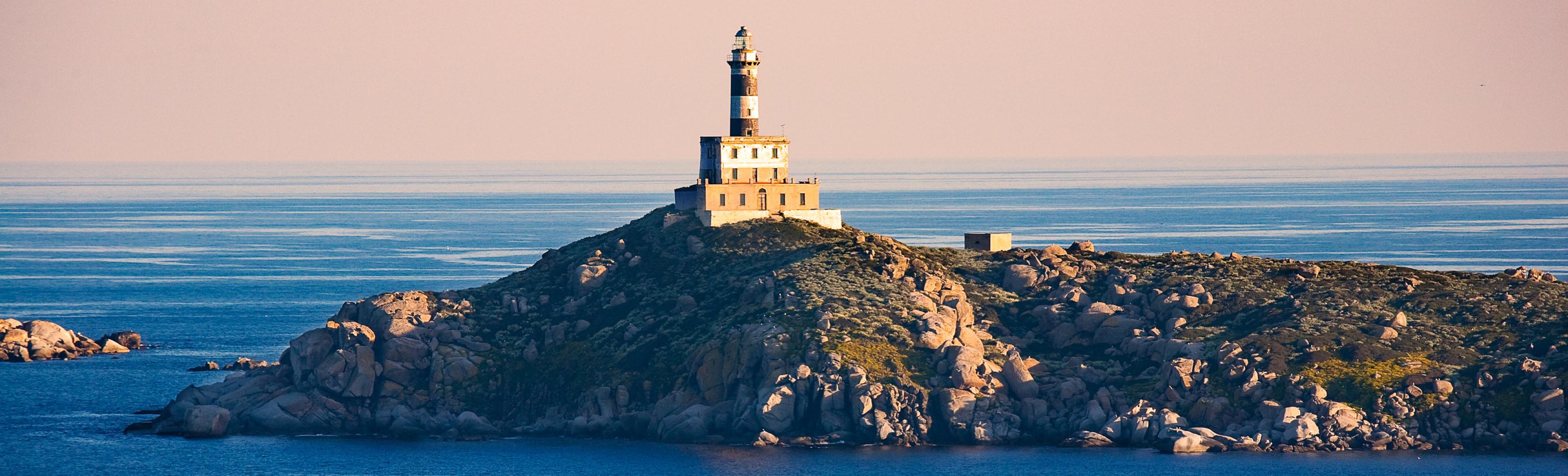
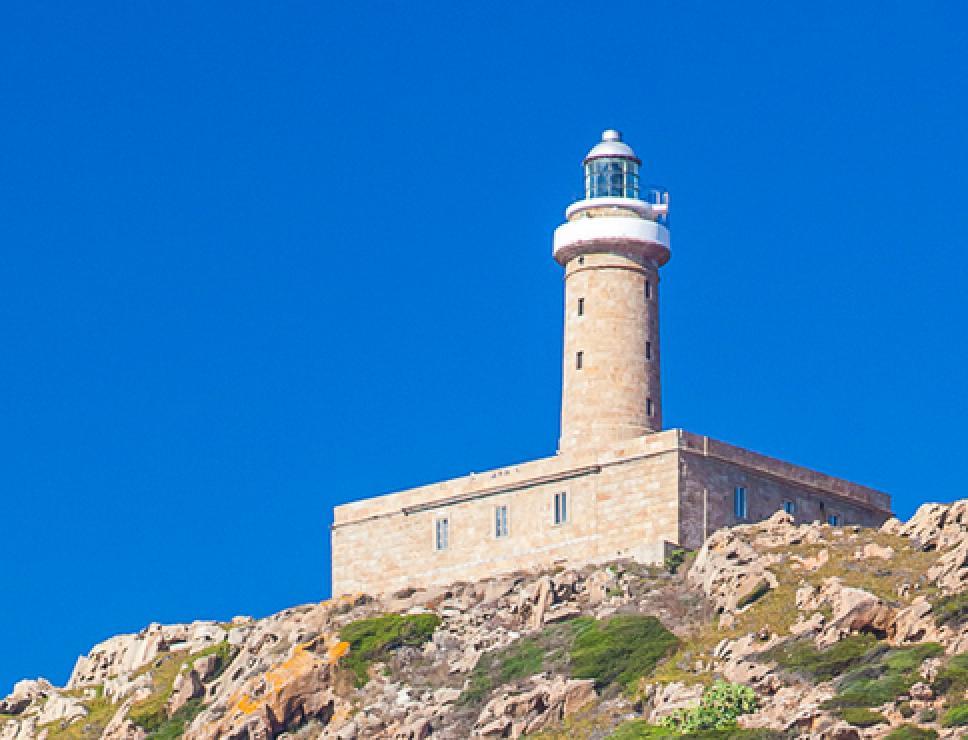
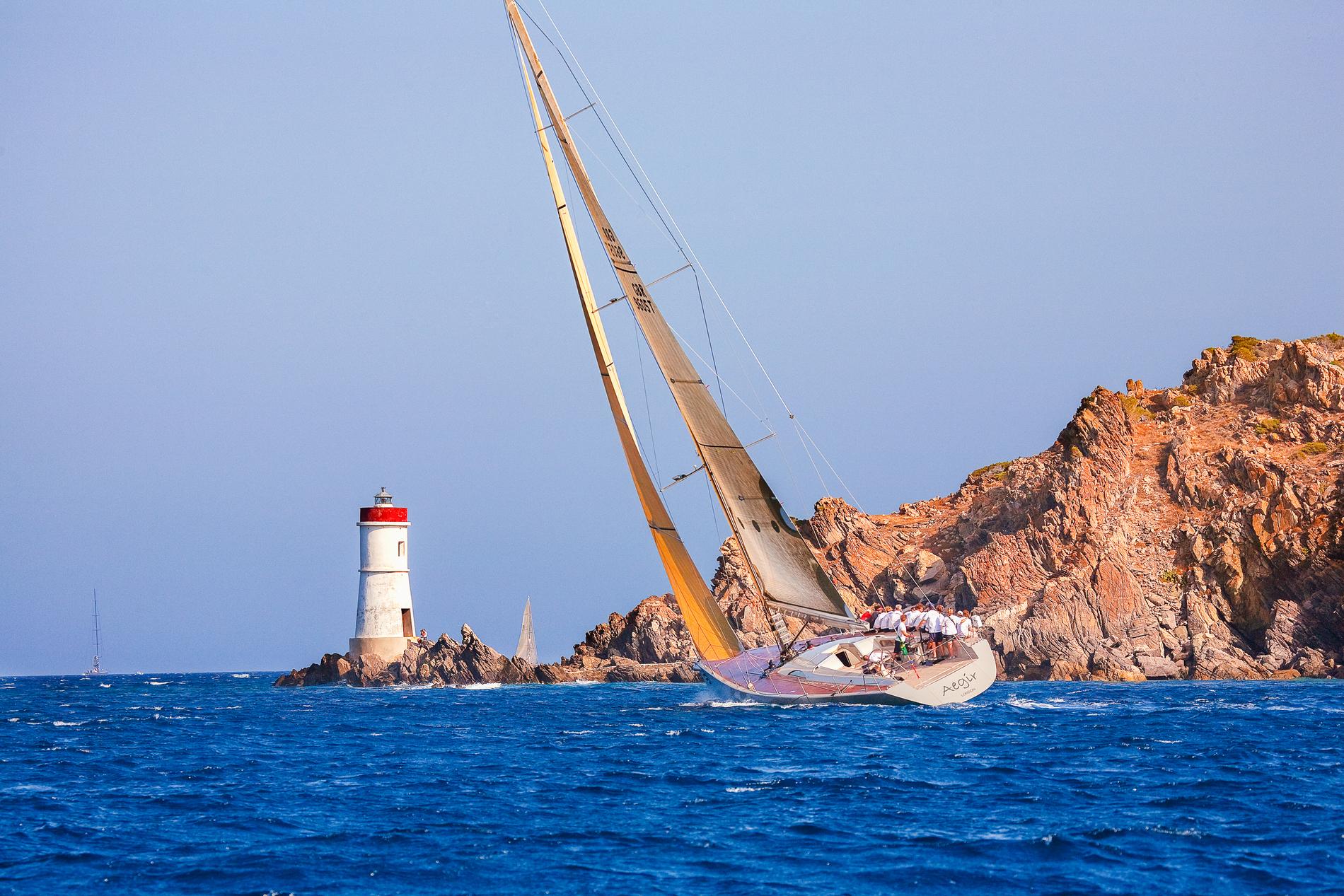
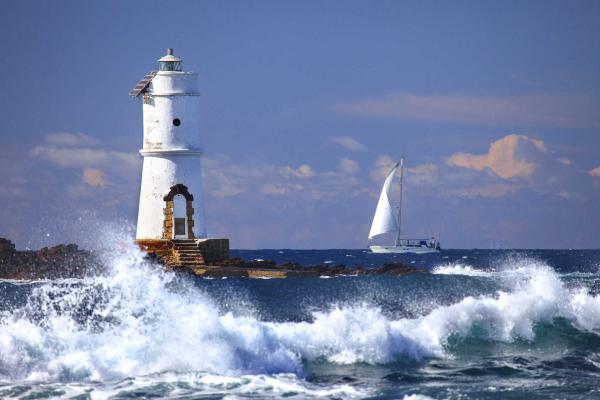
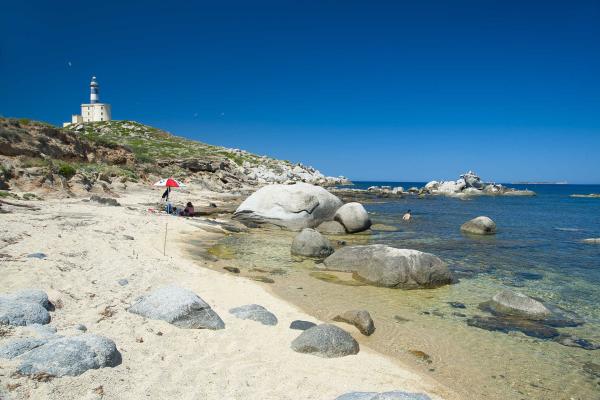
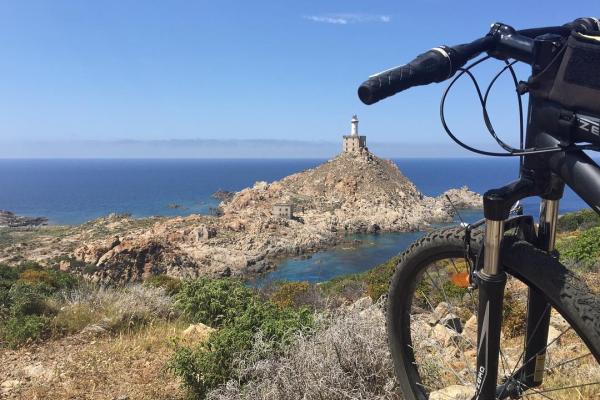
A beam of light keeps night sailors away from the coasts, signalling the last boundary between land and sea. During the day, with the light off, the charm of lost and wild places shines in its stead. Standing on headlands far from everything and on uninhabited islands, the lighthouses of Sardinia are lonely outposts, silent witnesses of the stories of the sea. They watch over bright-coloured waters, where the air smells of salt and Mediterranean scents and the hubbub of waves crashing on the rocks is incessant. They exude the emotions and feelings of the intense lives of their keepers, of yesterday and today. They tell of miraculous rescues and shipwrecks, of boats swallowed by the waves, as in the islet of Mangiabarche (boat-eater), only a short distance from the coast of Calasetta, on the island of Sant'Antioco, named for its reputation among sailors. Nearby, on the island of San Pietro, Capo Sandalo stands on a cliff overlooking the westernmost lighthouse in Italy, built in 1864. From its summit, at the top of 124 spiral steps, it emits four beams of light that reach up to 24 miles away.