
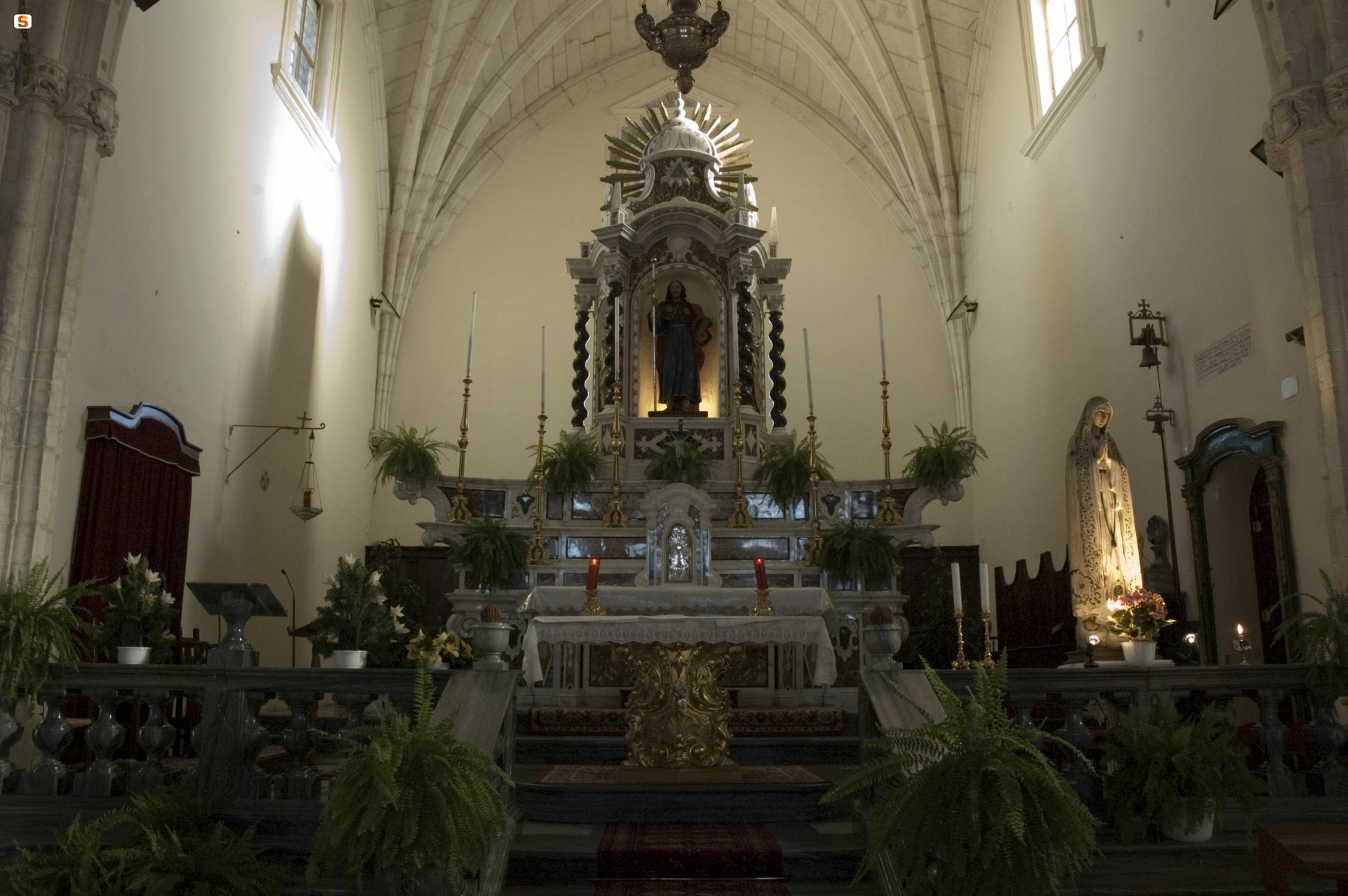
San Giacomo apostolo - Mandas
Its double-pitched façade appears just beyond the charming village of Mandas, the main town of Trexenta, a borderland between Campidano and Barbagia. The church of San Giacomo Apostolo, built on the site of a 15th-century building, was constructed in Gothic-Catalan style at the end of the 16th century. According to historic documents, work commenced in 1585 under the guidance of two master stonecutters, Gontinio Pinna and Miguel Baldabella, and was completed in 1605, at which time the parish was consecrated. The double-pitched stone roof characterises the façade, with a cross at the intersection. A round arch incorporates the wooden portal, above which is carved the coat of arms of the Carroz family, who ruled the Duchy of Mandas at the time, the only one established in Sardinia by the Spanish Crown (by Philip III in 1614). There are three windows in the upper part of the façade: a central rose window in line with the portal and two rectangular side windows.
The room has a rectangular layout, with a juniper-beam roof. Five chapels open up along each side. The presbytery area is raised higher than the floor of the nave and is distinguished by a star vault. The last works date back to 2012, when Giovanni Battista Franco restored the tabernacle of the high altar, being one of the marble creations, together with the baptismal font safeguarded by the church. Both ‘marbles’ date back to the 18th century. Also preserved within are the productions of Spanish and local carvers - a wooden series with crucifix, Madonna and San Giovanni, 17th-century polychrome statues, and various 18th-century wooden altars. At the exit of the parish is Sa Perda De Sa Bregungia, an ancient medieval pillory or ‘stone of shame’. The celebration of the patron saint, Santu Jacu at the end of July is accompanied by the Sagra del Formaggio (cheese festival), an opportunity to taste the local delicacies that testifies to the long pastoral tradition of the town.
Other evocative places of worship in Mandas are the 17th-century compendium of San Cristoforo and San Francesco, the church of Santa Vitalia and the 13th-century complex consisting of the church and convent of Sant’Antonio Abate, which overlooks a short stretch of the Karalis-Ulbia, a tangible sign of the Roman passage. On the opposite side there is the ethnographic museum is Lollasa 'e is Aiaiusu (‘the grandparents’ rooms’), set up in an 18th-century house as a historical record for the village. Mandas, long junction of the railway that led from Cagliari to Mandrolisai and Ogliastra, is today a station for the Trenino Verde (Green Train), an alternative way to explore hidden gems in this part of Sardinia, including cultivated hills, gorges, rock faces and the north-eastern shores of Lago Mulargia.
Su Angiu
The fertile hills of Trexenta have been an attraction since prehistoric times. This is testified by circa 50 Nuragic settlements in the territory of Mandas alone, an agropastoral village of medieval origin that has always served as a crossroads for various peoples, as a land of passage between Campidano and Barbagie, as can be seen by a short stretch of Roman road in the centre of the town. Among the many remnants, the Nuraghe su Angiu, also known as Bangiu, forming the greatest legacy left by the Nuragic civilisation, bearing traces of prehistoric and historical overlaps in two areas, one Nuragic and inhabited in historical times, the other Punic, then Roman and High Medieval.
The archaeological complex extends across approximately three hectares, dominated by an imposing quadrilobed Nuraghe covered with a tholos (false dome) with bulwark. The first “anthropisation” of the edifice was undertaken by the Nuragic peoples between the final Bronze Age and the Iron Age (12th-8th century BC), presenting a particular cultural multi-layering from the 9th century BC.
The excavations have brought to light ‘foreign’ materials, due to contact with the Phoenicians on the coast, focusing the attention of archaeologists on the relationship between local populations and people from the eastern Mediterranean, with whom they had close and profitable trade relations. A subsequent frequentation came during the Punic age, continuing without any break to the Roman and late Antique era. The wall structures identified in the northern part of Su Angiu can be traced back to this period. To the south of the Nuragic monument, rather, is a rectangle 15 metres in length and ten metres wide that is characterised by a well with shaft lined with stones of various shapes and sizes. The spring was perhaps originally Nuragic, later obliterated by Roman structures. Excavations have brought to light mostly material Punic (painted ceramics), but also Nuragic. The most important finding is a bronze ship, exhibited at the National Archaeological Museum in Cagliari.
Another important Nuragic site in Mandas is the Tomb of Giants of s'Arruina de su Procu. To explore the cultural traditions of the town, there is the ethnographic museum is Lollas 'e is Aiaiusu (‘the grandparents’ rooms’), set up in an 18th-century residence. Rising up nearby is the majestic 19th-century town hall and the compendium consisting of a little church (13th century) and the Convent of Sant’Antonio Abate. In the outskirts, rather, is the main place of worship: the parish church of San Giacomo, built between 1585 and 1605 in Gothic-Catalan style. The Trenino Verde (Green Train) is an evocative way to discover the territory - it follows panoramic paths, through the hills, gorges, rocky walls and passing by Lago Mulargia.
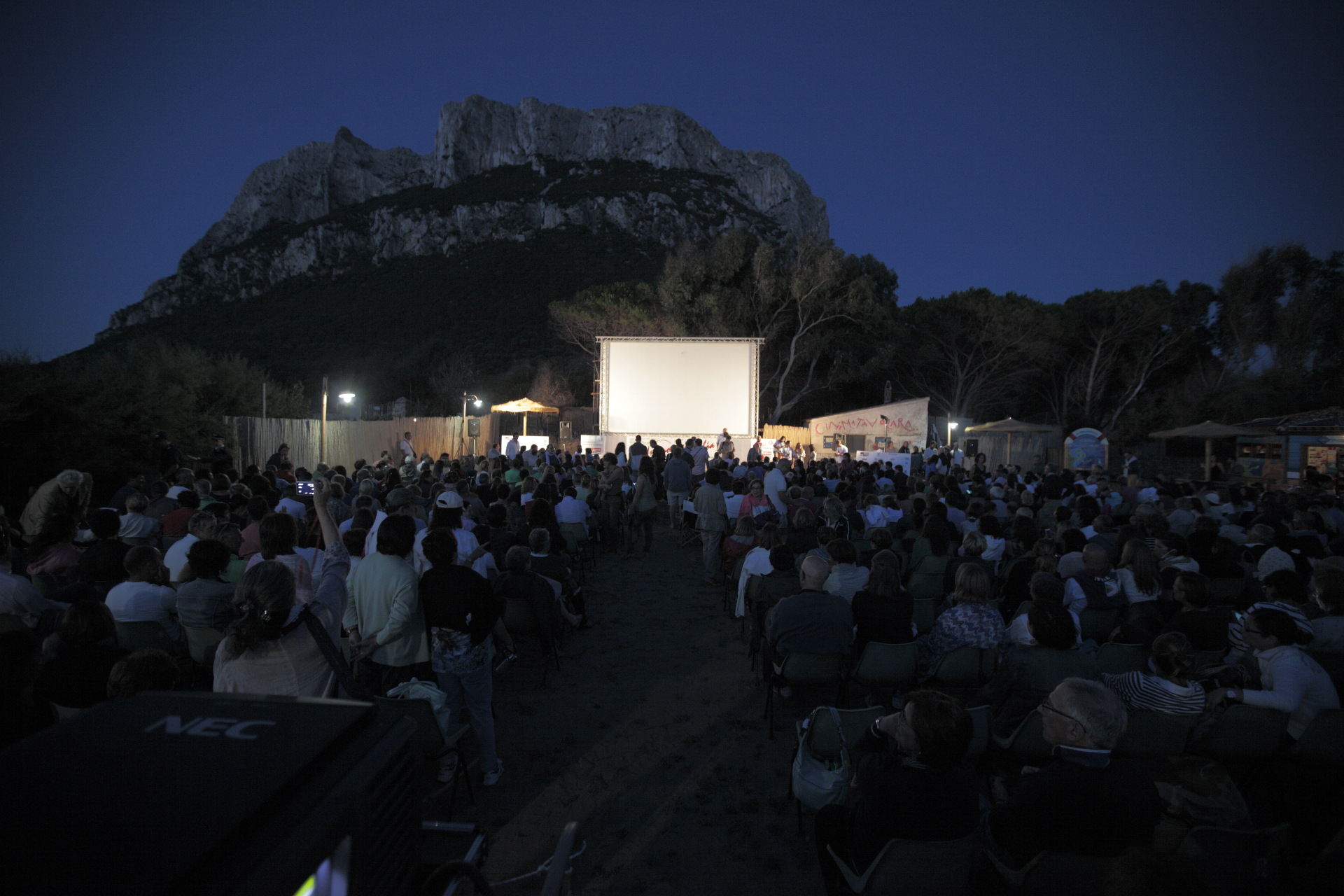
Sardinia, a natural cinema under a starry sky
Four festivals in the lesser islands of Sardinia, islands in the Island. Tavolara, a limestone mountain that emerges from the sea, in mid-July turns into an immense cinema with a starry vault of Una Notte in Italia. Established in 1991 to focus on filmmaking and creativity in Italian cinema, it is now a traditional event at national level. Meeting and interaction between the public, artists and experts already starts on board the boats that reach the island leaving from Porto San Paolo near San Teodoro and a little south of Olbia, that is, the three Municipalities involved in the 28th edition. For over a quarter of a century, the best Italian actors have walked on this unique red carpet surrounded by the waters of the spectacular marine reserve of Tavolara-Capo Coda Cavallo. Una Notte in Italia 2018 will be a travelling edition: it will start on Tuesday 17 July in the nature reserve of San Teodoro lagoon, then it will move to Porto San Paolo on Thursday 19 and then from Friday 20 the screenings will be held in the enchanting setting of the island of Tavolara.
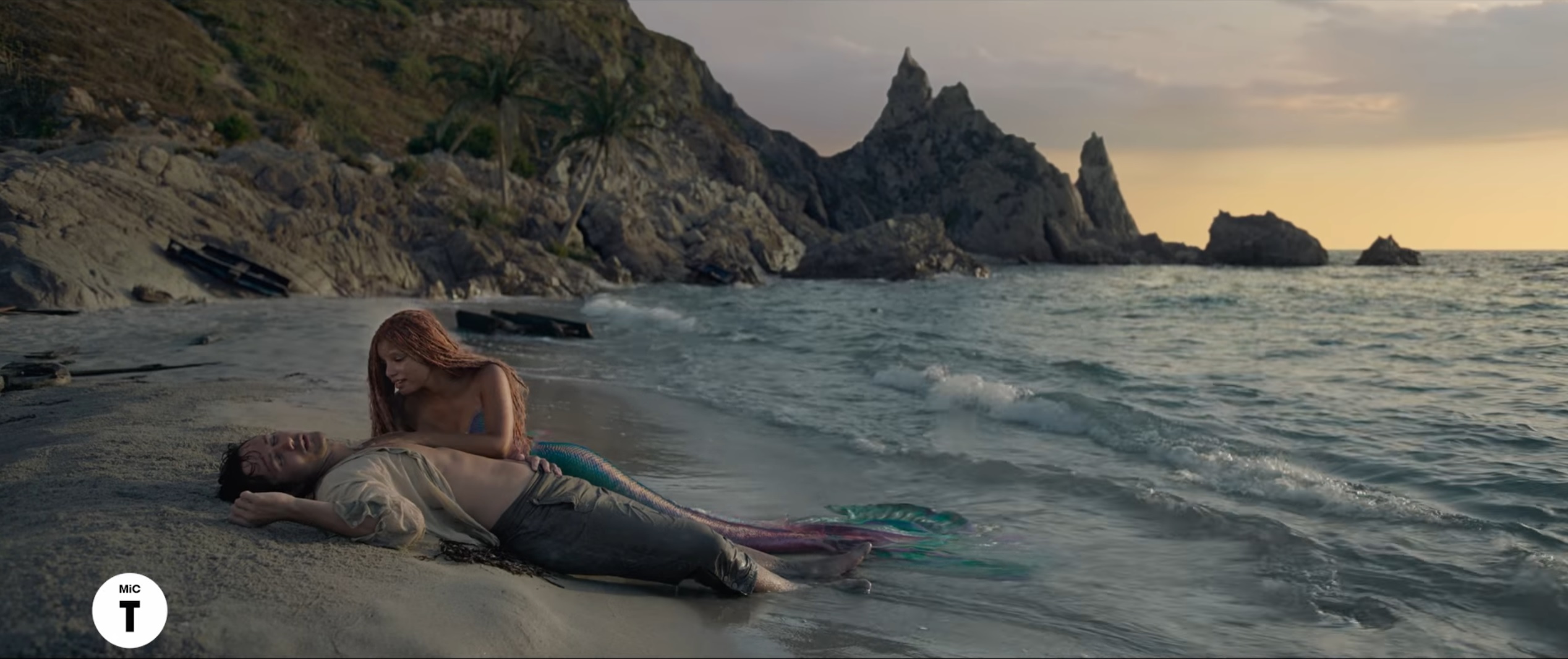
Natural scenery of an island straight out of a film
From deserted beaches to promontories overlooking the sea, from the wild Supramonte to the abandoned mining villages of Sulcis, from ancient forests to towns where time has stood still: Sardinia has always been an inspiration to writers and directors looking for scenery. Among the latest successes, there are several TV series, a very popular genre nowadays: ‘L'isola di Pietro’ (Peter’s Island), interpreted by Gianni Morandi and set on the island of San Pietro and in its village, Carloforte, and ‘Catch-22’, starring George Clooney, with its main location in the area around Olbia. The first films were recorded here in black and white, between the two world wars. The first successful film was “Forbidden” (1954) by Mario Monicelli, based on “La Madre” by Grazia Deledda, filmed between Codrongianos, Ittiri and Tissi. Ten years later, the scene of Isaac's sacrifice, part of “The Bible” (1966) by John Huston used Mount Corrasi in Oliena as a backdrop. A whole series was based on the wildest Barbagia: from “Bandits of Orgosolo” (1958) to “Father and Master” (1977) by the Taviani brothers. The theme was revisited in “Disamistade” (1988) by Gianfranco Cabiddu, set between Nuoro and Ghilarza.
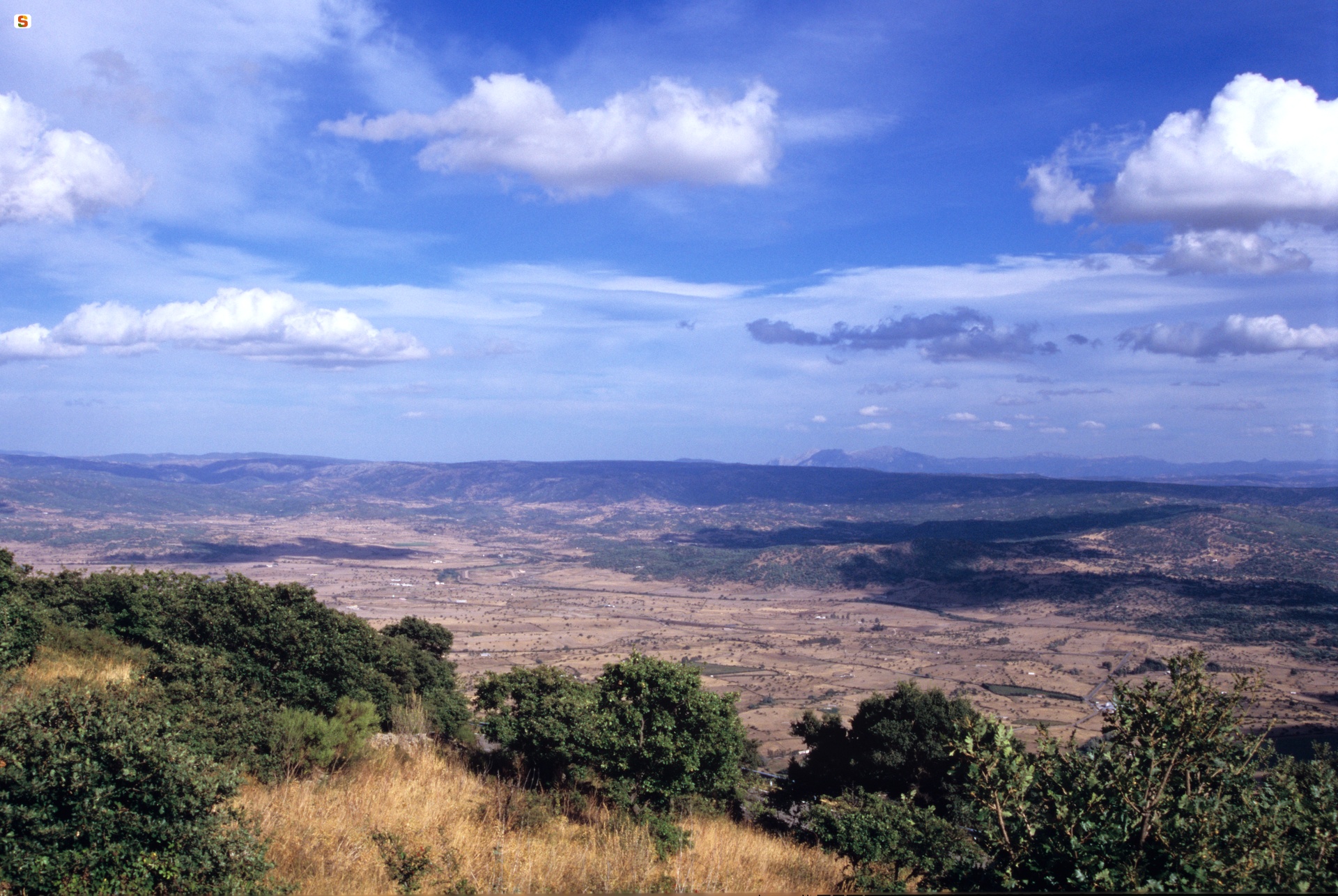
Anela
Many historians agree that Anela is the oldest village in the historic Goceano region in the north-central part of the island. It was probably founded by the Romans, who would go on to establish a Latin colony here during the time of Silla. During the Giudicato period, it was chosen as the seat of the Curatoria of the territory, maintaining this role for several centuries. In the mid-19th century, it became a royal feud. The town, now inhabited by just under 700 residents, rises up about 450 metres in height, surrounded by the forest of Anela, which extends across a wide plateau at an altitude of about 1,000 metres, for about 1,000 hectares within the territories of Anela, along with those of Bono and Bultei. Formally established in 1886, it is comprised of holm oaks, downy oaks and holly oaks, with reforested areas of fir, beech, chestnut, Atlas cedar and black pine, which have recreated a stretch of Apennine-like woods in Sardinia. It is a place of great natural interest, a paradise for trekking lovers, who can admire the spring meadows covered with flowers in a thousand colours.
For lovers of archaeology, the territory of Anela is home to sites of great interest: numerous Domus de Janas, Nuragic structures and a sacred well. The remains of a Byzantine military outpost, consisting of a 300-metre wall with four corner towers, stand just beyond the town centre. Above one of these lie the ruins of a Romanesque church dedicated to San Giorgio di Aneletto, built in 1100, about five centuries after the Byzantine settlement. In good condition, near the village is the church of Nostra Signora di Mesumundu, built in 1162 by the Cistercians and donated to the Camaldolese order by the Bishop of Castro. Other historical monuments are the Funtana Noa, a granite fountain in the centre of the village, and a characteristic tower, both dating from 1886.
Ardara
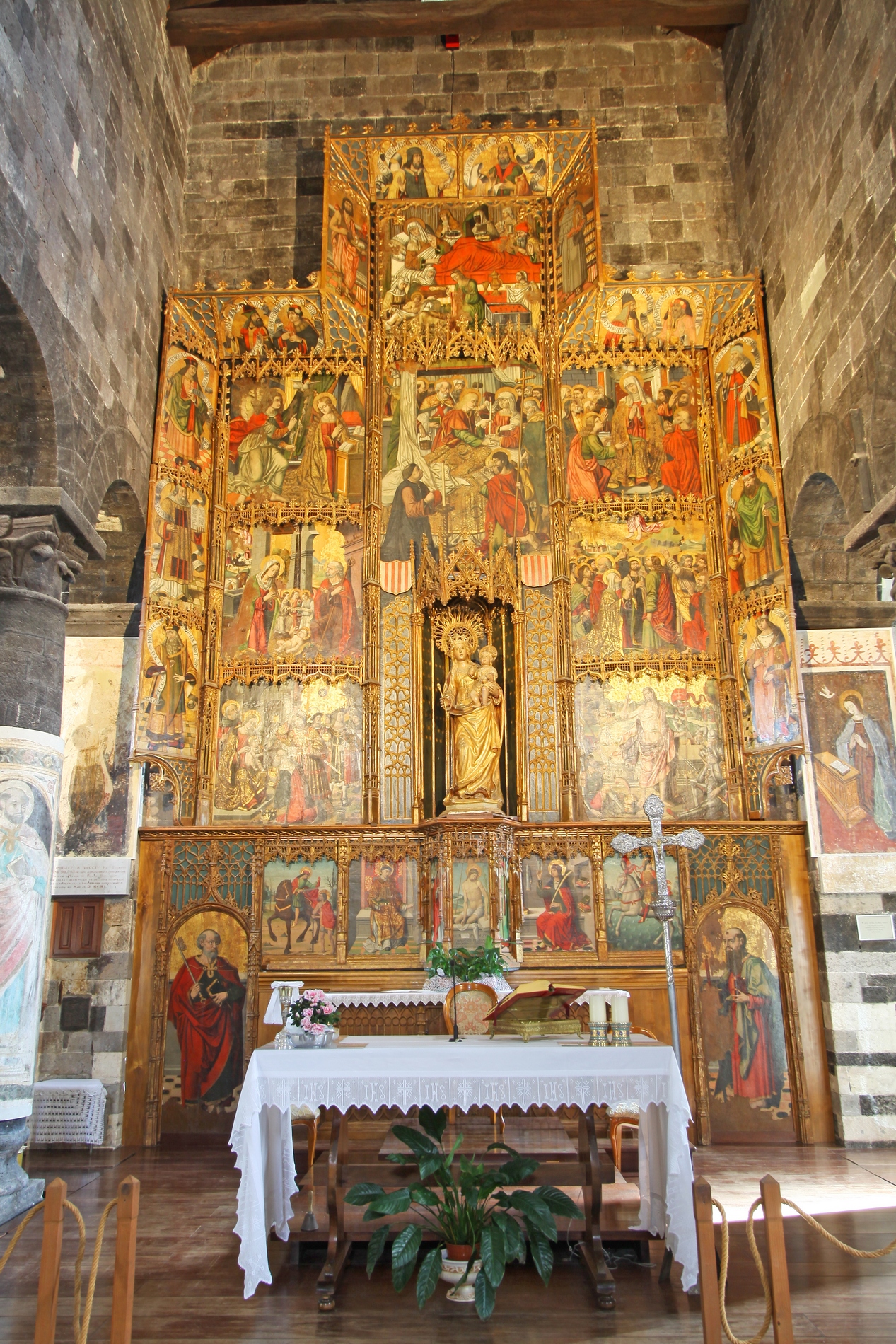
Ardar’s period of maximum splendour took place in the Middle Ages: it was one of the places of permanent and privileged residence of the Judges of Torres after the court was transferred there between the 11th and 12th centuries. The sovereigns decided to leave Torres because of the unhealthy climate and continuous Barbarian threats: they chose to spend a large part of the year in Ardara and spent the summer months in the castle of Burgos. The building of the main monuments in Ardara dates back to that period. You will see the ruins of the royal palace, an impressive complex with several floors, referred to in the documents as a palacium: the ruins consist of a 12-metre tall tower and what remains of the walls. It was the fulcrum of judicial power. Around the 'reggia', or royal palace, government and noble buildings began to appear. The other majestic work is the basilica of Nostra Signora del Regno (or Santa Maria del Regno) that reached us still intact and where weddings, enthronements and funerals of the reigning dynasty were once celebrated. On the subject of ceremonies, the celebration of the patron saint of Ardara attracts crowds of worshippers: the celebrations culminate in a procession on 9 May, accompanied by the choir of sos gosos, praise in honour of the Virgin Mary. Today, the basilica stands dark and imposing at the entrance to the little village of Lugodoro, with its agricultural and pastoral tradition, perched at an altitude of over three hundred metres on the slopes of Montesanto and with approximately 800 inhabitants. From high up on the hill where the basilica stands, you can see the other surrounding hills (mount Cheja and Salto di Binza) and the plain below. The dominant position makes this building, made of jet black ‘ferrous’ trachyte ashlars and standing on a natural rock base, even more captivating. The works were completed by Pisan workers in 1107, the consecration date inscribed on the main altar: the result was one of the most representative monuments of Romanesque architecture in Sardinia: basic and imposing. Inside, it is embellished by the main retable, the greatest one of sixteenth-century Sardinia, and by a series of sixteenth century frescoes. The tomb of queen Adelasia was found in the crypt. Her death (1259), leaving no heirs, marked the end and the splitting up of the Giudicato of Torres. Ardara was then ruled by the Doria family and the palace was fortified like a castle. The historical part of the village is surrounded by modern buildings looking out onto wide, orderly and tree-lined streets. On a hill, near the village, stands the little church of San Pietro, a Romanesque sanctuary dating back to the beginning of the 15th century, perhaps built on the ruins of an Early Christian temple.
Archaeological evidence bears witness to the fact that Ardara was frequented from the 4th millennium BC to the Roman period, the period to which a settlement on the plateau of San Pietro can be attributed. There is substantial evidence of the Bronze Age, including 27 Nuraghi, among which the Rio Runaghe. Just outside the municipal territory, another two ancient religious buildings not to be missed are: Nostra Signora di Castro in Oschiri and the basilica of Sant'Antioco di Bisarcio in Ozieri.
Banari
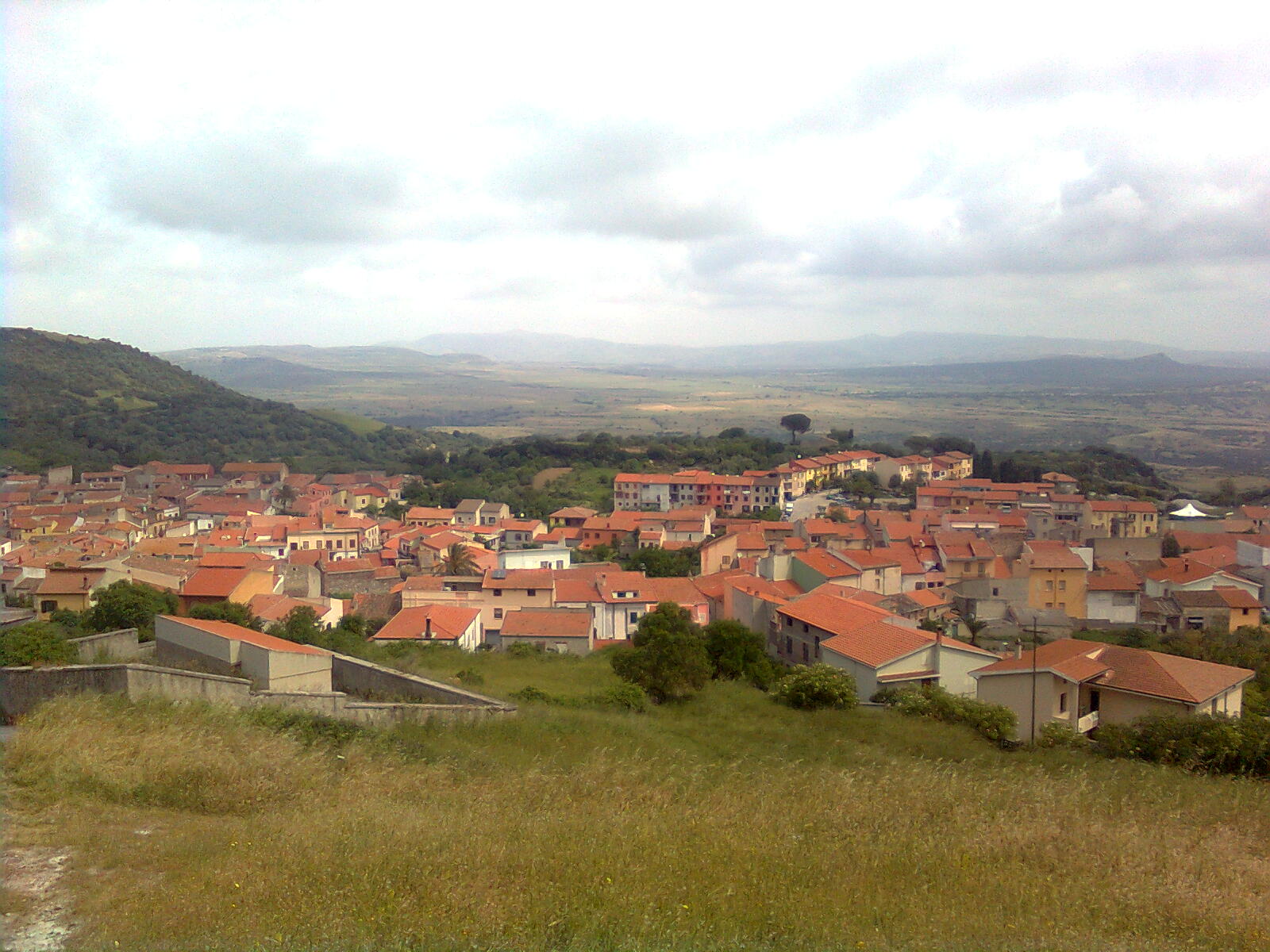
Its natural beauty, of which the oasis of Badde Manna and the trachyte plains of Corona Alta stand out, and its medieval origins have contributed to it being listed as one of the Authentic Villages of Italy. Banari is a small village with approximately 600 inhabitants in the Meilogu, a historical sub-region of the Logudoro region, half an hour by car from Sassari, stretching along the foot of the Pale Idda hill and surrounded by elevations and watercourses. It was mentioned in a papal bull in 1125 and was created out of the merging together of the Villa of Vanari and the two monastic centres of San Lorenzo and San Michele. The main religious buildings in the residential area are the parish church San Lorenzo Martire, originally a 12th-century church, rebuilt in the 18th century and with a 19th-century Neoclassical façade, and the church of San Michele Arcangelo, built in Romanesque style, also dating back to the 12th century and renovated several times. Both were donated in 1113 by the Judge of Torres to the Camaldolese monks. During the extension work on the church of San Lorenzo, a tombstone containing relics and parchments was found, indicating the year in which it was built. The patron saint is celebrated in mid-August. Close to the parish church, stands the oratory of Santa Croce, built between the 16th and 17th centuries: in a fertile valley next to the village, there is the complex of Santa Maria di Cea (second part of the 12th century), consisting of a Romanesque church with a façade made of limestone ashlars and buildings known as a 'hermitage'. The festivity of the Madonna di Cea is on 8 September. Banari also boasts an historical and artistic monumental heritage: the nineteenth-century municipal building stands out in the square of Piazza Sas Bovedas, the centre of social life. Culture is well-expressed and offered by the Museum of Contemporary Art, located inside a thirteenth-century noble palace, exhibiting works of art from the 1950s. The spirit and authenticity of the village are liberated in December, in Carrelas in Festa, a celebration of typical local products, traditional dress and ancient trades. You can visit the workshops of the local blacksmiths, tanners and ceramists: terracotta objects are exported throughout the island. Artisan craftwork is the main activity, along with breeding and agriculture. The agricultural and pastoral tradition is reflected in the cuisine, featuring authentic products and ancient recipes. An event not to be missed is the Feast of the Yellow Onion, an excellent local product. Typical local pastries include biancheddus, meringues with almonds, and cozzuleddas, honey and orange fritters.
The place name may come from the Balari, a people in the Nuragic era. On the subject of Nuraghi, there are about ten in the area, all well-preserved: Sa Tanchitta and Corona Alta are made of red trachyte, while Su Crapione and Buffulinu are made of white sone. The blocks from this latter one were used to build one of twenty pinnettas, the ancient shepherds' huts that characterize a territory inhabited since Neolithic times. This is confirmed by various Domus de Janas, called coroneddos: four known as Ziu Juanne (two smaller ones dug out of the rock and two remarkably large ones) and the Domu de Su Crapione, dug out of the tuff.
Baradili
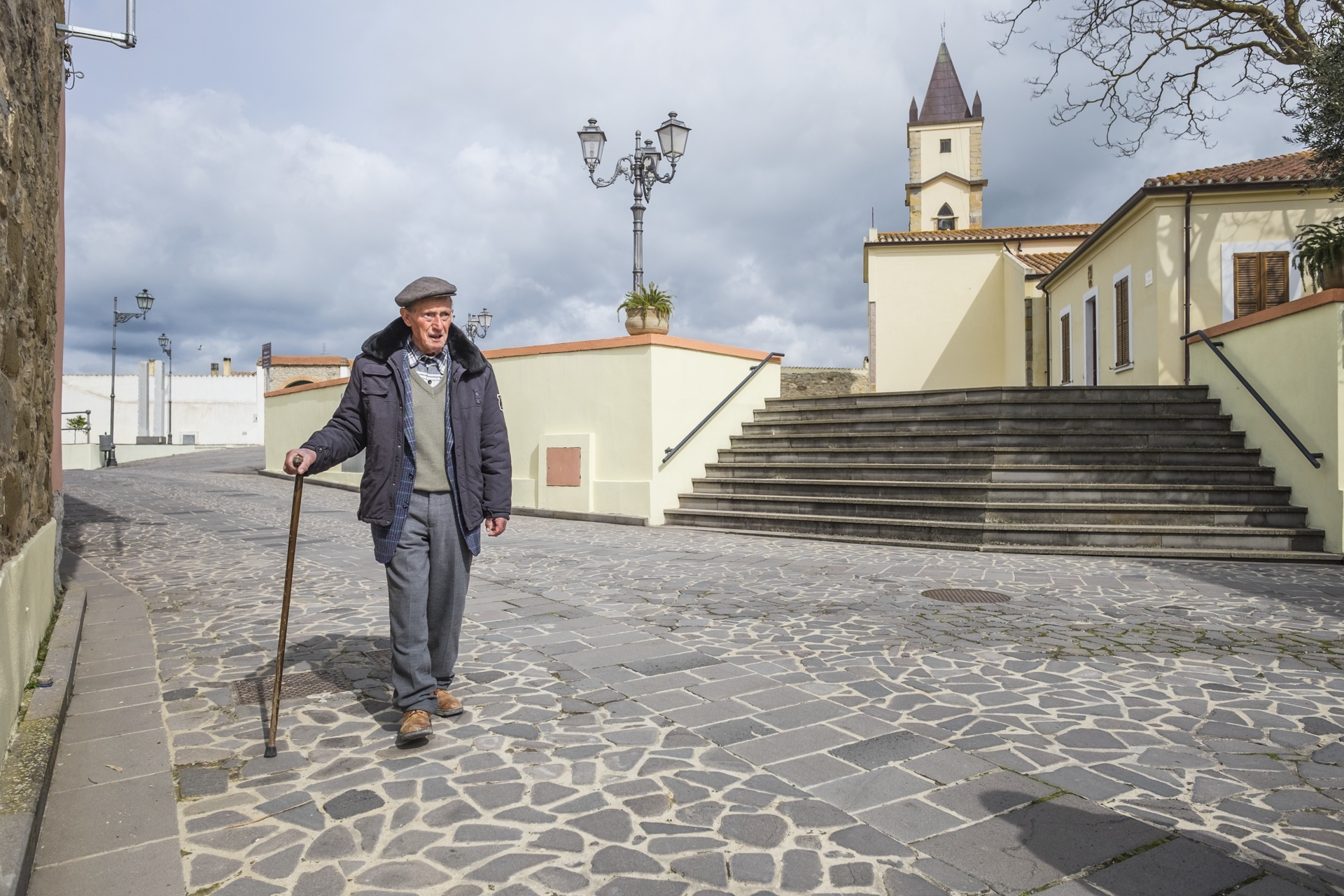
Famous for being the Municipality with the smallest population on the Island and one of the least inhabited in Italy, its traditions and natural and archaeological treasures remain unaltered. Baradili is a little village in the Oristano area and has fewer than one hundred inhabitants (with a birth rate close to zero), located near the Giara, in the Marmilla hills, surrounded by vineyards, olive groves and almond orchards, from which excellent wines, oils and cakes are obtained. Its appearance is that of a medieval village with numerous ancient houses 'with courtyard' - among which, the grain bank and the Casa Usai and Casa Lavra houses - and it risks becoming a ghost village in a few decades. In 1927, it was annexed to the bordering Municipality of Baressa, but since 1958 it has been autonomous once more. The first written document acknowledging Baratuli is dated 1342, but its origin probably dates back to the Roman period, traces of which have been found in various areas. In particular, in Cibixia, there are the foundations of a large building, divided into 25 spaces, perhaps used as baths. Several tombs were also found, containing urns and oil lamps.
According to tradition, the village was built over a nuraghe and it was apparently possible to see the imposing fortress of Su Nuraxi in Barumini in the distance, from here. Its territory was undoubtedly inhabited as early as the Bronze Age, as confirmed by other nuraghi: the most important of which is the single-tower Candeu. Near the prehistoric monument, there is a fountain (also Nuragic), carved out of the rock and rebuilt in the centuries that followed. The water is currently used in the parish church of Santa Margherita Martire, that dates back to the 18th century, was completed in 1935 and has undergone numerous renovations. Inside it, there are precious wooden statues of various saints, among which that of St Anthony of Padua with Baby Jesus, standing up. In honour of the saint, protector of children, there are two celebrations every year: sa festa manna, the main celebration at the end of May, and Santa Mragaida agattada (found) or de is cruguxionis (of the ravioli) in mid-July, spanning two Sundays. The festival of the raviolo (a type of stuffed pasta) is linked to the celebration. It all came about from a legend, according to which a few young rural workers found a little statue of Santa Margherita (St Margaret) in the countryside. They took it to the parish priest, who was sitting at the table before a dish of ravioli pasta. To thank them, he invited them and the whole population to the table. The ravioli pasta never seemed to end. The frugal lunch was transformed into a banquet. This story led to the creation of the festival, in 1995, during which every variety of ravioli pasta is distributed: ravioli filled with ricotta cheese, lemon, spinach and with potatoes. Around the village, there are the two country churches of Santa Maria and Santa Restituita, the municipal park, an attraction of this peaceful, quiet village, and numerous archaeological sites, in the Giara and the Mount Arci area.
Baratili San Pietro
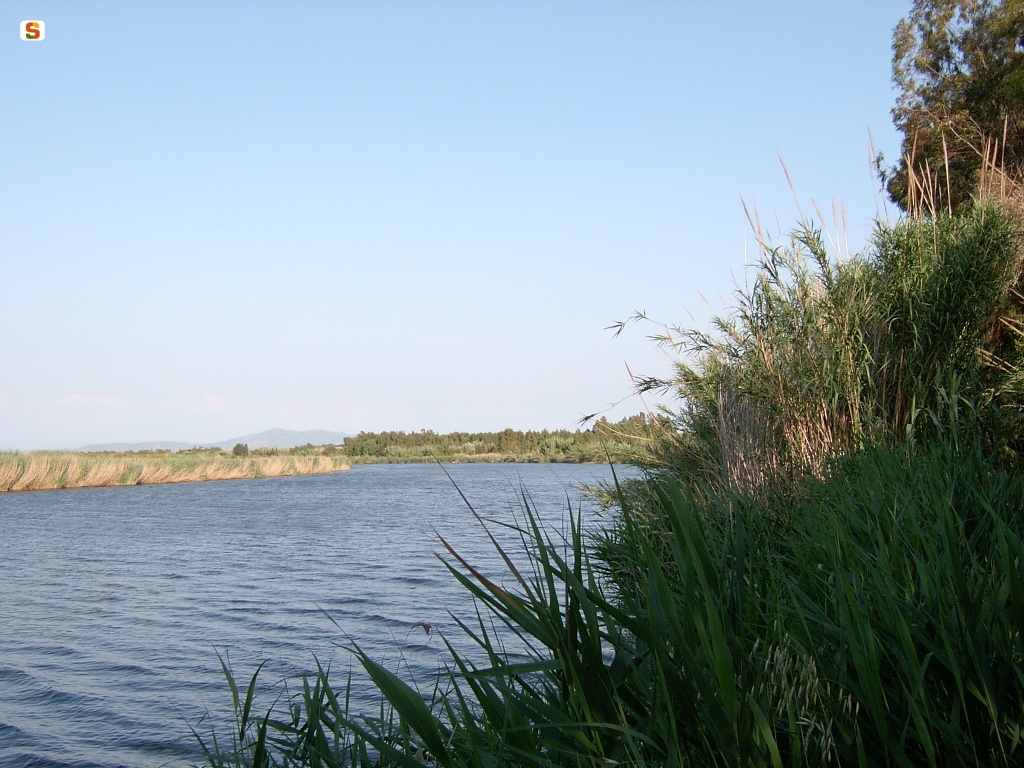
It is located in the Campidano di Oristano region, approximately ten kilometres from the regional capital and from the coast, where the uncontaminated beaches of the Sinis peninsula stand out. Baratili San Pietro was simply Baràtili until 1864, after which the reference to the patron saint of the village was added. The patron saint is celebrated at the end of June. The parish church of San Pietro, with a Latin cross layout and a bell-tower covered by an onion dome, is the heart of the village mentioned, in the form of Oiratili, since the mid-12th century. Today, it has approximately one thousand 300 inhabitants and is well-known especially for Vernaccia, a native grape variety (typical of the Oristano area) that dominates the surrounding level landscapes from which a full-bodied and delicious white wine is produced by hand, ideal as an accompaniment to savoury dishes and desserts.
A not-to-be-missed event is dedicated to this special wine production at the beginning of August: the Vernaccia festival (bringing the celebration of St Salvatore to an end), with wine-tasting accompanied by typical local dishes. Baratili has unique (and exquisite) dishes based on lamb and rabbit, flavoured with the local wine. In early May, another event not to be missed is the asparagus festival.
The place name is most likely to have a Pre-Roman origin: the territory was densely inhabited from the Phoenician era, of which the maximum expression in the area is the ancient town of Tharros. In the Middle Ages, the village belonged first to the Giudicato of Arborea and later, from 1410, it was the villa of the Aragonese domain in Sardinia. It is probable that the village, in modern times, was attacked multiple times by the barbary pirates who frequently penetrated the Campidano area to carry out raids. In the 17th century, because of several calamities, it risked becoming deserted. In 1767 it became a part of the marquisate of Arcais, which had formed along with the territories that were already part of the marquisate of Oristano. Between 1927 and 1945 the Municipality was annexed to that of Riòla (today Riòla Sardo) and later became independent again.
Baressa
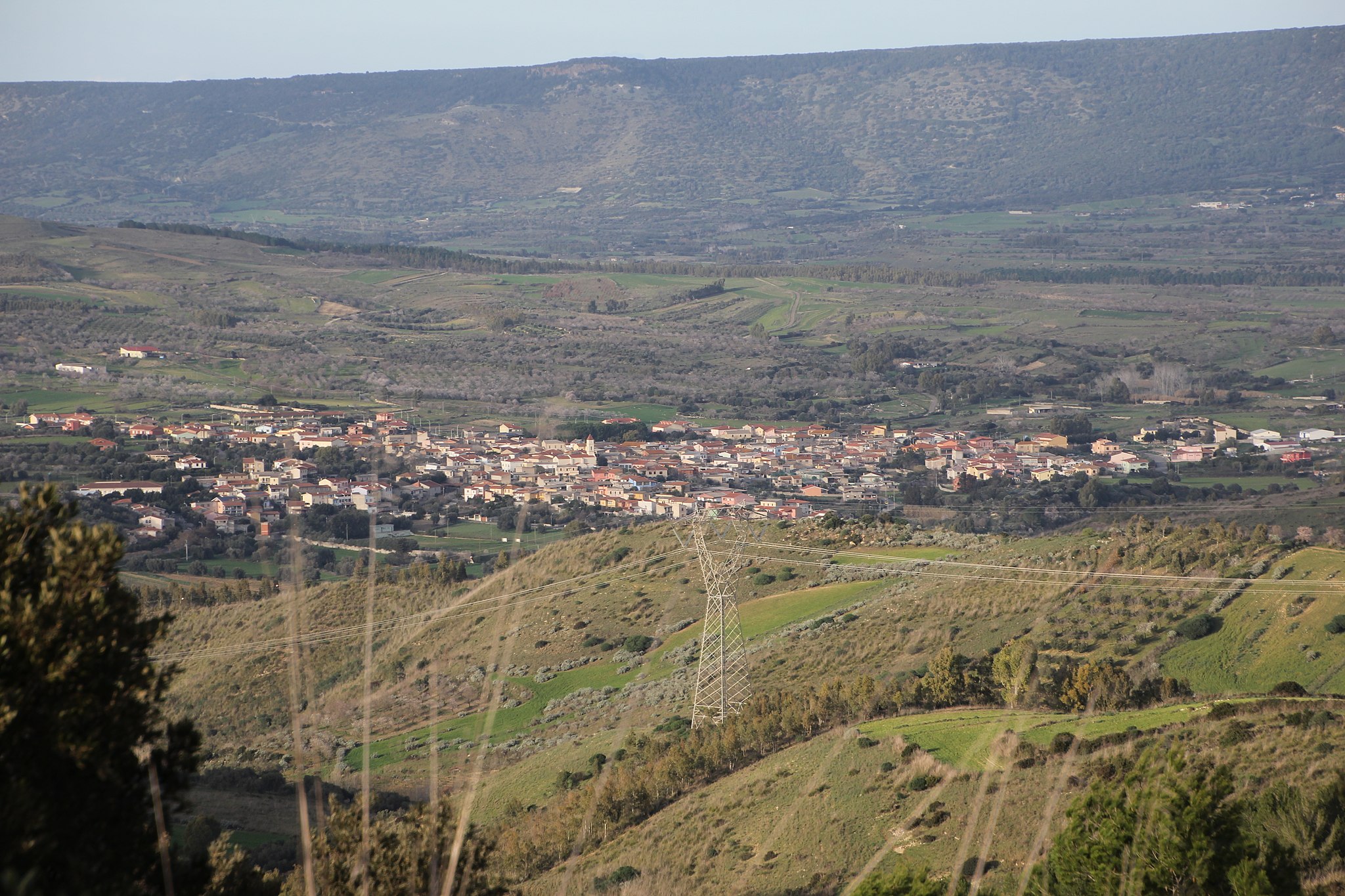
A vast expanse of flowering almond trees graces the winter landscape around a small town in what is known as the alta Marmilla, near Monte Arci. Baressa is a town in the Province of Oristano and boasts some 700 inhabitants. It is known above all for its groves of almond trees, the fruit of which is celebrated during the sagra della mandorla (almond festival) and almond market, an event that attracts many visitors who come to enjoy bread-making demonstrations and samplings of such traditional baked goods as amaretti, gateau, gueffus e pan’e sapa. The sagra is also a great chance to stop in at the workshops of is artis, or the traditional crafts which include baskets, scatteddus, made of cane and olive branches. The area is also celebrated for its wine and olive oil. Don’t miss a visit to the grove of over a thousand ancient olive trees that belongs to the parco Marrogali, located outside of town. Here you will also find a spacious oak woods ideal for a nice excursion.
The town’s historic centre is home to a late 1800s building that has been turned into a small museum with exhibits that highlight the agricultural history of the town. It includes a small pen for animals, a mill, a bedroom furnished with ancient pieces, a hearth, a room with fine hand-woven cloth, s’omu de su trobaxiu (home of the weaver), a traditional family kitchen and cereal storage facilities. The courtyard houses historical ploughs, traditional farming tools, an old olive press and grain mill.
Baressa’s most significant landmark is the parish church of San Giorgio, built over an older church in 1600. It has a central nave with barrel vaulted ceiling and four side chapels. The bell tower has a spire and is covered in red tiles. The façade and interior are simple and linear, with the exception of the multi-coloured marble design of the main altar. San Gregorio houses a much beloved statue of the Virgin Mary. It was once housed in the lovely little country church of santa Maria Atzeni, of which little more than a chapel remains today. The village of Atzeni, a medieval village built over an older Punic-Roman settlement, used to be here. The entire area is dotted with Roman remains: the settlements of Pranu Sizzonis, Bruncu Uras, Donigala and the necropolis of Santa Maria and Santu Miali, and, from the Nuragic Age, the Molas, Monte Majore and su Sensu nuraghe.