

Meraviglie scolpite dalla natura nel sottosuolo iglesiente
Very ancient karstic systems, created by the incessant force of water, characterise the limestone elevations in the south-west of Sardinia. Hundreds of caves and ravines, among which four real natural ‘works of art’ stand out and are as precious as they are delicate. Each one will surprise you with unique features: lakes, crystals, concretions and helictites with unusual shapes and even a road that crosses one of them. From lower Sulcis to Fluminese, this is an itinerary where natural surprises are accompanied by historical and archaeological attractions.
Journey length: 106 km
Road travel time: about 2 hours

Hispanich Architecture in Cagliari
Cagliari Sanctuary of the Virgin of Bonaria, Cloister of San Domenico, Church of San Giacomo, Aragonese Chapel in the Cathedral
Journey length: 2.7 km
Road travel time: 38’

Capo Caccia: the mysteries of the Inquisitor
Alghero: Capo Caccia, Neptune’s Cave and the Palmavera nuraghe
In 1996 novelist Valerio Evangelisti described a primitive, wondrous Sardinia seen through the eyes of his main fictional character, Aragonese inquisitor Eymerich who discovered a landscape of awe-inspiring beauty.
Journey length: 21.6 km
Road travel time: 35’
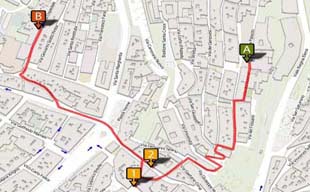
Cagliari dresses up in precious marble
Cagliari Cathedral, Chapel della Pietà in San Sepolcro, Sant’Antonio Abate, San Michele
Journey length: 1.1 km
Road travel time: 16’
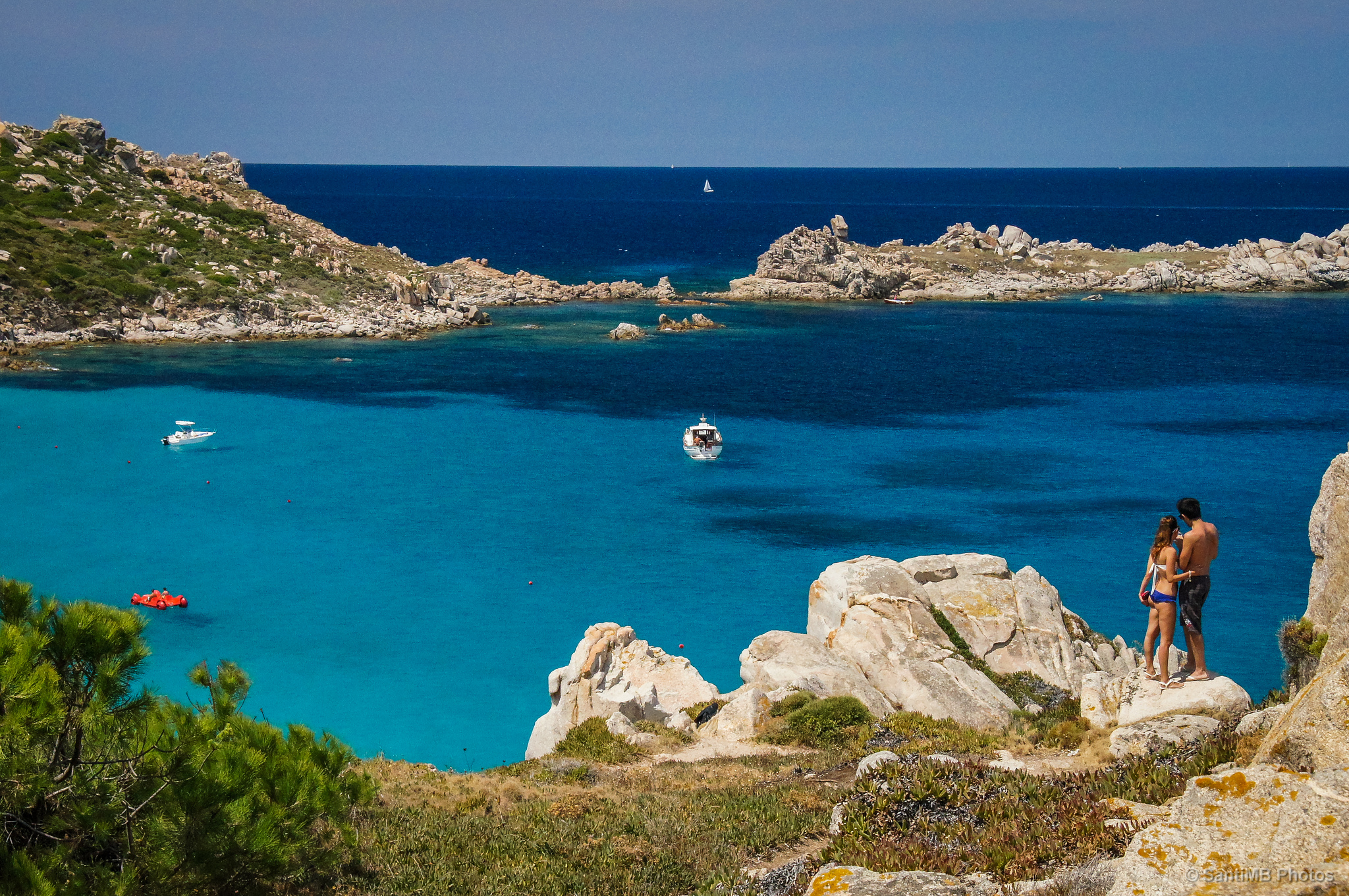
The gallura of the sea
From Olbia to Maddalena via the Emerald Coast, from Palau to Santa Teresa, graced with north-eastern Sardinia’s most beautiful shorelines and towns.
Journey length: 99 km
Road travel time: 2 h 13 min
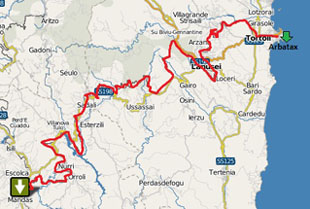
From the Duchy of Mandas to the red rocks of Arbatax
From Mandas to Arbatax
Journey length: 159 km
Travel time: 5 h
This railway, today a tourist train route known as the “Trenino Verde” (Little Green Train), was built in the late 1800s to link the interior of the island with the main cities and ports. The over 600 km-long railway crosses some fascinating, wild areas of Sardinia, including stretches of landscape not reached by any roads. Many writers rode this train to explore the island’s interior, including D.H. Lawrence.
1st section: Mandas – Orroli – Nurri
Snaking through hilly countryside, the first leg of the train journey starts from the village of Mandas, lying at the border between the Campidano plain and the mountainous Barbagia of Nuoro. In 1600, Mandas became the seat of the island’s first Spanish duchy. The small town has a well preserved historic centre, with interesting heritage attractions: the Church of S. Giacomo, the Convent of S. Francesco and the Ethnographic Museum “Is lollas de is aiaiusu” (the ancestors’ rooms). The first station on the route is Orroli, a village whose countryside is dotted with important archaeological sites, including many chamber tombs, the “domus de janas”, and nuraghi, including the Nuraghe Arrubiu, the island’s only 5-lobed nuraghe. The train then heads to Nurri, in the heart of the Sarcidano. Lying atop an ancient, extinguished volcano, this village is famous for its beautiful wrought iron and wooden handicrafts and offers visitors a choice of accommodation in finely restored traditional houses.
2nd section: Villanovatulo – Esterzili – Sadali - Seui
Having left the wide plains behind us and passed the Villanovatulo station, the view now embraces the Flumendosa lake valley. The train then reaches the mountain station of Betilli - Esterzili, surrounded by thick holm oak forest. The train passes through the tableland of Sadali. This village, a much-loved stop, offers a perfect combination of stunning natural attractions, such as the Is Janas cave and the Su Stampu de su Turrunu waterfall, mouth-watering local food and hearty hospitality. The route then continues uphill, to over 800 m asl. After an interesting stop at the old coal mine of S. Sebastiano, another hugely popular stop, especially among trekkers; the countryside has a wealth of scenic walking routes winding amidst oak and chestnut woodland.
3rd section: Ussassai – Gairo – Villagrande - Arzana
The forest becomes thicker as we cross the longest tunnels and highest bridges of the route, among the Gennargentu mountains, reaching Ogliastra. The first station is Niala-Ussassai, famed for its dramatic mountain landscapes, dotted with huge limestone cliffs which historically isolated this region from the rest of Sardinia. Passing through the moonscapes of Taquisara we reach Gairo, a village whose historic part is now a fascinating ghost town, abandoned in the 1950s after a great flood. After passing the tunnels and the Flumendosa lake, close to the Villagrande Strisaili station, we get to Arzana, which commands a jaw dropping view of the coast and sea of Ogliastra.
4th section: Lanusei – Elini – Ilbono – Tortolì - Arbatax
The railway proceeds downhill, doubling up underneath its previous tract, and reaching Lanusei, a village perched on a mountain slope facing the sea. The area is clothed in holm oak, chestnut, conifer and down oak woodland, stretching for more than 600 ha. The Selene wood, in particular, is famed for its many springs thought to have healing properties. We then get to the small quaint station in the village of Elini. Marking the boundary between the hinterland and the Ogliastra coast, Elini enjoys a panoramic position, surrounded by olive groves and vineyards. Proceeding towards the sea, we cross the village of Tortolì and reach Arbatax, a fitting end to this wonderful trip, on the Cala Genovesi quay, right in front of its famous red rocks. The whole coast is marked by red porphyry rocks alternating with ribbons of white sand.
Catalogo 2012 dei viaggi del Trenino Verde
Information: Trenino verde
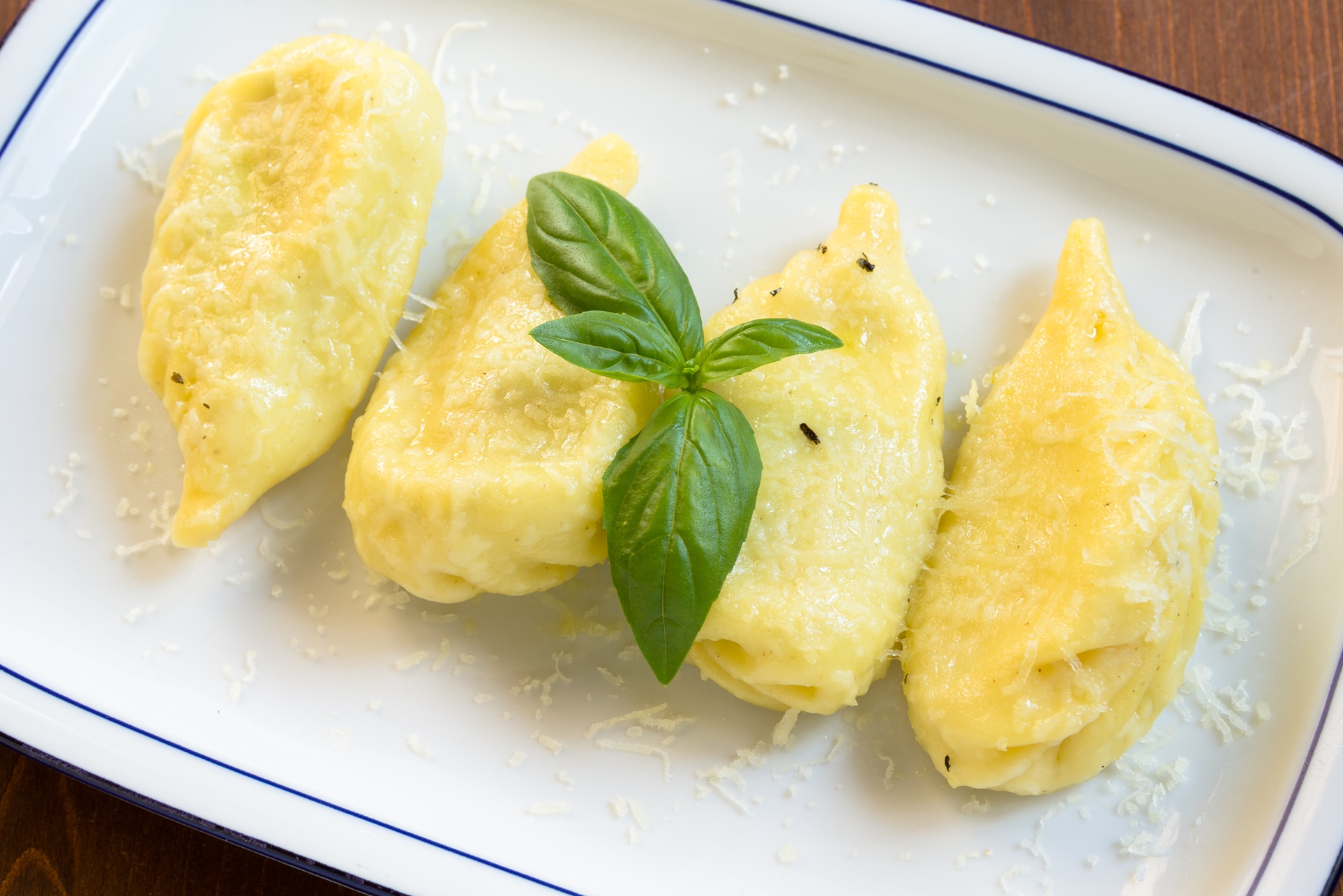
Flavourful culurgiones
From Lotzorai to Villagrande Strisaili, Osini, Ulassai and Jerzu in search of the timeless delicacies served in Ogliastra
Journey length: 63 km
Road travel time: 1 h 16 min
The north-western parks
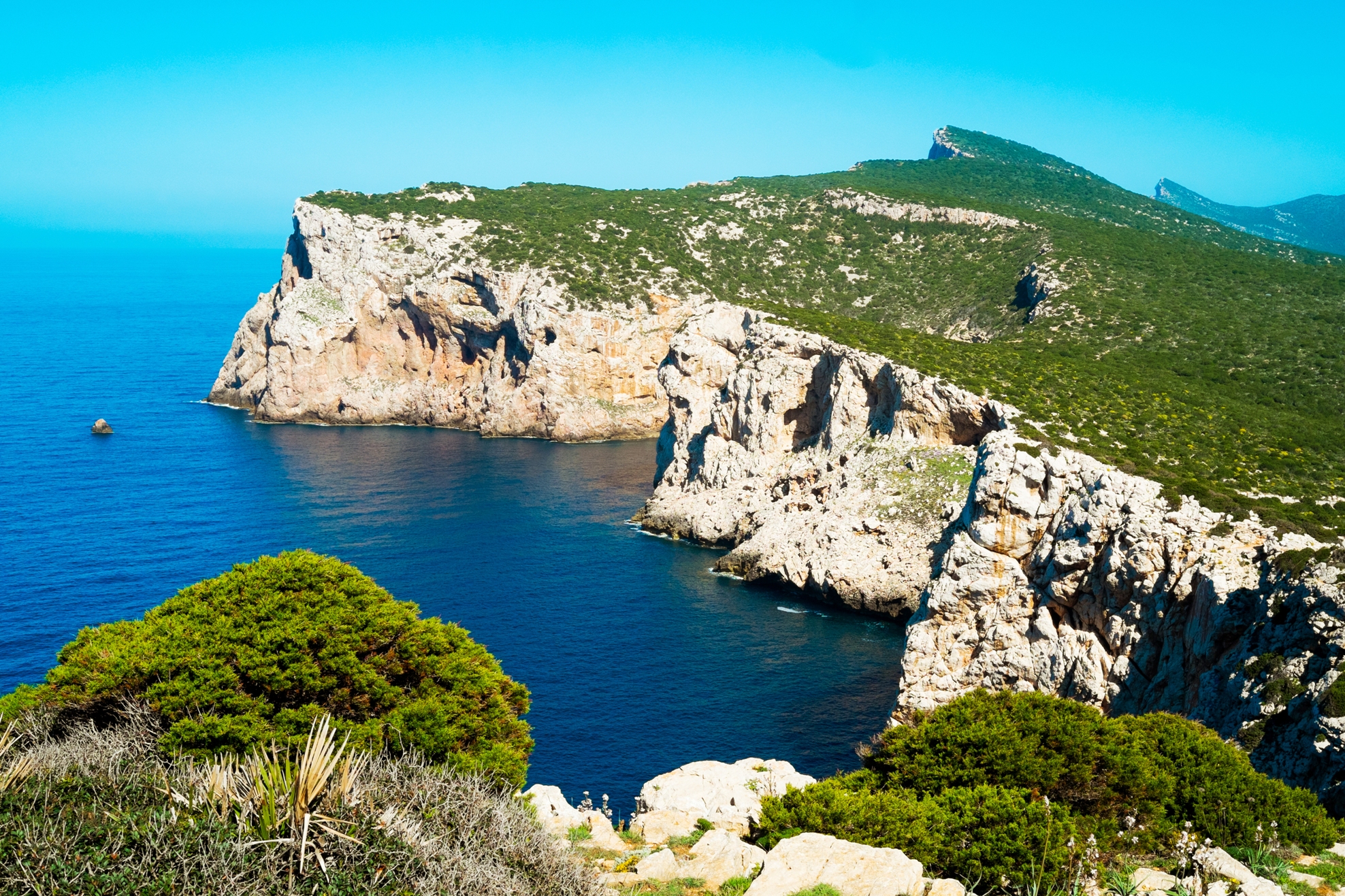
This itinerary leads through two havens of natural beauty of inestimable value: the Porto Conte regional park and Asinara Island national park, created to safeguard the ecosystems of both the coastline and the hinterland of Sardinia’s north-western region. Once there, surrounded by uncontaminated nature, you will enjoy a succession of powerful emotions as you gaze over the crystalline water, the fields of green, vertical cliffs, enchanting and mysterious grottoes.
Driving time: 1 h
Route: 56 km
The way of sa panada
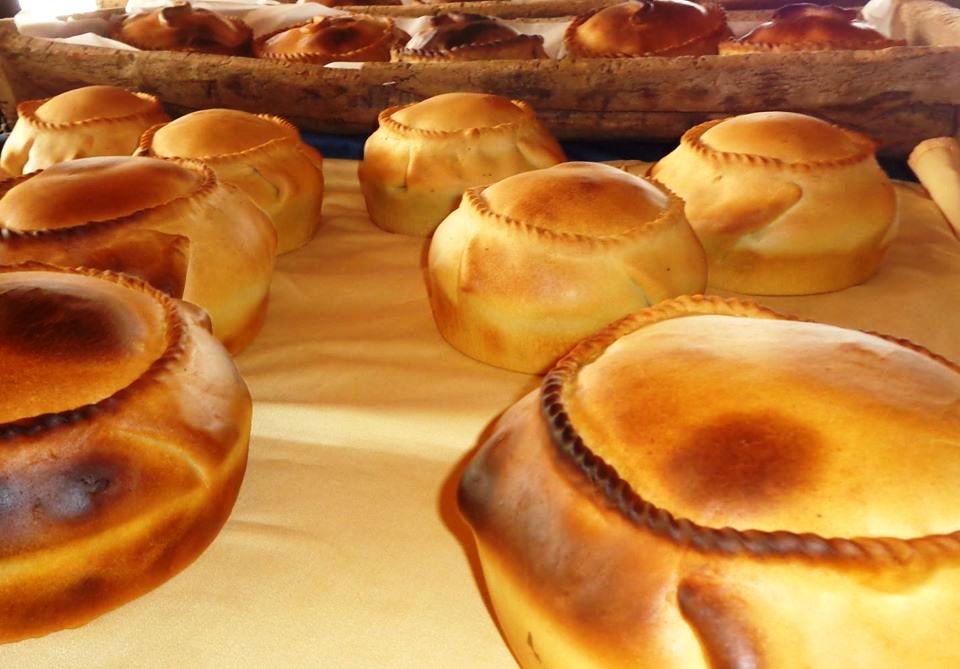
The way of the sa panada is a culinary tour through three villages distant from each other and with different stories, united by the antique art of creating this exquisite dish. In Assemini, Cuglieri e Oschiri (and their territories) you can taste three variants of panadas, the ‘magical filled pie’, each with its own characteristics and made using distinct techniques and recipes, handed down over the centuries by word of mouth in the communities of reference. They have the basic semolina and flour puff pastry in common. The shape is cylindrical, closed on top in the manner of ‘an intertwined cord', a sort of crown obtained by ‘pinching’ and twisting the dough. The sizes differ: the diameter varies from about ten to 30 centimetres, the height varies from five to eight centimetres and the weight varies from a hundred grammes to two kilos. The colour is golden, the aroma is intense and spicy, the consistency is firm and crumbly on the outside and soft on the inside. The meat, fish and vegetable filling vary according to the origin. The taste is savoury and slightly spicy.
Itinerary: 245 km
Road journey time: 3 hrs 18 mins
Guarding enchanting locations
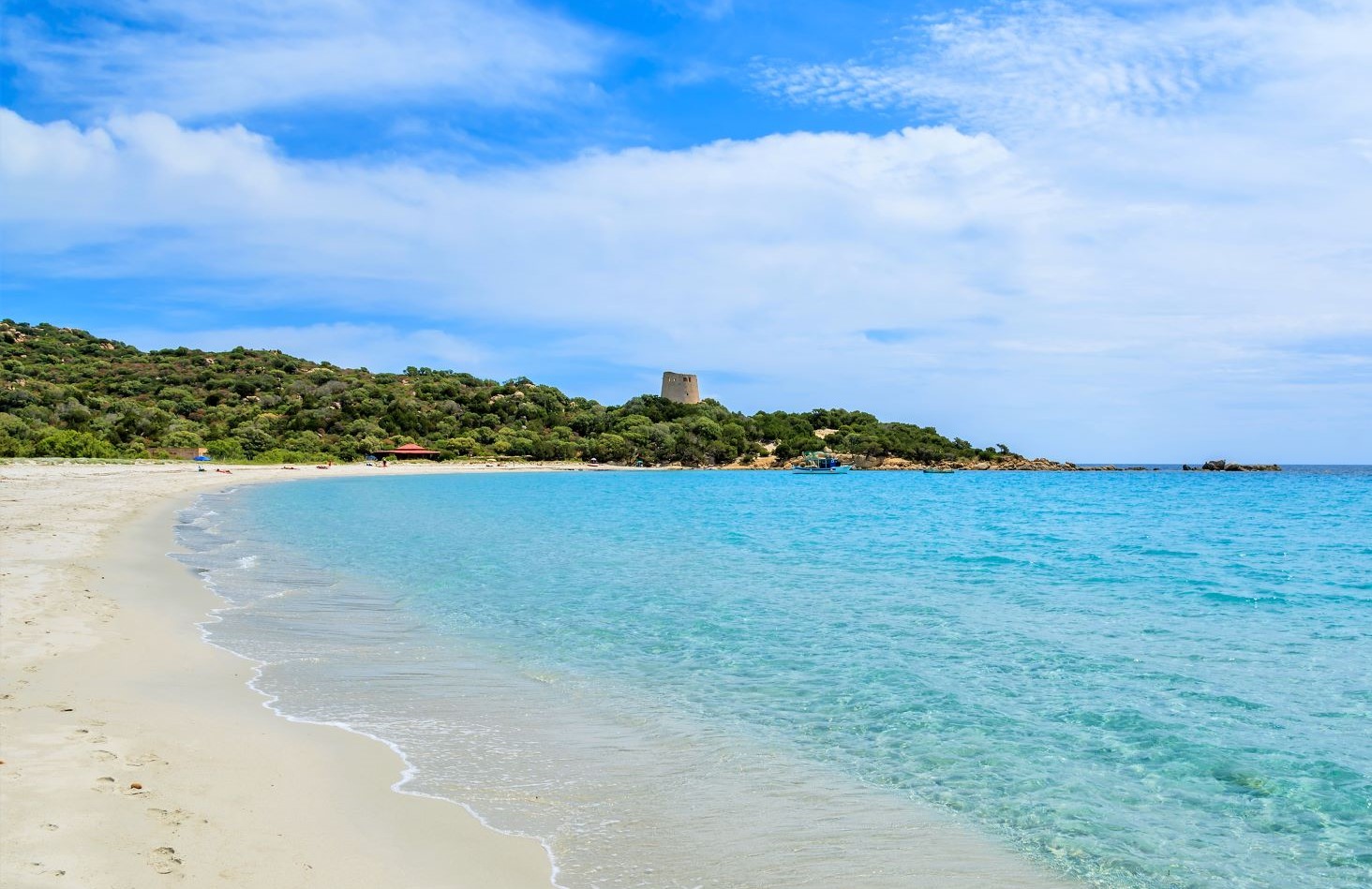
From the coast of Villasimius to the Marina di Tertenia, you can walk across picture postcard beaches and unspoilt coves. These were once the scene of dramatic Saracen raids and tireless, epic defence by soldiers and village populations, thanks also, and above all, to the coastal fortifications. You will often find them still in excellent condition, spectacularly towering over promontories and cliffs, offering unforgettable views every time.
Itinerary: 92.5 km
Journey time: about 19 hours, spread over four days