
Rituals and symbols of traditional weddings
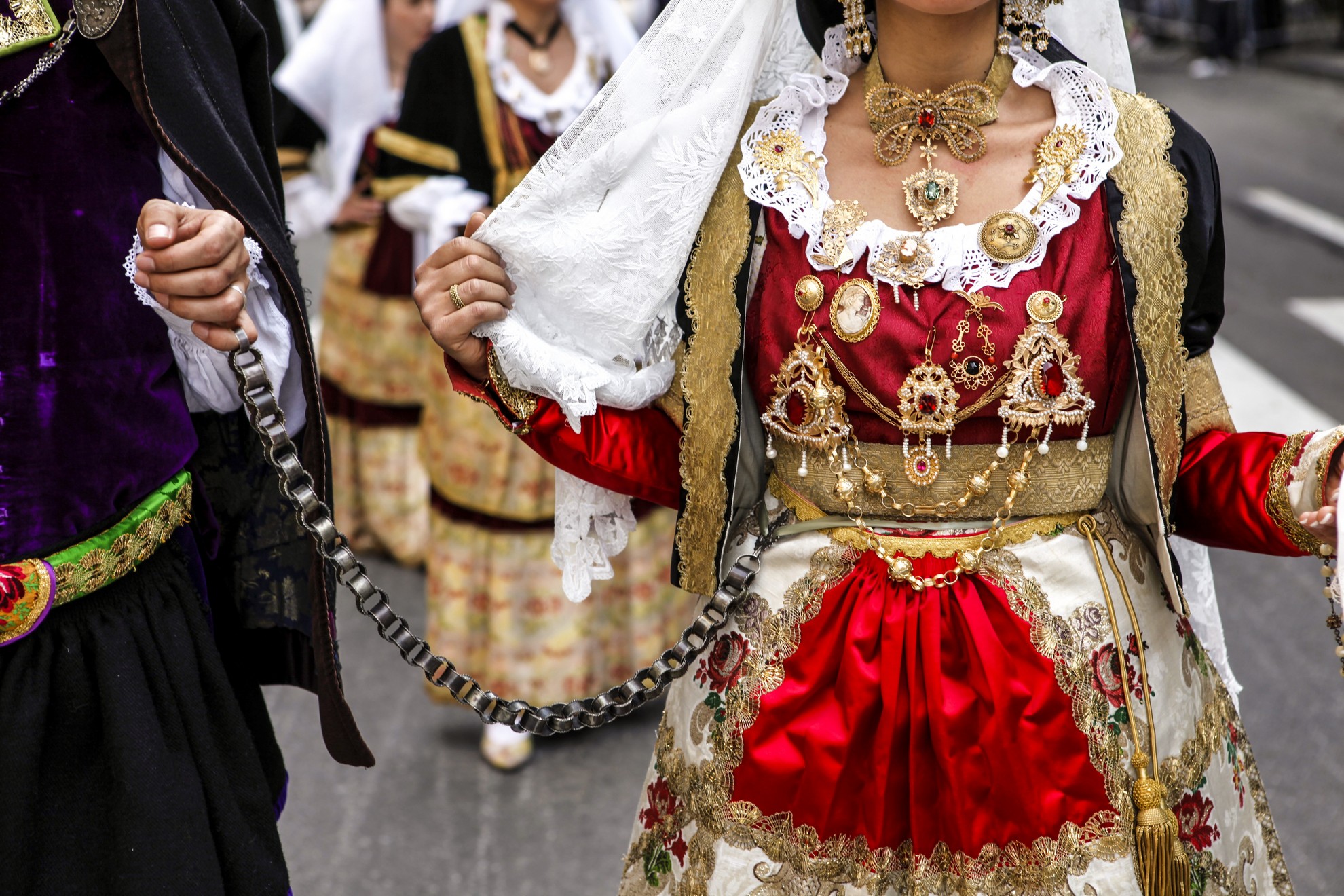
A polyphony of songs, a harmony of sounds and colours, a union of ancestral rituals and symbolic gestures that embody the spirit and knowledge of entire communities, stories of emotions and promises of love, to be preserved and passed on. Traditional Sardinian weddings are an expression of faith and authenticity, marked by ceremonies whose roots are lost in the mists of time. With the advent of Christianity, pagan traditions did not disappear but were reworked into religious practices. The two key elements of fire and water are the bases of ancestral forms of divination. There are also two wedding traditions that characterise the summer: On Sunday 3rd August sa Coia Maurreddina takes place, it's a re-enactment of the historical weddings of Santadi and of the rituals of the agropastoral community in the lower Sulcis. On September 14, comes the 65th edition of the historic wedding traditions of Selargius, the sa Coja Antiga Cerexina, the most historic, faithful and spectacular presentation of historical weddings of the Campidano plain and one of the most famous celebrated events marking the Sardinia identity, a triumph of traditional culture with a lavish ceremony and a folklore festival that welcomes the customs and traditions of all Sardinian communities to Selargius.
Enchanting cliffs sculpted by time
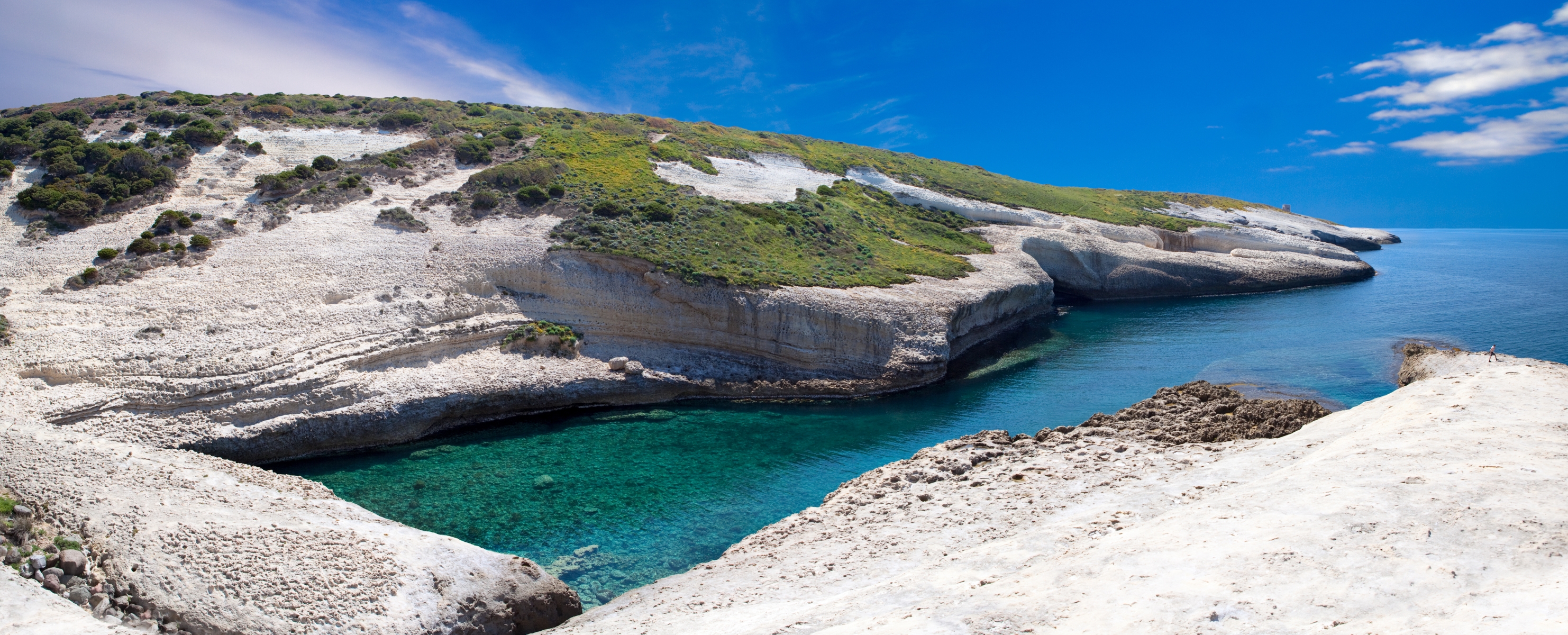
A surprising gallery of ever-changing landscapes. This is what the island's coastline looks like. Expanses of white or golden sand, sometimes sparkling with quartz or tinged with pink. Or stretches of soft virgin dunes. Or deep inlets and stunning cliffs shaped by wind and waves into the most original and bizarre shapes. Cliffs, stacks and tafoni (also known as honeycomb weathering) are veritable artistic installations on the sea, and are accessible natural wonders, easily reached by car, motorbike or bicycle. These striking places don't get very crowded, like the solitary promontories surrounding the island's charming lighthouses and countless coastal towers. There is always a sheltered spot where you can find an exclusive terrace overlooking the sea, an intimate corner to enjoy at your leisure, far from the bustle of the beaches. Take a refreshing dip amidst the light reflecting on the rocks or dive from 'balconies overlooking the sea', surrounded by sheer cliffs, spires and ravines. Peaceful places where you can witness unforgettable sunrises and sunsets while listening to the music of the sea.
Much desired beaches
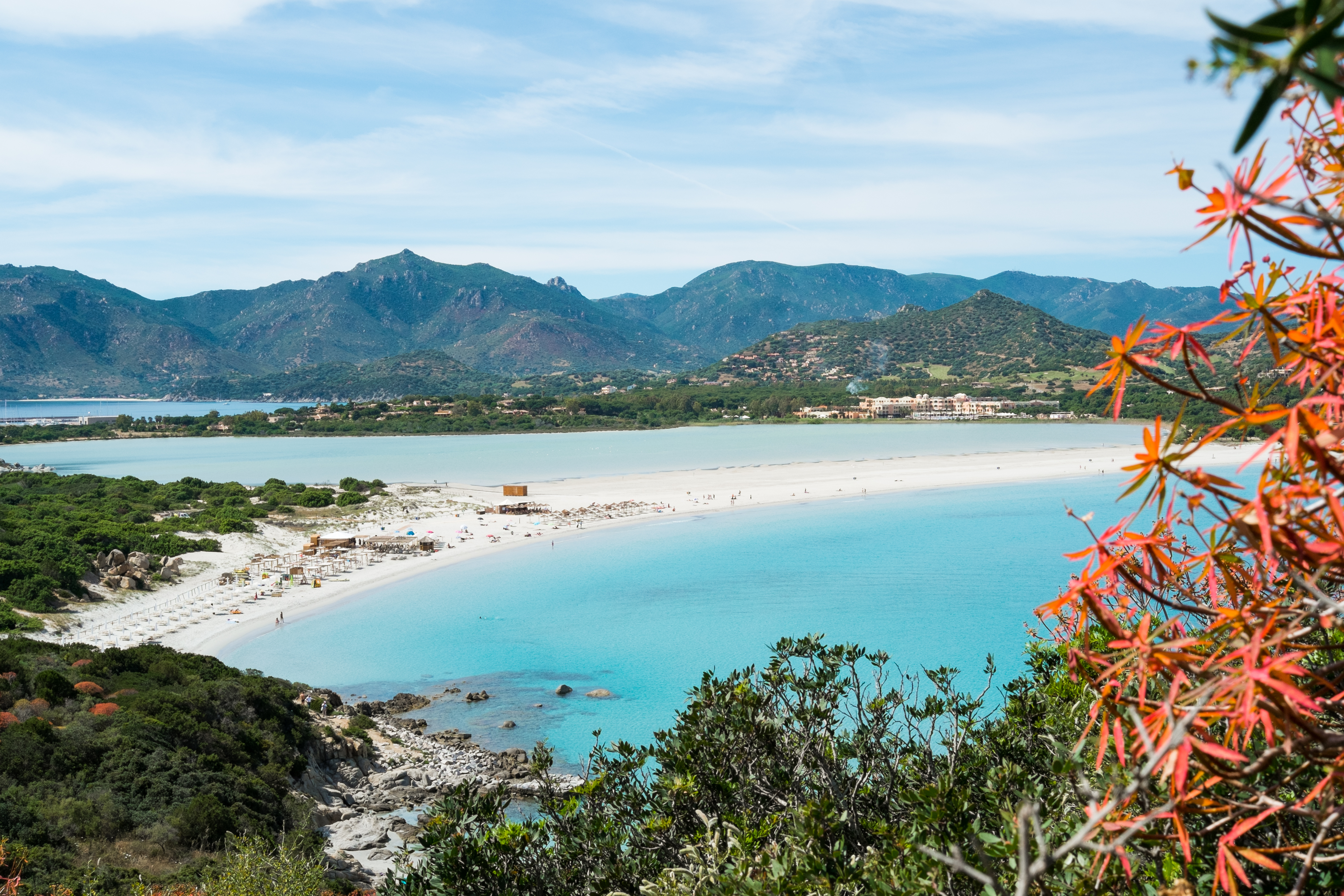
This enchanting bay to the south-east lies between the Marina di San Pietro and the rock formations of Sant’Elmo, at the gates of the long and magnificent coast of Costa Rei. Cala di Monte Turno is one of the pearls of Castiadas, chosen as the most beautiful beach of 2018. Its arch of soft white sand evocatively ‘breaks up’ the play of colours of the blue of the sea, the green vegetation and dark volcanic rock of the hill behind. About 15 kilometres further south, at the extreme south-eastern tip of the island, you will be dazzled by the beauty of Porto Giunco, an unparalleled oasis in the protected marine area of Villasimius-Capo Carbonara. Chosen in 2014 as the first in Sardinia, it placed ‘only’ fifth overall. A masterpiece of nature, where the blue of the sky merges with that of the water, in a palette that seems to have been created by a painter and that has inspired directors and artists as the setting for commercials. In the surrounds, the air is perfumed by eucalyptus and Mediterranean scrub, behind which stretches the Stagno di Notteri, the habitat of pink flamingos creating a unique effect with a strip of white sand in the middle of two blue expanses.
Sardinia, a wine for each territory
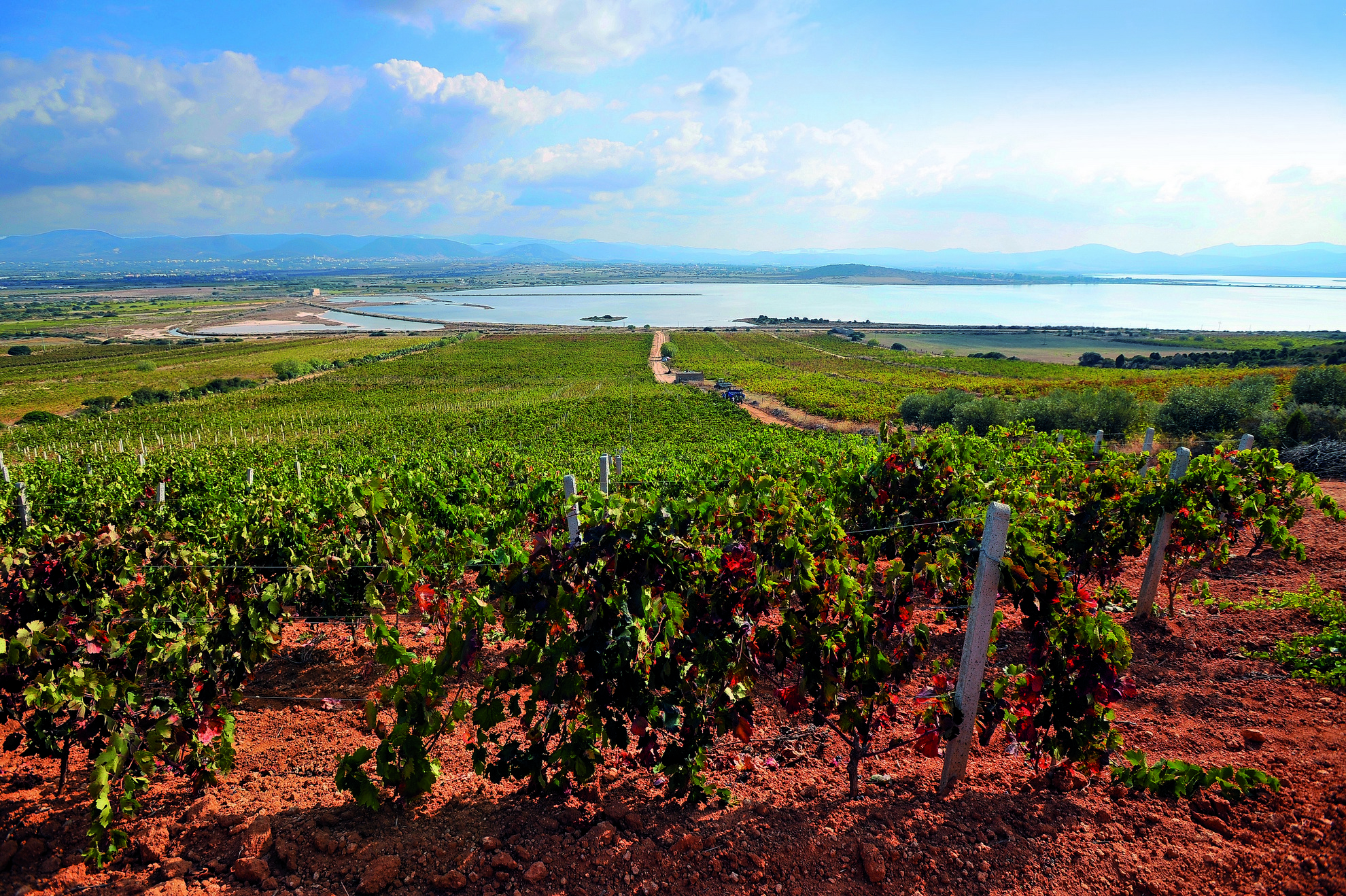
The small drops of dew on the rows of the vineyard, the leaves swaying in the mistral winds, the warmth of the sun on the winery, the granite that presses the grapes, the knowledge handed down from generation to generation, the flavours that evolve in the barrels as time does not pass in vain. This is the Sardinia of wine, at its most authentic. By discovering the Sardinian vines, both the native varieties forming part of an extraordinary ancestral and identifying richness, and the imported varietals that have come to perfectly harmonise with the environment throughout the centuries, you will enjoy a journey exploring the genius loci of a land with traditions that span back through the centuries. Guided by the senses, you will discover the territories through their exceptional wine productions. Such nectars are able to transform tastings into engaging, immersive experiences that generate multisensory emotions and enduring memories. During the winery visits, you will encounter the entire production process, becoming familiar with the identity and quality of the wines, tasting the genuineness and authenticity of the typical products. You will appreciate everything that revolves around it, from walking through the vineyard to wine events, including the Open Cellars in various towns throughout southern Sardinia, the Calici Sotto le Stelle wine festival in Jerzu, within the Ogliastra province, plus new wine festivals, including that of Milis, in the province of Oristano.
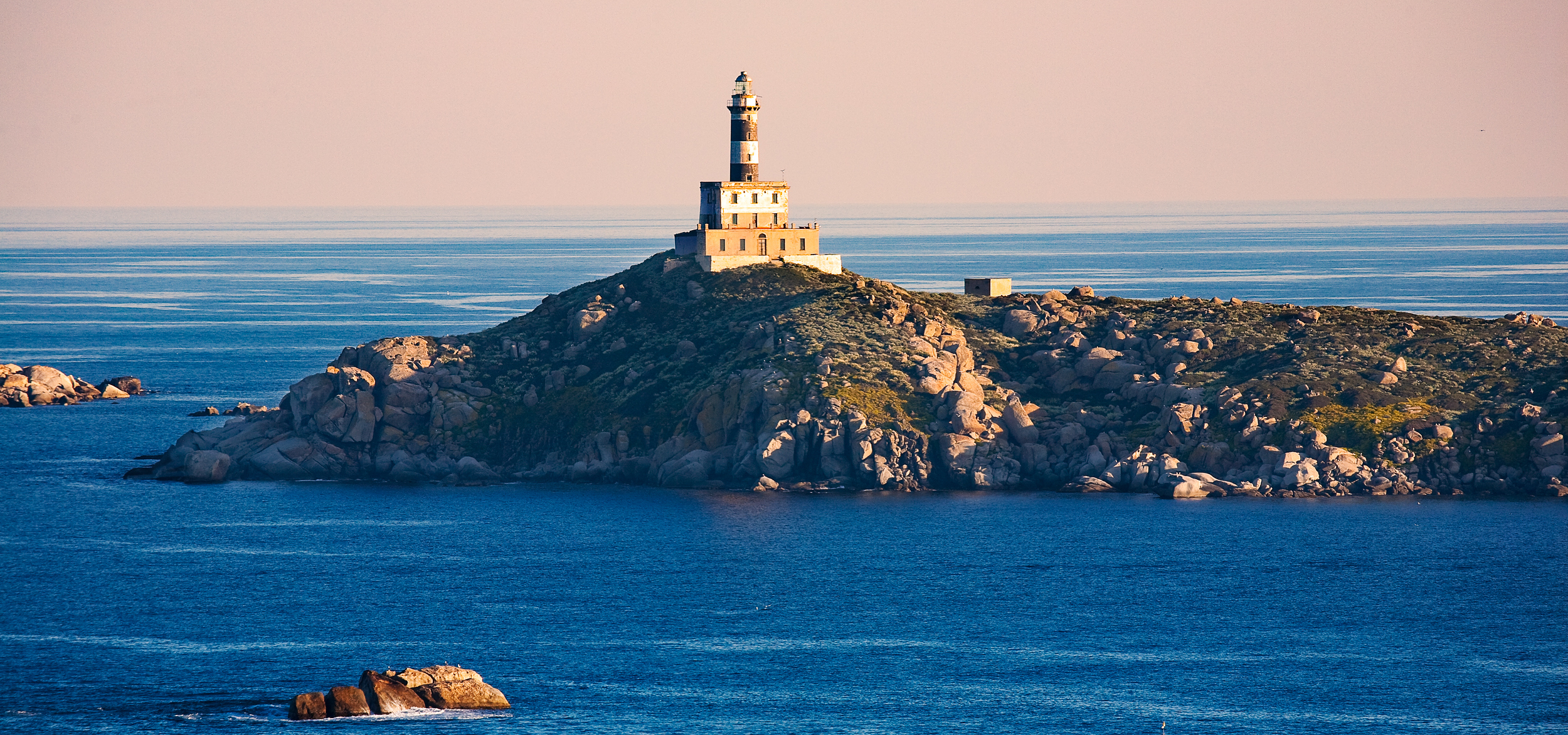
Lighthouse keepers, a story set on the edges of Sardinia
A beam of light keeps night sailors away from the coasts, signalling the last boundary between land and sea. During the day, with the light off, the charm of lost and wild places shines in its stead. Standing on headlands far from everything and on uninhabited islands, the lighthouses of Sardinia are lonely outposts, silent witnesses of the stories of the sea. They watch over bright-coloured waters, where the air smells of salt and Mediterranean scents and the hubbub of waves crashing on the rocks is incessant. They exude the emotions and feelings of the intense lives of their keepers, of yesterday and today. They tell of miraculous rescues and shipwrecks, of boats swallowed by the waves, as in the islet of Mangiabarche (boat-eater), only a short distance from the coast of Calasetta, on the island of Sant'Antioco, named for its reputation among sailors. Nearby, on the island of San Pietro, Capo Sandalo stands on a cliff overlooking the westernmost lighthouse in Italy, built in 1864. From its summit, at the top of 124 spiral steps, it emits four beams of light that reach up to 24 miles away.
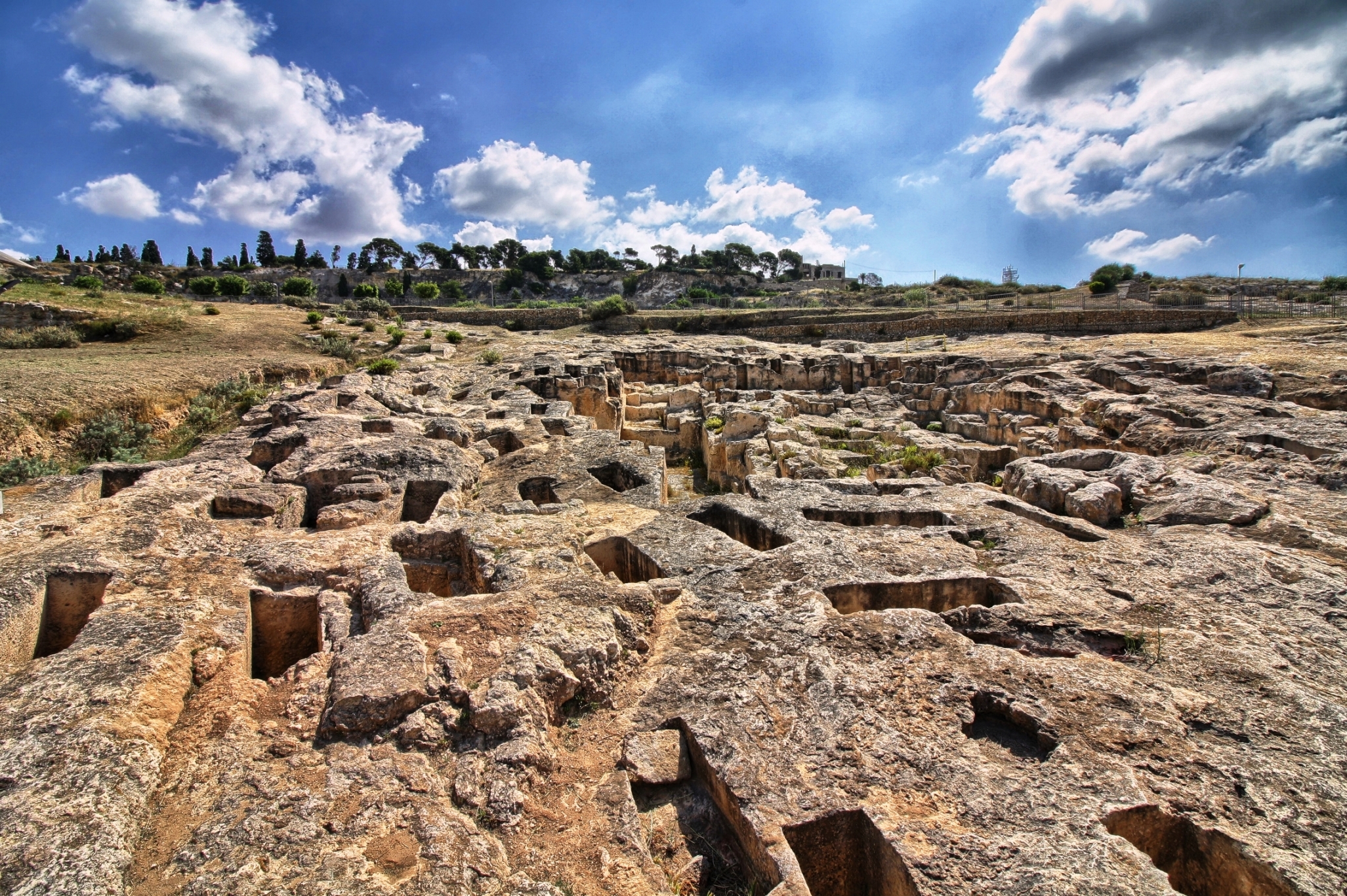
Tuvixeddu
The name comes from tuvu and means ‘little hole’. It is easy to see why: you will be amazed by a myriad of tunnels in the limestone rocks that cover most of the 18 hectares of Tuvixeddu, which together with Tuvumannu - separated by an artificial canyon - is one of the seven hills of Cagliari. The Carthaginians decided to bury their dead here, creating the largest existing Punic necropolis comprised of around a thousand ‘well’ tombs, used from the 6th to 3rd centuries BC and then reused in Roman times. The hill reveals a continuity of use that starts, in reality, from the ancient Neolithic, as documented by flint and obsidian remnants dating from the 6th to 5th millennium BC.
The Punic necropolis served a large inhabited town that extended from the foot of the hill - now the Sant’Avendrace district - to the eastern shore of the Laguna di Santa Gilla. Remain from the ‘city of the living’, moving eastwards, are walls with a ‘shell’ structure and floors where the goddess Tanit appears, the main deity for the Carthaginians. The tophet, the children’s cemetery, was perhaps also located in the same area. In the upper part of Tuvixeddu, thanks to footbridges, one can observe the sepulchral chambers - one or more for each sepulchre - located at the base. These were reachable through vertical wells, three to eleven metres deep, equipped with lateral grooves (footholds) to facilitate descent. The entryway was closed by stone slabs and covered with earth to protect the deceased buried within and the rich grave goods. Placed within were amulets and jewels (gold and silver pendants, necklaces and beetles), decorated ceramic vases and amphorae, ampoules where perfumed essences (‘lacrimatoi’), weapons, cups, oil lamps, painted ostrich eggs, masks, coins, razors, statuettes, the likeness of the god Bes, and bronze tools found in the excavation works are now on display at the National Archaeological Museum in Cagliari. The funerary chambers, in some cases, are finely adorned. The wall paintings, dating from the 4th-3rd centuries BC and almost unique in the Punic world, depict floral elements, such as friezes of lotus flowers and palmettes, gorgons, geometric motifs and red ochre. Standouts include the Tomba del Sid, where the Sardinian-Punic divinity is represented, also present in the Tempio di Antas (in Fluminimaggiore); the Tomba dell'Ureo, embellished by a pictorial frieze with the main figure being the snake Urèo, a winged cobra sacred to the Egyptian religion; and the Tomba del Combattente (the Fighter’s Tomb) with a representation of a warrior hurling a spear. In many others, the goddess Tanit appears. In the Roman Republic and Imperial ages, the necropolis was further enlarged on the slopes overlooking Viale Sant’Avendrace, with tombs characterised by a rich decorative sculptural and painted heritage. The Roman necropolis is composed of tombs, often frescoed, of various types: pit, chamber, incineration, arcosolium (typical of the catacombs), dovecotes and monumental tombs, including the sepulchre of Atilia Pomptilla, built in the 2nd century AD by Lucio Cassio Filippo in honour of his wife. In the decoration are two snakes, the symbol of the genius of Cassio Filippo, from which derives the common name, Grotta della Vipera.
The hill fell victim to much destruction and looting, since 140 AD, when the Roman workers dug a long stretch of aqueduct here, still visible today. Even then, the hill was used as a quarry. After the destruction of the city of Santa Igia in the second half of the 13th century, a number of survivors settled on the slopes of the hill, exploiting the tombs as dwellings. During the bombings of the Second World War, the tombs were again used as air-raid shelters and, following the conflict, became the home of displaced and homeless people. More recently, the urbanisation of the neighbourhood and especially the mining activities have caused the destruction of numerous Punic and Roman tombs. Until the 1980s, the hill was a quarry for cement works. The tunnels excavated revealed Roman aqueducts and countless Carthaginian tombs, many of which had been plundered by grave robbers, whilst others had been destroyed by exploding mines. The bourgeois villas that surround the hill, such as the Art Nouveau mansion of Villa Mulas, bear witness to the residential use of the hill in the 20th century. In 1997, the necropolis was opened to the public for the first time on the occasion of the first edition of Monumenti Aperti (Open Monuments). From 2014, after the hill was recognised as an archaeological and natural park, the necropolis was opened again and can be visited all year round.
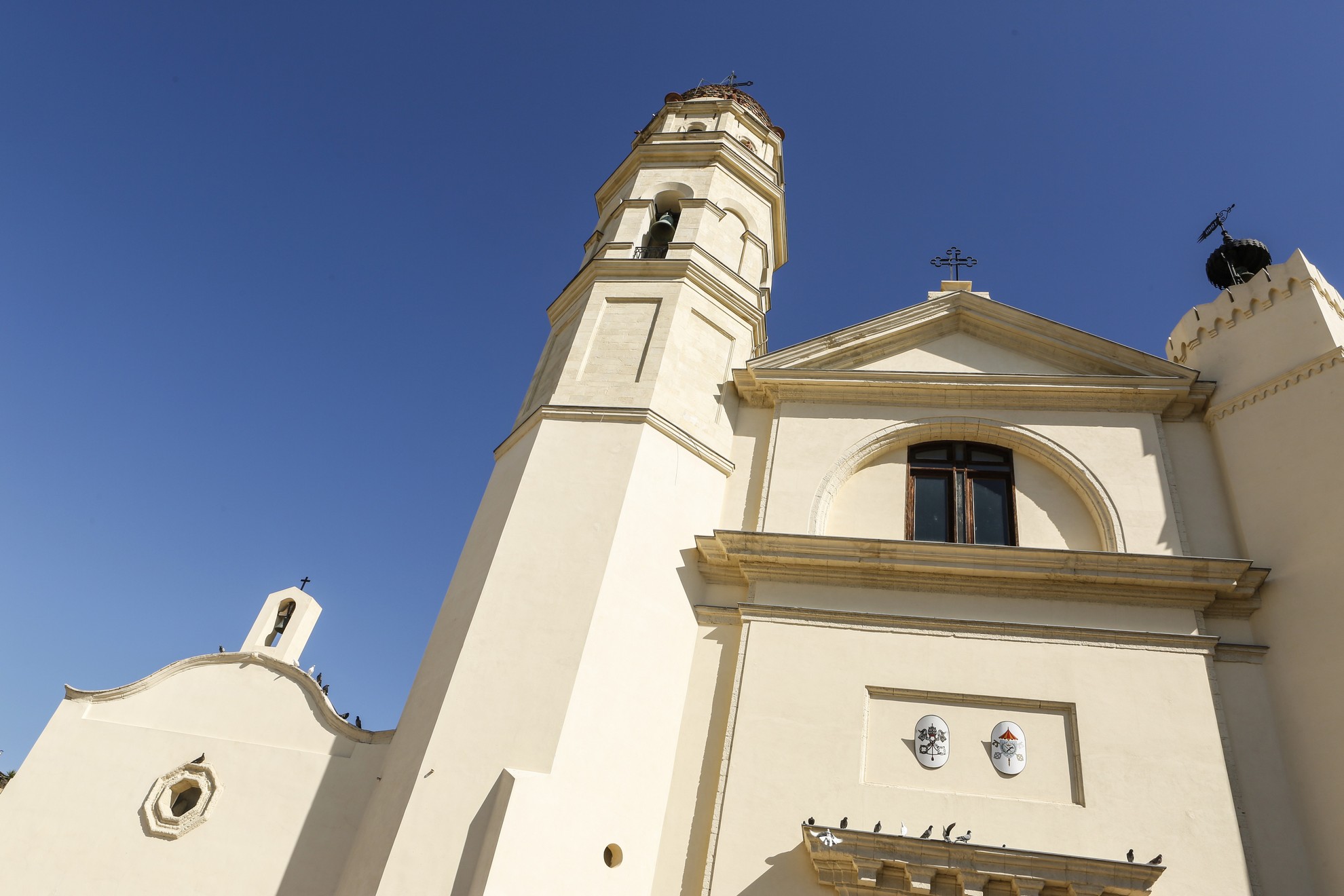
Sant'Elena imperatrice
One of the few completely frescoed Sardinian churches, an architectural monument that is the result of nine centuries of reconstructions and restorations, the last complete one of which was in 1996-99. The parish church of Sant'Elena stands in the historic centre of Quartu Sant'Elena, elevated to the dignity of a minor basilica in 2007 by Pope Benedict XVI. Saint Helena, mother of the emperor Constantine the Great, is the patron saint of the third largest Sardinian city by inhabitants. In 1826, Quarto added its name to the official denomination, which eventually became Quartu Sant'Elena in 1862. The oldest cult building dedicated to the saint was built in the mid-12th century in Romanesque style, and large enough for the needs of Quarto domino, one of the villae from which the current city derived. Between the 15th and 16th centuries, a larger church in Sardinian-Catalan Gothic style was built. Next to the façade there was an octagonal bell-tower, the pride of the city at the time as it was unique in the district of Cagliari.
After various renovations, the church was destroyed by fire in 1775 and reconstruction work ended in 1828. The restoration of the end of the 20th century gave it its current appearance: from the previous church remain the oratory of the Rosary, the bell-tower, the clock tower and two chapels. Today its neoclassical façade stands out in the square named for it, completed by a triangular tympanum and divided into two orders by a springcourse cornice: at the bottom there is a wooden portal, and a glazed window in the upper part. On the right side stands the liberty style tower with the clock, and on the left stands the octagonal bell-tower, tall, slender and domed. The single nave is barrel-vaulted. Three round arches divide the internal harmony into three bays. At the intersection, an airy octagonal dome rises. The presbytery floor is in precious marble, laid at the end of the 20th century, while the rest of the paving is 19th century. The vaults and walls are all frescoed with paintings made almost all in the years 1924-40. The frescoes depict the battle of Ponte Milvio, scenes from the life of Jesus and the Madonna, the Holy Family and St. Helena presenting her son Constantine to the Trinity. Among the sculptures in marble, don't miss a baroque-style pulpit, sculpted by Pietro Pozzo in 1741, an antependium that is the oldest item of furnishing (1684), the two white water stoups at the entrance and, above all, the main altar made with polychrome marbles in baroque style by Giovanni Battista Franco in 1818, modified and expanded in 1907 by Giuseppe Sartorio. Its niche houses the statue of the patron saint, which is carried in a procession during the festival in mid-September. On the right is the 17th century wooden crucifix, and behind is an 18th century wooden choir. There are six chapels, three on each side, all barrel-vaulted and intercommunicating. Those on the left are dedicated to the Assunta, who is depicted asleep (dormitio Virginis), to Saint Joseph and to the Blessed Sacrament, in an area remaining from the previous Gothic church. On the right, in addition to the 'baptism' chapel, are the chapels of Saint Gabriel, which houses a large canvas painted by Bacicia Scano - who did most of the frescoes - and of the Sacred Heart of Jesus with the oldest wooden altar in the church. In the transept are the chapels of the Rosary and the Holy Crucifix, whose altar holds a dying Jesus. Next to the transept there is a large sacristy, which preserves a walnut screen, a white marble washbasin and a 1732 fratino table.
Nostra Signora della neve
In the Middle Ages it was the church of Santa Maria, parish church of Segolay, after the disappearance of the villa of Trexenta; in the nineteenth century it was known, as well as Santa Mariedda (endearment of Mary), also as the church of San Nicola di Bari, according to 19th century historian Vittorio Angius. Nostra Signora della Neve, the oldest church in Senorbì, has almost a thousand years of history, not proven by documents but made up of reconstructions and confusion in the name. It was most likely built in the last quarter of the 13th century in Romanesque style with neatly arranged square sandstone blocks: the original structure appears to have had a semicircular apse and a single nave, covered with wooden trusses. It then underwent various restoration works, including reconstruction of the ceiling and expansion of the nave. A second construction phase is also clear from the use of un-squared and irregularly arranged stones. The present façade incorporates the original Romanesque one, and the division between the old and the new is marked by an ascending series of pointed arches. On the same vertical axis you will see the door and a large belfry, considerably larger than those of the original facade.
The church was parish church of the small village of Segolay, which is recorded since 1215 and located on a modest hill near the current outskirts of Senorbì. The surrounding area shows signs of settlement from the Nuragic Age until the end of the 17th century, through the Giudicato, Pisan, Aragonese and Spanish periods. The area was later incorporated into that of Senorbì, although a part was later claimed by Suelli. The cult of Our Lady of the Snow dates back to the 4th century under the papacy of Pope Liberius. The first temple dedicated to it is the Roman basilica of Santa Maria Maggiore (originally ad nives), from which devotion also spread to the island, where numerous sanctuaries arose in her honour. In Senorbì it is celebrated in early August. It is the most heartfelt festival together with that of Santa Vitalia, to whom the is Cuaddus de santa Vida is dedicated.
The religious framework of Senorbì, the main town of Trexenta, is completed by the parish church of Santa Barbara and the 17th century church of San Sebastiano. Various mansions embellish its historic centre: one 19th century villa hosts the archaeological museum sa Domu nosta. There you can admire remains from the pre-nuragic period, including the small idol of the Mediterranean Mother goddess, found in Turriga; the nuragic period, from the imposing on Nuraxi of Sisini village and from the nuraghes of Simieri and Monte Uda; and especially Punic items found in the settlement on Santu Teru hill (VI-III BC) and the associated necropolis of Monte Luna, consisting of 120 tombs, mostly in "well" form, some decorated. The rich funeral accessories confirm that the Carthaginian center was very flourishing. The area represented the most important town even in Roman times.

Spiaggia del Riso
It owes its name to the composition of its sand, formed by brilliant white grains of granite quartz, pebbles smoothed by the sea, that really do look like white grains of rice: a peculiarity that has made it one of the most famous beaches of southern Sardinia, even if the number of quartz pebbles is slowly dwindling. Riso beach is one of the pearls of the marine area of Capo Carbonara, a natural curve set between the large sandy beach of Campulongu and the modern tourist port of Villasimius, reachable from Viale degli Olenadri. The bright white grains give the stretch of coast an immaculate appearance, enveloped by the embrace of the surrounding green hills. The 'grains of rice' sink into the crystalline sea, with a shallow and sandy bottom, with water in shades of emerald green and blue. Here and there rocks emerge from the water, creating the feel of a lunar landscape, especially as the sun goes down. A wide range of services are available on the beach and nearby: bathing equipment rental, restaurants and accommodation facilities.
The whole coast of Villasimius, the pearl of southern Sardinia, is formed by a 'crown' of beaches, interspersed with cliffs. Coming from Cagliari, before the beach of Riso and Campulongu, along the coast (provincial road 17) you will come across two other beautiful sandy stretches of the marine area, those of Porto sa Ruxi and Campus. Beyond the port is the beach of the old Fortress, followed by the promontory of Capo Carbonara, where the splendid bay of Cala Caterina lies. Beyond the head, surmounted by a Spanish tower, you can look onto an earthly paradise: the beach of Cala Giunco (which at the north end becomes Timi Ama) backed by the pond of Notteri, home to pink flamingos, forming a white strip of soft sand between two blue expanses. Going north along the east coast, you will find the beaches of Simius and Traias, and further on Rio Trottu and Manunzas, which accompany the wonderful Punta Molentis. From Capo Boi to the island of Serpentara, passing through the island of Cavoli and through various shallows, the marine area offers underwater spectacles including wrecks of every era lying on the bottom.

Flavours of bread
The same thing always comes to mind: Sardinia is like a small continent. Everything changes from place to place, even bread, the simplest food in the world, is always different here. The most famous is carasau, the music paper with large, round, very thin discs that seem to make musical sounds. They make it in Barbagia but even there it is not always the same: in Ollolai it is called pane 'ine with smaller sheets, in Orani it is softer and folded on itself and becomes pane lentu or modde, in Mamoiada the dough is made with potatoes.
Ogliastra, on the other hand, is home to the smaller, thicker rectangular sheets of pistoccu, the bread favoured by shepherds for its freshness even months and months after its double baking. The huge loaves of civraxiu of Sanluri, which in some villages are smaller and become su moddixi or moddizzosu, are best enjoyed fresh from the oven. The large, puffy loaves are popular on the island, a bread that you will find under the name of pane tundu in Thiesi, while in Logudoro it is thinner, long and perforated, called pane segadu, i.e. cut. Its variants in shape and size are sa loriga in the shape of a ring, typical in Villaurbana, and sa moddighina in Tramatza. And then there are the spianate (flat breads): the most famous is that of Ozieri, with its inevitable variations, while in Busachi and Bonorva it is called su zichi, and in Logudoro sa fresa.