wine-making tools and grape seeds closely linked to Nuragic architecture
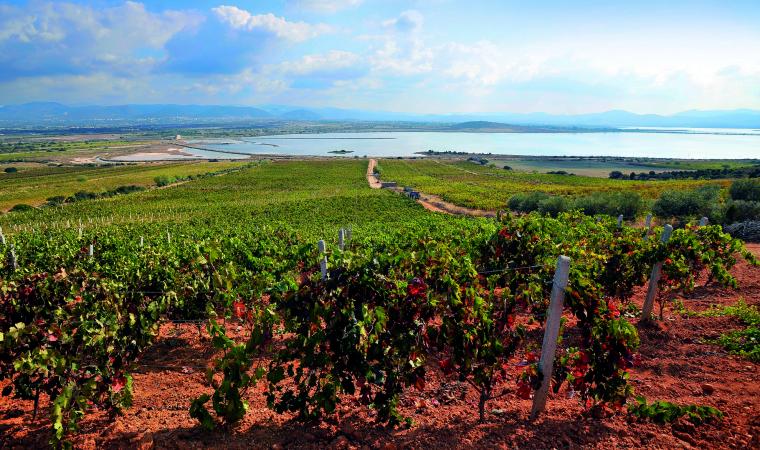
The Monte Zara press is irrefutable proof of this and other indications already supported the theory. The Nuragic well of Sa Osa (15th century BC), in Cabras, was a natural ‘refrigerator’ of Vernaccia and Malvasia grape seeds. The vine seeds are identical in the archaeological layers between 1400 and 800 BC: from this, we can ascertain that the Nuragic people cultivated the same grape varieties for 600 years. Charred grapes were found in the villages of Nuraghe Adoni in Villanovatulo (12th century BC) and Nuraghe Genna Maria in Villanovaforru and in the settlement of Duos Nuraghes in Borore (14th century BC). Pollens of vitis vinifera vinifera were recovered in a hut in the Bau Nuraxi in Triei (11th century BC), along with a jug and a bronze bowl, which were often linked to wine. The Sardinian pots dating back to the Early and Late Bronze Ages - dishes, jugs and ladles -can all be associated to ceremonial rituals and drinks. The Mycenaean pots imported to Sardinia, rhyton and kantharos, are also proof that wine was consumed, just like a goblet of Euboic origin documented in the Sant'Imbenia Nuraghe, in the park of Porto Conte (Alghero). Not only was the wine produced and drunk, but it was also exported: off the coast of Malta, wine amphorae were discovered in the remains of an old ship. These were typical ceramic items produced on the Island, unequivocal signs that they were Sardinian, and were already being used for trade with the Eastern Mediterranean in the 11th century BC.