
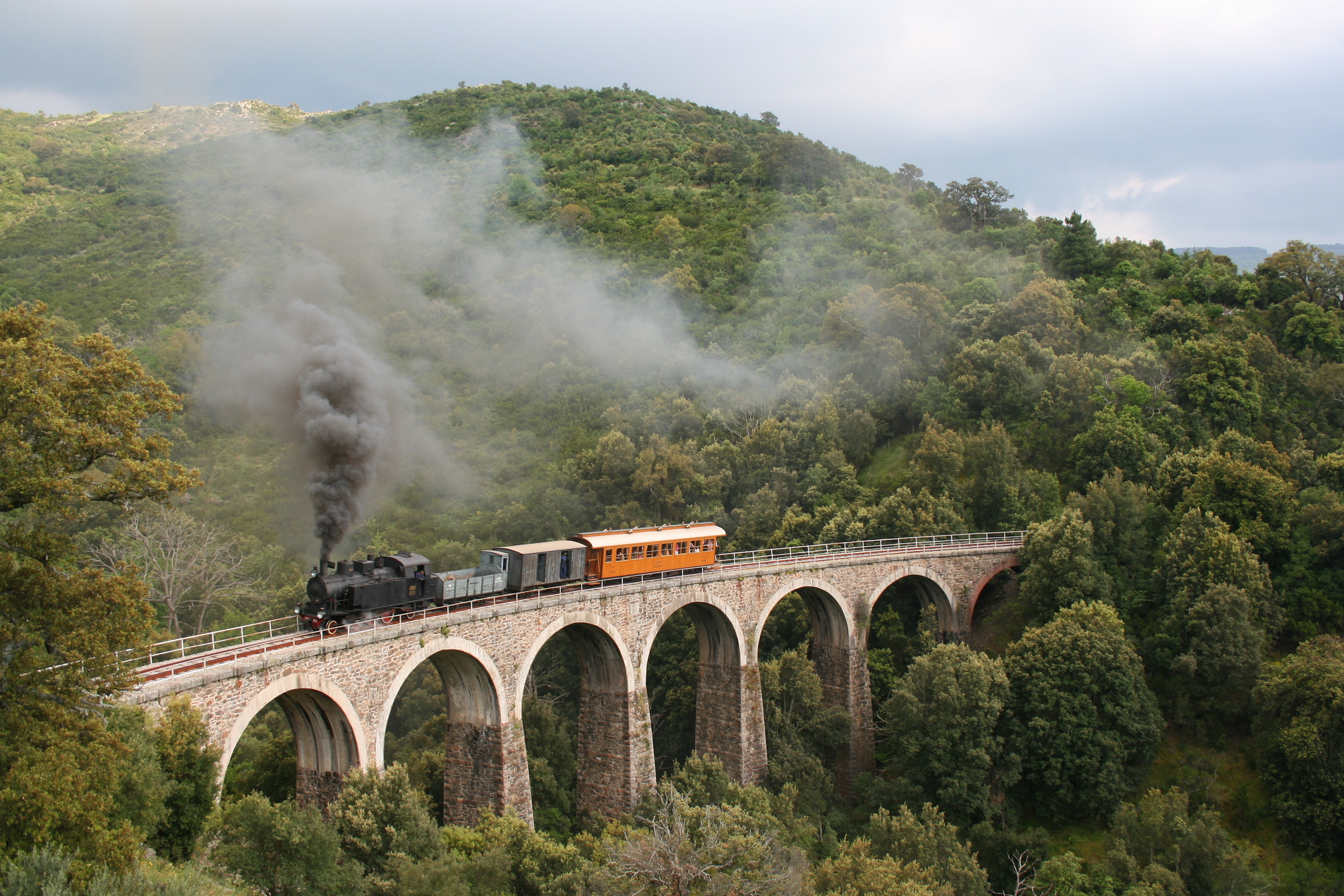
Great beauty travels on the Green train
“After a long pull, we come to a station after a stretch of loneliness. Each time, it looks as if there were nothing beyond — no more habitations. And each time we come to a station.” This is the poetic description, aboard the locomotive that is today the Trenino Verde (Green Train) of Sea and Sardinia, the project dedicated by David Herbert Lawrence on his 1921 voyage to Sardinia. Following in his footsteps a century later, travellers from all over the world are attracted to this unique railway line, derived from the ‘old components’, designed and constructed between the late 19th and early-20th centuries. An Italian excellence, a unique experience comprised of four trails currently totalling 163 kilometres. The lines, never abandoned, have been preserved and protected, connecting the coasts and hinterland - and crossing bridges and tunnels -, integrating such with excursions to the lakes by boat, trekking, cycling and horse riding.
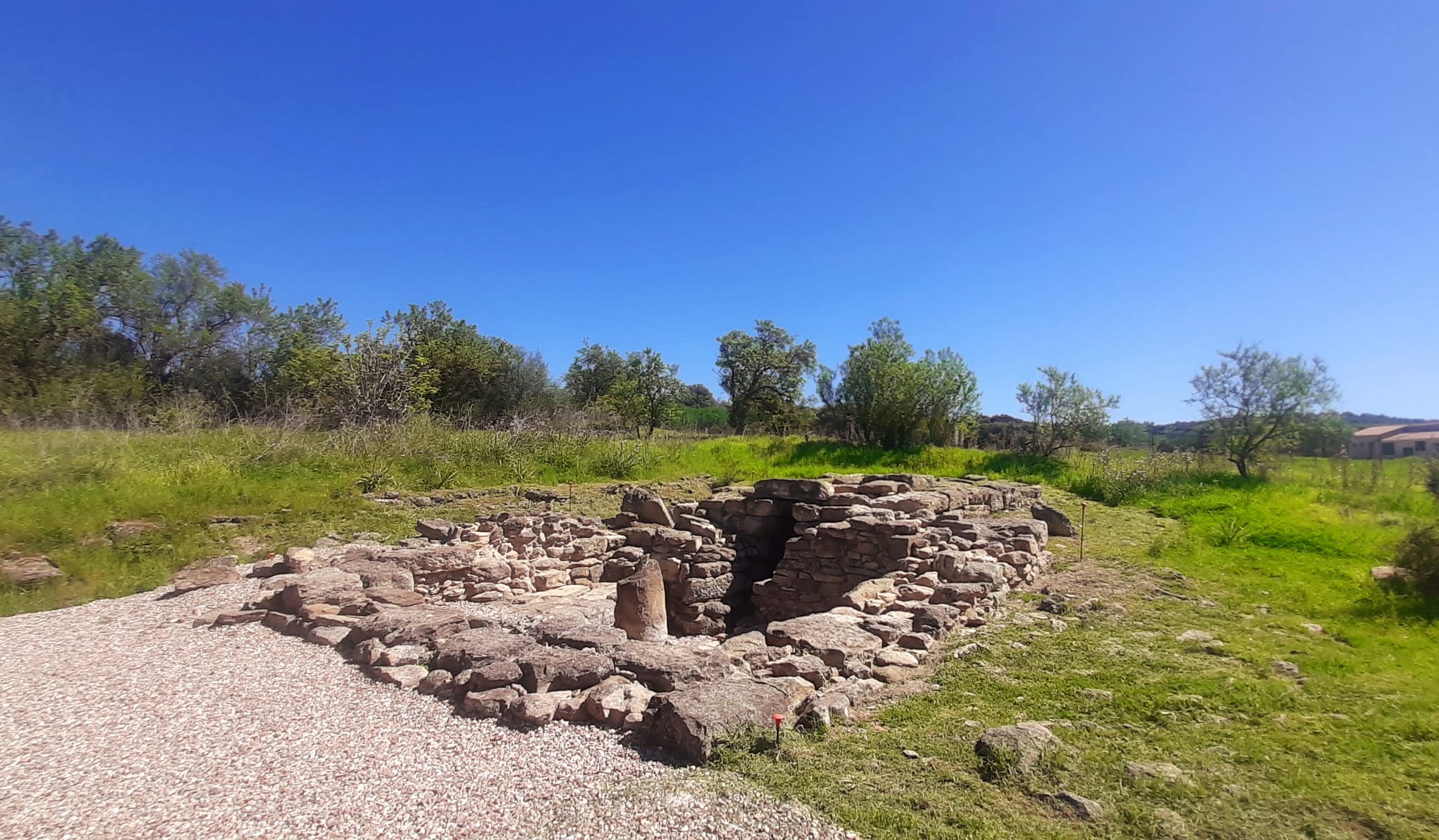
Sacred Well of San Salvatore - Gonnosnò
An aura of spirituality has surrounded it for thousands of years, from the Nuragic era through the Punic period, up to the Middle Ages. In fact, it gets its name from a church, which has now disappeared, that probably stood next to it. The sacred well of San Salvatore is located on top of a hill to the south of Figu, a hamlet of Gonnosnò. Excavations have shown that the area was intensely frequented for a long time for religious and funeral purposes. The first structure dates back to the Recent and Final Bronze Age, between the 13th and 11th centuries BC, and it consists of a rectangular, paved atrium, from which you can enter the stairwell, through a trapezoidal entrance. From here, a staircase of about 4 metres will take you to the room, partially carved into the rock, with a sub-circular layout and a tholos roof.
The material used to build the well is marl, easily found in the surrounding area. The blocks are evenly squared, hammered and arranged in staggered rows. You will notice some unusual elements in the atrium: the paving made of tuff pebbles, a baetyl and a lithic cist. This is what remains of its ‘restructuring’ for religious purposes carried out in the Punic period, perhaps around the 3rd century BC. In the northern part of the area where the excavations took place, traces of masonry have emerged: they are thought to belong to the Church of San Salvatore, of which only the name of the place had remained until now. The outline of the exposed masonry parts would seem to suggest that an apse-shaped building existed in the past. A large necropolis has emerged in the surroundings, where about ten tombs of people who died at a young age have been investigated. The objects found in the necropolis date back to a period between the 12th and 15th centuries AD.
After visiting the well, you can also explore another fascinating piece of Nuragic evidence, just 700 metres from the well. This is the necropolis of Is Lapideddas, consisting of four Giants’ Tombs, one of which is curiously smaller than the others, also built using squared blocks of marl. Tomb 3 is the best preserved: you will see a large burial chamber with a paved floor, several rows of the walls and part of the east wing of the exedra. The excavations also unearthed older and different types of tombs: six burial pits, perhaps dating back to the culture of Monte Claro, testifying that the area was already used for funeral purposes in the pre-Nuragic era.

Green Flags, Sardinia's child-friendly beaches
Almost unreal colours and transparencies, soft, white sand, sometimes accompanied by pebbles and multicoloured grains, rocks and cliffs sculpted by nature into curious shapes, dunes, pine forests and lagoons as backdrops. These are the characteristics that enchant all those who frequent Sardinian beaches, to which we can also add a factor that is fundamental for many: safety and availability of services for families with children. Almost three thousand Italian and foreign paediatricians consider Sardinia to be on the podium of the regions with the highest number of family-friendly beaches, which have continued to receive the Green Flag award every year. For 16 years now, evidence of increasing attention to the needs and requirements of visitors has been ‘scattered’ across every corner of the Island.
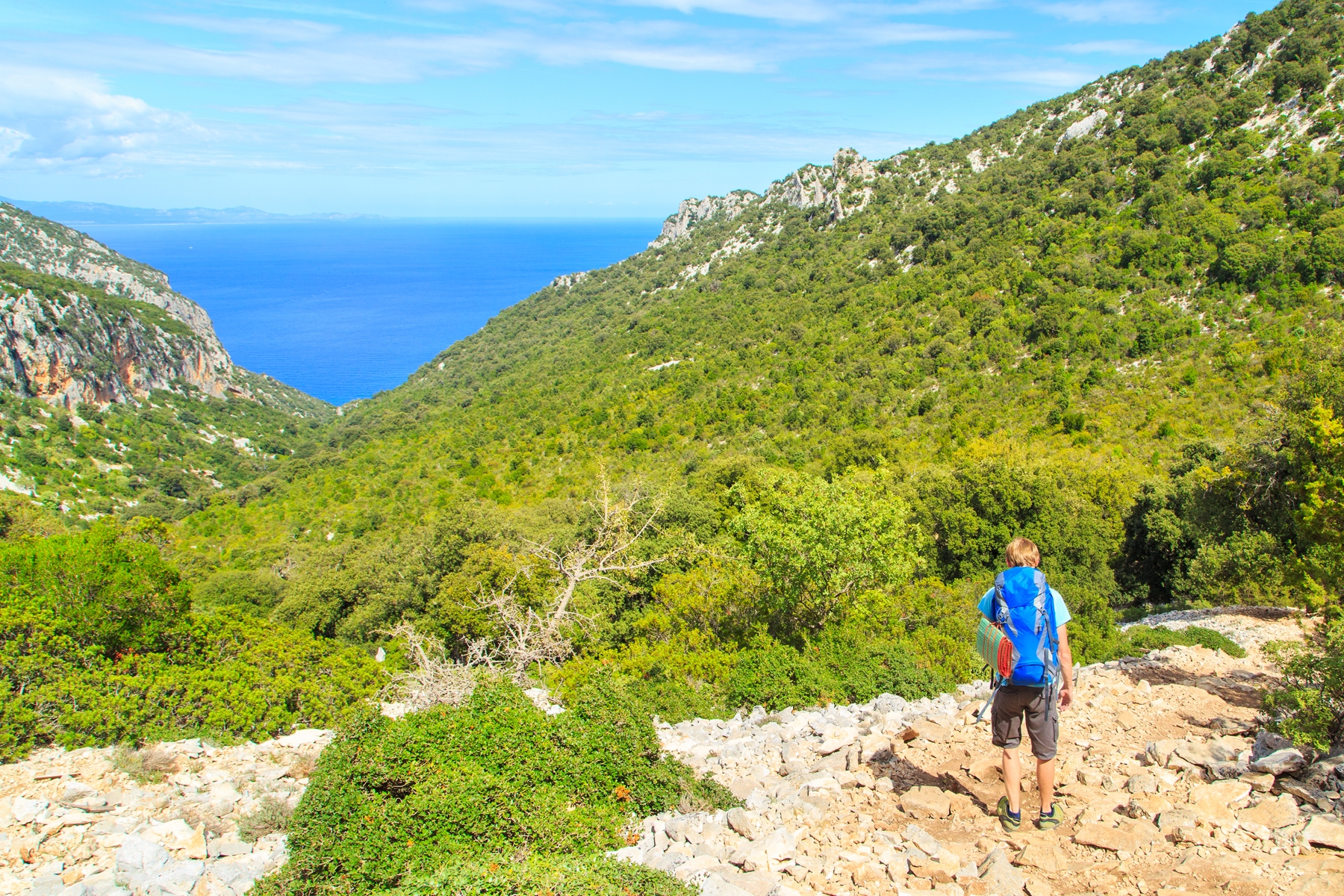
From Supramonte to the sea
Tropical landscapes only seen in films, fairy-tale scenery, out of reach and typical of postcards or photographs: in reality they do exist and they are also incredibly near - you can find them in Sardinia, the most extraordinary island in the Mediterranean. Its nature is unspoilt and wild - a combination of the strength and splendour of the sea and the energy of the rugged mountain scenery. If you want to experience them up close, there is the Supramonte mountain range in the Ogliastra area, a dreamlike itinerary, overlooking the sea with cliffs, coves and beaches that visitors have elected the most beautiful in the world. It means diving into the waters of wonderful coves and experiencing mysticism and contemplation.
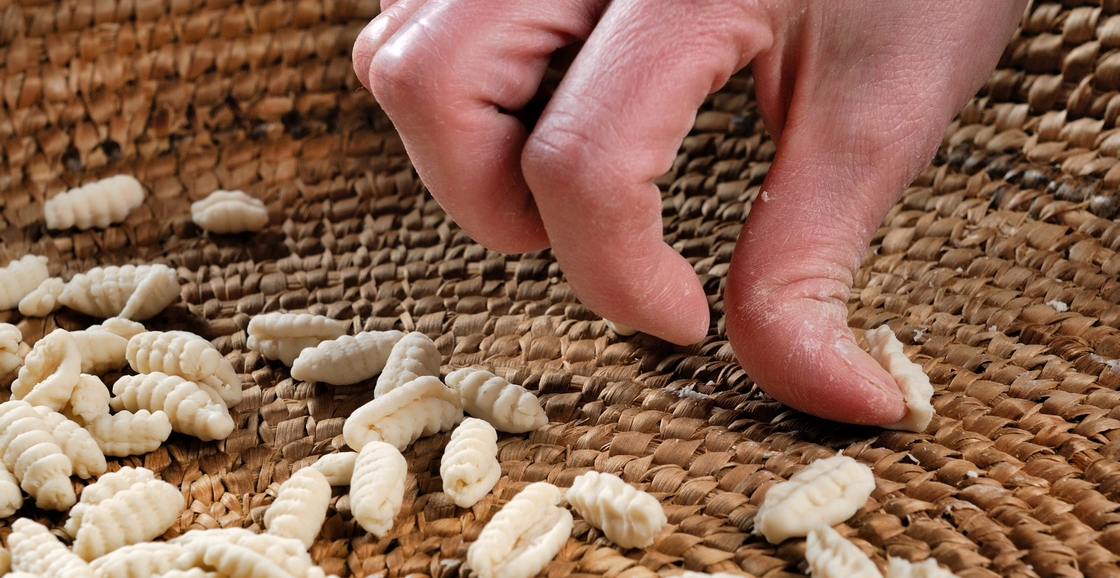
Slow food & slow life
The extremely high concentration of long-living people, especially in certain areas of Sardinia, has attracted the attention of the international scientific community. Research carried out by various scholars tends to demonstrate the correlation between lifestyles, diet and longevity: along with genetic predisposition, the combination of environmental, anthropological and cultural factors that characterize Sardinia are the key to ‘successful aging’. People live better and longer on the Island, compared to the Italian and European average. It is no coincidence that the territory of Ogliastra is one of the world's five 'blue zones', areas in which the percentage of centenarians and ninety-year-olds in good health and still active is higher than in the bordering territories.
Costa Verde
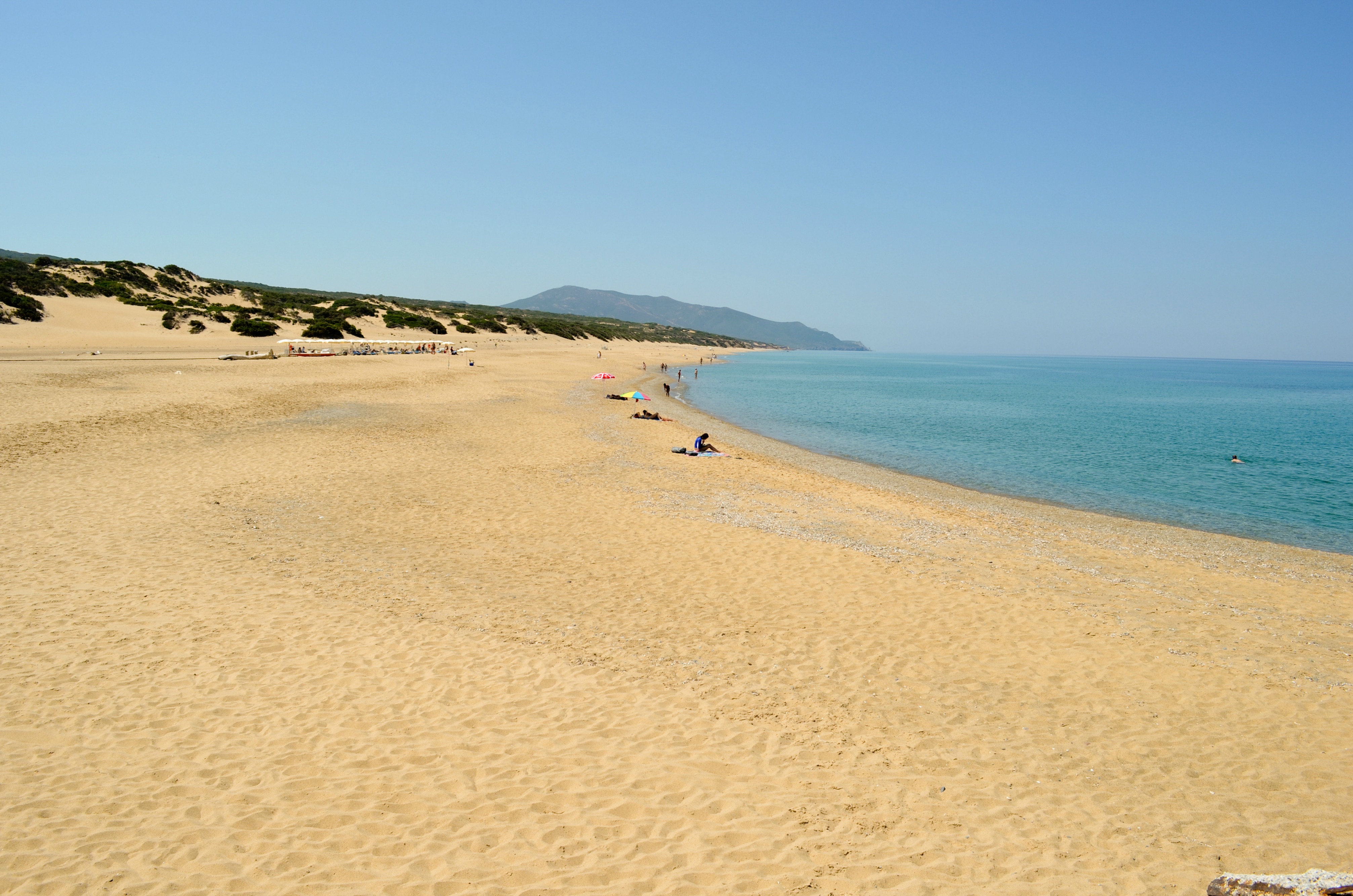
Costa Verde is a togetherness of vast beaches and dramatic cliffs; high dunes and sand deserts which penetrate for more than a kilometre and go down to the sea, where every morning you can meet the Sardinian deer. In the background a green Mediterranean landscape sculpted by the force of the wind that bends juniper trees to the ground. The charm of these places combined with simple hospitality; those who choose the Costa Verde know about it and do not come here by accident. Whoever dislikes organized entertainment, beach resorts and facilities, will find a spontaneous, easy-going welcome in the small family-run farmhouses and B & Bs where you can enjoy the original Sardinian lifestyle.
In spring the Costa Verde also becomes a paradise for surfers who will find the best waves to ride here; the summer lull offers an atmosphere of rare beauty, long days on the beach and postcard sunsets, among the most fascinating on the Mediterranean. This Costa is so pristine and isolated, that the loggerhead turtle lay their eggs along the Piscinas and Scivu beaches, the heart of the Costa Verde.
But the Costa is not just sea, silence and nature, but a living testimony to the extreme fatigue of the miners through the industrial archaeological monuments.
From the mines to the sea; the tracks along which the coal trucks ran from the mines of Buggerru, Montevecchio and Ingurtosu, terminate at Porto Flavia. Now they're the ruins of mines and abandoned villages, palaces and galleries that tell stories of men and fatigue, a stone's throw from the sea.
Gennargentu
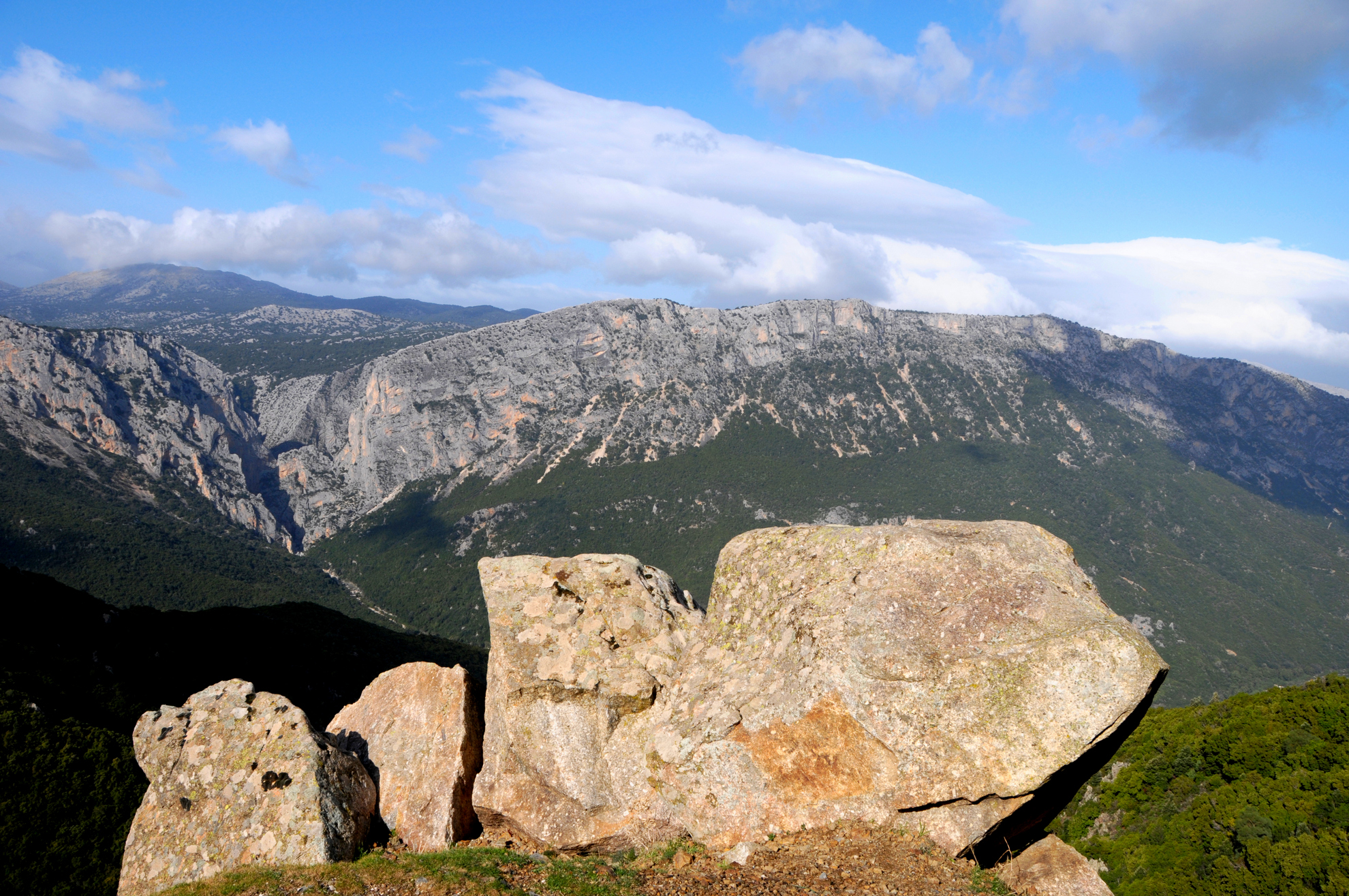
There is a massive mountain range at the centre of Sardinia, one covered in ages-old trees, the habitat of the royal eagle and the mouflon. The Gennargentu is a triumph of nature in a wild and pristine area. In spring its prairies are graced with colourful sa rosa ‘e monte, or peonies, which in Antiquity were the only flowers to bloom on Mt. Olympus. And when the many bushes of thyme begin to bloom just before summer, the air is filled with their intense fragrance. Many trails lead hikers to magnificent panoramas: go to punta La Marmora, Sardinia’s highest summit at 1834m. The Gennargentu is a fairytale land in winter, when the snow whitens the peaks and everything seems to come to a halt. Go to Fonni and catch the ski lift to the slopes of Mt Bruncu Spina and Spada.
If you really want to get to know Sardinia, then explore its villages, small gems set in the mountains, surrounded by the island’s oldest woods, sample the cuisine and experience the traditions, allow yourself to be welcomed by the locals. The warmth of their hospitality will linger in your heart. The products made in the mountains are blessed with an inimitable flavour. In Desulo it’s the chestnuts, hams and famous carapigna, a shaven ice snack that was once made with the snow preserved in the mountains. In Tonara try the delicious torrone (nougat) made with local hazelnuts, almonds, walnuts and honey. The ancient culture of these places is echoed in their traditions. Some of the older women still wear the brightly coloured garments of the past, and young women are adorned with precious jewellery, like the Sardinian wedding ring, passed along over generations. Young men test their manhood by participating in s’istrumpa, the Sardinian version of Greco-Roman wrestling that made the town of Ollolai famous, and sometimes they battle wits with improvised poetry accompanied by a choir of Tenores singers. The body of poetry that tells of the spirit of the Gennargentu is vast, but two Sardinian poets stand out above the rest: Antioco Giuseppe Casula, better known as Montanaru, from Desulo and Peppino Mereu from Tonara, who wrote numerous poems that were then set to music in such popular songs as Nanneddu Meu, su Testamentu and Galusè, a tribute to the essence of these places, to the purity of the water.
Golfo Aranci
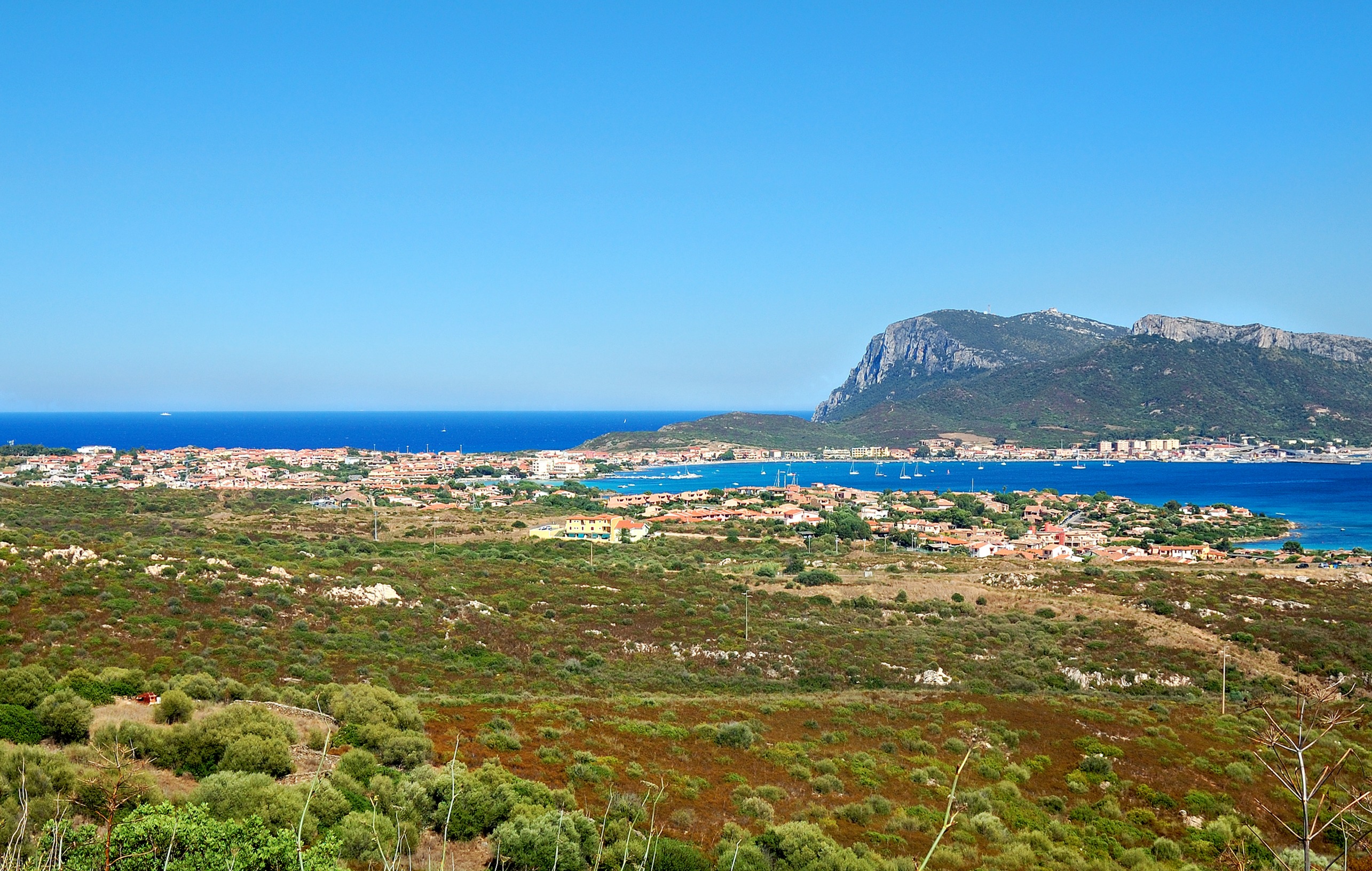
The name is a mistaken interpretation made by the cartographers in the middle of the 20th century: Gulfu di li Ranci, meaning 'gulf of the crabs', became Golfo Aranci, meaning Gulf of Oranges. Or it may come from one of the numerous coastal 'gems', namely the beach of Sos Aranzos. The village extends along a strip of land in the sea, overlooking the gulf of Olbia, that ends at the base of Capo Figari, ideal for diving - especially the Mamuthone Rock and Capo Filasca - and trekking inside a natural oasis, the habitat of mouflons and rare birds, that includes the little island of Figarolo facing it. Up above the promontory, there are wartime fortifications and a lighthouse, the ‘Naval Semaphore', famous for Guglielmo Marconi's experiments (1932). In honour of the brilliant inventor, a granite sculpture, the Column of Light, was built in the village. The area was inhabited in the Nuragic period, as is confirmed by the sacred well of Milis (7th - 6th BC), and it later became a Roman port. From the beginning of the 20th century it was a freight hub and, from the 1960s, the second port of access from the sea to Gallura. The residential area, originally a fishing village, became a Municipality in 1979 and had a population of two thousand 500 inhabitants. Tourism developed considerably here, due to its location close to the Costa Smeralda to the north and the marine area of Tavolara to the south. You can admire a village with colourful little houses, taste the Golfo Aranci cuisine with its seafood specialities and typical Sardinian dishes and you can do some shopping on the lively promenade in the village centre, where the Parish Church of San Giuseppe stands out and is a destination for worshippers of Padre Pio. The patron saint is celebrated in mid-March. The most heart-felt festivity, on 15 August (Ferragosto), is the Assumption of Mary, linked to the fish festival.
Trips via sea or on land along trails lead you to spectacular coves with heavenly beaches and sheer cliffs overlooking the crystal clear turquoise waters. There are over twenty beaches, some of which are wild and others comfortable and well-equipped, like the Cinque Spiagge (Five Beaches), little havens of fine, white sand facing the village, one following the other. Moving towards Olbia you will find the Spiaggia Bianca (White Beach), with fine sand alternated with rocks, the lovely Cala Sassari, the fabulous stretch of Nodu Pianu, separated by a small path from the wild beauty of Cala Banana, the heavenly Baia Caddinas, the fine sandy coves of Terrata, the little beaches of Baia de Bahas, the little sheltered pools and the beach of the Baracconi (little shepherds' and fishermen's huts). Not far from Porto Rotondo there is the beach of Marinella, one kilometre of gentle mounds of soft sand, smooth rocks and an emerald green sea. Around Capo Figari, you will find the fine, golden sandy little beaches of Cala Moresca, the protected reserve of Cala Greca, a beach of pink pebbles hidden by cliffs, the delightful Cala del Sonno, where the fishermen take shelter, and Cala Sabina, a sandy shore with a Caribbean appearance, which you can get to by train, which runs along the promontory. Set in the depths off the shore of the third beach, there is the MuMart, an underwater museum of contemporary art, which can also be visited when snorkeling. The Mizar submarine completes the show and, from it, you can admire an 'open sea' aquarium. Also located in Golfo Aranci, is the International Centre of Research into Dolphins, who will delight you with their acrobatics.
Golfo di Oristano (Oristano Gulf)
The Phoenicians used the gulf as their trading centre and built the wonderful city of Tharros; the most important evidence of the ancient Nuragic culture is still evident in this territory such as mysterious sacred wells, imposing nuraghi (megalithic edifices) and the fascinating Giganti (giants) of Monte’ and Prama.
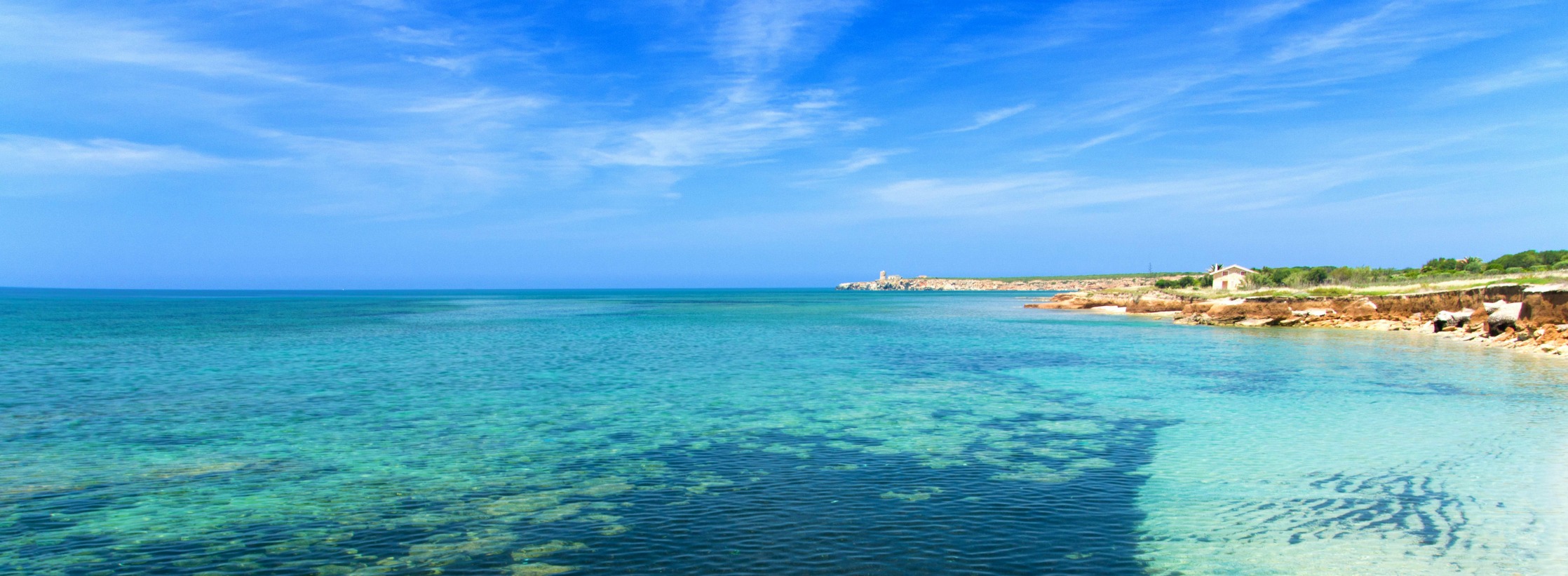
The Gulf also features a sea with clear waters, protected from strong currents and winds; you can relax in this hospitable, spontaneous and familiar environment, far from the chaos of typical seaside resorts, and enjoy swimming, fishing and playing sports. It is the ideal destination for cycling holidays: little traffic and plain lands featuring a wide range of routes among, ponds, salt marshes and lagoonse.
You can discover the peaceful and uncrowded beaches of Santa Giusta stretching near the wetland that earned international importance as it is protected by the RAMSAR Convention; from the small village going along the pond, you will reach the large and solitary beaches with shallow waters surrounded by small dunes giving habitat to wild lilies.
The beach of Torregrande is among the most popular, but you will never find it crowded because it is a very long beach: in the evening, the waterfront bars and kiosks turn into venues for concerts, parties and gatherings or just a place to enjoy the sea breeze with friends.
Among the finest in the Gulf, you will discover the very quiet and peaceful beaches of Arborea with their crystal clear waters, white sand and a fragrant pine forest that offers a dash of fresh air during the hottest of summer days. This is the ideal area for those who love to go horseback riding which is also a passion of the locals and equestrian tourism lovers who will find the best riding schools and services. By riding a horse, you can go from the beaches to the lagoons where you will find nesting birds, some of which are very rare, and it is easy to bump into the flight of the pink flamingos.
Horses are the main attraction even in traditional festivals: at Sedilo in July, brave knights compete in frantic downhill race towards the sanctuary of San Costantino (Saint Constantine). In occasion of the Sartiglia, during the Carnival in Oristano, equestrian tournaments are held in which men, women and children perform with agility stunts and challenge each other trying to hit the centre of the star while running on their horses. The traditions of this Festival is repeated with the same rituals since the Middle Ages; it attracts thousands of tourists who, along with the locals, support and spur the knights that dress elegant traditional Sardinian and Spanish mountain clothes, ride on horses harnessed with coloured tassels and satins racing in exciting acrobatics and jousts.
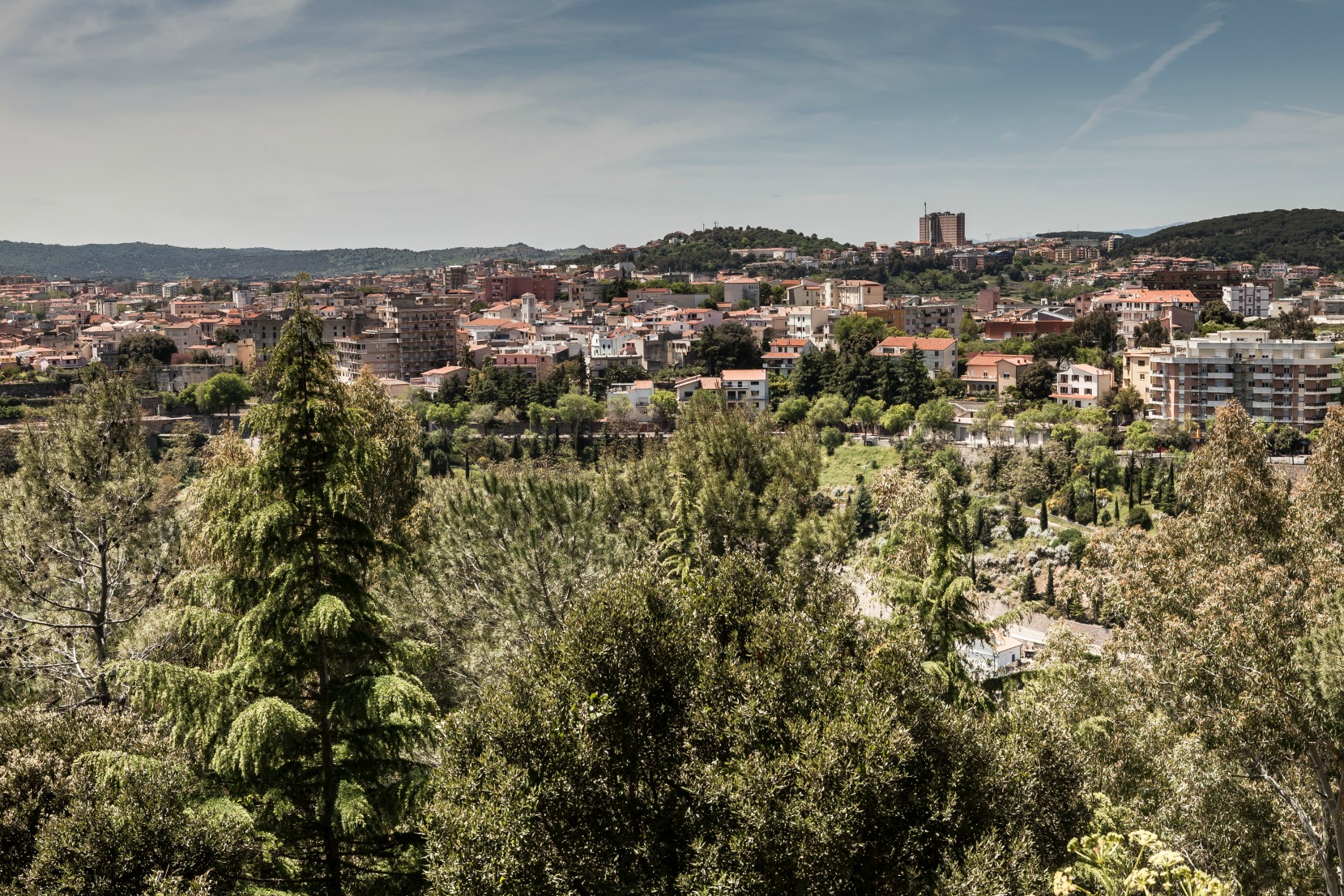
Nuoro
Nuoro is the Athens of Sardinia, bustling with cultural life since the 1800s, home to artists like Salvatore and Sebastiano Satta, Francesco Ciusa and the author Grazia Deledda, who made the city famous the world over. A stroll through the historical centre is a relaxing pastime, a step back in time as you walk over ages-old cobblestones along streets lined with old stone houses, courtyards, porticos and little squares that seem to appear out of nowhere. Among the old quarters is Séuna, once home to farmers and craftsmen, and santu Pedru, where shepherds and landowners lived. It is here that you will find the Deledda Museum, the birthplace of the Nobel prize winner. The house is an homage to the memory of this author who opened Sardinia up to the world. She lies at rest in the little church della Solitudine at the feet of the Ortobene, city’s mountain or, as she defined it, “our soul,” a natural park well worth a visit. Corso Garibaldi used to be called Via Majore and has always been the social hub of the city, with shops and timeless cafés. Have a coffee at one of the outdoor tables there, then stroll about the narrow streets and enjoy a meal in one of the many characteristic restaurants or trattorias. Not far away is the old delle Grazie church, and the majestic Cathedral of Santa Maria della Neve. Next to it is a belvedere that leads to the Tribu cultural centre and the Ciusa Museum, home to many fascinating sculptures made by Francesco Ciusa, the first prize winner of the 1907 Venice Bienniale. The Museo d’Arte di Nuoro (MAN) is a short walk away and hosts temporary international exhibitions and permanent shows of XX century Sardinian artists. Also not to be missed is the Museum of Sardinian Life and Popular Traditions, which will give you a taste of material and immaterial culture through displays of garments, jewellery, masks, textiles, tools and references to traditional singing, religious practices and festivities. Don’t miss seeing costumes like these in actual use during the sagra del Redentore on the last Sunday of August, featuring folk groups from all over Sardinia. The celebrations include a procession of the faithful walking from the city to Ortobene, at the top of which, at altitude of about 1,000m, is the statue of Christ the Redeemer (the Redentore). The 1,600 hectares of the mountain boasts traces of settlements dating back to prehistoric times, like the domus de Janas, as well as an infinity of gorgeous scenery, like Sedda Ortai park. Granite rock formations of unusual shapes hover interspersed between valleys, the home of a variety of mammals and rare birds of prey.