
A place in the sun, naturally in Sardinia
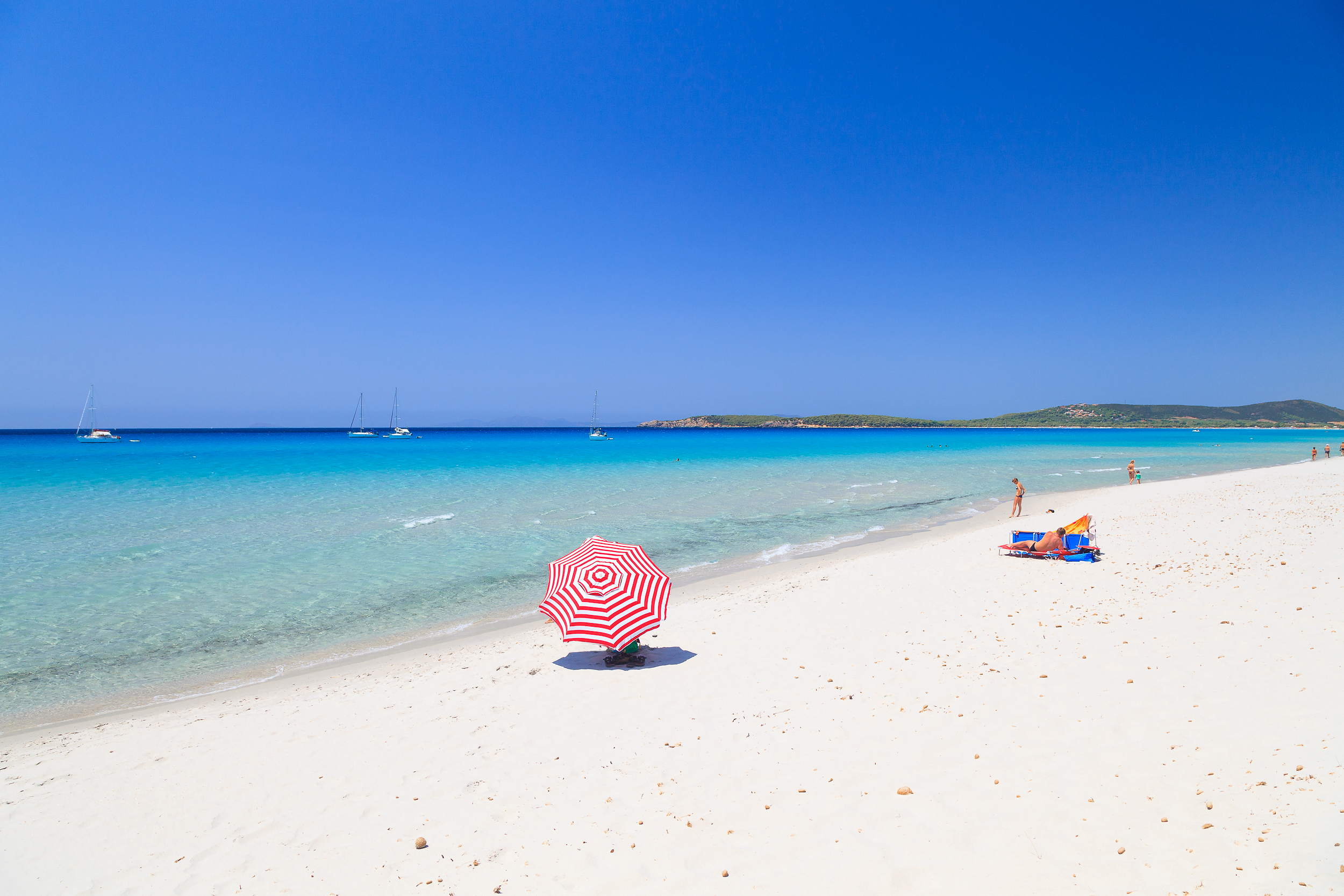
Step into this painting and look at the island close to home with new eyes: you will see its solitary beaches, not very 'lived in', where your gaze wanders towards the sea line, towards distant and uninhabited horizons, where you will breathe in the iodine-soaked air, which smells of brackish water and helichrysum, the perfume of Sardinia. Discover these paradises on tiptoe so as not to disturb the balance of uncontaminated and primordial places. You will feel their extraordinary natural energy coming towards you, a great outstretched hand that recharges your mind and body so that you can start living to the full again, leaving behind the darkness of the last few months.
Sardinia, the queen of the sea
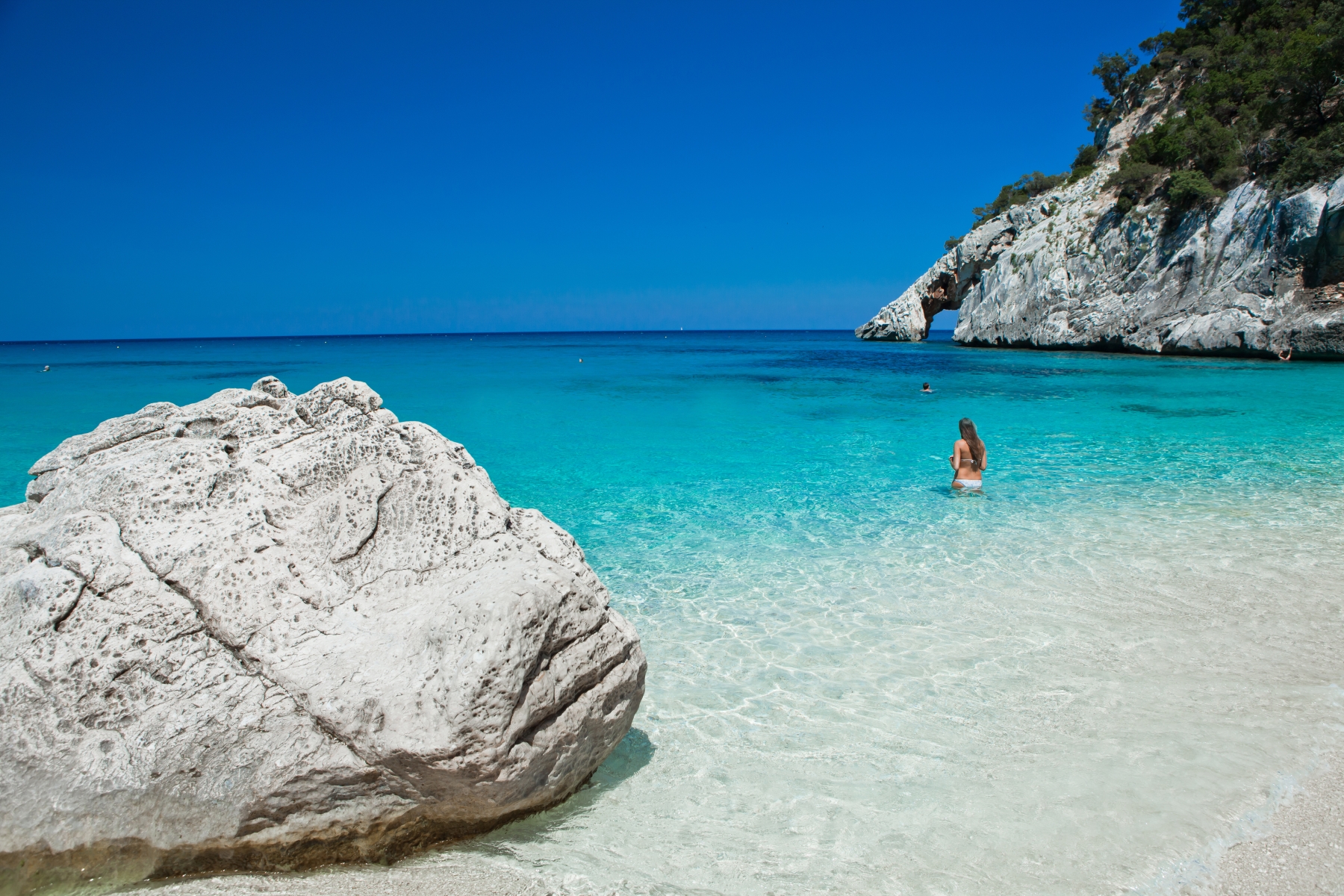
Chia in first place, the Baunei coast in fourth, the Sinis Peninsula in seventh, San Teodoro in eighth, Gallura in twelfth, the coastal stretch between Olbia and Baronia in twentieth. It means the first step on the podium, as many as four coastlines in the top ten of the 5 Sails award ranking, and another two in the top twenty-two. In 2025 Sardinia is once again the leader in the Touring Club and Legambiente ranking and confirms the six stretches of coast already awarded in previous years. The value of the island's coastline has been so widely recognised by experienced travellers, who are accustomed to the beauty of the world, and those whose passion and professon are committed to safeguarding the quality of the natural environment.
The Touring Club and Legambiente thus celebrate the Sardinian sea, rewarding local communities' ingrained tendency to respect their land and the island's vocation for welcoming and hosting. Their highest recognition goes to enchanting places, some well known, others waiting to be discovered. From north to south, from east to west of the island, no stretch of coast is excluded.
Mines, seduced and later abandoned
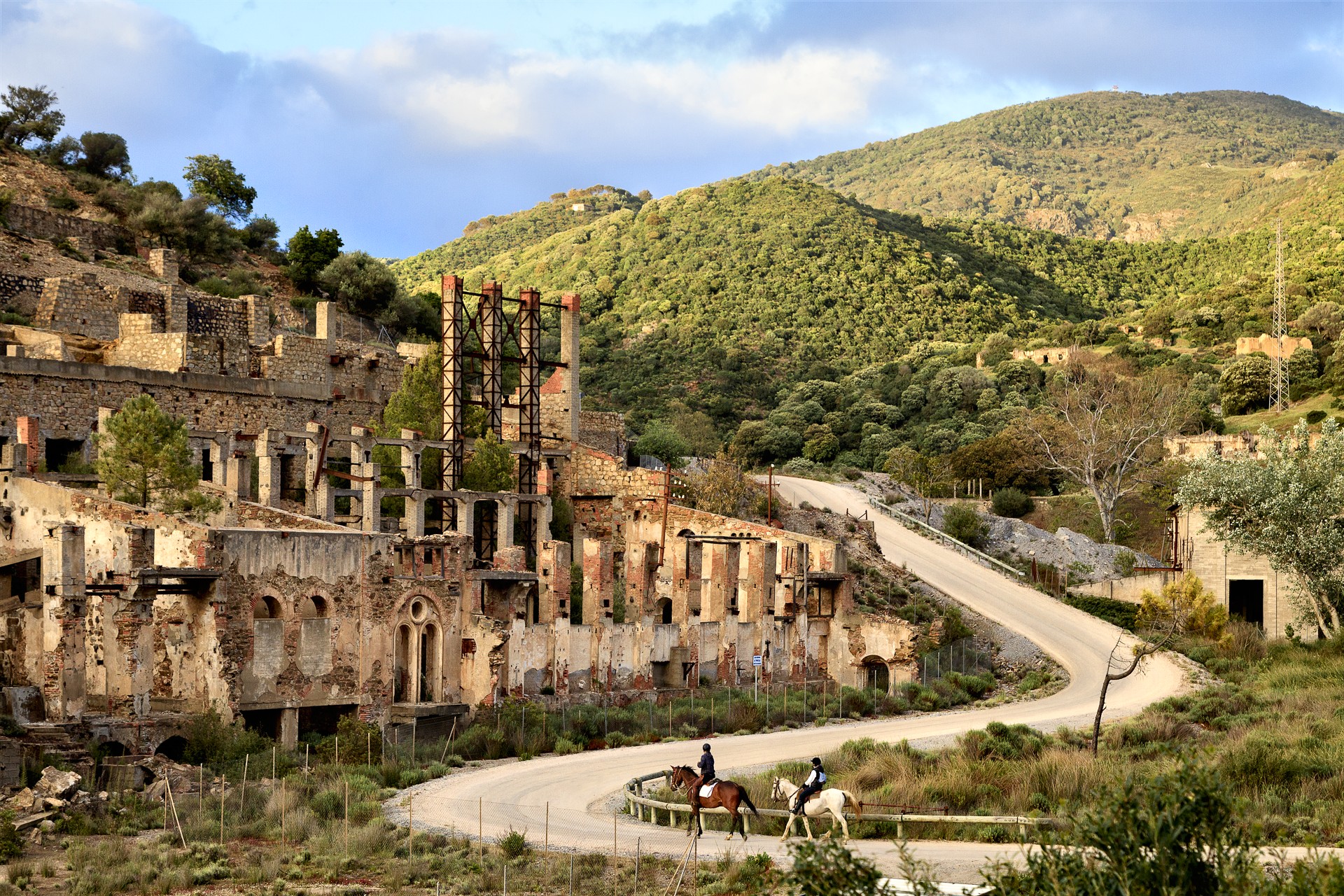
The 'Island of silver veins', as it was called by ancient peoples and merchants. You can feel it just by looking at it and walking on it: this is an ancient land that has imprisoned the most precious materials over geological eras. Thus fate would have it that, until the end of the 20th century, hundreds of shafts and tunnels were dug, arduous work carried out by thousands of Sardinian miners in bleak and fraught environments, at the cost of their health and their very lives. The great mining epic did not leave behind economic prosperity but rather an immense heritage of industrial archaeology set in Sardinia's most unusual landscapes. Mines that were once teeming with frenzied activity inside and outside the tunnels, are now the custodians of the tears shed in the darkness by generations of workers, some of whom have become specialised tourist guides to reveal the profound meaning of these places of work, both painful and enchanting at the same time. Crags, sand dunes, karst cavities, wild forests and the blue sea form the backdrop to eight mining areas that together form Sardinia's geo-mineral park, an outstanding part of the UNESCO world network of geoparks for its extraordinary industrial facilities and the timeless charm of the landscapes of which the abandoned mines have become a part.
Nuraghes, towers of light
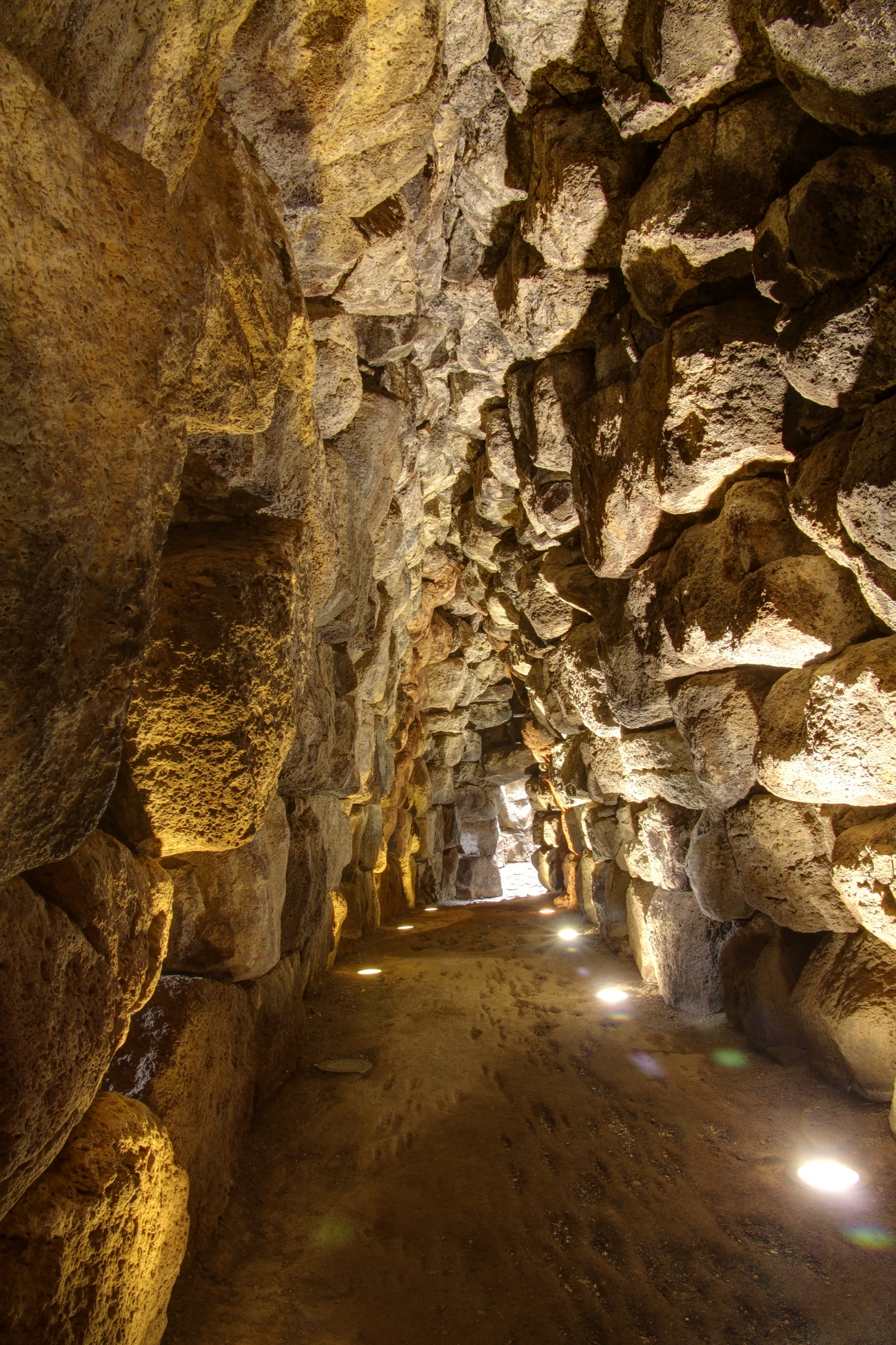
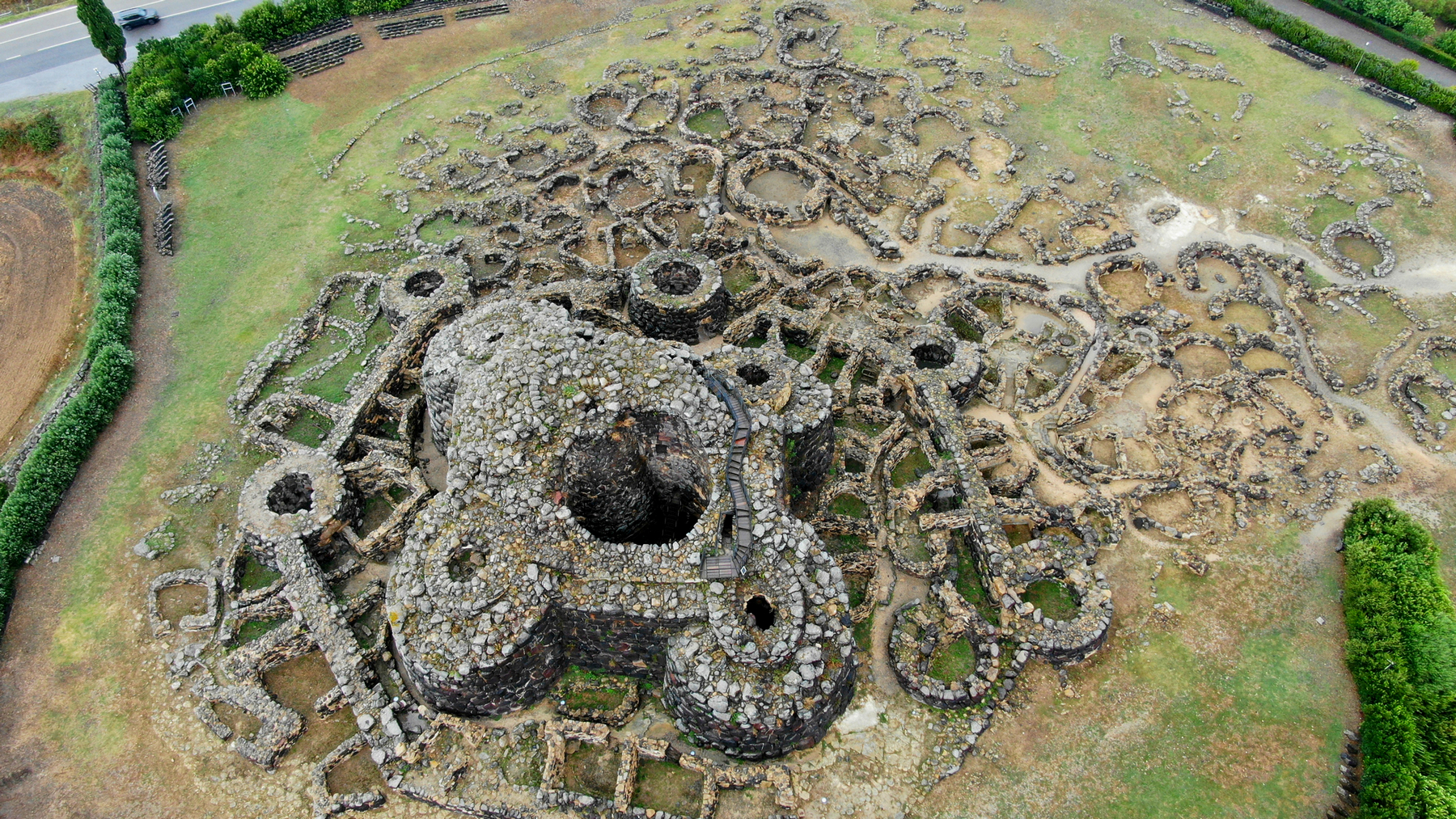
They looked at the world around them, the sea, the sky, the earth, and sunk into thought. Then they began to erect mysterious towers, increasingly complex and cyclopean, which mark Sardinia in an original and unmistakable way. Our ancestors were extraordinary architects in prehistoric times, they designed and built thousands and thousands of nuraghi, unique in the world. There are over seven thousand of them unearthed and you can find them everywhere. They are all different but have the same style. They gaze out over cities and towns or the sea, most appear out of nowhere in the countryside, but wherever they are built and whatever their function may have been, chief's residence, fortress, temple, astronomical observatory, there is a special magnetism around them. The places chosen to erect them, from the smallest to veritable palaces, had to be of transcendental significance as well as meeting practical needs. It is no coincidence that the nuraghi are located in the vicinity of other megalithic monuments of earlier times linked to spirituality, such as domus de Janas, menhirs and dolmens. Others dedicated to worship will be built nearby, sacred wells and Giants' tombs. These are special places where you can walk among large stones with a light spirit. It’s natural to feel the thrill of being inside a page of history and ancient civilisation, the original symbol of which is the nuraghe, considered, not surprisingly, the heritage of all.
This is a journey around the island, through some of its majestic Nuragic palaces.
Sardinian castles, hidden treasures
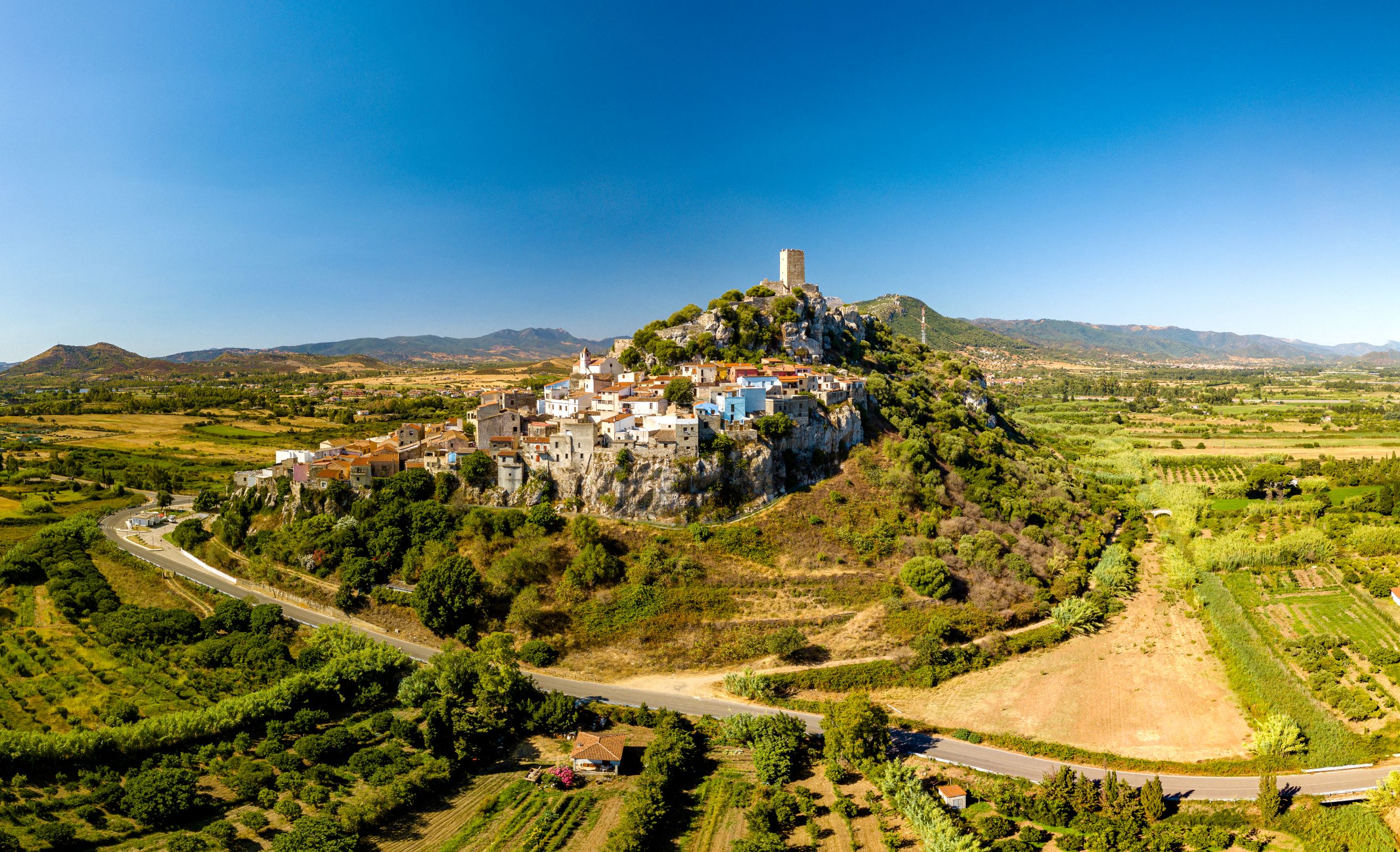
From promontories overlooking the sea they looked down on heavenly beaches and from mountain ridges they dominated valleys, at their feet picturesque villages and coastal towns. The castles of the Judicates were built between the 11th and 14th centuries, housing military garrisons and sometimes also serving as noble residences. Having given up their defensive role, they were gradually abandoned: many have been lost, others are now intriguing ruins immersed in the rugged Sardinian landscape, and many have come down to us almost intact.
Every castle has its own mysterious legend, ever-present ghosts, controversial and compelling tales, fed by popular imagination and reworked from generation to generation. Sometimes these tales have been distorted over time, but all of them bear a grain of truth. Stories of bloody battles, unsolved 'mysteries', love affairs, prisons, voluntary retreats, kidnappings, torture, escapes and betrayals are told, stories that pervade the watchtowers, the underground passages, the dark halls, the beautiful weapons rooms and the sumptuous dining rooms. The myth that often unites them are the riches stored in coffers hidden in rooms through secret passages. Treasure hunting was always tricky and to discourage the more daring adventurers, the treasure chest was placed next to a similar one but full of muscas maceddas, giant and monstrous stinging flies. Endless labyrinthine tunnels, on the other hand, would have been the escape routes to dodge enemy sieges. Not just stories of men, weapons and ghosts of varying degrees of credibility, in Sardinian castles the protagonists are often women, sometimes mythical figures such as the janas or extraordinary women from history, above all the Judge Eleonora d'Arborea, to whom the fate of many Judicial fortresses is linked.
Into the myth of Atlas
Beyond the Pillars of Hercules there was a golden island sacred to Poseidon, god of the sea. At the height of its greatness it was lost, struck down by a catastrophic natural disaster. Myth says that it was the cradle of a powerful and original civilisation that had evolved over thousands of years and guarded the knowledge and know-how handed down from generation to generation by its inhabitants, a people of warriors, navigators and daring architects who built magnificent stone towers that had never been seen elsewhere. In the ancient world, the island was considered an earthly paradise: coastline, sea, idyllic mountains and a beautiful landscape dotted with curious black, white and red stones. A land rich in silver veins and spring waters, which rose to the surface in fonts revered as sacred and formed pools of warm water and steam, a panacea of health and beauty. Life lasted longer here, thanks also to bountiful nature and a mild climate, mild summers and winters with plenty of sunshine allowing more crops to be harvested throughout the year.
A game for dreamers, following the clues left by Plato to find traces in Sardinia that lead to the island of Atlas.
In Sardinia, the festival is sacred
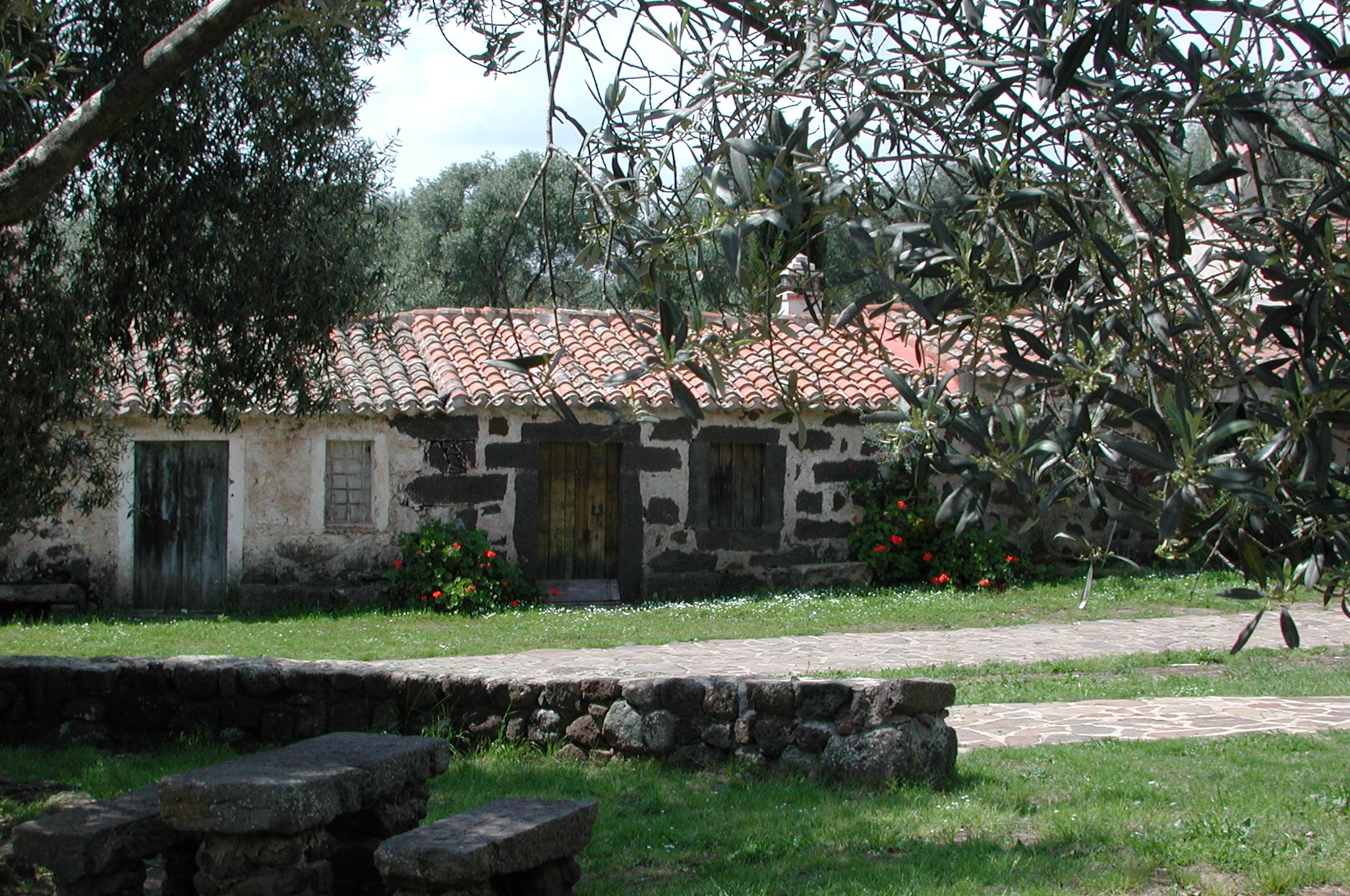
In much of Sardinia they are called cumbessias, in Oristanese muristenes: they are isolated ghost villages with a mystique that is easy to come across when travelling around the island in search of unusual and precious places. Silent all year round, they were inhabited only on the days of the novenas (nine days or weeks of prayers to a saint), amidst devotion, the breaking of vows and cheerful group celebrations in honour of the saints after whom the small country churches, often small jewels of medieval art, are named. The sanctuaries opened their doors day and night to the faithful, while the small houses, with humble facilities, welcomed the pilgrims who arrived in procession on foot or on horseback from the village parish. The prior would start the rituals marked by gosos, ancient and poignant songs of praise sung in chorus at sunrise and sunset, celebrations in church and moments of recollection and reflection during walks around the villages.
It wasn’t just prayers and spirituality, the novenas were also a popular communal feast, with typical dishes being prepared and fires lit for the roasts. After dinner, people stayed for hours together, with poetry competitions, traditional songs and dances, and then slept in the little houses arranged in a circle around the church or in a row like a village street.
The habit of staying and resting in sacred places may have very ancient roots, perhaps Nuragic. As Aristotle also said, in the prehistoric period of Sardinian civilisation, incubation was widespread, a curious ritual that helped to establish contact with the afterlife and the divine, and it was considered a good remedy for the soul and the body to sleep, for short periods and in special circumstances, 'near the heroes', next to the Giants’ tombs.
For some decades now, the tradition of staying in the novenaries scattered throughout Sardinia has slowly been lost. Today, after the religious rites, everyone returns home and the villages remain silent.
But inexorably the ancient tradition emerges and some reopen their doors day and night; sooner or later the sacred festival will return.
I want to go to Alghero
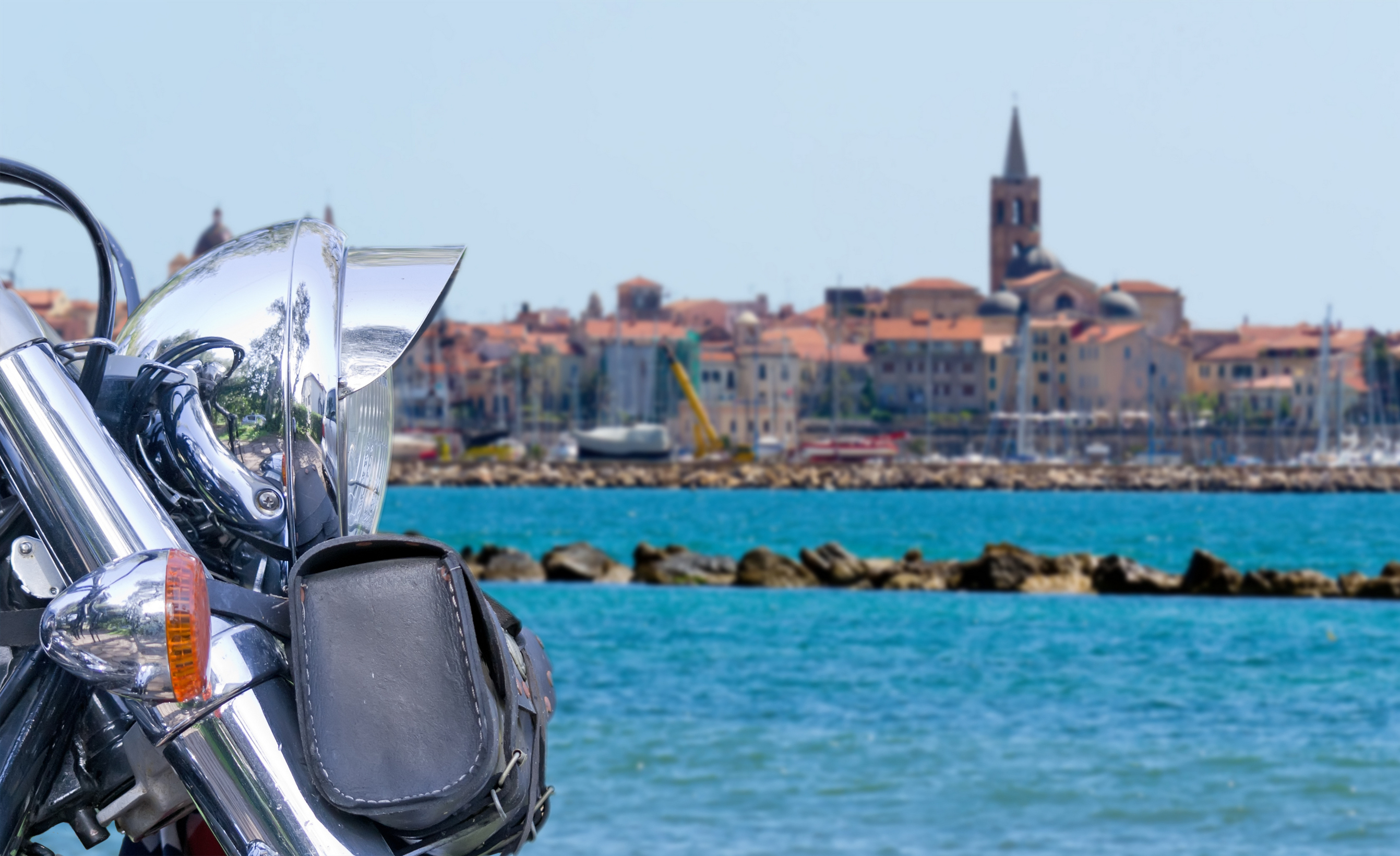
The charm of the evergreen villages, time flies as you stroll through the alleyways, visiting exhibitions and galleries set up in the medieval towers, the cathedral and the churches, browsing in the artistic craft shops and the ateliers of celebrated tailors and avant-garde stylists, savouring the fresh taste of seafood and Catalan-style lobster on your plate. The name of the dish says it all, a language very similar to Catalan is spoken here. Even the lively atmosphere is reminiscent of Barcelona, but here the air smells of helichrysum and lavender, shades of blues take over the city and the endless, colourful sunsets over the sea are spellbinding. Alghero strikes a chord even outside its ancient ramparts. In the surrounding area, the prehistory of Mediterranean civilisations amidst domus de Janas and nuraghi, and opposite, on the Capo Caccia promontory, the brazen beauty of nature, at times kept hidden inside the fantastic grottoes of Nereo, Nettuno and Grotta Verde. Even a few kilometres from the city, the mood remains the same: the ruins of Roman villas conjure up opulence and indulgence, a ghostly mining village abandoned on the beach and resurrected in the name of memory and art, and wild, primordial environments where you are likely to encounter griffon vultures. And then the sea ...

By canoe and SUP, paddling from island to island
Seen from the land, it looks like a small rock, but as you get closer you will see it unfold towards the sea like a snake, hiding wind-sculpted cliffs in its curves, exquisite beaches of quartz crystals, and spring and thermal waters on its shores. There is even a nuraghe. This is the wild Mal di Ventre, a fantastic landing place, if the sea is merciful, after the demanding crossing of the Sinis coast. There are also islands within reach of all paddlers, just an arm's length away, such as the islet of Ogliastra and the island of Cavoli, which can be reached from the beaches of Santa Maria Navarrese and Villasimius. They are so beautiful and captivating that you could stay there until sunset. If you're feeling energetic, consider them just a pit stop before another trip to nearby islands with a different allure, the scenic red chain of the Cea stacks and the nature reserve of Serpentara Island. And then there is the long Ariadne's thread of rocks and islets that runs along Gallura, unravelling from the sea at San Teodoro to the Maddalena archipelago park, stopping off in small places in the middle of the sea, under the spell of so much unspoilt beauty.
They are all uninhabited islets floating in the green and blue of a dreamlike sky and sea, a concentration of primordial charm, artfully placed there to welcome those who paddle in from the mother island. Here, you need your smartphone so that you don't have to rely solely on your memory to remember the alienating sensation of feeling like Robinson Crusoe for a day, in the middle of the sea on an uninhabited island.

Coastal towers, a hundred viewpoints
By boat, canoe or SUP, moving along one of the Island’s promontories, you might get a glimpse of a ‘surveillance’ nuraghe or an anti-aircraft battery, the legacy of last century’s wars, camouflaged by the scrub, or a medieval castle at the top of its village. You are even more likely to come across a coastal tower: about a hundred of them, built five centuries ago by the Spanish monarchy, dominate the Sardinian coastline. They are still there today, in places that were strategically ‘hand-picked’ to guarantee more control over a sea infested by Saracen pirates at that time. They climb to the edges of high rocky peninsulas that jut out over the water, covered with Mediterranean greenery and wild flowers. At their feet, a lively and colourful underwater world, a very popular place for diving and snorkelling, begins to reveal itself.
If you see a tower from the beach and can’t resist the temptation to share a good story on Instagram, you can easily get to it on foot, choosing the shortest route from your beach umbrella. It would be even more fun to reach them by mountain bike or on horseback, following the paths behind the beaches that wind through unusual landscapes, parks and lagoons, up to the top of the promontories. The views from up there are the unforgettable image of a holiday that you will take home with you.