
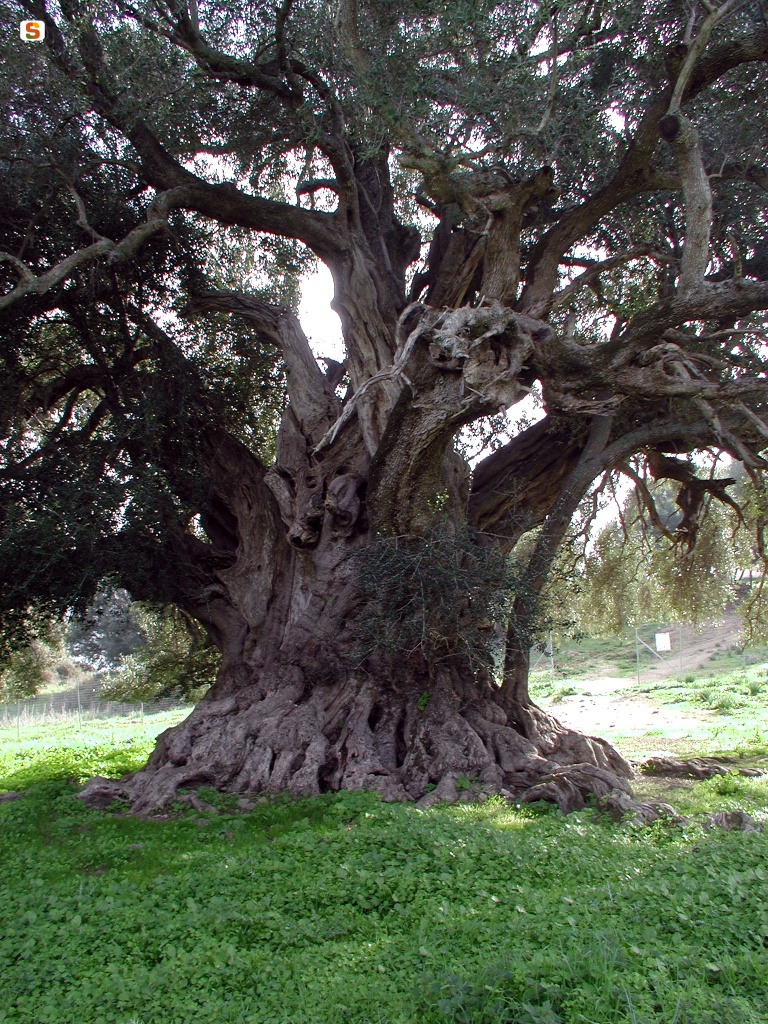
Among the centuries-old olive trees of the Coros
In Sardinia almost 40 thousand hectares are cultivated with olive groves: the resulting oil boasts a very high certified quality level. Coros oil is one of the finest in the region, and beyond. To discover the 'olivettati' landscapes and taste the fragrant flavour of the oil that comes from the north-western sub-region of Logudoro (a few kilometres from Sassari) you can take a short itinerary in three of the main towns: Ittiri, Uri and Usini.
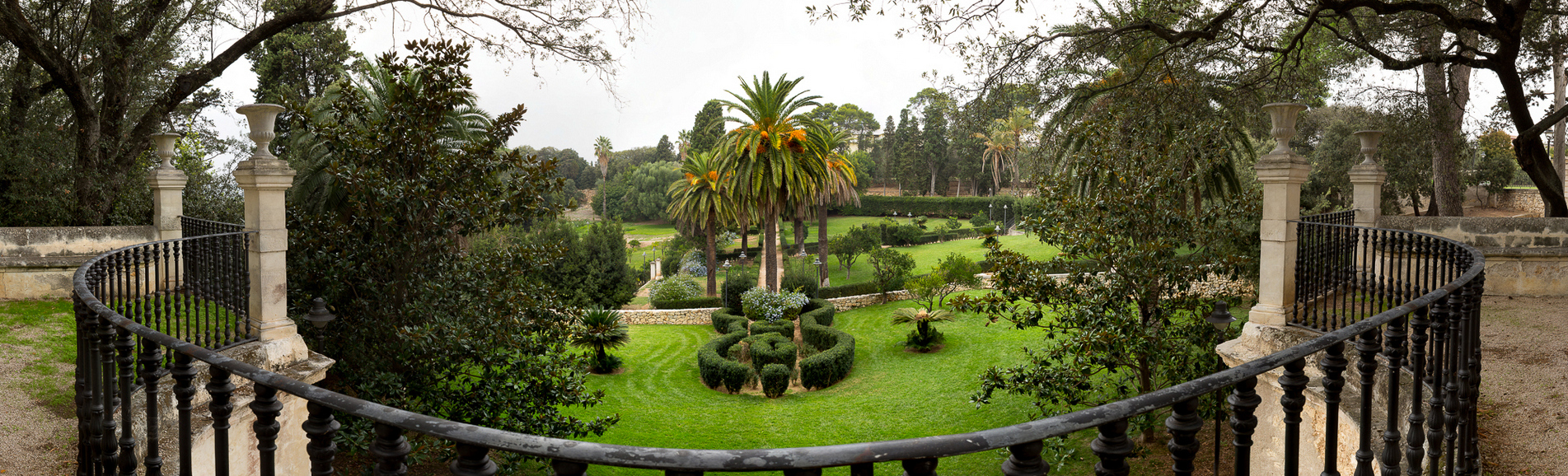
Historic gardens of Sardinia
The itinerary involves seven historical gardens of Sardinia, through which you can visit the whole island in a week or in several short breaks. It starts in the north-west, in Sassari's park of Monserrato, then moves to the north-east, to Caprera and the garden-island of Garibaldi. From here it moves on to the centre, in the Nuorese region with the English park of Villa Piercy of Bolotana. Then you visit the Oristano area, in San Leonardo di Siete Fuentes (Santu Lussurgiu), the Pernis-Vacca citrus garden, the Vega of Palazzo Boyl (Milis) and the Italian garden of Aymerich Park in Laconi. The grand finale is the 'green' route to the Patrizio Gennari botanical gardens in Cagliari.
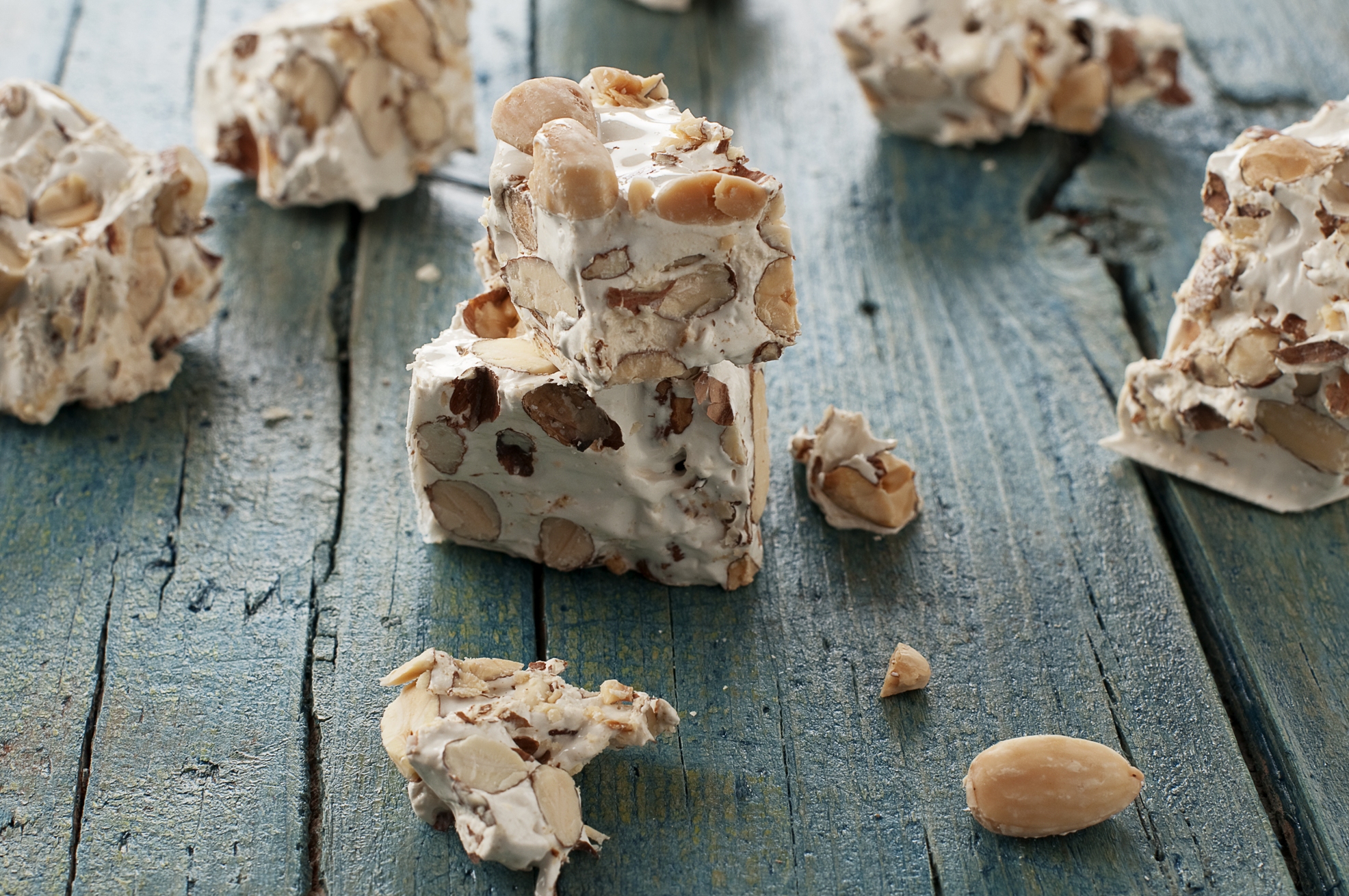
The torrone route
To the villages of stone houses of Tonara, Desulo and Aritzo to discover the places where artisans still make torrone (nougat), and where the aromas and secrets of times past are still passed along over the generations.
Route: 30 km
Driving time: 41 min
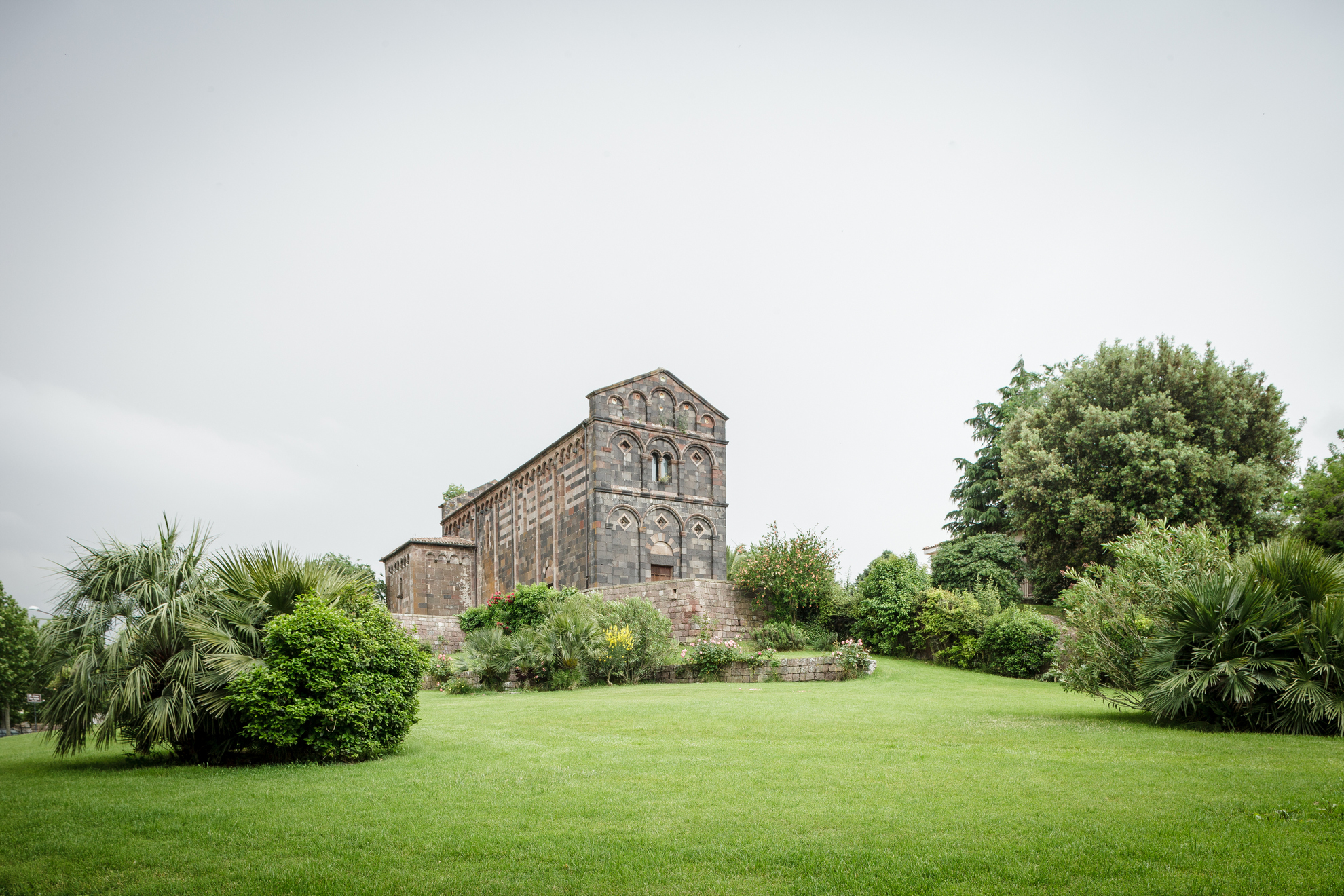
The former cathedrals of Baronìa and Barbagia
The churches of San Pietro, San Giovanni and San Nicola are splendid examples of medieval Sardinian religious art and architecture and have attracted worshippers, scholars and enthusiasts for centuries. Today, these are still places not to be missed during visits to three villages characterised by hospitality and food and wine excellence as well as natural and cultural attractions.
The tour starts in Baronìa, in the shadow of Mount Tuttavista, proceeding along state road SS 129, provincial roads SP 38 and SP 131 DCN in a westbound direction, until almost reaching the centre of the Island.
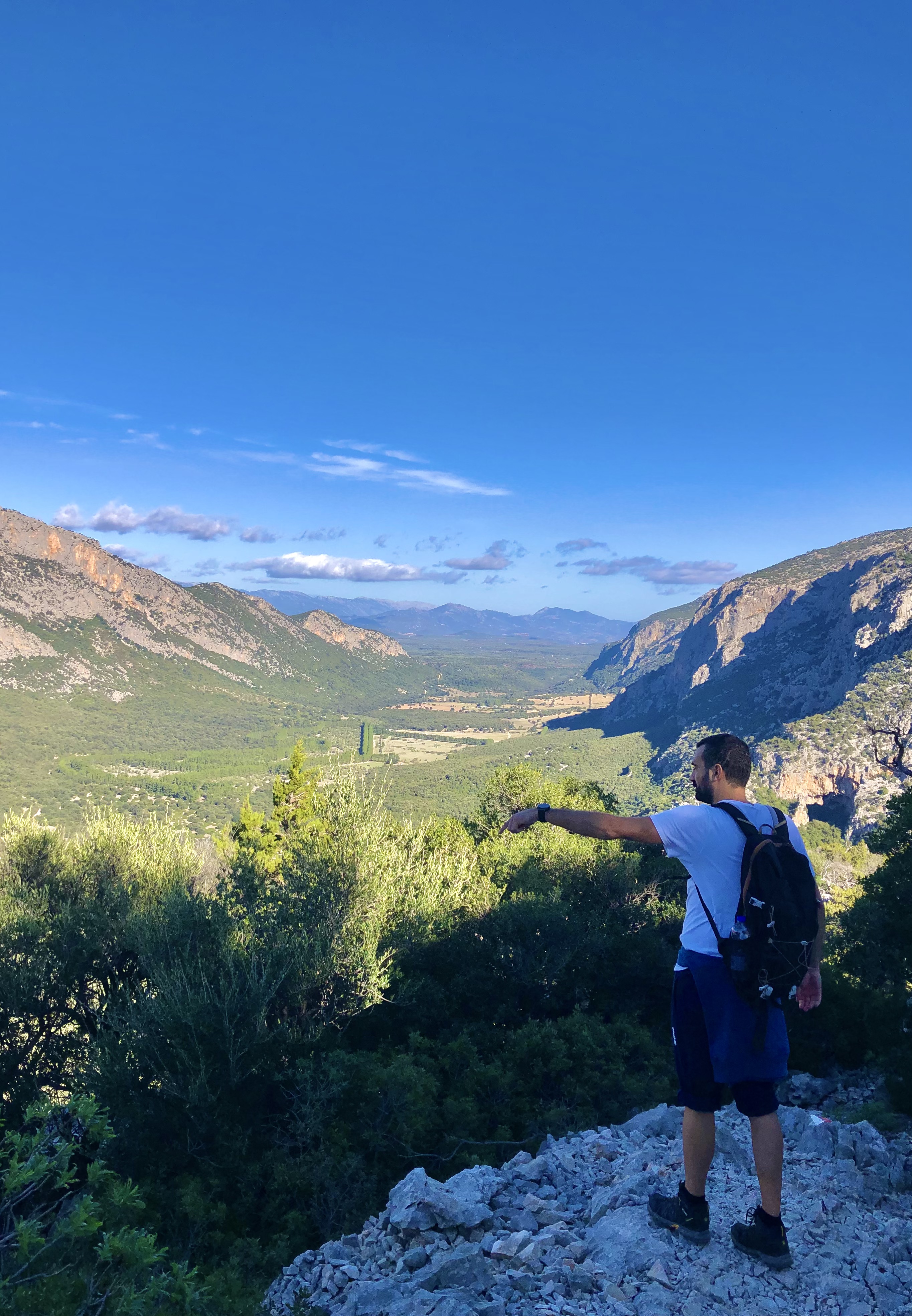
Trekking among ancient shelters in the Supramonte di Oliena area
It is one of the harshest and wildest areas in Sardinia, in the deep heart of the Barbagia area, where the ancient Late Nuragic peoples possibly put up their last, strenuous resistance to the conquest of the Island by Rome. The route along the Z14 stage of the Grand Italian Trail leads from the secrets of Mount Tiscali to the enchanting Lanaitto valley, continuing westwards towards Mount Maccione, overlooking Oliena and close to Mount Corrasi, and finally concluding the stage in the Bandiera Arancione (Orange Flag) village, ‘capital’ of Nepente wine. The trek up to Mount Maccione is for expert hikers, with a total elevation gain of 1950 metres.
Itinerary: 23 km
Walking travel time: 9 hours
Sipping cannonau
Jerzu, Tortolì, Oliena and Mamoiada, vineyards and wineries in the heart of Sardinia
Route: 125 km
driving time: 2 h 35 min
Find out more
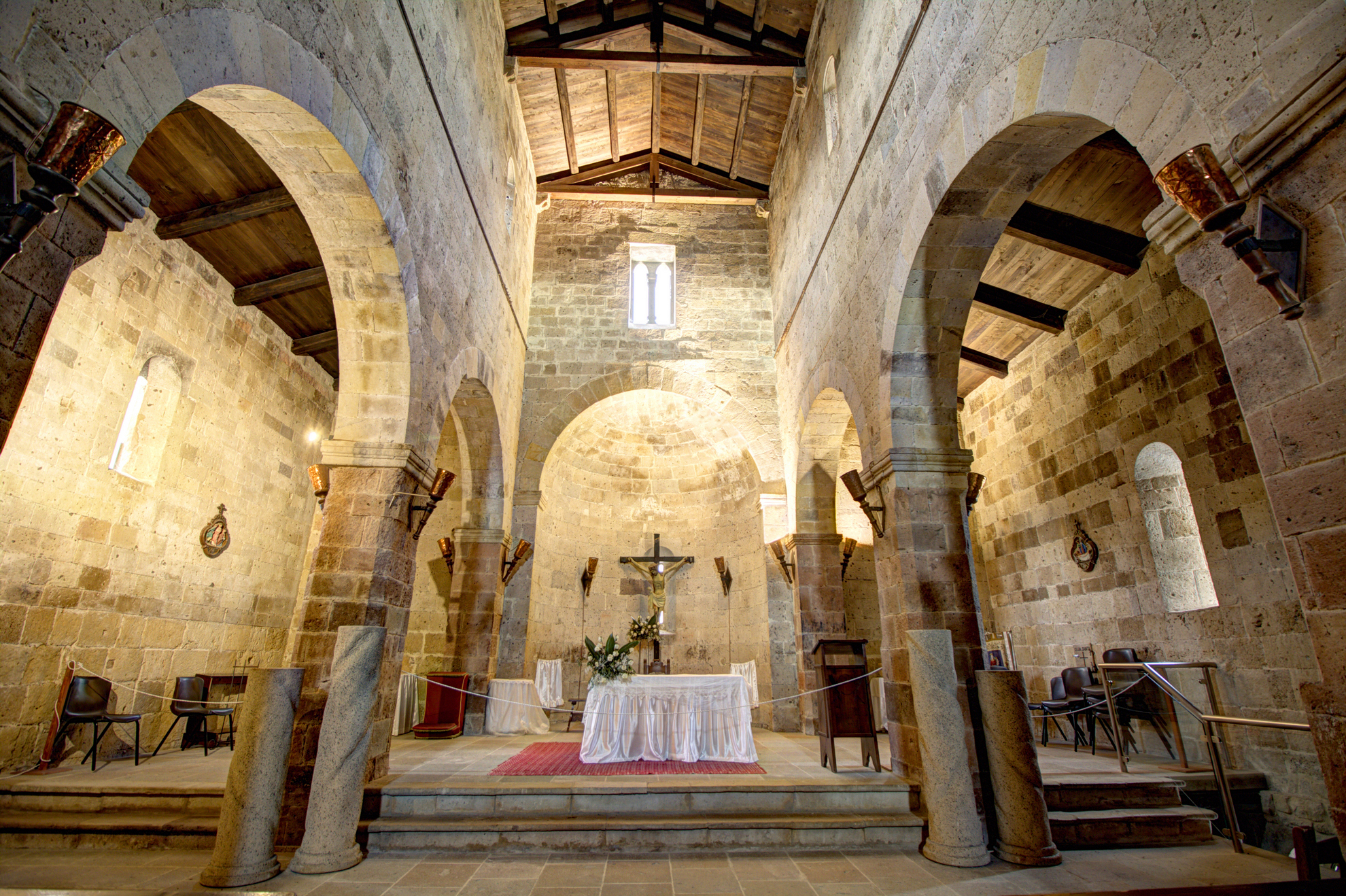
Sulcis amid the glorious sees of the Bishops
Nuxis - Tratalias - Sant'Antioco
In a world of mines and lush vegetation, visitors can seek out small architectural gems such as the country Church of Sant'Elia di Nuxis, Santa Maria di Tratalias and Sant'Antioco in the town of the same name. Country churches or ancient cathedrals dating from a splendid past, set in panoramic positions of great scenic appeal.
Journey length: 35 km
Road travel time: 40 min
Visit the website
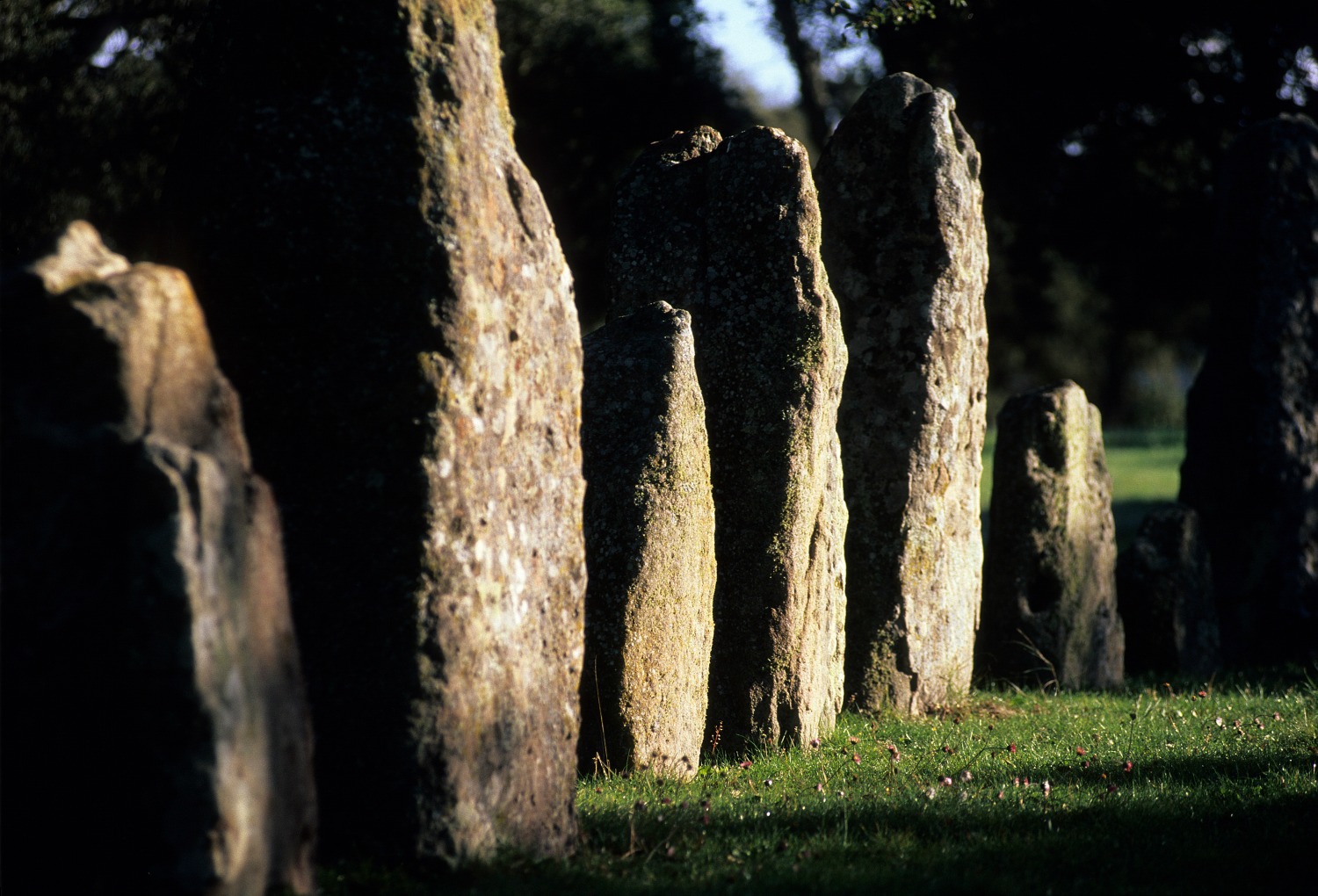
Menhirs, mysteries pointing to the Sardinian sky
Aniconic or anthropomorphic, worked ‘with a light hammer’, decorated with mysterious symbols: the menhirs of Sardinia represent one of the most fascinating puzzles in island archaeology. The monoliths embedded in the ground - perdas fittas in Sardinian – appeared in the Recent Neolithic age and during the Eneolithic period, that is around the third millennium BC. They may have represented deified characters and, in fact, they are often found in sacred or funeral areas. Among the patterns carved into their surfaces, there are ‘human’ features (noses, eyebrows, breasts) and symbols, like the ‘overturned’ and daggers. The first appears to be the depiction of the soul of the deceased that has ‘migrated’ into a dimension opposite to that of the living. The latter could refer to hero figures celebrated as gods. The journey to discover them starts in Gerrei and leads to the centre of the Island, crossing Trexenta and Sarcidano and ending in the woods of Mandrolisai.
Journey length: 94 km
Road travel time: 2 hours
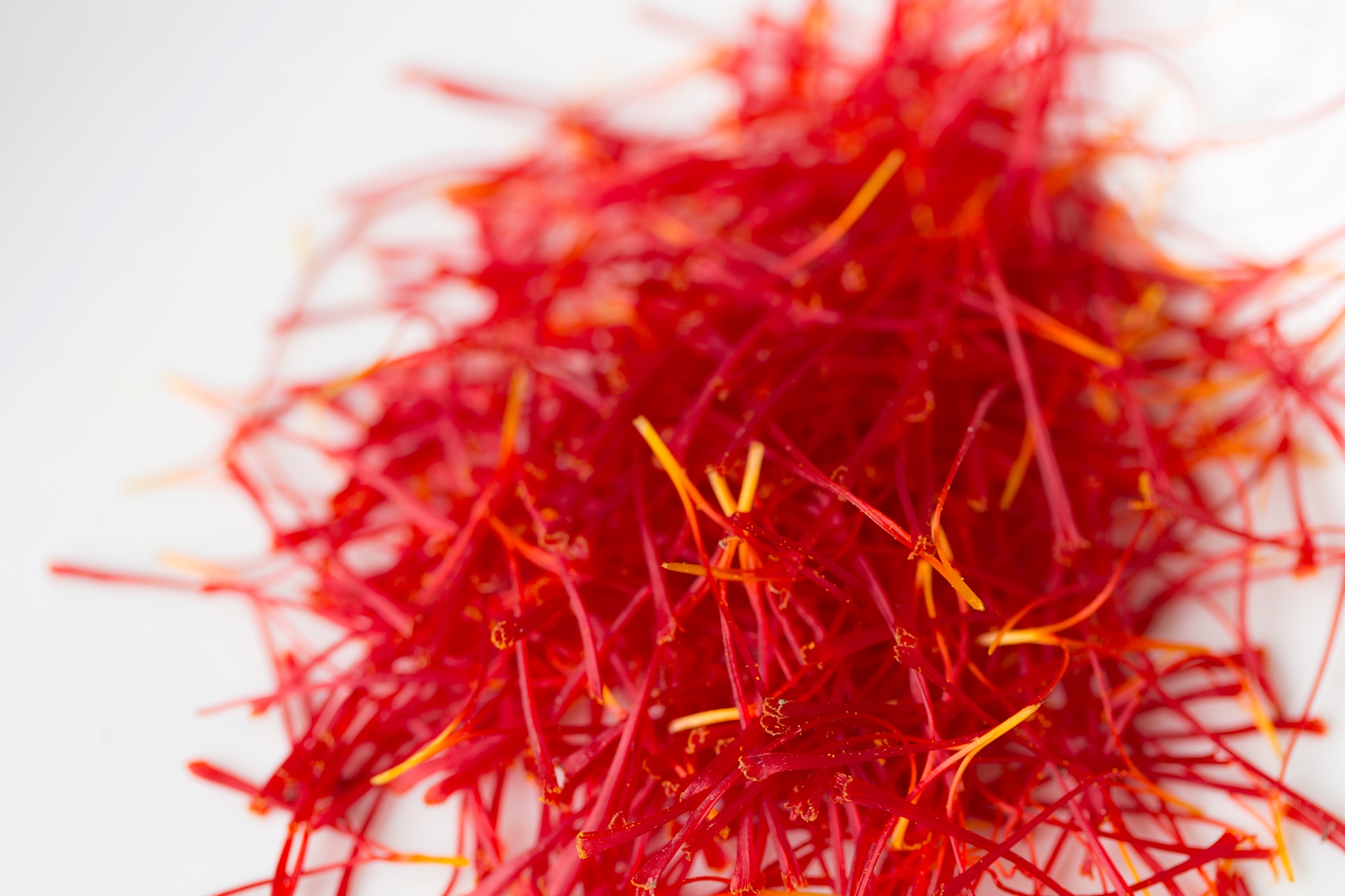
Saffron, the red gold of Sardinia
San Gavino Monreale, Villanovafranca and Turri: in the fields of the ‘capitals’ of saffron production to listen to the stories of the peasants, the custodians of ancient knowledge
Route: 50 km
Driving time: 52 min
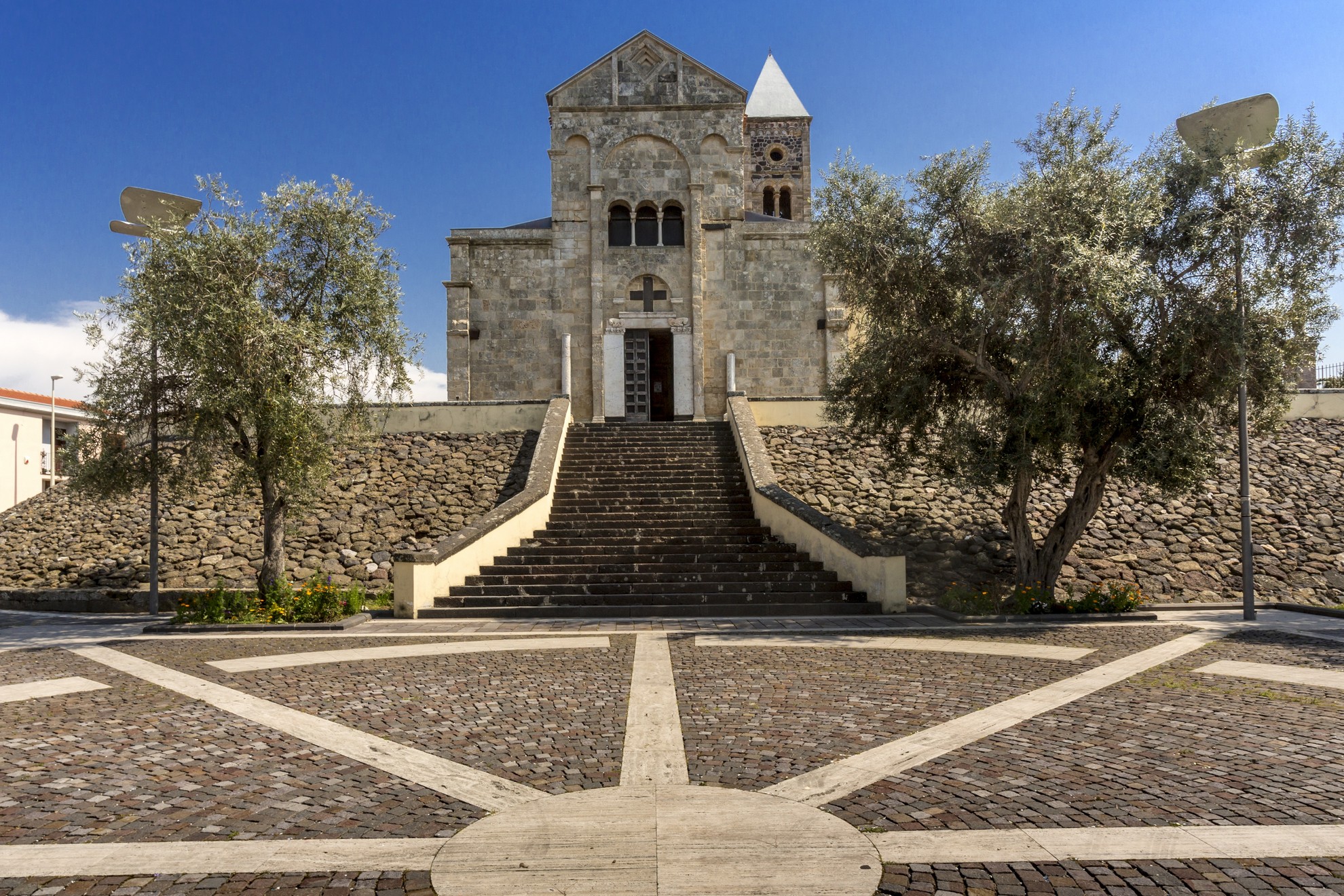
Precious Romanesque architecture in the Oristano area
From one of the oldest churches on the island to a cathedral that has become a kaleidoscope of architectural styles over time, as well as a solemn and elegant basilica church and captivating examples of two-tone ‘rural’ style, concluding the itinerary amid the mysteries of a church with an origin that can only be deduced from a fragment of wall. All around, there are spectacular beaches, fascinating archaeological discoveries, natural oases, centuries-old traditions and legacies from the Judicates period. Between one stage and another, a good glass of Oristano Vernaccia wine is recommended as an aperitif.
Journey length: 47,5 km
Road travel time: 1 hour for the various journeys