
Perdas fittas between earth and sky
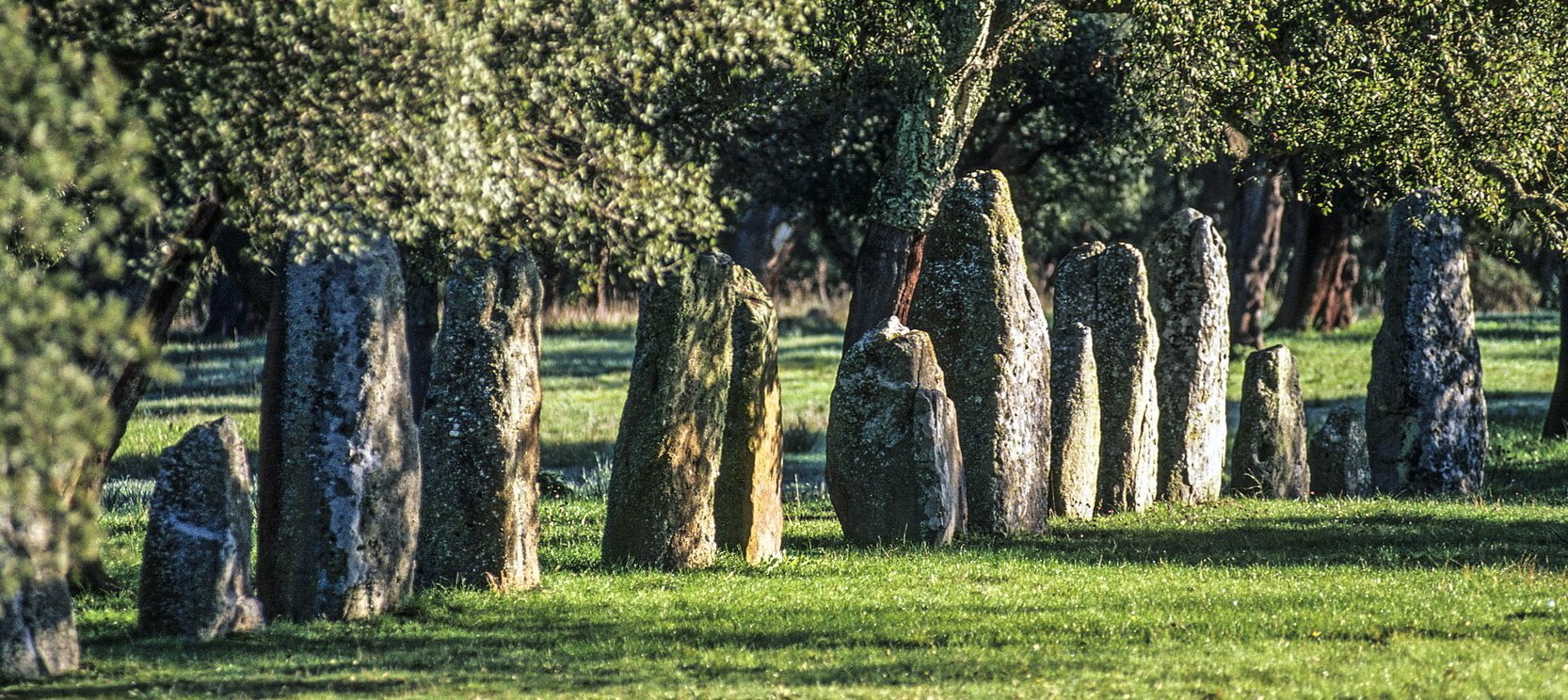
Places shrouded in legends and mystery, an ancestral world that speaks through huge stones. This is the atmosphere you will experience at Pranu Mutteddu in Goni and Bir'e Concas in Sorgono, in the green heart of the island, where there are hundreds of menhirs: solitary, in pairs, in a circle or in long rows symbolising ritual pathways, perhaps oriented based on celestial phenomena. Magic, sacredness and magnetic power, as in the famous Stonehenge, but here the menhirs are older and greater in number.
Plunged 'like a knife' into the ground, the perdas fittas (or 'driven stones' in Sardinian) rise up towards the sky surrounded by a fairytale landscape: centuries-old oak woods, meadows of cyclamen and wild orchids, lavender and myrtle bushes that perfume the air. The sky also plays its part, the sun filtering through the lush nature and making the huge, elongated, tapered stones glow with a soft light. They are refuges of the soul, sensory places that spark the imagination: is it all real or is it a fairy tale told by nature?
Guide for travelers
1. What is the current situation?
The Italian government has taken measures for restarting, that is a gradual and complete return to normality after the most restrictive phases of the health emergency due to the Covid-19 epidemic.
The so called "phase 3" does not provide for any limitations to personal freedom, with respect for social distancing in both outdoor and indoor places. Accommodation facilities and all shops are open, with specific rules related to physical distancing, sanitization and other dispositions according to the decrees issued by the national governement and the Ordinances of the Sardinia Region President.
2. Is it possible to travel to and from Sardinia?
All national air and sea connections to and from Sardinia are open. The International connections with the European Union countries, United Kingdom, the states of Schengen agreement, Andorra, Monaco, San Marino and Vatican City are active too.
In Sardinian airports and ports, passengers will be subjected to body temperature measurement.
For detailed information about urban and suburban public transport, you can refer to the web pages of TrenItalia-Sardegna, Arst and public transport companies in the main cities (Ctm-Cagliari, Atp-Sassari, Atp-Nuoro, Aspo-Olbia).
A warm hug from the sea
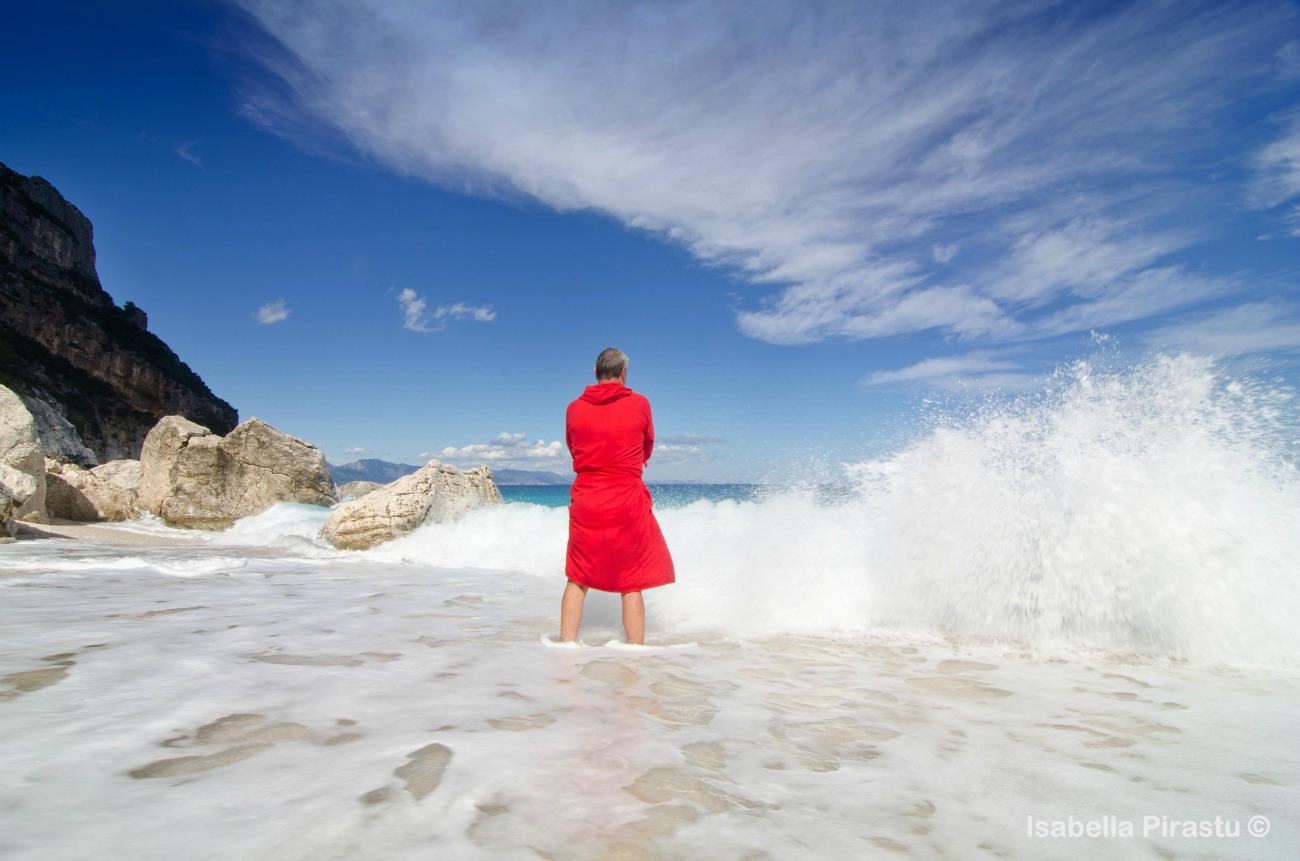
The sea breezes and swell of the waves create a rich spray of salts and mineral ions that envelop the island's coasts in healthy air, best breathed in slowly and deeply. Extraordinarily beautiful, healthy and brimming with precious elements, it then blows past ever-changing seascapes, small islands, bays, sandy, quartz and coral beaches and fantastic cliff terraces. They all become exclusive beauty farms by the sea with no time limits or regulations, offering the best of natural wellness, water, sun, stones, shells, rocks and sand at no cost. These are the welcoming outdoor gyms that are always open for those who want to recharge their batteries and empty their minds. Generous but fragile, they only ask to be respected so that they remain a precious reserve of well-being, forever and for all.

Scenography under starry skies
'The Islands of cinema' is a network of four festivals in the lesser islands of Sardinia. In mid-July Tavolara turns into an immense cinema with a starry vault of Una Notte in Italia. Established in 1991 to focus on filmmaking and creativity in Italian cinema, it is now a traditional event at national level. In thirty years, the best Italian actors have walked on this unique red carpet surrounded by the waters of the spectacular marine reserve of Tavolara-Capo Coda Cavallo. Meeting and interaction between the public, artists and experts already starts on board the boats that reach the island leaving from Porto San Paolo near San Teodoro and a little south of Olbia. It starts on Tuesday 16 July in La Peschiera (San Teodoro). Two days later the festival takes place in the seaside square of Porto San Paolo. From Friday 19 July until Sunday the shows are staged in the immense hall under the stars of Tavolara.
Handicrafts on display
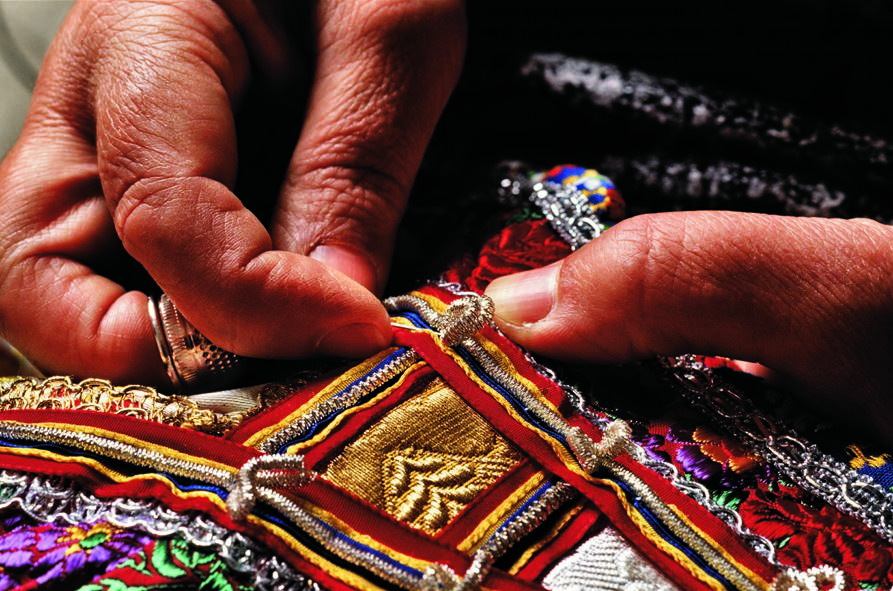
The spirit of Sardinia is intertwined into the weaving of yarn, in the embroidery of a carpet and in the silhouette of an elegant traditional garment. Its spirit is ‘interlaced’ by skilled hands into a corbula of reed or rushes, it is woven into filigree, a Sardinian jewellery-making technique par excellence. The island’s light gleams in the blade of a arresoja, in the reflection of a glass product or in the deep red of a coral necklace. Its fire burns in the forging of wrought iron furnishings. The Sardinian soul lies in each stone sculpture, an archaic symbol of an ancient land. Exploring Sardinia means delving into its most profound and authentic identity through the techniques of adorning a scivedda (a ceramic vessel) and the wood carving of a cascia (a hope chest) and carnival masks, in tanning skins to create footwear or saddles. Traditional and designer arts and crafts form a vital spirit in Sardinia, an essential cultural component of a people that has proudly handed down knowledge and skills for centuries.
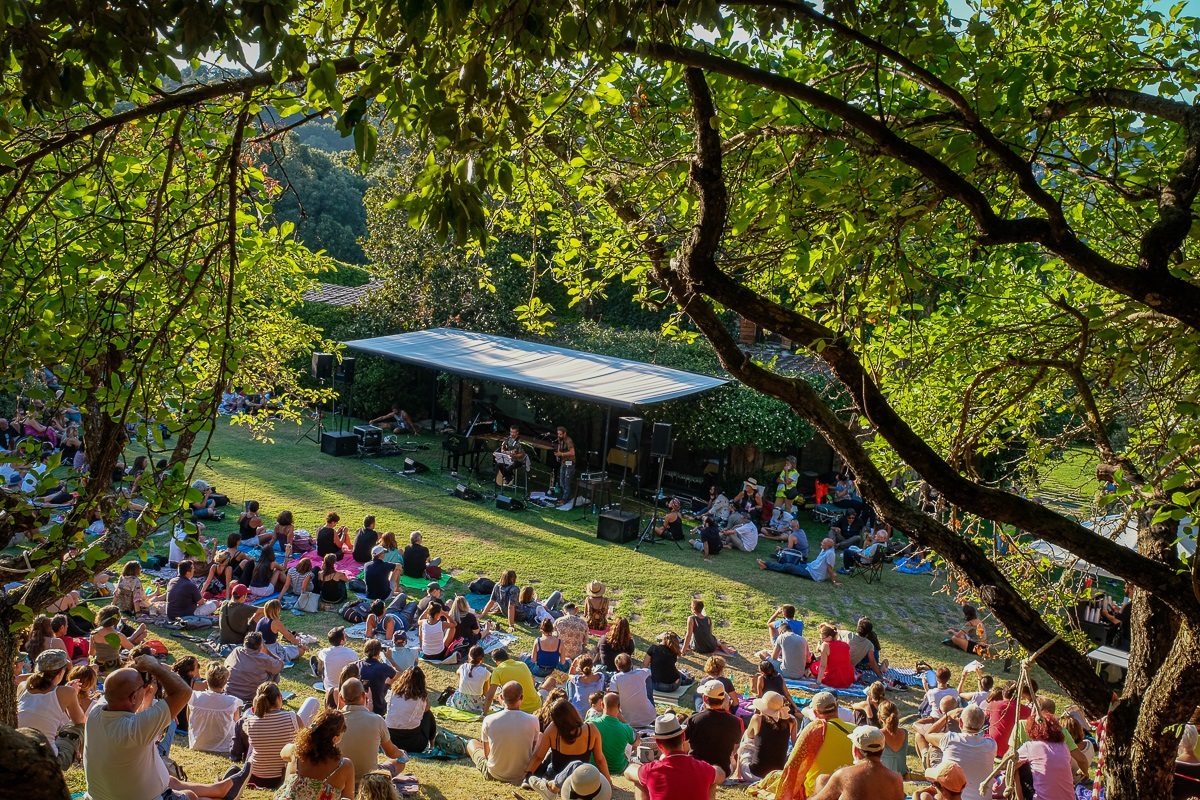
Summer 2024, to the sound of music
By day, places of “boundless spaces and superhuman silences” seemingly disconnected from performances and live shows. By evening, however, music takes over the infinite stages provided by nature and history. Summer in Sardinia also means an irresistible combination of breathtaking locations and great national and international artists. Each year, a lineup captivates and excites an ever-growing audience, offering shows and concerts for all tastes and ages. From refined Italian songwriting to international pop, from rock to hip hop and dance music.

Travelling with flavour
Frue, burrida, civraxiu, fregula, malloreddusu, casizolu, pani frattau, filindeu, tzilicca... no ad hoc recipes to amaze the palate, simple and refined notes, delicate and at the same time robust flavours of the sea and the land skilfully blended, fragrances of special seasonings, from extra virgin oils to wild herbs. This is a cuisine where ancient acts and rituals are repeated, celebrating the mastery of traditional cuisine and expressing the art of young chefs capable of conveying the soul of their land through dishes rooted in memory and history, never the same from one place to another. In Sardinia, nothing is the same: wherever you go, traditions, culture and even language are incredibly different. Even the most popular 'non-sweet' dessert goes by many names: in Nuoro you have to order a sevada, in Cagliari a seada, elsewhere a sebada, seatta, or sabada (a deep-fried dumpling with cheese and honey). Each time it will seem like a dessert with new nuances, because the type of cheese, sheep or cow's milk, cooked or raw, and the type of honey added when cooked, delicate in the south, more sour in other areas, will be different.
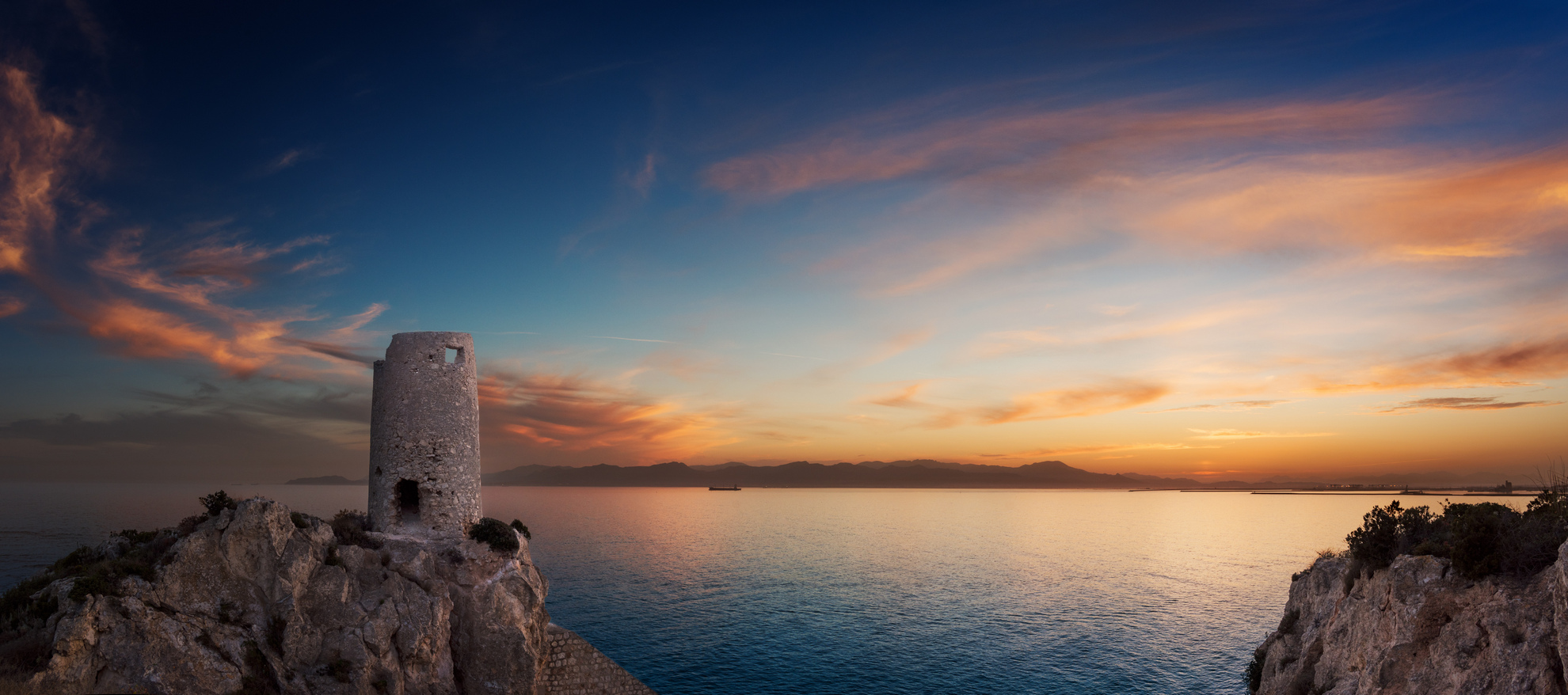
Sardinia, a beautiful story
Sardinia is a cradle surrounded by the sea where, eight thousand years ago, a mysterious and original civilisation began, open to innovations and cultural influences, brought by sea from one side of the ancient Mediterranean to the other. The Sardinians built nuraghi with boat moorings on the coast, joined together to monitor the sea and connected to those built inland. The island's location is strategic: it is a lively crossroads on the trade routes frequented by seafaring peoples, including the advanced and peaceful Phoenicians who made their base in Sardinia. They founded what were to be the most beautiful, cultured and rich cities of their time, Sulci, Bithia, Nora, Tharros and Karaly. Goods, ideas and knowledge moved freely between the Phoenician cities and the Nuragic villages until the imperialist peoples thirsting for new domains landed.
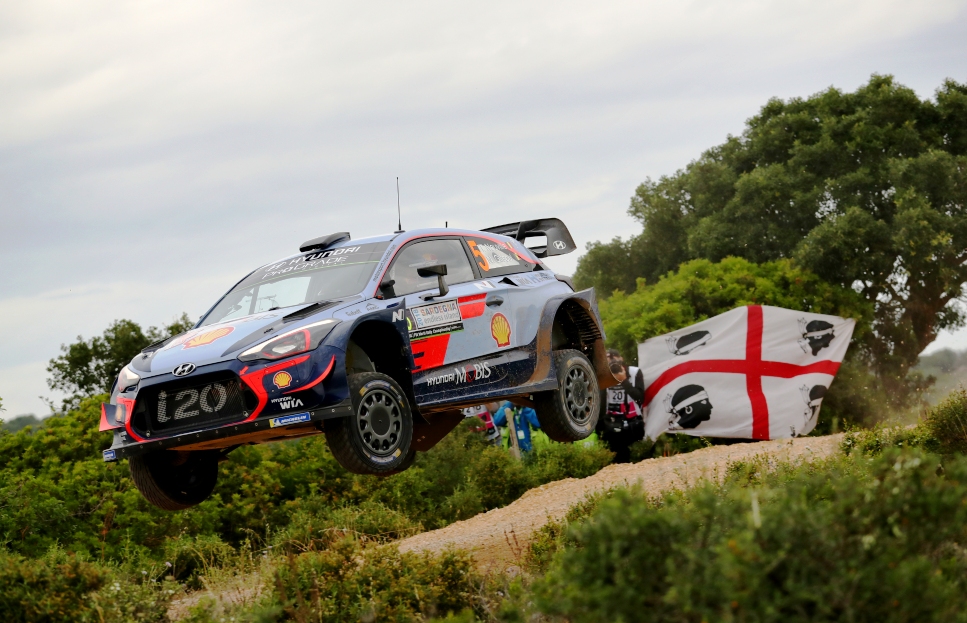
The spectacular World Rally Championship in Sardinia
The roar of engines, the skill of the drivers, adrenaline and captivating landscapes. The Rally Italia Sardegna celebrates its twenty-second anniversary, as always in the name of entertainment, emotions and breathtaking scenery. Alternating with the previous edition in Alghero, the ‘epicentre’ of the event - valid as the sixth round of the 2025 World Rally Championship – is in Olbia: the service park is set up at the Isola Bianca, a stone’s throw from the centre of the ‘capital’ of Gallura. It’s an opportunity to admire the intriguing mixture of contemporary mood and the legacy of the past, narrated in the archaeological museum. Another attraction not to be missed is the ancient basilica of San Simplicio. The city looks out over the spectacular gulf right next to the Costa Smeralda with a series of alternating picture postcard beaches along its coast: Porto Istana, in the Tavolara Marine Area, the Playa di Pittulongu and, to the north, Bados, Marina di Cugnana and Portisco.
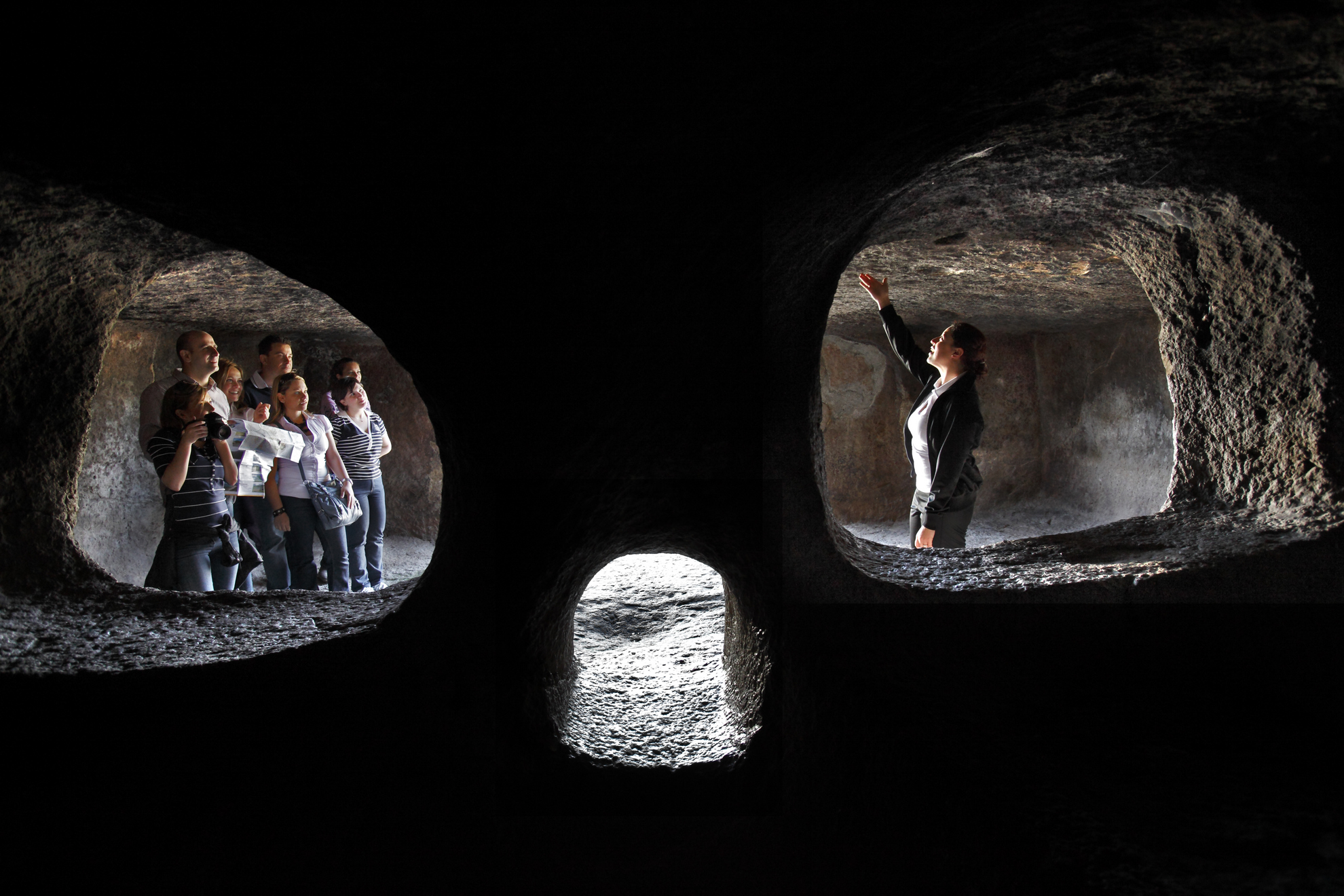
Janas and animeddas on Halloween night
It may have prehistoric origins, but it has been celebrated since the dawn of time and resembles traditional Anglo-Saxon festivals. It is the night at the end of October when the realms of light and darkness come together and allow the souls of the dead, having opened the gates of purgatory, to return to the places they once belonged to and to wander among the living. The suspended souls include the Janas as told in popular island legends and oral tradition. They are small spirits balanced between earth and sky, with persuasive voices and enchanting beauty, fairies or witches depending on the places where they are summoned. The live in domus de Janas, tombs dug into the rock, the symbol of a cultural facies that spread throughout Sardinia between the 4th and 3rd millennium BC.