
The hidden world of caves
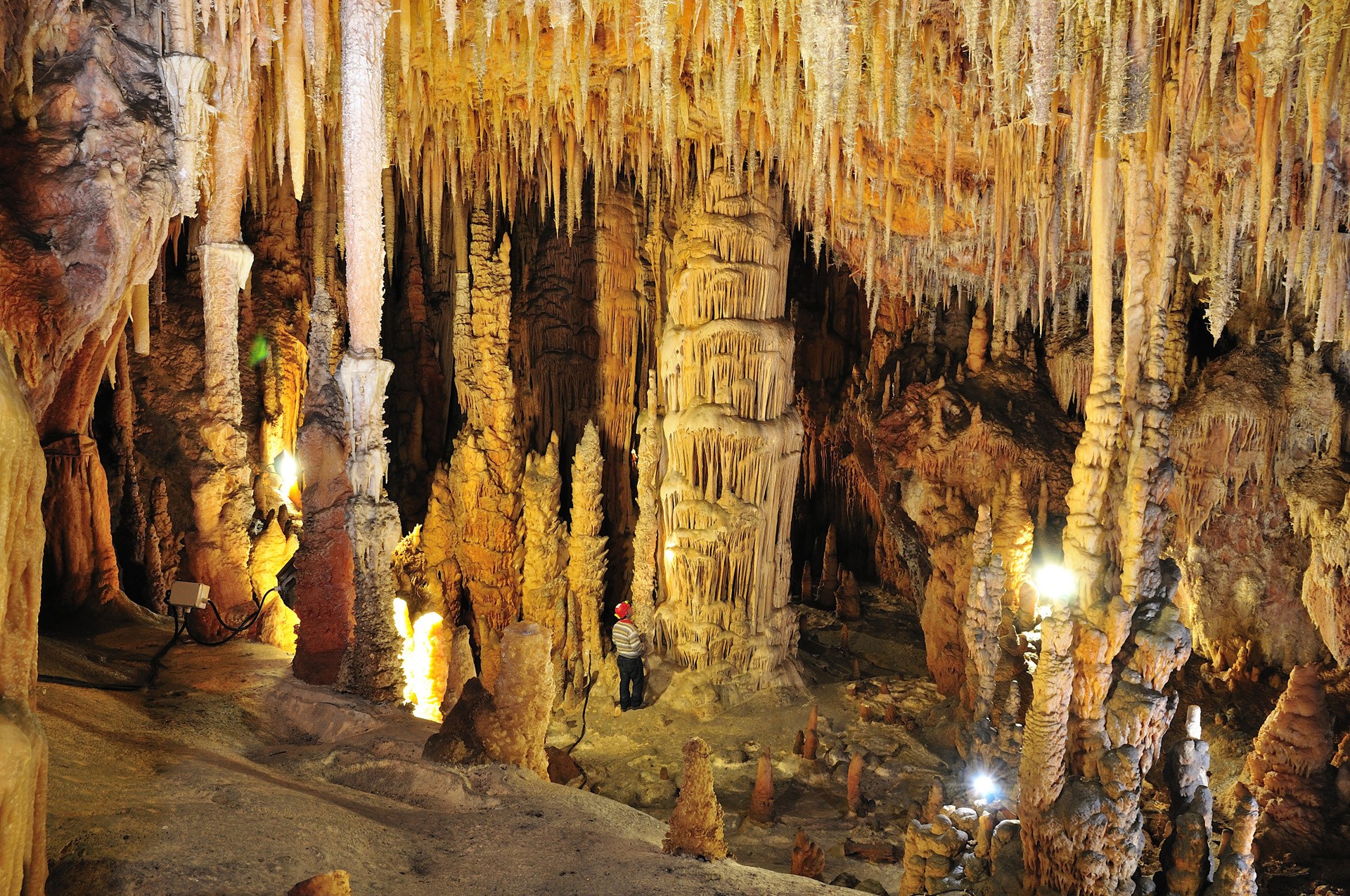
They guard masterpieces of nature, hide secrets, preserve the memory of legendary inhabitants. They still host some of them in their meanders and sometimes they talk. Like sa Oche, ‘the voice’, that howls, ringing out in the valley of Lanaitto in Oliena, generated by the air currents moving in the ‘twin’ cave of su Bentu. A short distance away, the words of Grazia Deledda, from her novel ‘L’edera’ (The Ivy) and from nineteenth-century tales can be heard, halfway between reality and legend, in the setting of the Corbeddu Cave. It was the home of a ‘gentleman bandit’, from whom it got its name and who transformed it into a tribunal of his own. Some of the oldest human remains ever found on a Mediterranean island come from here. Ispinigoli, in Dorgali, and its 38-metre high ‘column’ are also surrounded by original stories. Who knows if the 60-metre-deep hole at the bottom of the cave was really used for human sacrifices, to the point of earning itself the name of ‘abyss of the virgins’. In this area, the passage down from the mountains to the sea is short and there are also legends linked to the sightings of the monk seal: whether or not they still frequent the Gulf of Orosei is a mystery, but they undoubtedly lived around Cala Gonone, in the Grotte del Bue Marino (Sea Oxen Grottoes), named after them. The ‘room of the beaches’ was a safe haven for giving birth and weaning their pups. The Neolithic peoples also gathered here, in the same ‘rooms’, just above the level of the water, where the Cala Gonone Jazz concerts have been held every summer for decades.
Girotonno, it's Carloforte
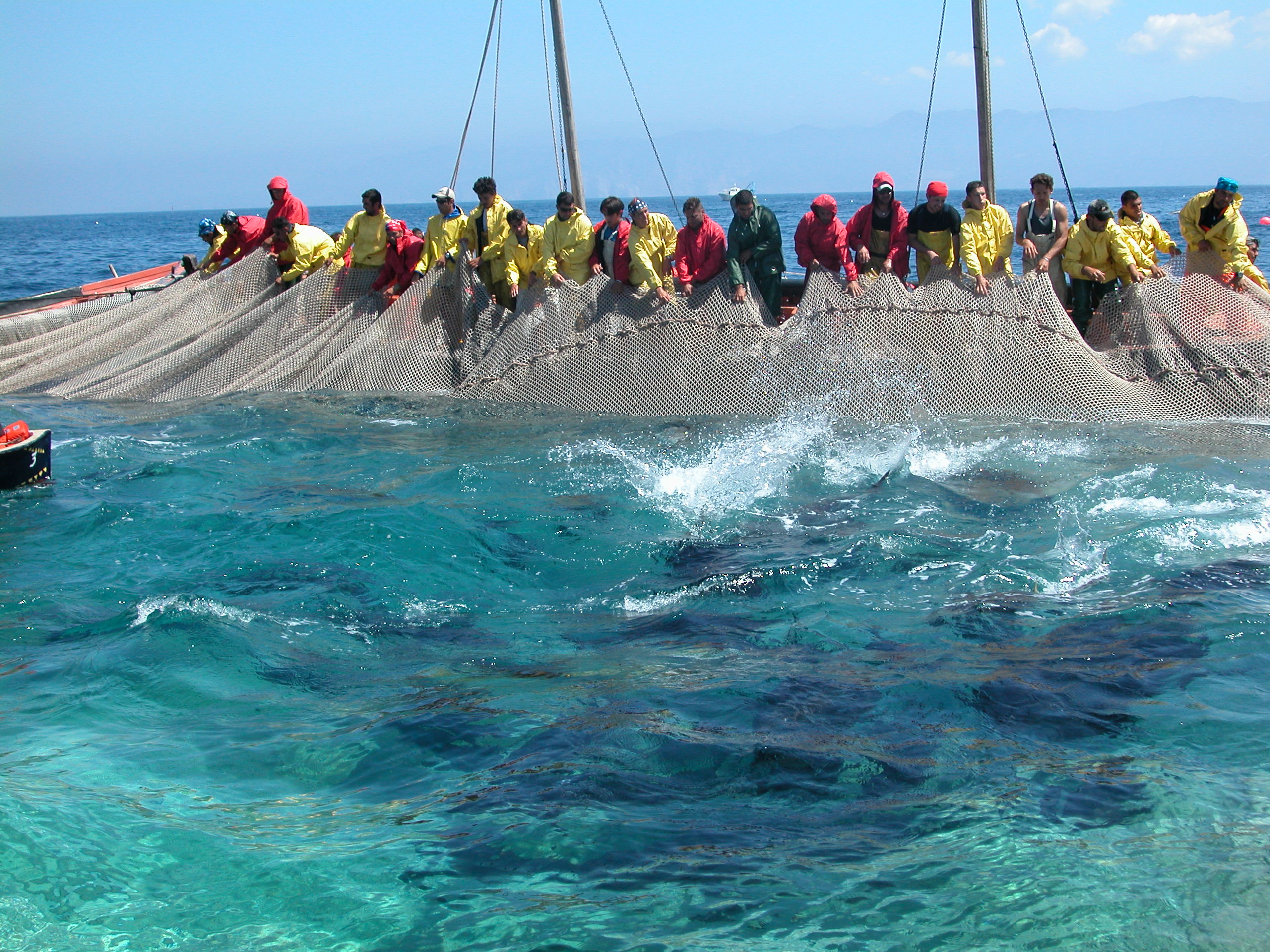
Food identifies and narrates the territory. In very few places in the world this statement is as true as it is in Sardinia. Cuisine is one of Sardinia’s most typical and distinctive features, an aspect that goes way beyond the island’s delicacies and creeps into the pages of its history. At San Pietro, an island within the Island, a place with a marvellous sea and a strong personality, culinary tradition represents the identity and the soul of the community. The Girotonno is the symbol of this. Every year, the original food festival tells us about ‘men, stories and flavours on the tuna routes’. Carloforte, the only residential area on the island, shows the world a fishing and cooking tradition at an international event that expresses thousands of years of culture and a tradition based on tuna fishing, rais (fishing master) and ‘tonnaroti’ (tuna fishermen).
It cannot be spring without Monumenti Aperti
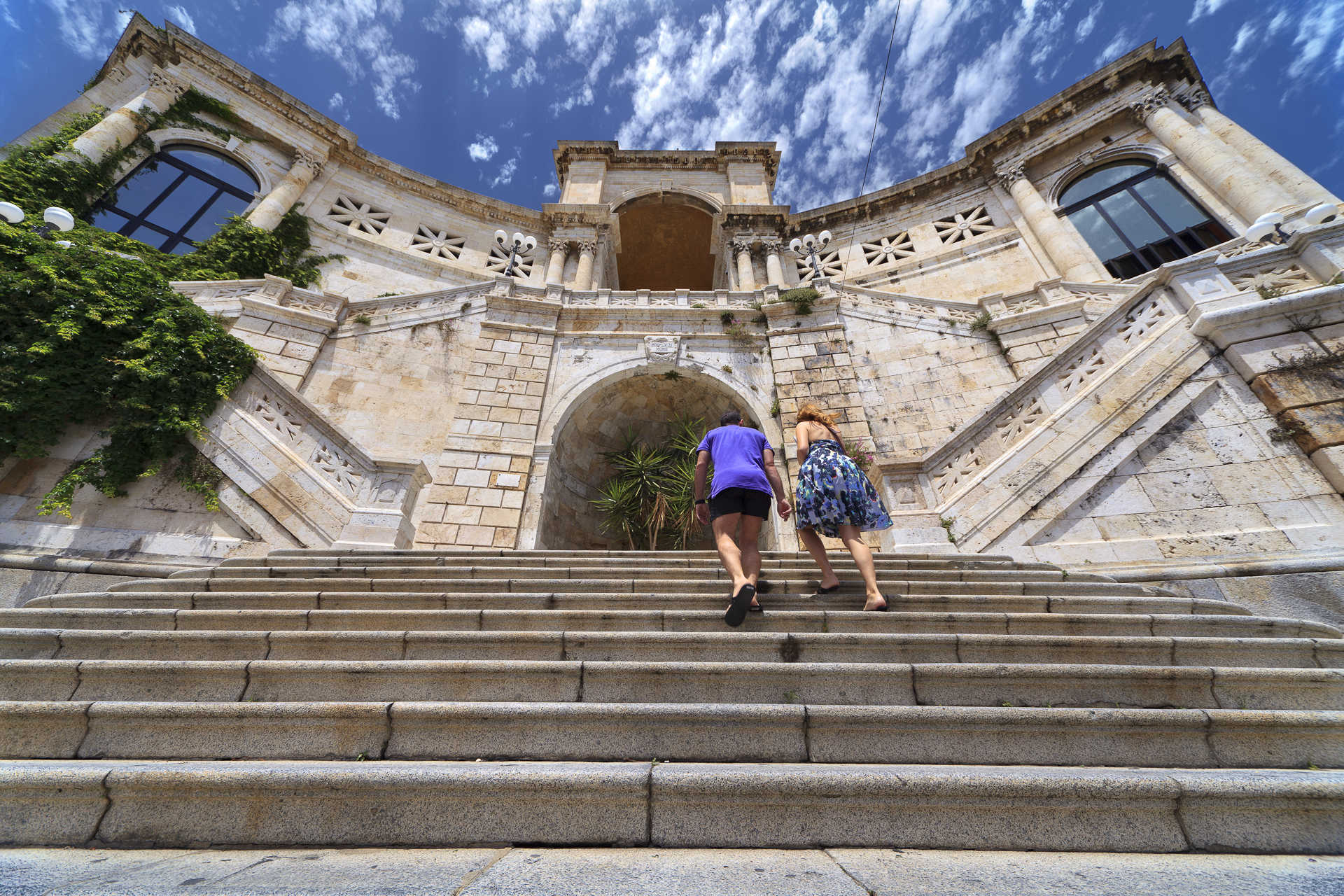
Artistic magnificence, shared memory, authenticity and a sense of community: this is the most encompassing effort to safeguard, enhance and promote the cultural heritage of Sardinia. In 2023, the 27th edition of Monumenti Aperti (Open Monuments) runs across five weekends, from the 6th of May until the first weekend of June. Hundreds of cultural sites will open their doors during this time, such as museums, archaeological sites, churches and historical buildings, natural monuments and parks. Each town will tell its tale through literary itineraries, architecture routes in cities that have been marked by centuries of powerful rulers. Students and volunteers are warming up to lead you along a travel through the beauty that crosses millennia, all the way to the farthest past. It is not a coincindence that this year's title goes by the name of 'Pratiche di meraviglia' (Practices of wonder').
Shoes full of footsteps
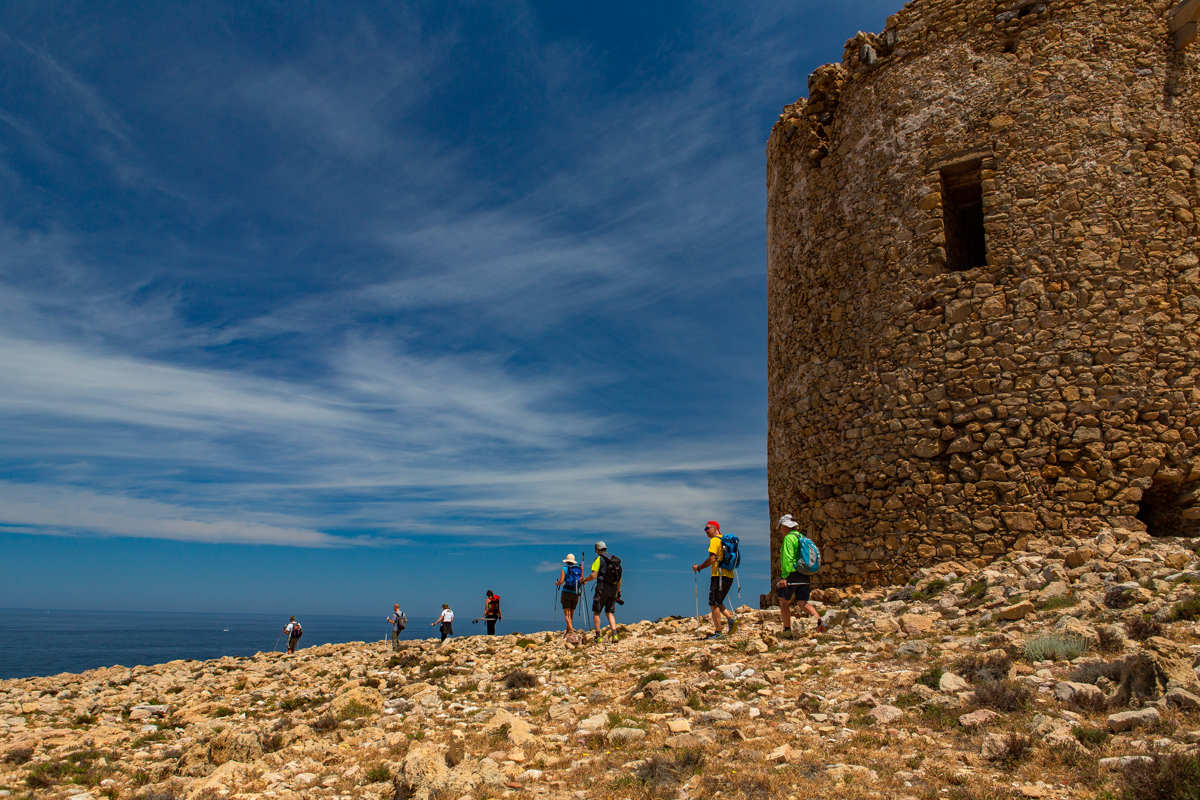
The climate is mild most of the year and the temperatures are often pleasant even in winter. Intense light floods the paths along the coasts, as they wind through the wildest hinterland landscapes. Many of these are not quite beaten tracks and are pervaded by an impalpable primordial atmosphere that dominates the beauty of the landscapes. These are paths and hiking trails that lead to the discovery of the most exclusive and private Sardinia, to be explored while connected with the spirit of the places, that touches your soul.

Trekking on silver roads
The silver veins stopped giving, mining came to a halt and silence fell in Sardinia’s mines. The network of paths that intertwine through tunnels, washeries, workshops and workers’ villages is now shrouded by the surreal atmosphere of abandoned places. At the time, donkeys and carts loaded with minerals travelled along them; today they are biking and trekking itineraries that retrace the abandoned silver roads.

Tradition at the table looks to the future
The starting point is curiosity: observing them, listening to them, mothers and grandmothers carefully choosing the ingredients, showing off their skills and performing almost ritual gestures, while patiently explaining the various steps in just a few words. Then comes the passion, the tenacity, the desire to experiment, starting by repeating what was learned and adding just the right amount of imagination. Sardinian traditional cuisine, with its distinctive local qualities providing unique sensations and flavours, takes on a new character in the third millennium: that given by the new generation of brave and talented chefs.
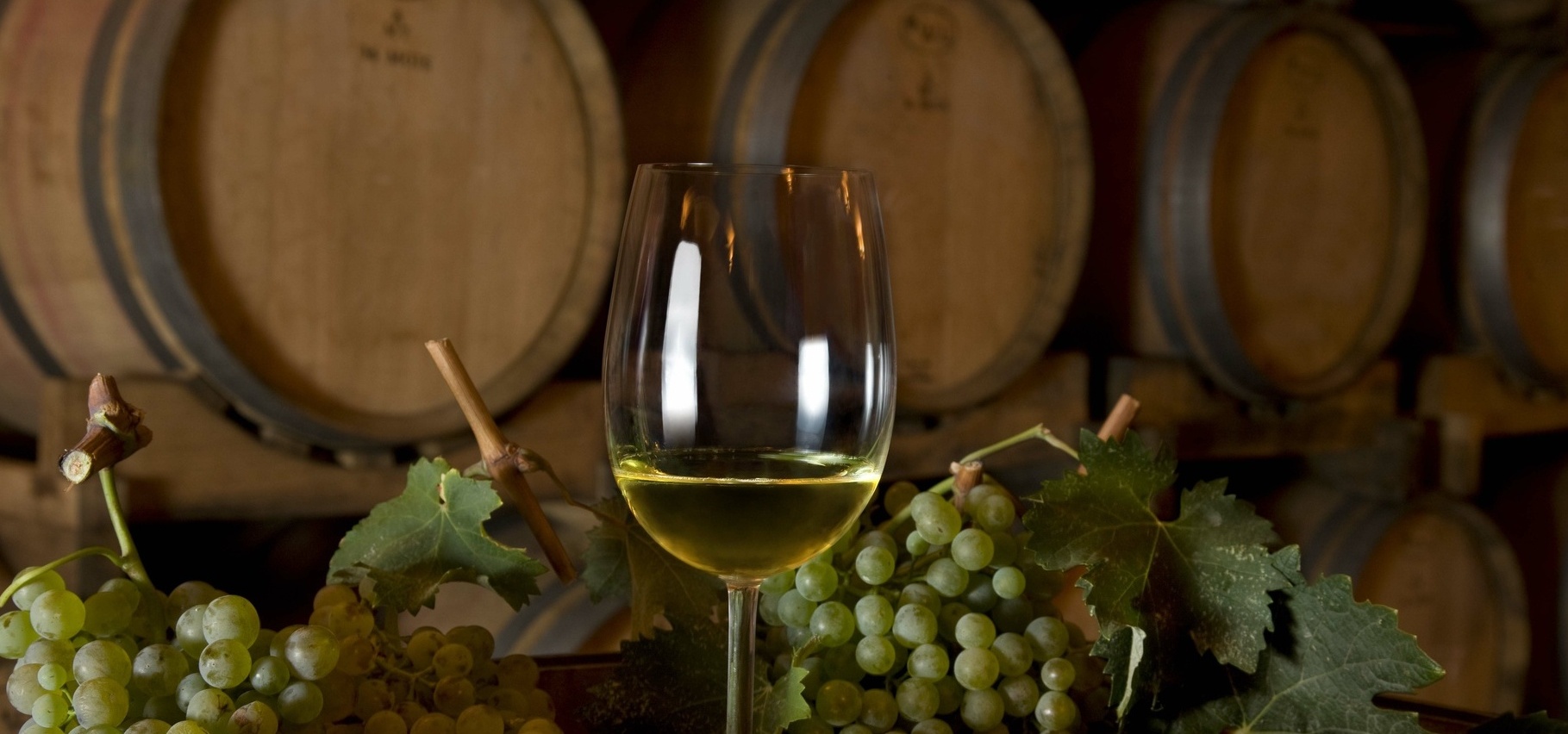
Vermentino, fragrance of the sea, sun and wind
Intense, with a strong, fragrant and harmonious character. Vermentino embodies the distinctive features of nature and of the identity of Sardinia. When you think about Vermentino, the vineyards on the granite hillsides of Gallura, caressed by the sea breeze, or perhaps the green rows that adorn the rolling landscapes across the rest of the island come to mind. Everywhere, on the land that comes from granite weathering and on the chalky and clay-rich soils, Vermentino is synonymous with full-bodied, elegant wines, with an unmistakable straw yellow colour and a hint of green.

Lunar Worlds
White and dazzling in the sun, ethereal and suspended in time, Sardinia’s lunar landscapes seem straight out of a storybook. To remind us that we are on Earth, there are a few details that strike you here and there: amazing wild flowers, the shadow of the golden eagle flying overhead, the bleating of the flocks of sheep in the distance and the scent of helichrysum. They are often found in environments that are challenging to explore. You need to be fit and accompanied by guides to get to the less accessible areas of Gennargentu, on Monte Corrasi, between Nuoro and Oliena and on Monte Albo, between Lula and Siniscola, and at sa Giuntura, along the canyon of Gorropu.
A hundred years old and going strong
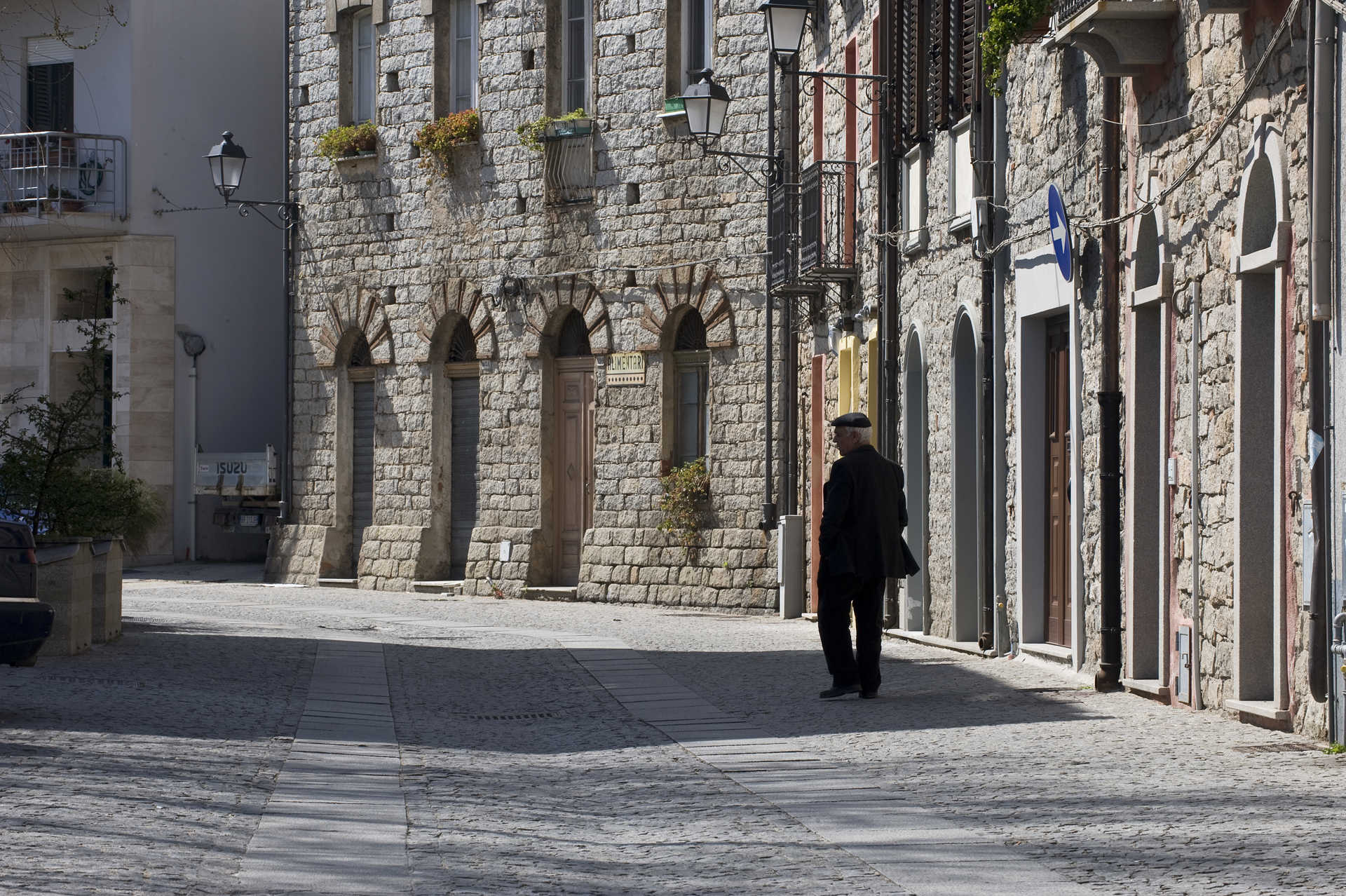
In Sardinia, and even more in Ogliastra, one of the five international blue zones, the number of people aged over ninety and in good health and good mental and physical shape is decidedly higher than average in the rest of the world. It isn’t just a question of genetic make-up. Other things that come into play are genuine food, made like it was in the past, the natural environment, the cultural and social context and the value of shared, handed-down 'memories’ of the past.
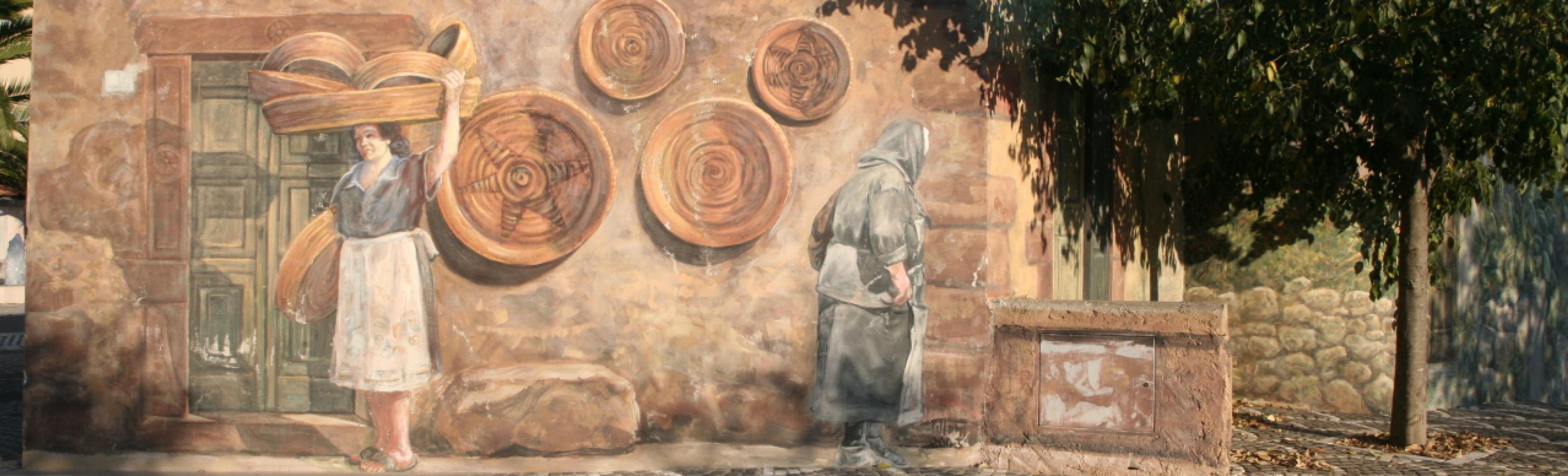
Murals, open-air art galleries
It was a group of great artists, in a historical moment marked by social and cultural ferment, that triggered the creative ‘spark’. The story of the murals in Sardinia originates in a lively little village in the Campidano countryside and then others gradually joined in, from Barbagia to Planargia and beyond, towards the north. In short, the Island became the capital of mural painting. This was partly to bring new life to decaying picturesque views, to walls in ladiri and semi-abandoned alleys, but it was above all to give impetus to the desire to make the cry of protest and suffering that involved entire communities heard. Years later, there is a new ‘flame’, a free and spontaneous one. This time, the artists transforming and reviving the urban fabric, some local and others not, are young but already internationally famous. From murals to street art, from protest to experimenting, Sardinia is always the protagonist, like an immense palette to fill with colour.