
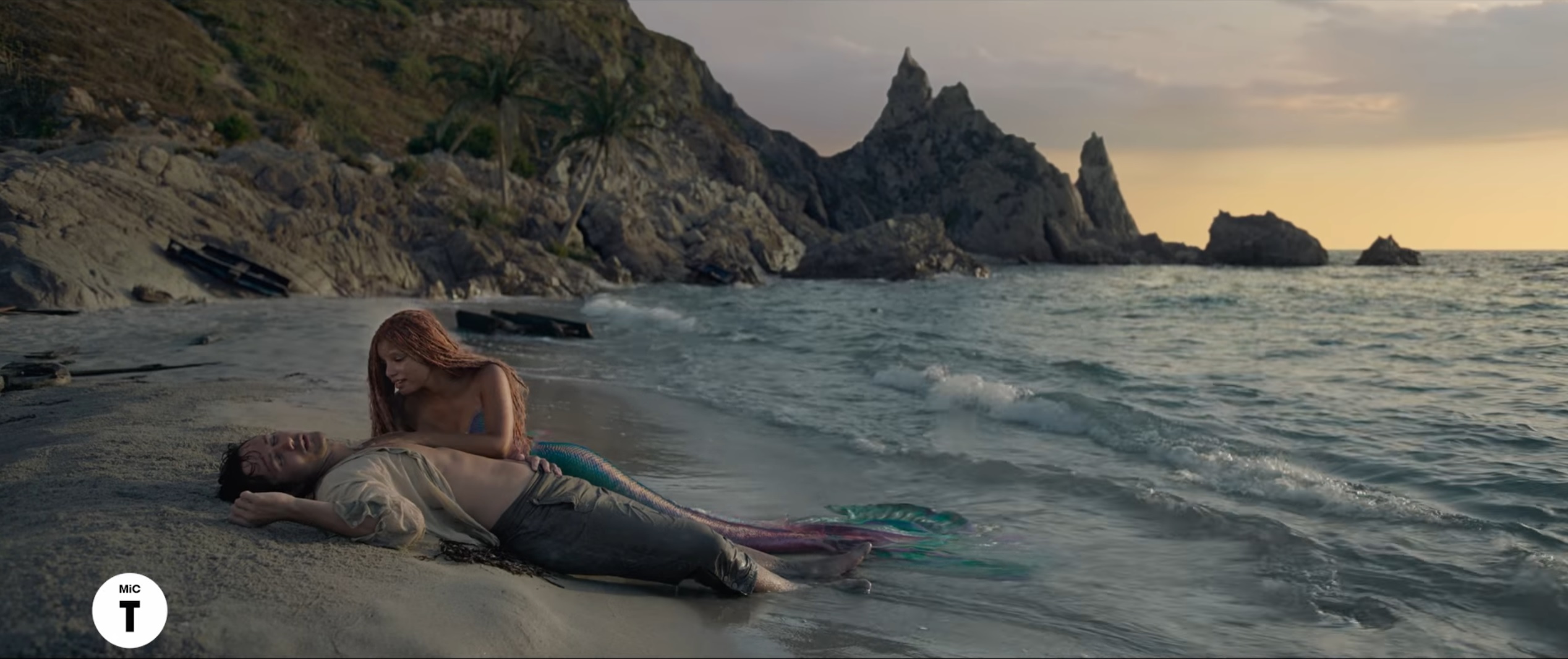
Natural scenery of an island straight out of a film
From deserted beaches to promontories overlooking the sea, from the wild Supramonte to the abandoned mining villages of Sulcis, from ancient forests to towns where time has stood still: Sardinia has always been an inspiration to writers and directors looking for scenery. Among the latest successes, there are several TV series, a very popular genre nowadays: ‘L'isola di Pietro’ (Peter’s Island), interpreted by Gianni Morandi and set on the island of San Pietro and in its village, Carloforte, and ‘Catch-22’, starring George Clooney, with its main location in the area around Olbia. The first films were recorded here in black and white, between the two world wars. The first successful film was “Forbidden” (1954) by Mario Monicelli, based on “La Madre” by Grazia Deledda, filmed between Codrongianos, Ittiri and Tissi. Ten years later, the scene of Isaac's sacrifice, part of “The Bible” (1966) by John Huston used Mount Corrasi in Oliena as a backdrop. A whole series was based on the wildest Barbagia: from “Bandits of Orgosolo” (1958) to “Father and Master” (1977) by the Taviani brothers. The theme was revisited in “Disamistade” (1988) by Gianfranco Cabiddu, set between Nuoro and Ghilarza.
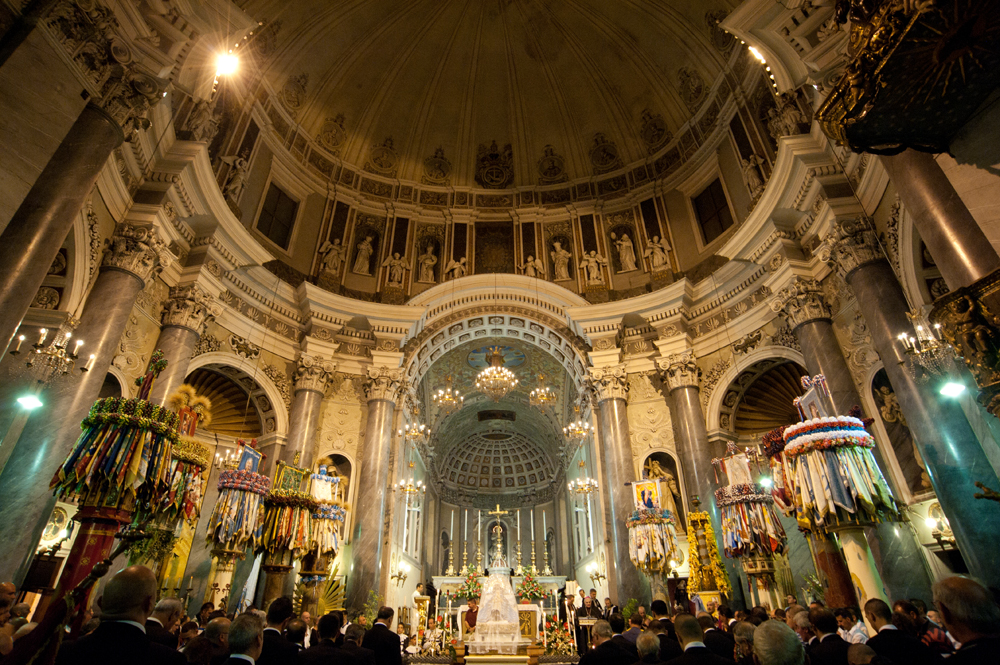
The Descent of the Candlesticks: solemnity, authenticity and exhibition
An atmosphere filled with passion and devotion. An austere scenario that is, at the same time, engaging, colourful and inebriating. The Festha Manna is event par excellence in Sassari. It is a moment of authentic and identity values, expressions of community and of tradition. It is the moment of the Faradda di li Candareri , the Descent of the Candlesticks, a dancing procession of large wooden columns, votive and symbolic candles, that advance along the town’s historical roads, from Piazza Castello, along Corso Vittorio Emanuele, to the Church of Santa Maria di Betlem. In 2013, it was included in the UNESCO Intangible Cultural Heritage List. In mid-summer, you can combine relaxation on the splendid beaches in the northwestern part of the Island with a moment of 'alternative' culture that will allow you to discover the charm of Sardinian traditions.
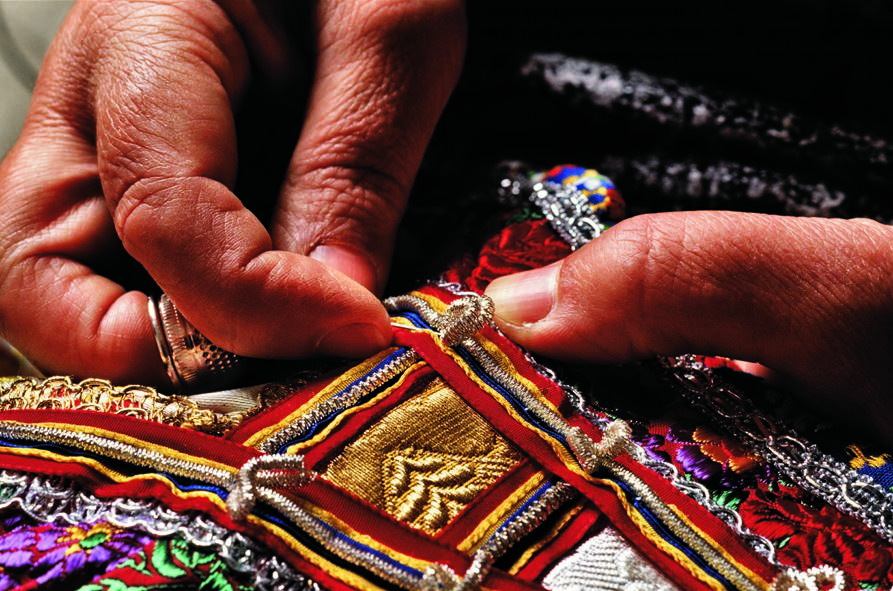
Handicrafts on display
The spirit of Sardinia is intertwined into the weaving of yarn, in the embroidery of a carpet and in the silhouette of an elegant traditional garment. Its spirit is ‘interlaced’ by skilled hands into a corbula of reed or rushes, it is woven into filigree, a Sardinian jewellery-making technique par excellence. The island’s light gleams in the blade of a arresoja, in the reflection of a glass product or in the deep red of a coral necklace. Its fire burns in the forging of wrought iron furnishings. The Sardinian soul lies in each stone sculpture, an archaic symbol of an ancient land. Exploring Sardinia means delving into its most profound and authentic identity through the techniques of adorning a scivedda (a ceramic vessel) and the wood carving of a cascia (a hope chest) and carnival masks, in tanning skins to create footwear or saddles. Traditional and designer arts and crafts form a vital spirit in Sardinia, an essential cultural component of a people that has proudly handed down knowledge and skills for centuries.
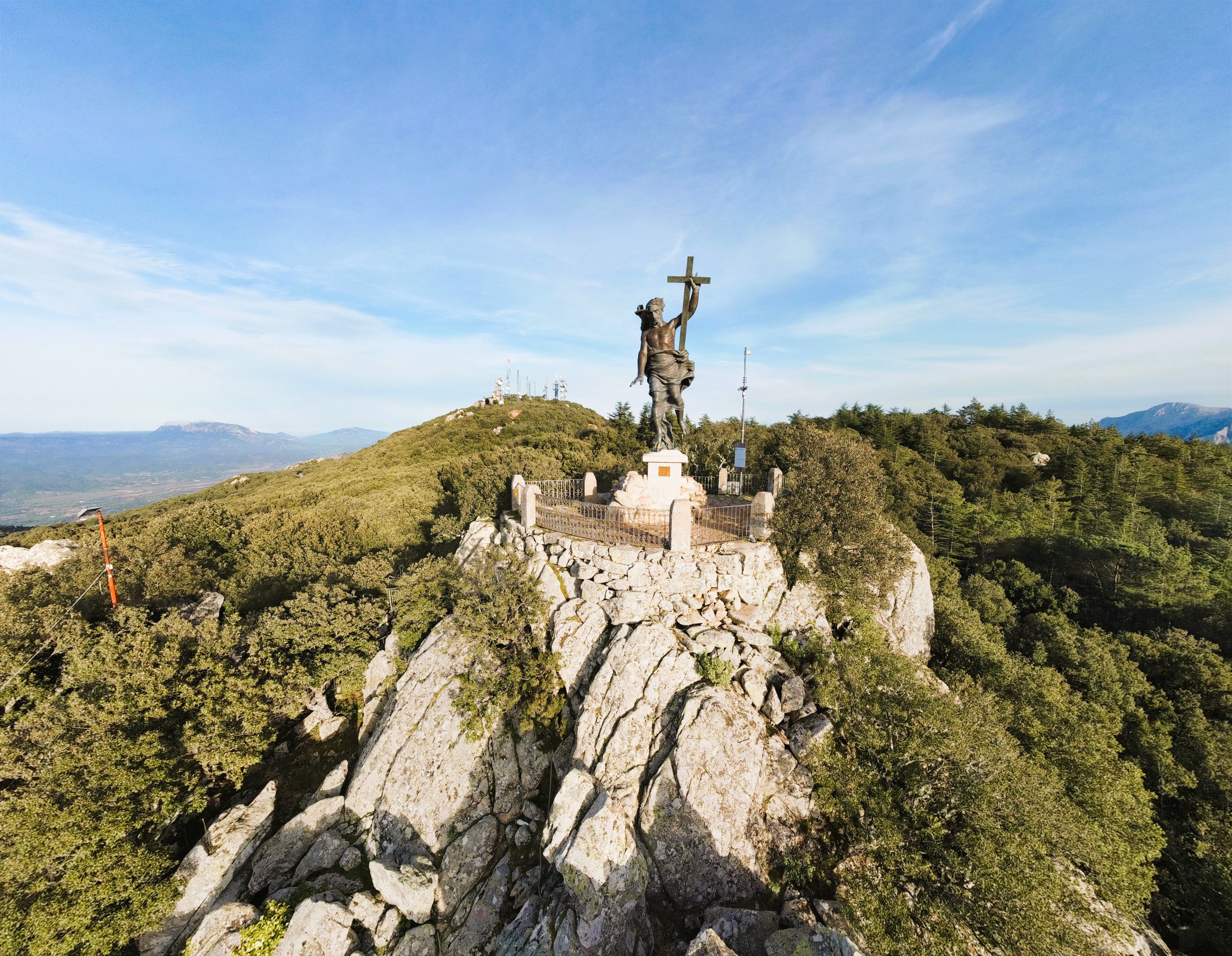
The Redentore Festival: religion and folklore
In Barbagia, an area of extraordinary beauty, once inaccessible and now a land of genuine hospitality, every year at the end of August, tens of thousands of people take part in an important event for the island: the Redentore Festival in Nuoro. Born as a tribute to the statue that has overlooked the town from Mount Ortobene since 1901, over the years the festival has also (increasingly) acquired a folkloristic note. Today it has a twin soul: two different moments, one dedicated to religious celebration and the other to a spectacular parade of people dressed in traditional outfits from all over the island. The festival encapsulates the many facets of Barbagia, a region where ancient places and traditions are preserved untouched, and still today loves to talk about itself, as have many great writers.
Autunno in Barbagia, discovering the heart of Sardinia
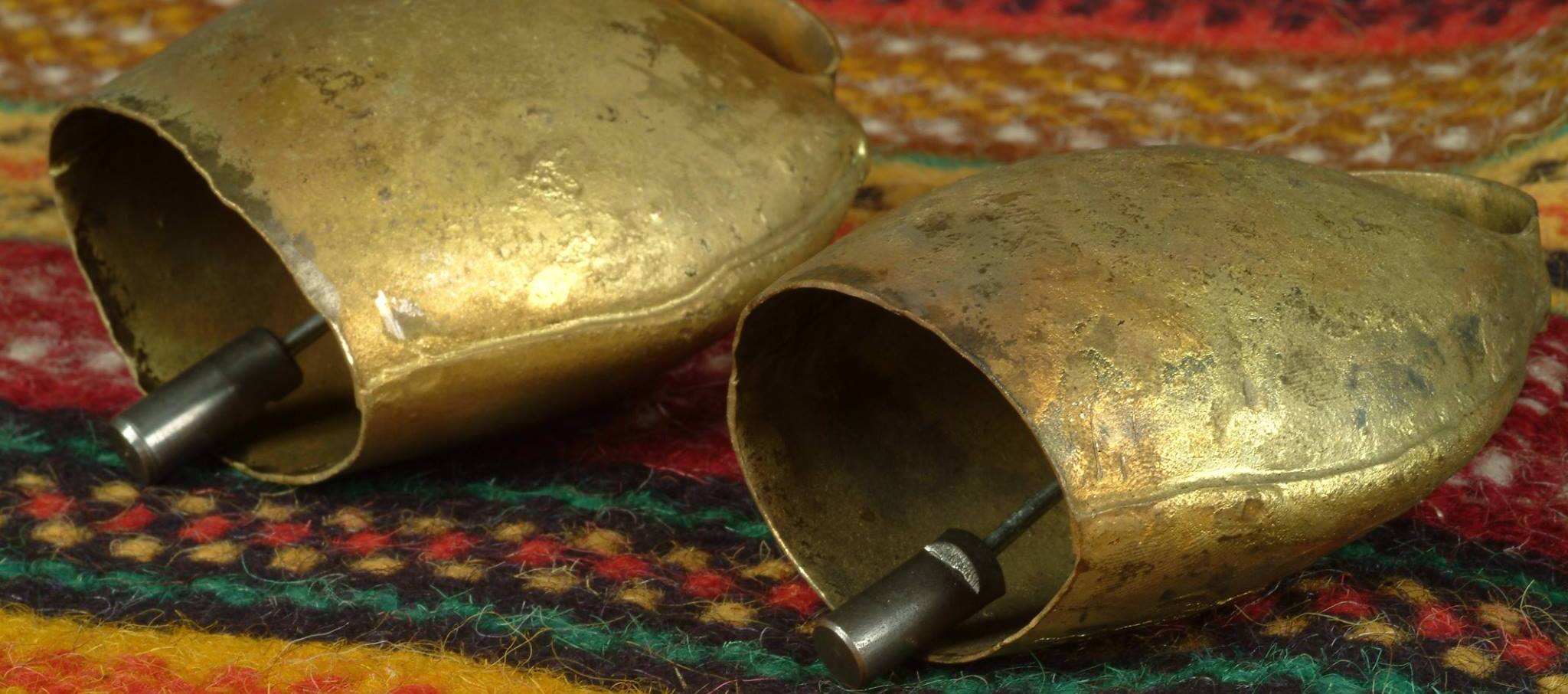
Skilled hands embroider clothes and rugs on frames, make su filendeu and other traditional pasta and decorate su pani pintau, those of sos maistos carefully craft ceramic vases, add intarsia to arresolzas and create filigree jewels. In the kitchen of the cortes su carasau are slipped into the oven and pan’e saba, pistiddu and durchicheddos are stuffed. Woodworkers cut the wood to build sas cascias, ironmongers skilfully hammer their wares, farmers crush freshly harvested grapes and shepherds make ricotta cheese. Meanwhile, guests leaning out over the belvedere sample tasty nibbles with full-bodied wine. And they chat to craftsmen, learning about the traditions of the past. Autumn in Barbagia is a trip into the “heart” of Sardinia, an itinerant exhibition of authentic traditions of the Barbagia area. For four months, weekends will see cultural, artisanal traditions and local food and wine showcased. All within the houses “a corte” in villages and towns. Each community with its own speciality.

Discovering thousands of years of history on foot
Walking in a rhythmic, meditative way, you can really appreciate the best of a unique, mythical land, fully taking in enchanted landscapes and views, getting to know the people and communities that inhabit it and their authentic traditions. Sardinian walks, spiritual experiences and destinations for pilgrimage offer everything the "slow tourist" is looking for, in full contact with the nature, culture and true identity of the places you visit, providing an enriching, educational experience. The island's walks are ideal for tourists looking for an intimate, true experience in a unique natural and cultural setting, and in an area that sees hospitality as sacred. To be seen on foot, by bicycle, on horseback or with the Trenino Verde.
The mysterious beauty of Carnival in Sardinia
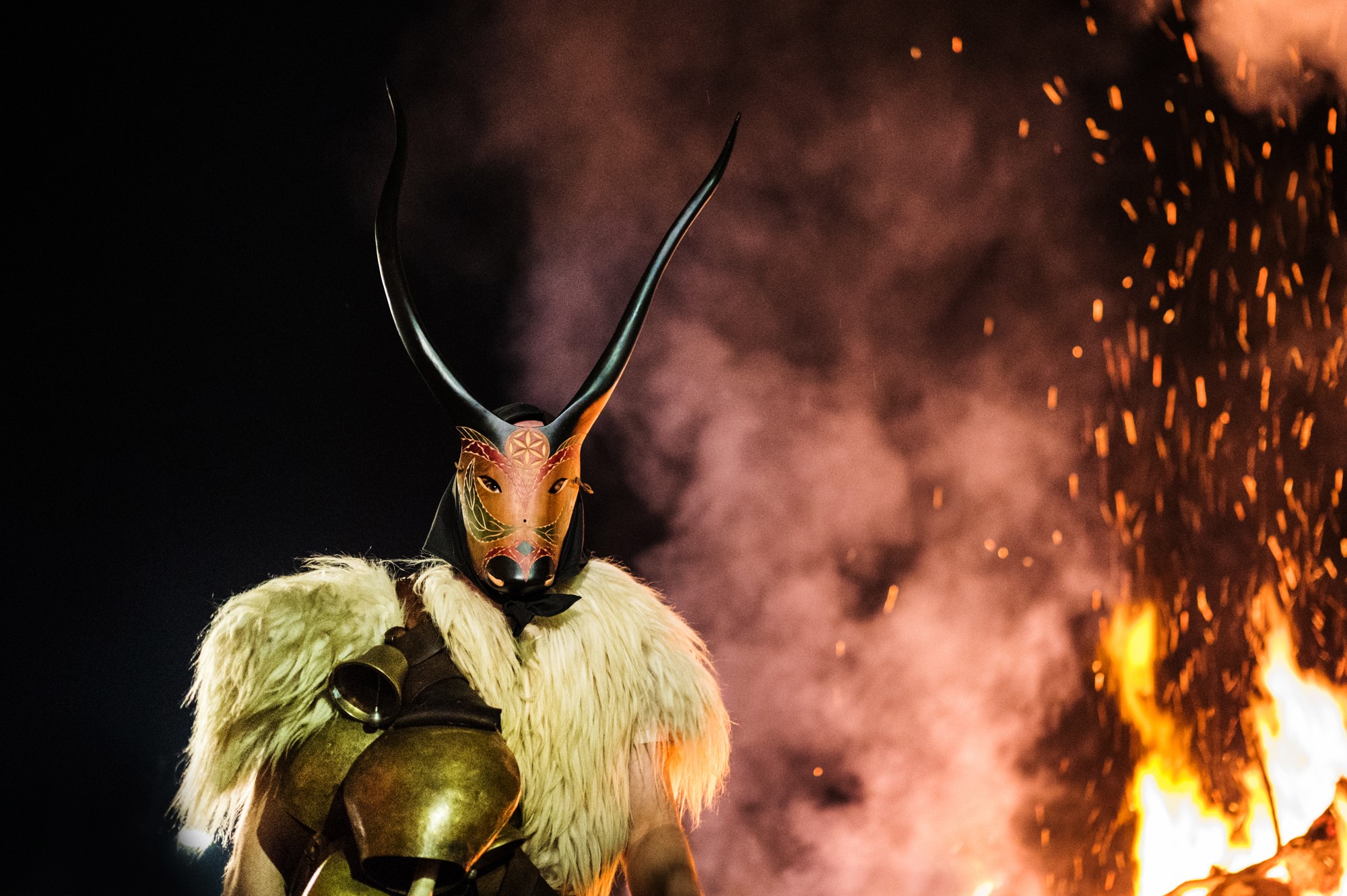
With the lighting of the spectacular bonfires in honour of Sant’Antonio Abate, an ancient, solemn rite performed in many of the island’s towns, Sardinia reawakens its spirit and enthusiasm during Carnival. Su Karrasecare has many different sides to it and each community celebrates it with its own traditions, vocations and spirit. January 17 marks the beginning when the bonfires of Sant’Antonio are lit, and Ash Wednesday marks the end, with the beautiful, heartfelt celebrations in Ovodda. They are the first events of the year to enliven winter with ages-old rituals. Sacred and profane, passion and identity, exciting rhythms and magnificent settings like the one at Gavoi, where the tumbarinos (drummers) play. In every town, from the North to the South, you can enjoy typical carnival delicacies like fava beans and lard, pistiddu and coccone, zeppole (doughnuts) and fine wine.
Sartiglia, timeless excitement
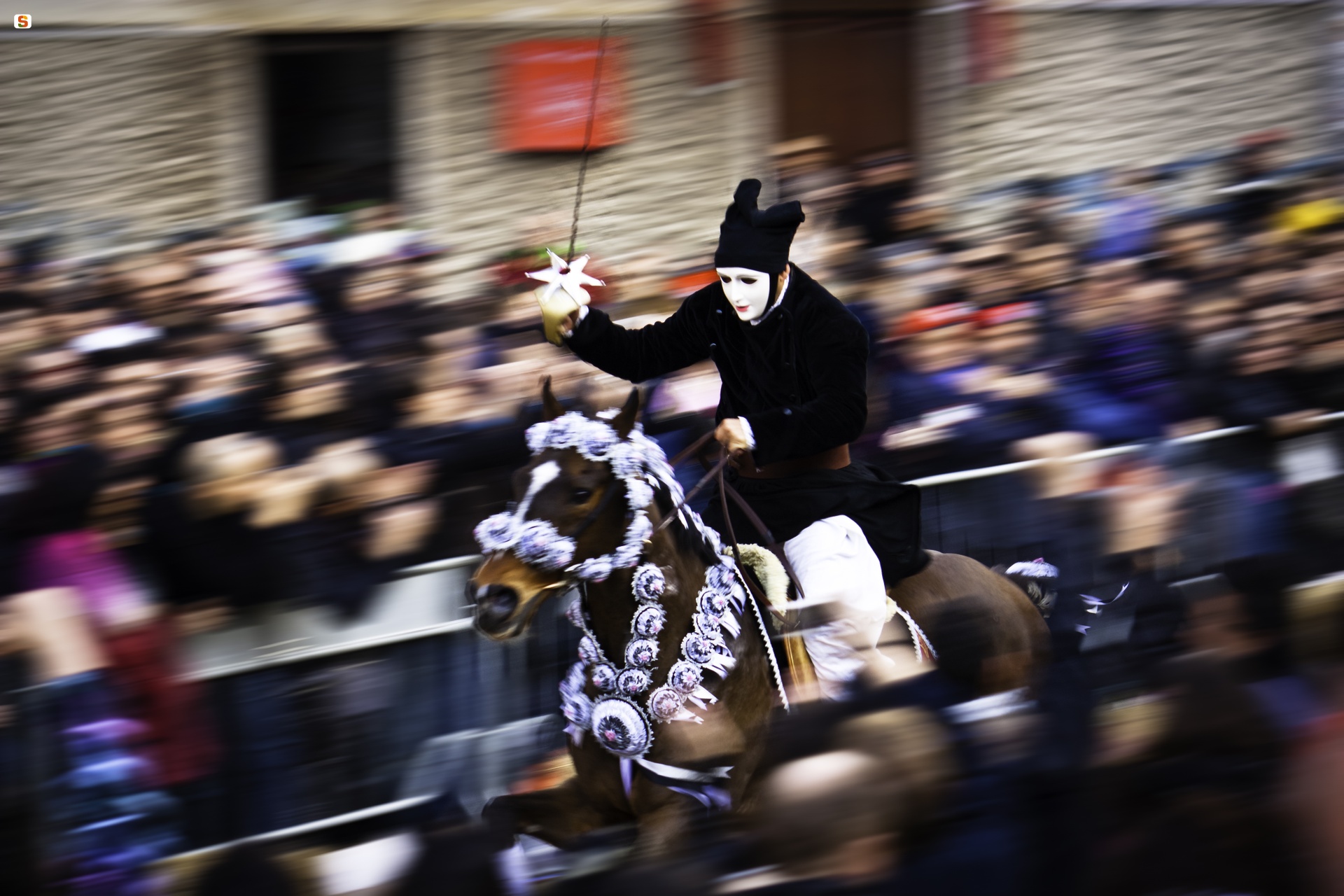
The snorting of steeds and stomping of hooves, the clanging of harnesses and roll of drums, the excited chatter of the audience: it’s a show rife with unforgettable emotions. Sa Sartiglia is an equestrian joust whose roots are set deep in ancient pagan rites of fertility and prosperity, it is the most anticipated yearly event in Oristano, a city that has made its mark on Sardinian history since the times of the Giudicato. More than a hundred masked horsemen elegantly clad in period Sardinian-Spanish dress gallop at full speed on horses fitted with decorative harnesses to the dramatic and insistent beating of drums. The aim of the “race for the stars” is to hook the hanging stars onto one’s sword and it takes place twice: once on Carnival Sunday (11th February) when the horsemen compete during the gremio dei Contadini, and then again on Mardi Gras (13th February), for the gremio dei Falegnami, while Monday’s Sartigliedda is for young people. After the races teams of horses engage in daring exhibitions, and then the Carnival partying continues on the town squares into the wee hours. Almond sweets and delicious local vernaccia wine are enjoyed by all.

Filindeu and Carasau, breads with simple, eternal flavours
For five centuries now, every year, during the nights of 1 May and 4 October, there is Feast of Saint Francis. Worshippers on a pilgrimage move along the roads of Barbagia to the sanctuary of the saint on the hill dominated by Monte Albo. In a climate of meditation and spirituality, a delicacy made by the local women reaches the pilgrims' plates: su filindeu, the threads of God, a soup that warms the body and nourishes the soul.
The challenge for the cliffs over the sea
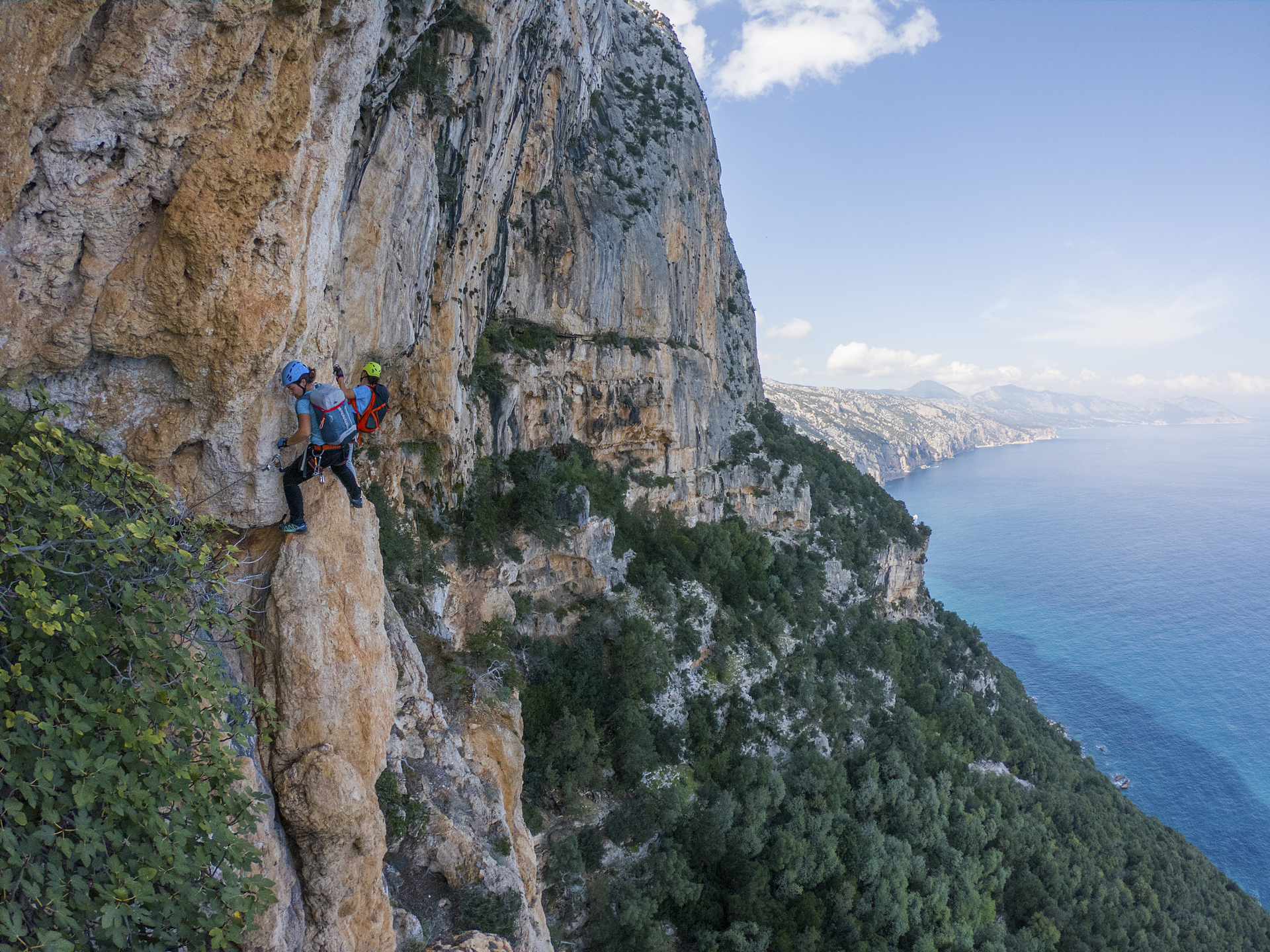
If you find the climbing harness, the rope and nuts exciting, then the central-eastern part of Sardinia is the place for you. You can get to the Gulf of Orosei by car, motorcycle and camper van: departing from Baunei and following the directions for Golgo, after a stone path bordered by shrubbery, you will come across the wide depression of Arcu Annidai. From here, you can leave the path to get to Punta Salinas, or you can move along the ridge that leads to the sea until you get to the Aguglia di Goloritzé that dominates the beach. It is a limestone monolith in one of the most spectacular landscapes of the Mediterranean, ideal for climbing up a rock face. When you are at the top, with your muscles still taut, breathless and with your lungs seeking oxygen, you will feel like you have conquered the island.