
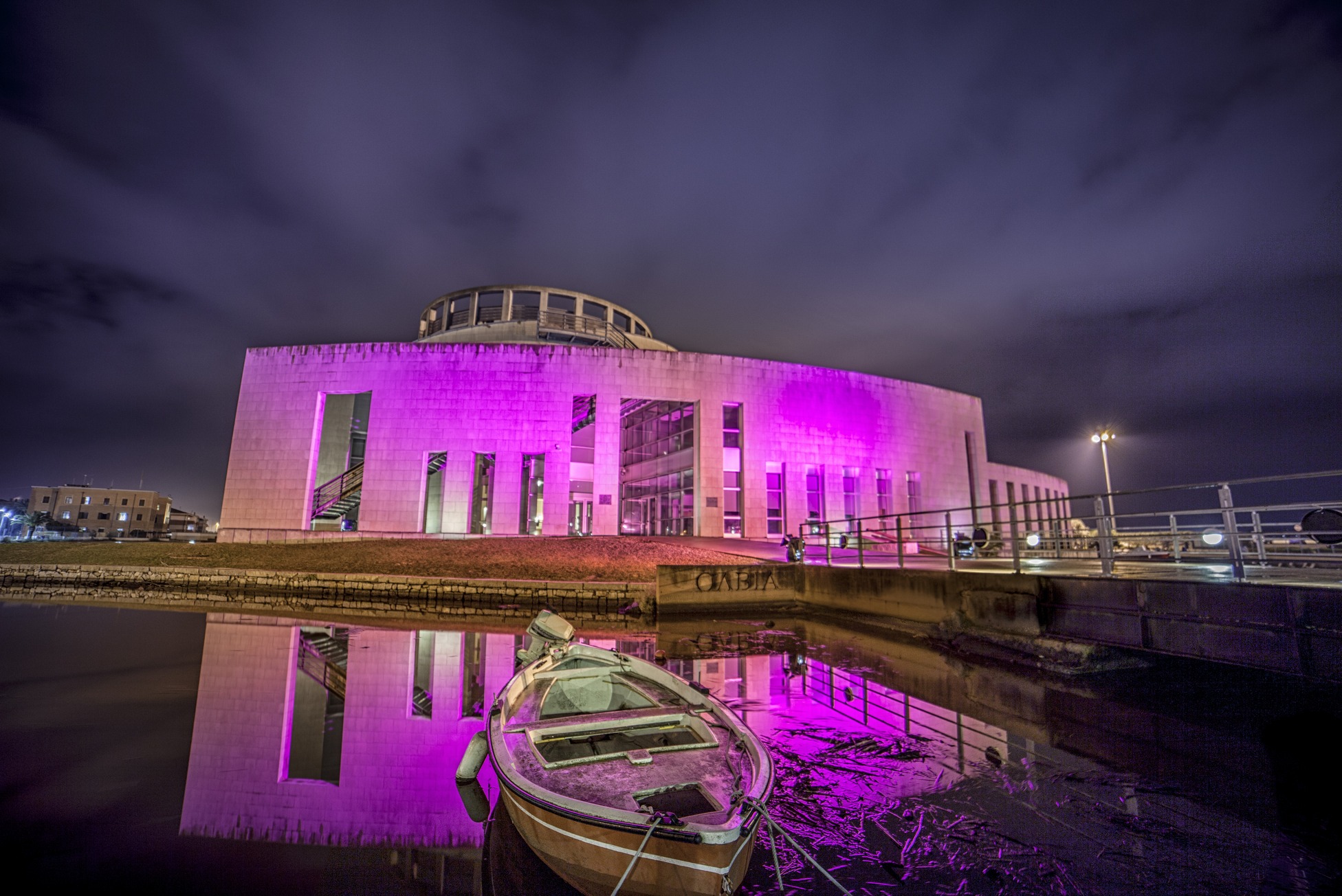
Archaeological museum of Olbia
The history of Olbía, Greek for “happiness”, of its harbour and the thousands of years of layers of culture. On the small Peddone island a short walk from the old port is the archaeological museum of Olbia, the Gallura region’s main city, home to an exhaustive collection of relics from the ancient civilisations that thrived in Sardinia. As an homage to its location on the sea and the role the port city played in the island’s history, the museum is shaped like a ship at anchor, with portholes and hanging walkways. The exhibition is dedicated to the history of the port and city and focuses on the Phoenician, Greek, Punic, Roman, medieval, modern and contemporary eras.
The museum has two levels. In the first hall on the ground floor are the ancient masts and rudders of real ships and the reconstruction of two laden cargo ships that were burned down during an attack by Vandals in about 450 CE. In the fourth room you will get a feeling, by way of a projection, of what the attack was like, with the sinking of eleven ships, an event that marked the end of the Roman era in Olbia. The second and third halls display other remains from the port, including a medieval shipwreck, the only one of its kind in Italy. A model of the harbour as it was in the 2nd century CE can be found in last hall. The first hall on the second floor focuses on pre-Nuragic and Nuragic eras, Phoenician settlement (750 BCE) and Greek occupation (630-520 BCE), when Olbia was the only Greek port in the western Mediterranean Sea. Greek relics were, of course, unearthed during digs here. The second hall is dedicated to the Carthaginians, symbolized by the granite stele featuring the goddess Tanit, and then the Romans. The third hall is home to terracottas, funerary items and amphorae dating to when the Punic civilization gave way to the Roman one, while the following room documents Olbia in full Rome era (from the mid-1st century BCE). You will see sculptures like the heads of the Emperor Domitian, the Empress Domitia and an extraordinary one of Hercules, the city’s most revered divinity. The fifth room deals with the relationship between Roman Olbia and the Mediterranean, as well as the traumatic advent of the Vandals. The items on display include clay lamps, coins, rings, necklaces and an Egyptian statue of the god Osiris. The last hall on the upper floor is devoted to the Byzantine era, when the city was reduced to a mere town, and then subsequent periods: as the capital of Gallura, during the Spanish-Aragonese period (when it was called Terranova), the Piedmontese era, during Italy’s unification and afterwards.

Sa Chida Santa: authenticity, passion and mystery
Centuries-old ceremonial rites rooted in the Middle Ages and tinged with Spanish tradition come together in archaic Campidanian, Logudorenian and Barbagian traditions that date back to Nuragic paganism. During Holy week, from the coast to hinterland villages you will discover Sardinia’s most authentic essence and experience an itinerary of sacred rituals that revolve around the Passion of Christ. Holy Week in Alghero reveals its Spanish roots. It all starts on the Friday before Palm Sunday with the Addolorata Procession and ends at Easter with the Encontre. The Disclavament (deposition) is deeply emotional: the body of Christ is carried in procession on His deathbed and as the sun sets, the town is illuminated by glow of torches and lanterns draped in red veils.
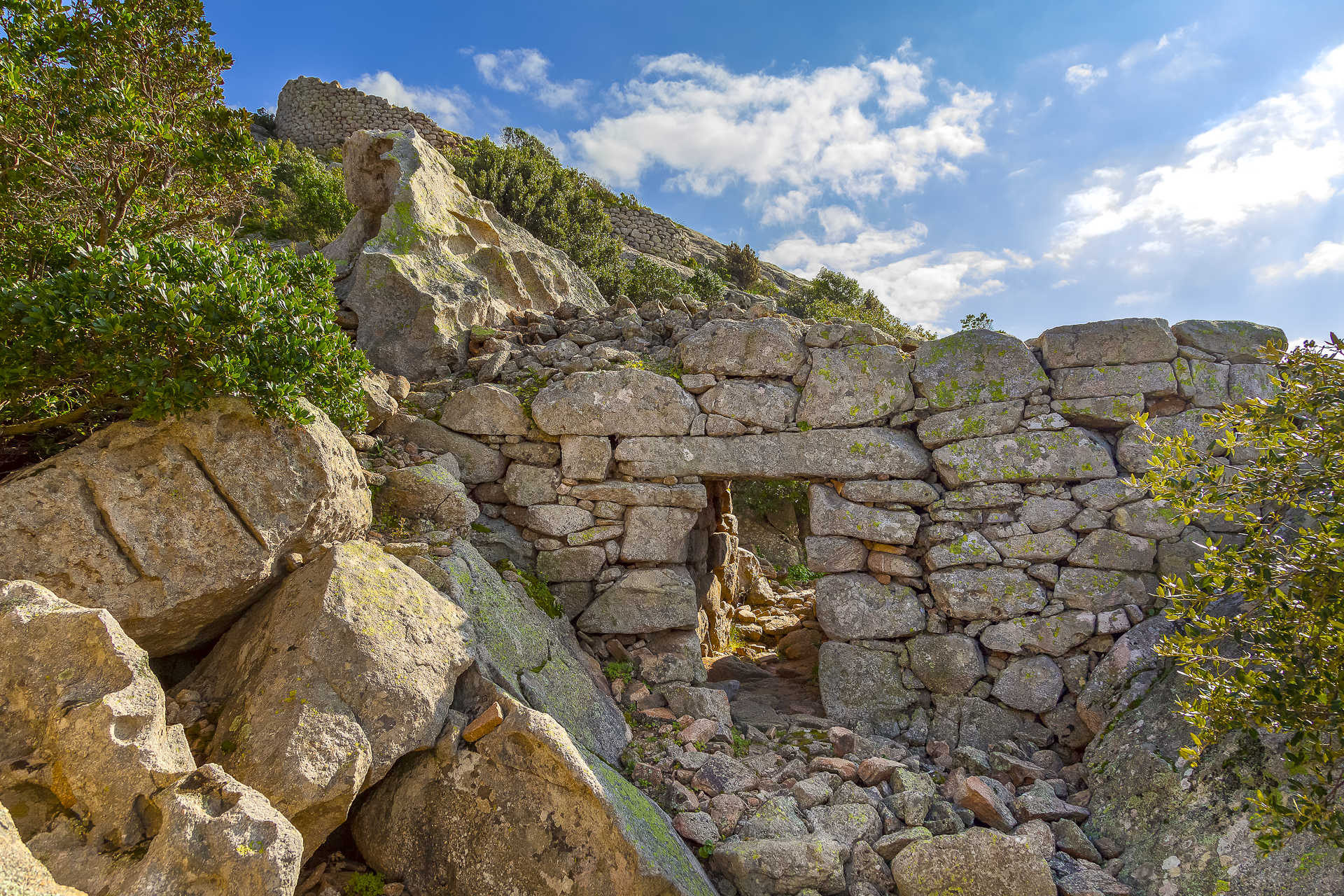
Riu Mulinu
From its almost 250 metres high strategic outlook on Cabu Abbas, it kept watch for enemy ships, its view over the horizon stretching all the way to Tavolara island. The Riu Mulinu nuraghe is one of the best known Nuragic fortifications in the northern part of the island. It rises just a few kilometres from Olbia and dates to 1300-1200 BCE. The main tower is well protected by a great 220 metre long wall that encircles the hilltop with widths and heights of up to five metres at some places. What distinguishes this wall is that it envelopes rocky outcrops along its perimeter. There are two entrances, a southern and a northern. Inside is a circular tower with a diameter of about eight metres.
Constructed with blocks of granite, the nuraghe has a corridor with small niche and stairs that once led to an upper level, no longer open. The area below the stairs leads to a sacrificial pit where burned bone fragments and ceramic bits were uncovered. Archaeologists began digging here in 1936 and have found a small bronze statuette of a woman with an amphora on her head. This important find allowed scientists to date the site and declare it one where sacred rites of water worship were performed.
Riu Mulinu is Olbia’s most important Nuragic site, but there are two other important monuments from the 2nd millennium BCE: the sacred sa Testa well, another shrine of water worship just outside of town, and the Giant Tomb of su Monte de s’Aba (or de s’Ape), unusual because it served as a common grave where the dead were buried together. Olbia (which means “happy” in Greek) was first settled by Phoenicians and Greeks and then came under the Romans, who, among other things, built an aqueduct, thermal baths and a s’Imbalconadu, a typical Roman farm. To complete your tour of the history of the city, continue your journey through the eras at the Archaeological museum located on the small island of Peddone inside the museo della necropoli under the beautiful Basilica of San Simplicio, the city’s patron saint.
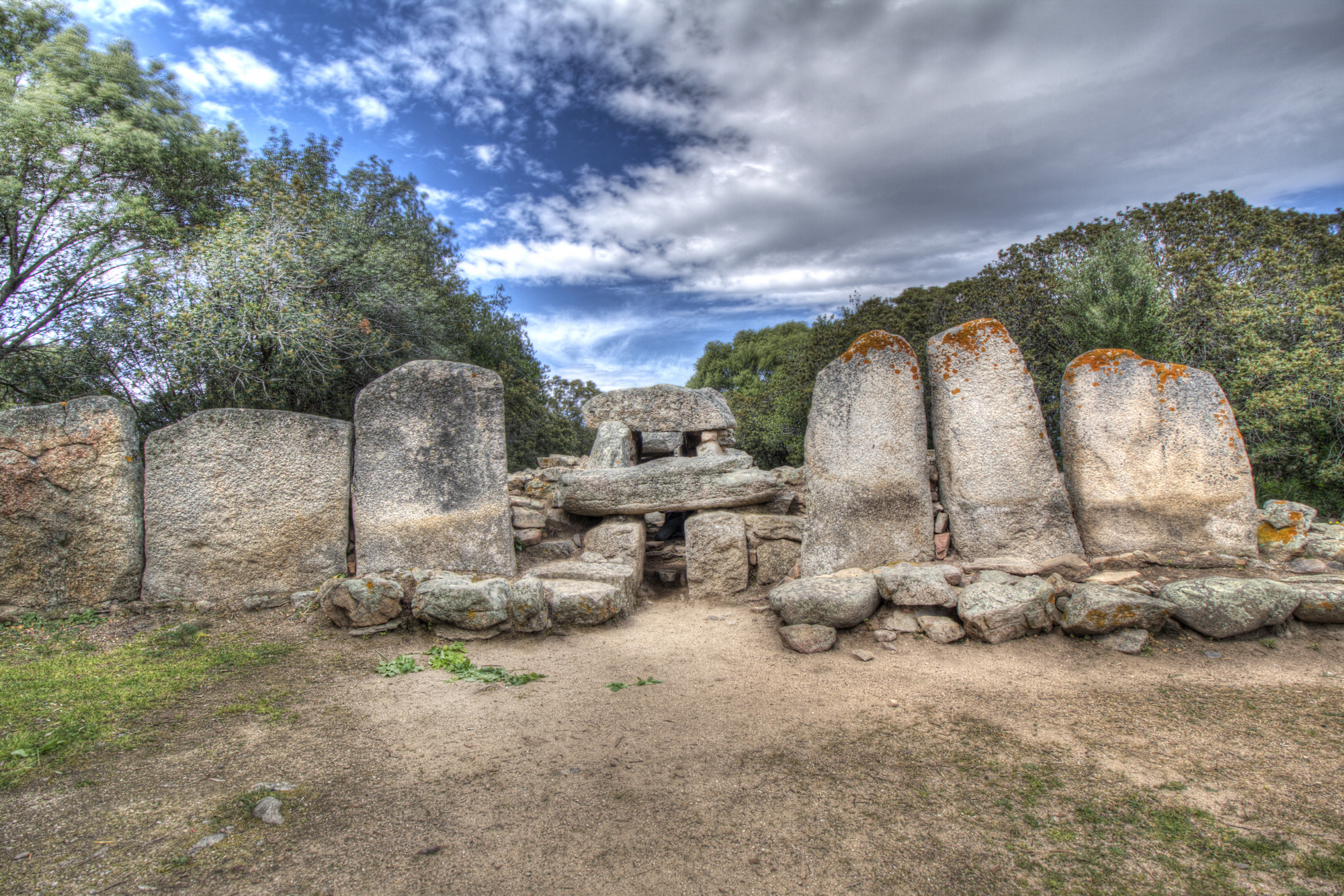
Giants' tomb of Mont’e s’Abe
Facing the Pedres Castle, near Olbia, a veil of mystery surrounds a Nuragic burial ground. Unlike the thousands of other graves of its kind, at the su mont’e s’Aba (or s’Ape) Tomb of the Giant the deceased were buried together. The sacred rites were performed in the funerary room but, unlike elsewhere, no funerary documents were found in the sacred well to accompany the dead to his or her encounter with the divinity.
The building was constructed in two phases. In the first phase, which dates to the period of the Bonnanaro culture, the tomb was built in the allée couverte manner, a sort of elongated dolmen. Then, around the year 1600 BCE, it was transformed into a Tomba di Gigante (literally Tomb of the Giant) with exedra and stele, traces of which can still be seen. The building, which was originally built in the shape of a bull’s head, the divinity responsible for generating life, had a semicircle in front of it.
At the centre of the exedra is a four metre tall granite stele and, at the base, a small opening that led to the funerary chamber within. This chamber is ten metres long, while the entire structure outside, still visible today, is 28 metres long and six wide, one of Sardinia’s largest.
Other remains of Nuragic civilization in the area around Olbia are the Riu Mulinu nuraghe, one of northern Sardinia’s most important prehistoric monuments, and the sa Testa sacred well, where rituals associated with water worship took place. Olbìa, which means “happy” in Greek, was founded by the Greeks and later became a Roman colony. Fascinating traces of Roman domination are still evident today: an aqueduct, thermal baths and s’Imbalconadu, a typical Roman farm. To fully complete your cultural tour of ancient Sardinia, do not miss a visit to the unique Archaeology Museum on the little island of Peddone. Here you will embark upon a journey into distant eras of the past, and to the necropolis museum underneath the lovely Basilica of San Simplicio, the city’s patron saint. And, finally, the iridescent ceramic dome of the Church of San Paolo will be the star of many of your photos.
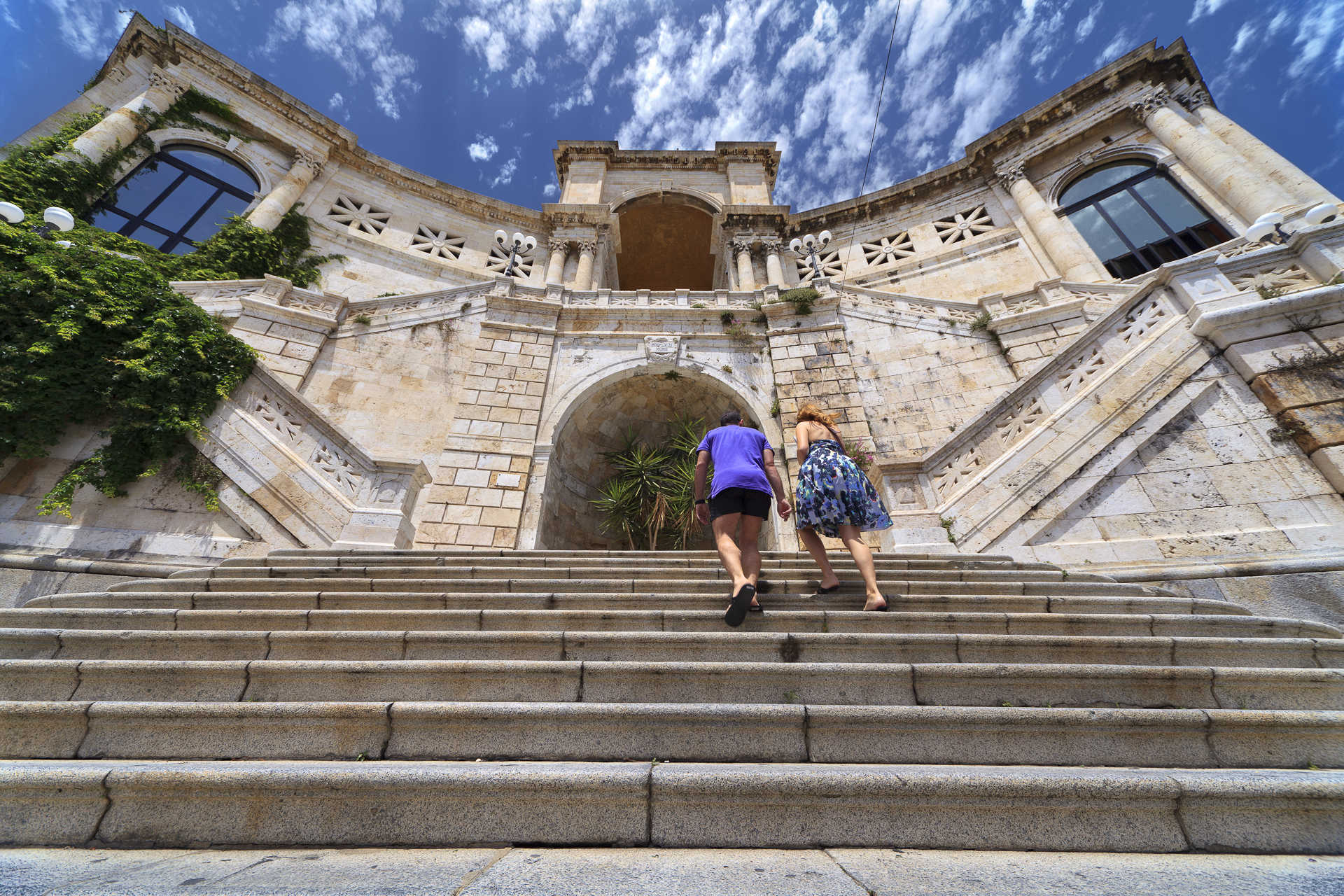
Sardinia unveils its architectural treasures
Artistic magnificence, shared memory, identity and a sense of community: this is the most encompassing effort to safeguard, enhance and promote the cultural heritage of Sardinia. Following in last year's footsteps, the 2025 edition — the 29th — will once again take place in two phases, stretching across nine weekends: from May 3 to June 1 for the first phase, and then again between October and November. Hundreds of cultural sites will open their doors during this time, such as museums, archaeological sites, churches and historical buildings, natural monuments and parks. Each town will tell its tale through literary itineraries, architecture routes in cities that have been marked by centuries of powerful rulers. Students and volunteers are warming up to lead you along a travel through the beauty that crosses millennia, all the way to the farthest past. Places of yesterday and today, where memories of the past and ideas aiming towards the future coexist.

Bassa Trinità
On the northernmost stretch of the coastal road that runs along the entire perimeter of the island of La Maddalena you’ll find the enchanting beach of Bassa Trinita. It is shielded between a 128-metre-high rocky spur, once used as a military battery, and small granite coves connected to each other. The name comes from an ancient church, called ‘Della Trinità’, which was built immediately after the occupation of the island (in 1767) and stands in the centre of a small village once inhabited by Corsican people.
The location is a place of worship deeply heartfelt by the islanders and this area is also very popular with sea lovers. Downstream of the church, the beach was originally called abbassu à Trinita, which means ‘under the Trinity’. It has fine-grained white sand and is surrounded by granite rocks emerging from the sea. The seabed is sandy with shallow waters reflecting shades of turquoise, blue and green. Behind the beach, Mediterranean scrub is the protagonist, enriched by numerous plant species typical of the Gallura coast. The area is equipped with all the bathing facilities you need, as well as convenient parking and refreshment areas. From Bassa Trinita, you can trek along a nature trail that takes you on a visit of the entire surrounding area.
After exploring the nearby area, carry on to visit all 45 kilometres of the coast of La Maddalena: the inlets and little coves are bordered by granite and porphyry rocks. To the north, you’ll find rocks shaped by the wind and beaches of white dunes similar to Bassa Trinita, like Cala Lunga and Monti d’a Rena. To the east, just beyond the isthmus that connects La Maddalena to Caprera, Spalmatore offers you a captivating landscape. In Cala Francese there are several paths that allow you to discover the silent bays and dreamy beaches. In the southwestern part, following the Padule, seafront, you come to the enchanting Nido d’Aquila. Not far away, another marvel awaits you: Punta Tegge.
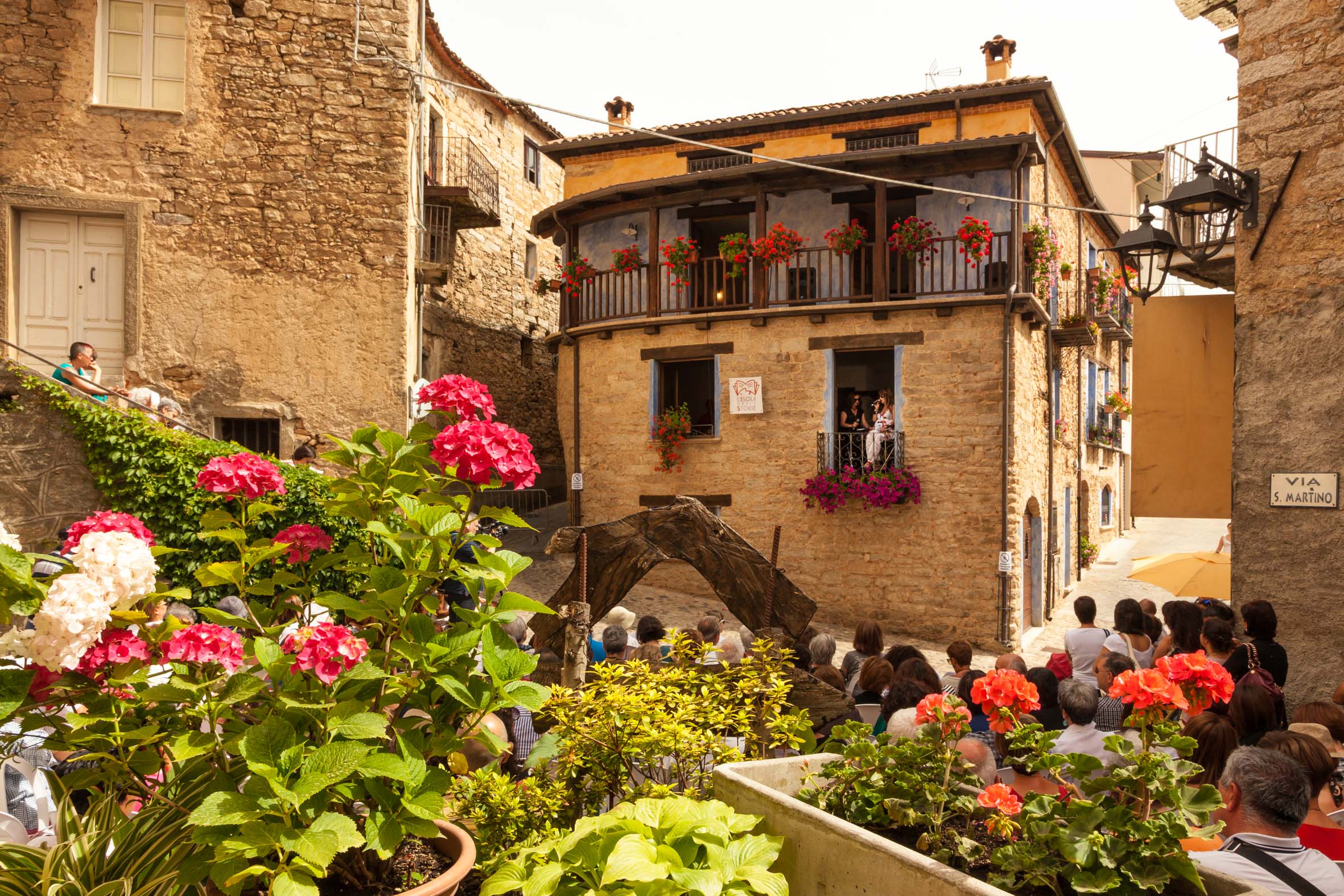
Spring in the villages
The explosion of spring colours on the island are in harmony with one of its most typical ‘picture postcard’ views: the colourful houses of Bosa. Walking along the Temo River, you can admire their reflections in the water, climb the hill dominated by the Malaspina Castle and, by crossing the Ponte Vecchio bridge, you will reach the south bank and discover the ancient tanneries. You will be welcomed by a glass of malvasia wine and impressed with coral jewellery, asphodel baskets and precious textiles. Bosa is a concentrate of history and craftsmanship, industrial archaeology and special treats. Do not miss the churches: the ‘cathedral’ of the Immacolata Concezione, Nostra Signora de sos Regnos Altos inside the castle, and san Pietro extra muros, at the centre of Bosa vetus. And then there is the natural beauty: the park of capo Marrargiu , the reserve of Badde Aggiosu and, on the coast, Bosa Marina, s’Abba Druche and Compoltitu.
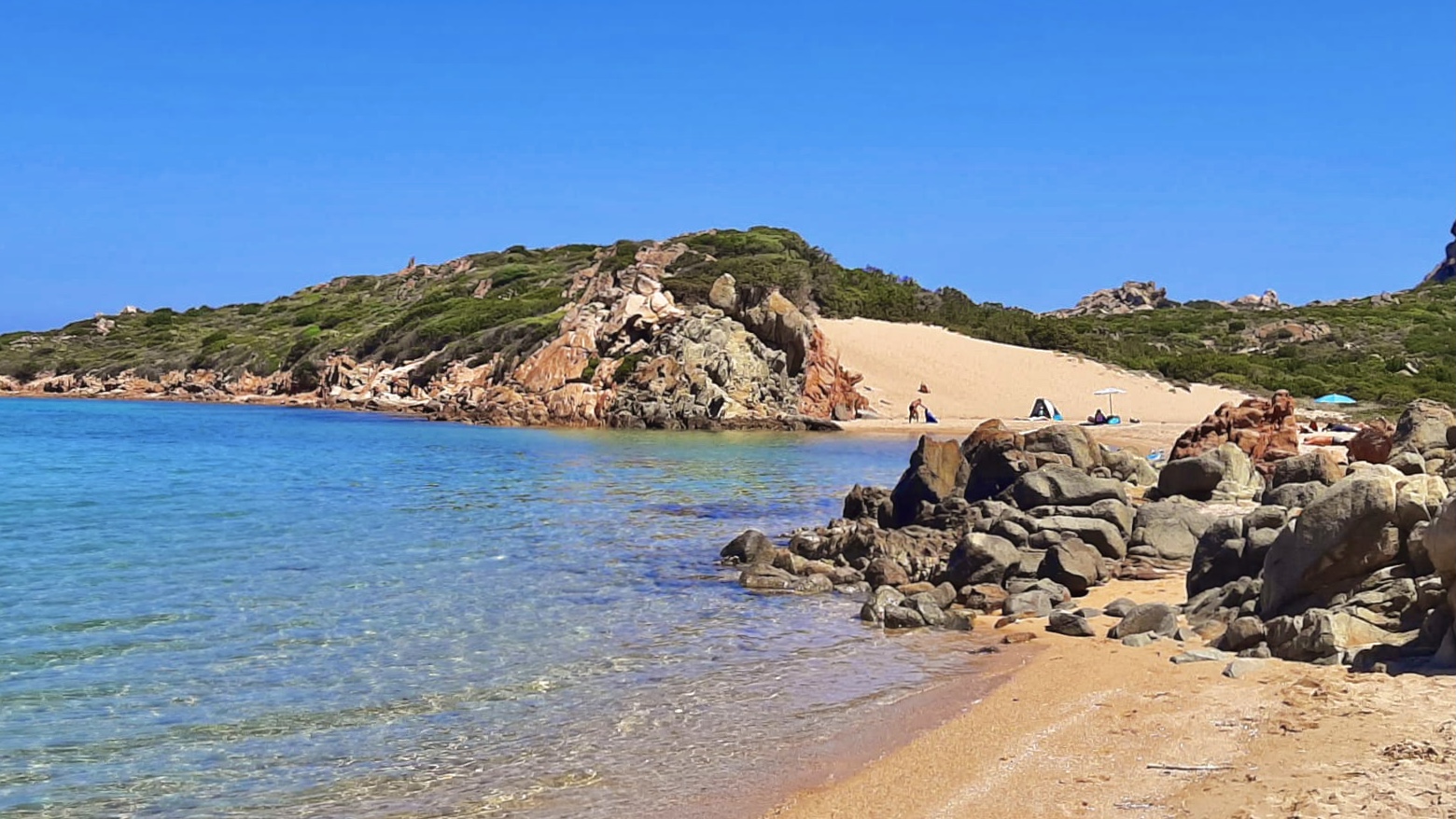
Monti d'A Rena
This ten-metre-high dune looks like a soft, white mountain. From its left side, the stretch of sand gently slopes into the crystal clear sea with its shades of blue and emerald green. It is the landscape that awaits you on the beach of Monti d'Arena, in the northern part of the island of La Maddalena, enclosed between Punta Abbatoggia and Punta Marginetto, shortly before you reach the tourist village of Punta Cannone.
The name, in fact, comes from the distinctive 'mount' of fine, white sand surrounded by thick Mediterranean scrub. The waters are shallow and the seabed is sandy, with rocks sticking up here and there, made of granite, the true protagonist of the area. Crumbled into small grains and shaped by the northwesterly mistral wind, it forms large deposits of sand that make Monti d'Arena unique.
The beach also has a small pond behind it, where animal species typical of the Mediterranean area live. Furthermore, it is equipped with a place for dining and refreshments, ample parking and bus links. You will be able to rent pedalos and boats. Thanks to the constant wind, this destination is popular with windsurfing enthusiasts.
In the vicinity, in the northern part of the Maddalena, don't miss a chance to enjoy another two beaches with very similar features: Bassa Trinita and Cala Lunga, made up of rocks shaped by the wind and soft dunes. The entire coastal perimeter of the island will captivate you with its cliffs, inlets and little coves. On the opposite side, in the southwestern area, you will find the sparkling colours of Punta Tegge. Going back along the western coast, there are the hidden bays of Cala Francese. To the east, not far beyond the isthmus that connects La Maddalena to Caprera, where there are multiple natural and cultural attractions, you will find the charming scenery of Spalmatore. Moreover, from La Maddalena, you can set out to discover the other islands of the national park: Santo Stefano, Budelli, Razzoli, Saint Maria and Spargi.
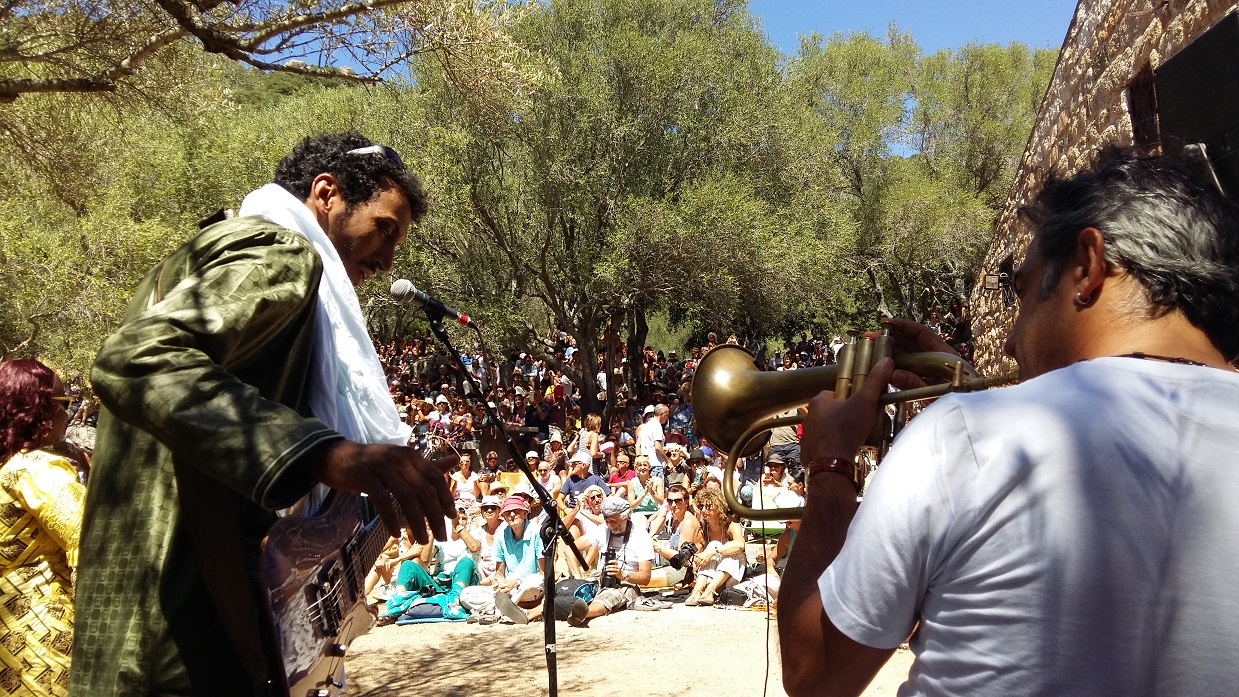
The jazz&blues soul of Sardinia
Granite coves sculpted by time, venues nestled among pure white limestone or red porphyry cliffs, enchanting village squares, archaeological sites, and even sea caves. From June to October, breathtaking natural backdrops become lively stages, resonating with melodies from renowned international artists. Harmonies and rhythms blend effortlessly with the environment, creating a symbiosis with Sardinia's unique lifestyle. For almost four decades, Sardinia has become an increasingly preferred destination for jazz, largely thanks to an artist who has unveiled a new musical soul for his homeland. Paolo Fresu was born in the small town of Berchidda, where he founded and nurtured Time in Jazz, now celebrating its 38th edition. Among the unmissable events, on Saturday, August 9th, in L'Agnata, the Sardinian retreat of Fabrizio De André, Paola Turci pays tribute to the unforgettable Genoese singer-songwriter.
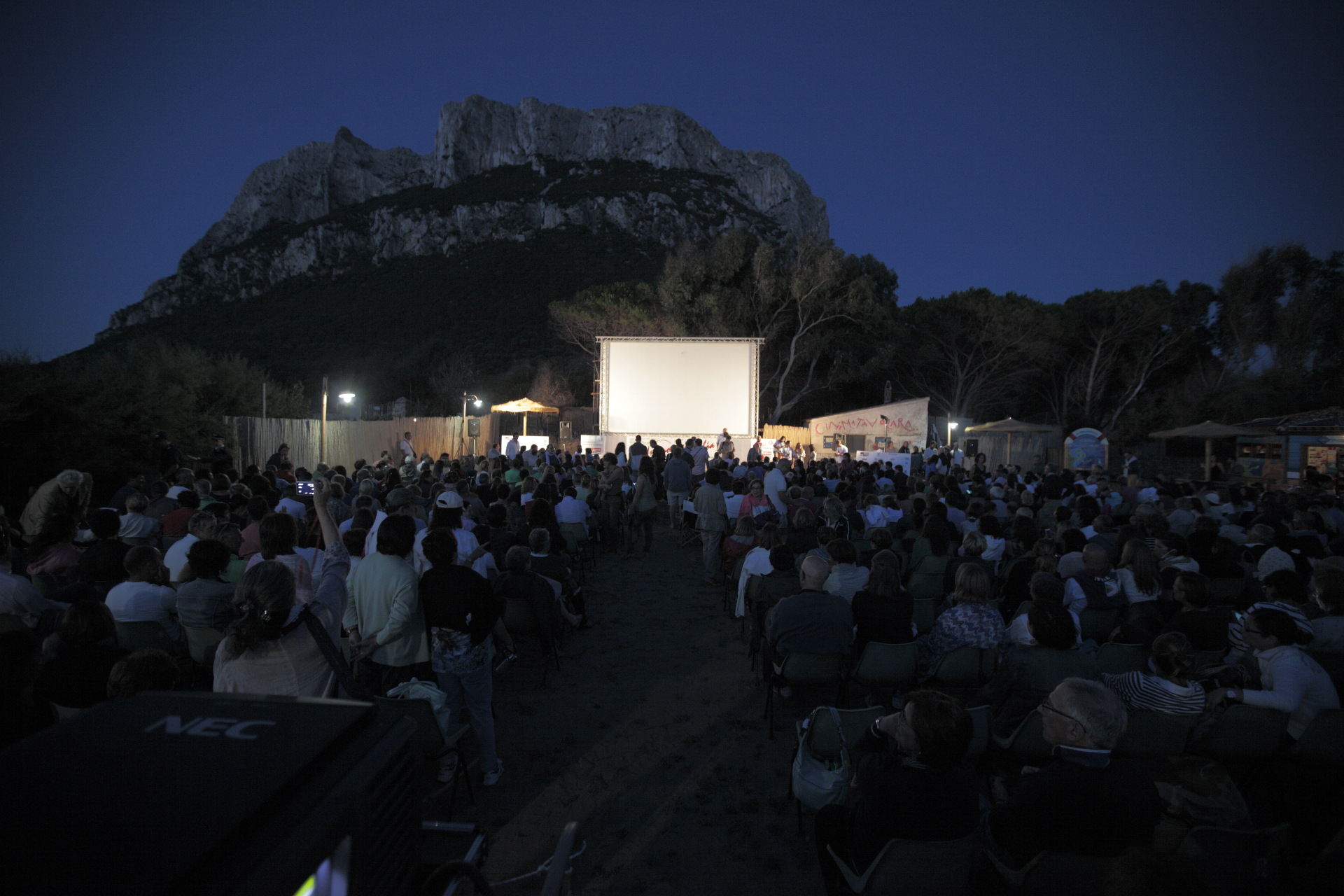
Sardinia, a natural cinema under a starry sky
Four festivals in the lesser islands of Sardinia, islands in the Island. Tavolara, a limestone mountain that emerges from the sea, in mid-July turns into an immense cinema with a starry vault of Una Notte in Italia. Established in 1991 to focus on filmmaking and creativity in Italian cinema, it is now a traditional event at national level. Meeting and interaction between the public, artists and experts already starts on board the boats that reach the island leaving from Porto San Paolo near San Teodoro and a little south of Olbia, that is, the three Municipalities involved in the 28th edition. For over a quarter of a century, the best Italian actors have walked on this unique red carpet surrounded by the waters of the spectacular marine reserve of Tavolara-Capo Coda Cavallo. Una Notte in Italia 2018 will be a travelling edition: it will start on Tuesday 17 July in the nature reserve of San Teodoro lagoon, then it will move to Porto San Paolo on Thursday 19 and then from Friday 20 the screenings will be held in the enchanting setting of the island of Tavolara.