
Liscia Ruja
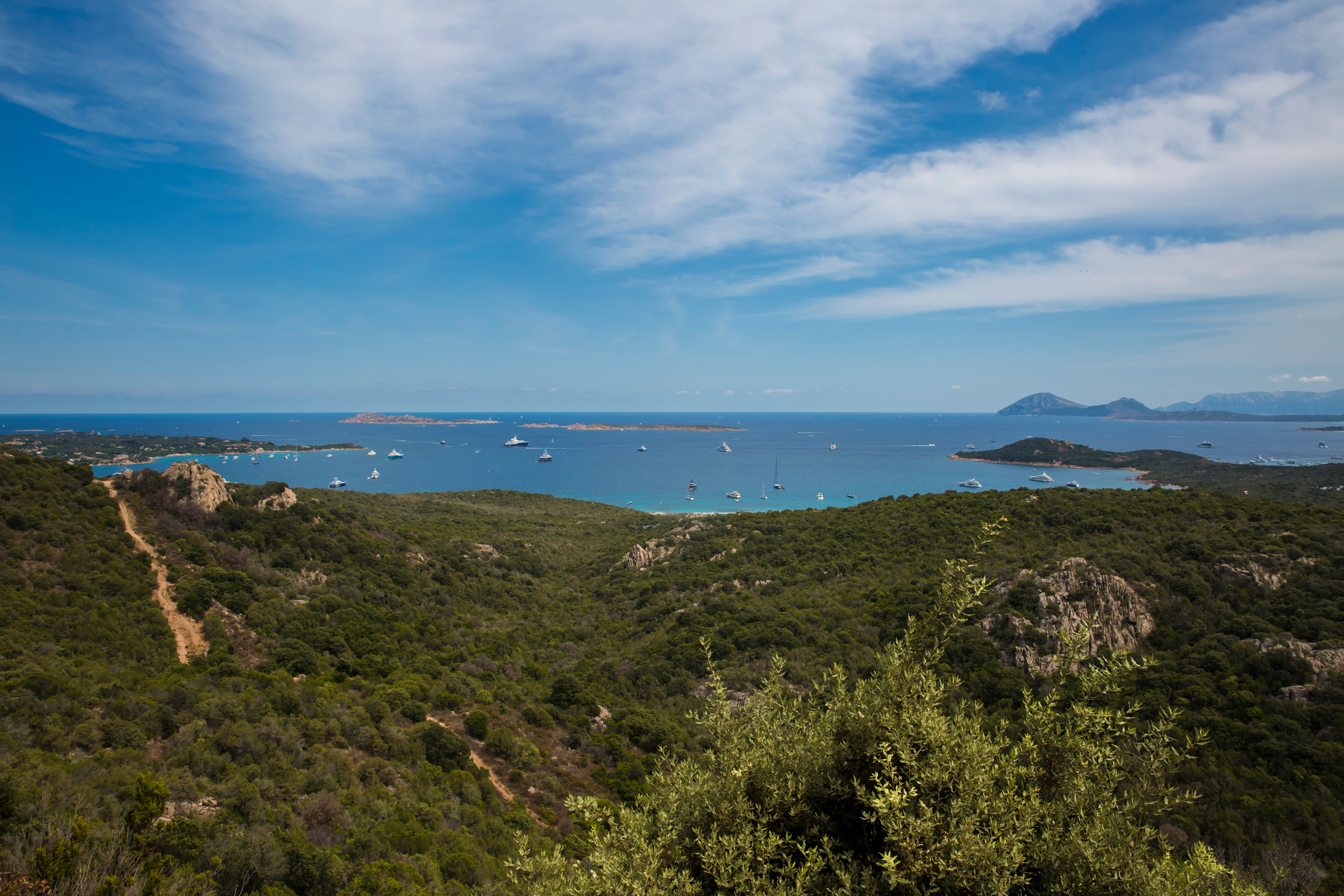
Crystal clear water, emerald green like the name of the coast it belongs to (smeralda means emerald), white sand - with golden reflections - turning pink as it meets the sea and Mediterranean scrub all around, protecting it. Liscia Ruja is one of the most famous and biggest beaches on the Costa Smeralda, located in the southern part of the gulf, a stone’s throw from the most renowned hotels of the entire coast.
A stretch of coastline is made up of a series of small bays enriched by strawberry trees, rock roses, junipers and white lilies leading to the beaches of Li ‘Itriceddhi, Petra Ruja and Razza di Junco. Liscia Ruja is a mixture of unspoilt nature and stretches of modernity, thanks to the facilities allowing you to enjoy every service useful for bathing.
Liscia Ruja is surrounded by greenery and overlooks a small closed gulf in front of the islands of Soffi, Le Camere and Mortorio. The beach can be reached via a small dirt road. Despite its wild appearance, it is one of the most highly-frequented along the entire coast and is well-known by the jet set and international celebrities. Thanks to its size, the beach has large free stretches next to bathing establishments, equipped for renting deckchairs and beach umbrellas, canoes, kayaks and rubber dinghies. There is no shortage of clubs, restaurants and hotels among the most renowned in the entire area. On 15 August, the day of Ferragosto, a very popular party is organised in Liscia Ruja, in perfect Costa Smeralda style.
Museum of the Sea
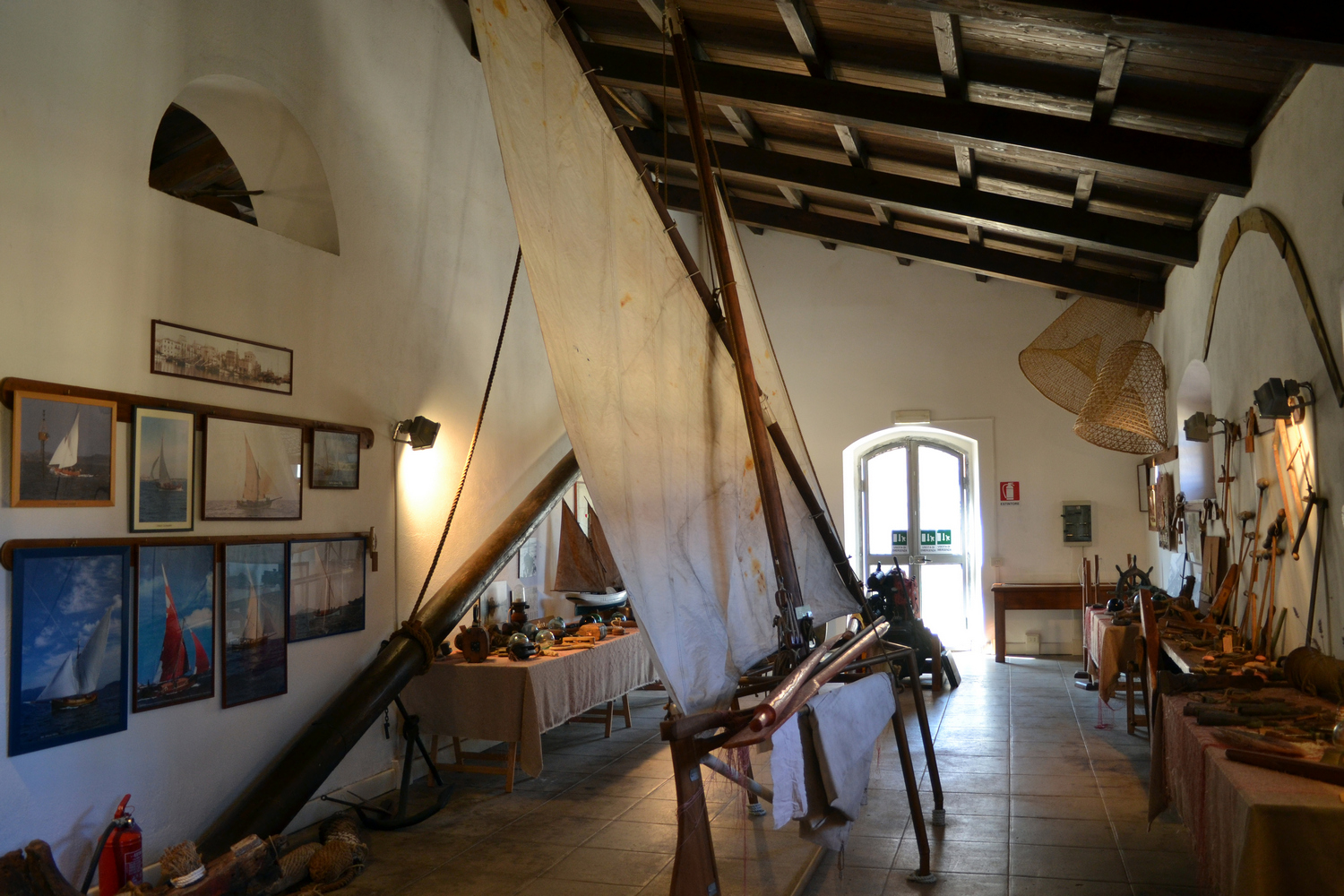
It tells the story of the sea and life on the archipelago over the centuries. Staged and inaugurated in 2006 in Caprera - connected by a long artificial isthmus to the ‘big sister’ La Maddalena - by the managing authority of the Archipelago National Park, in collaboration with the Italia Nostra Association, the Museum of the Sea and Maritime Traditions will accompany you in the discovery of the history and culture of La Maddalena relived through the sea routes, on a chronological journey divided into sections, from prehistory (starting from the Neolithic period) to today.
The collection is made up of artefacts donated by institutions, volunteers of the association, fishermen and other private individuals: historical images, maritime and military documents, scale models, remains of ancient and modern sailing and motor boats, navigation instruments, work tools, machinery for engines and fishing equipment. The most distinctive objects are ancient, such as the Tabula Peutinger - a map of Roman origin that portrays the entire street map of the Empire in the 3rd-4th century AD -, and the ‘Mother Goddess’ made of granite, or they refer to prehistory, such as the ‘wooden sculptures’ by Bruschi depicting Nuragic deities. Others are modern, such as a sundial engraved on copper plates, the twin-pan balance and a precision calibre gauge. The visit to the rooms is accompanied by the narration of historical events.
Caprera is the second largest island of the archipelago and the last residence of Giuseppe Garibaldi. On the subject of the Hero of The Two Worlds and places of culture, don't miss the Compendio Garibaldino, one of the most frequently visited museums in Italy. Then a dip in the sea is a must, observing the limits imposed by the national park. In the area under the full protection scheme, don’t miss Cala Coticcio, the ‘Sardinian Tahiti’. To the south-east, Cala Portese (or dei Due Mari) is noteworthy, where the water bathes both sides of the inlet, as is the splendid Spiaggia del Relitto (Beach of the Wreckage). To the west, worthy of a visit are the blue waters of Cala Napoletana, the wild nature of Cala Garibaldi and the expanse of light sand of Cala Serena.

Poltu Quatu
In the northern part of Gallura, in the territory of Arzachena, there is a small fjord featuring pink granitic rocks, shaped by the wind, overlooking one of the most beautiful landscapes in Sardinia: the Maddalena Archipelago. Here lies Poltu Quatu, a small village dedicated to the seafaring life of the past and located in a strategic position in a natural inlet nestled in the typically Mediterranean landscape, an exclusive place with a crystal clear sea and Costa Smeralda social life. It emerged in 1987, as a landing place for small and medium-sized boats. Over time, the village has become a destination for the jet-set and is now surrounded by hotels of various categories, famous restaurants, designer shops and diving clubs.
Poltu Quatu is surrounded by granitic rocks emerging from the scrub and is characterised by small houses perched on the hills overlooking the sea. The houses revolve around a little central square and a small harbour, Marina dell'Orso, which has 320 moorings that are also occupied by large yachts, and overlooks the island of Caprera and other islands of the archipelago, which you can reach and explore by boat from the harbour.
By land, just a stone’s throw from the village, you can reach the magnificent Costa Smeralda beaches, including Capriccioli, the coves of Pitrizza e di Volpe and Liscia di Vacca and those of Palau, among which Porto Faro, Porto Rafael and Cala Trana stand out.

Punta Sardegna
A quadrangular tower 13 metres high, resting on two floors below it and standing like a sentinel of the sea on the northeastern coast of Sardinia, overlooking the Strait of Bonifacio. It is the distinctive lighthouse of Punta Sardegna, a tourist resort in the territory of Palau, which is one kilometre away, exactly as far as the captivating Porto Rafael. The construction of the lighthouse dates back to 1913 and was carried out by the Genio Civile (Civil Engineering Department). After decades of abandonment, the Coastal Observatory of the Natural Underwater Environment (OCEANS) has been located there since 1995. One of its distinctive features is that the beacon stands on one of the terraces and not on the tower.
From the lighthouse, there is a view of the island of Spargi and of Cala Corsara. Nearby, you’ll find the Batteria di Monte Altura, a fortification dating back to 1800 that, thanks to its excellent state of preservation, is open for guided tours and, in the summer season, it hosts concerts and cultural events. From Punta Sardegna, you can get to the inlet of Cala Trana with its small sandy shore. Then, continuing west, there is Poltu Cuncatu, an inlet of limestone rocks.
Around the tip, the natural and scenic characteristics of a stretch of coast overlooking the Maddalena Archipelago have remained intact: this is the best place for observing it. Throughout the area, there are services equipped for bathing and sea excursions for snorkelling and diving enthusiasts. Considering the closeness of the Costa Smeralda tourist villages, you can stay in exclusive hotels in perfect harmony with the environment.
Li Mizzani
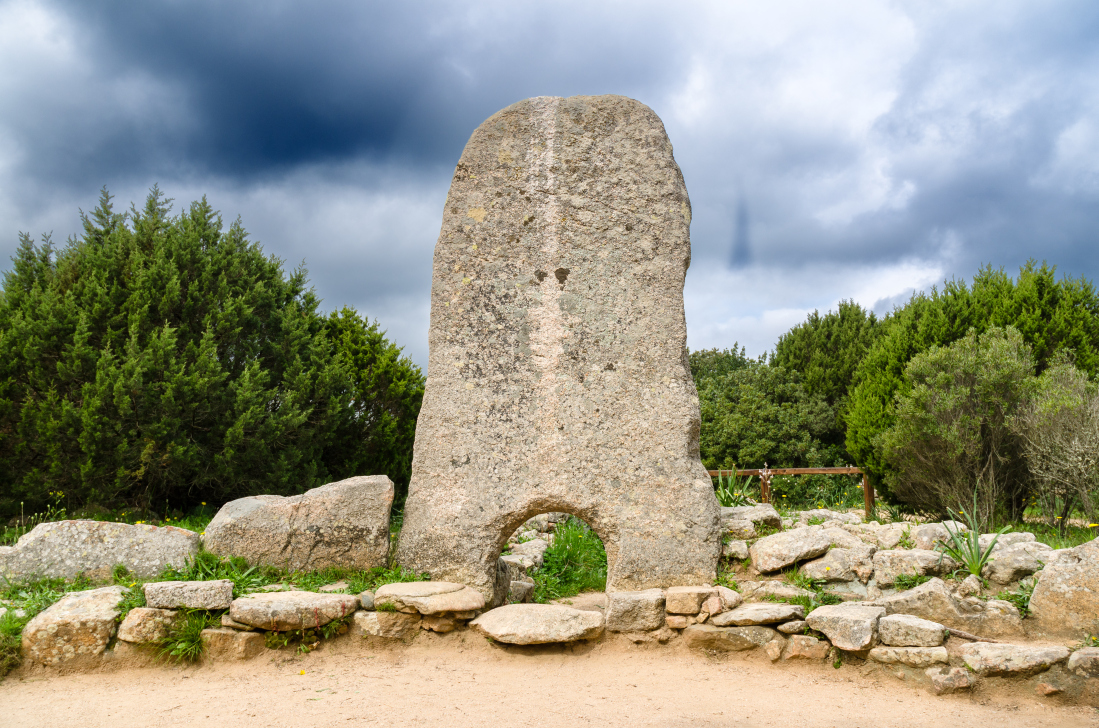
In addition to its picture-postcard beaches and splendid natural scenery, the Palau territory also offers a great deal of archaeological evidence. One thing particularly stands out for two reasons: small size and a ‘wrong’ structural element. The Giants’ Tomb of Li Mizzani is located about seven kilometres from the residential area, in the hinterland, in the locality of Monte Canu. As well as being smaller than most of the Nuragic tombs in Gallura, the characteristics of its stele are surprising: monolithic, but not arched, it does not stand on foundations but directly on the ground on one side and on a flat stone on the other. The door is the most curious aspect: you will notice that the internal perimeter of the face is worked and rounded and not the external one, as if the stele had been positioned the wrong way round.
Today, the tomb has no roof and has several slabs that were broken, probably to obtain stones for building the dry stone walls in the surrounding area. You will see the body of a tomb created using the row technique, with a chamber about six metres long, at the back of which natural rocks emerging from the ground were used. The wings of the exedra measure just under eight metres and have decidedly low slabs: some do not exceed 70 centimetres. In front of it, you will also notice the remains of a low counter-seat, complete only in the northern area. At its base - and in a short stretch above it - numerous ceramic fragments were found. Therefore, it was a place where votive offerings were deposited, but excavations have highlighted a further distinctive feature: they were only placed at the right wing of the exedra.
It is possible that the tomb served as a funeral area belonging to a village that revolved around the nearby complex nuraghe Luchìa. In the surrounding area, traces of another ten Nuragic towers can be found, while a few kilometres to the north-west lies the sacred area of Monte Saiacciu, with a Giants’ Tomb of considerable size, a megalithic circle, two menhirs and a rectangular building.
Once the archaeological tour is over, it's time to explore the scenic beauty of one of the most picturesque coastal towns in Gallura. Don't miss the climb to the Roccia dell’Orso (Bear Rock), a natural ‘sculpture’ and the symbol of the town; also worth a visit are the military battery of Talmone and the fortress of Monte Altura, while the beaches of Palau Vecchio, Porto Faro, La Sciumara and Cala Trana are real jewels along with the two ‘paradises’ for surfers and kitesurfers on the edges of s’Isuledda: Porto Pollo and Barrabisa.
Monte Nieddu
Entering the ‘heart’ of Mt. Nieddu is a non-stop nature discovery tour: wild mouflons, foxes and wild boar roam in their habitat and the golden eagle nests here, and you’ll never know when one will appear circling in the skies high above you. The stunning granite massif rises in the southernmost part of Gallura, between the territories of Padru and San Teodoro. From its peaks, Punta Majore and Punta Coloredda, and from the observation points marked along the trails, the view spans from Gennargentu to the marvellous beaches of San Teodoro all the way to the island of Tavolara. The paths in the woods, home to a wide variety of wild mushrooms, are suitable for everyone and have rest areas equipped for picnics.
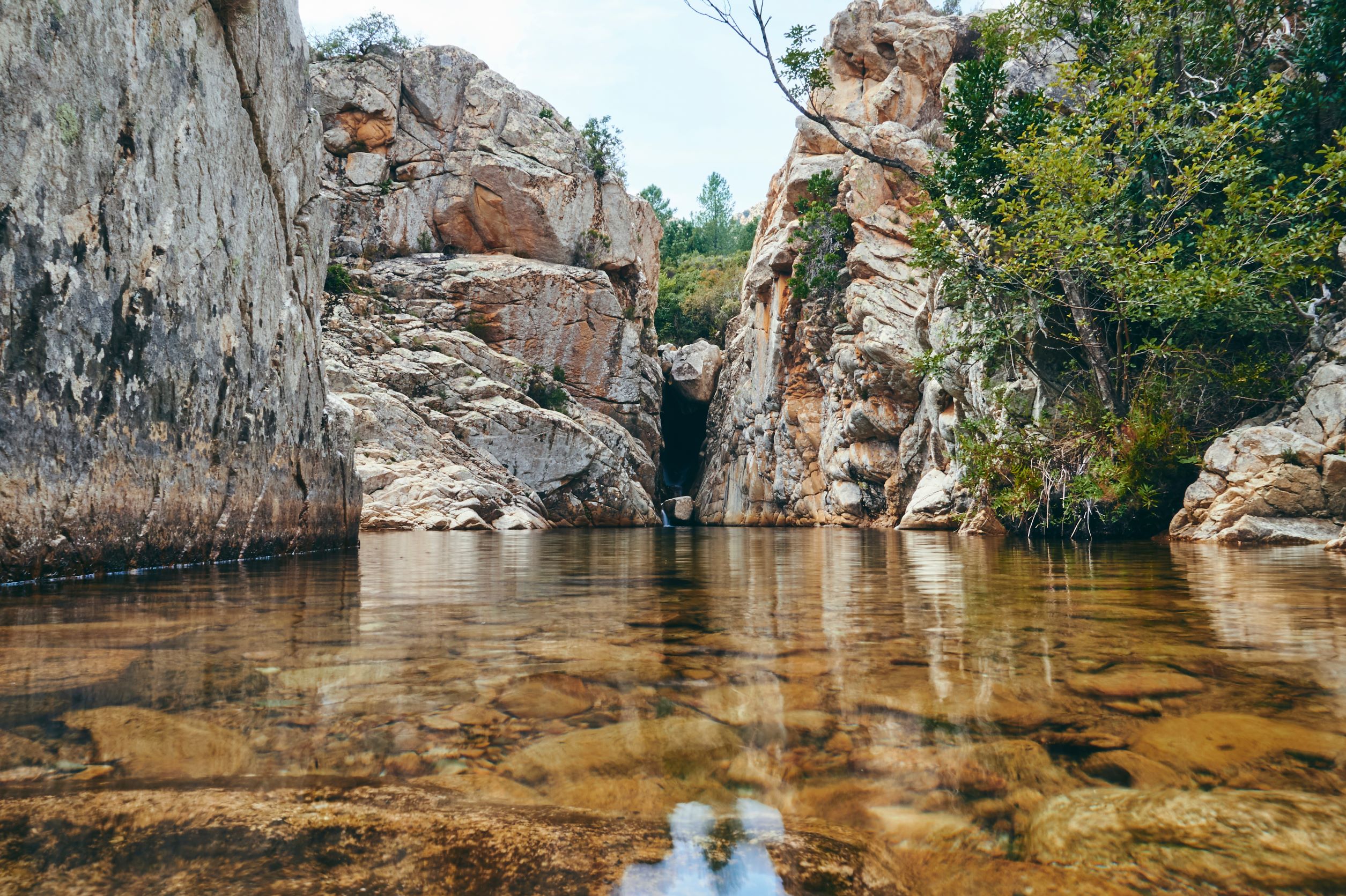
A picturesque forest of oak and juniper trees is home to the waterfalls and pools of Rio Pitrisconi. They are fed by a river bearing the same name, one of the few Sardinian streams that flows all year long. Over time, water erosion on the granite has slowly carved a gorge with natural pools, little lakes onto which the green of the Mediterranean vegetation is reflected, and a scenic waterfall featuring several drops.
To immortalise this gorgeous scenery, you can take some lovely pictures but there’s so more you can do here: a growing number of visitors prefer a more hands-on experience canyoning over the falls, the pools and the natural slides. Hiking is also an exciting option as you walk along the river banks admiring ancient trees and majestic sculpted rocks, even cooling off in the refreshing emerald green water of the pools. Now and again, take a break in the shade of a tafone, a characteristic granite grotto carved by erosion.
As you continue, you’ll come across the Pitriolu natural pool, another destination for canyoning enthusiasts and just as spectacular. The trail continues through woods of strawberry, oak trees and juniper bushes and brings you to the Scala Taddata waterfall, where you’ll find another small pool of crystal-clear water. As you walk along the ring trail back to the trailhead, the views of the sea that open up here and there in the woods are simply spectacular.
San Teodoro is considered one of the ‘queens’ of summer holidays in Sardinia, dotted with fine sandy beaches lapped by clear turquoise water: La Cinta, Cala Brandinchi, Lu Impostu and s’Isuledda, just to name some of the more celebrated beaches, will leave you breathless. Around Pedru, on the other hand, you’ll find archaeology and nature in the area of Santu Miali, a valley dotted with the remains of a rural Roman villa, a necropolis and two medieval churches.
Walking around Gallura
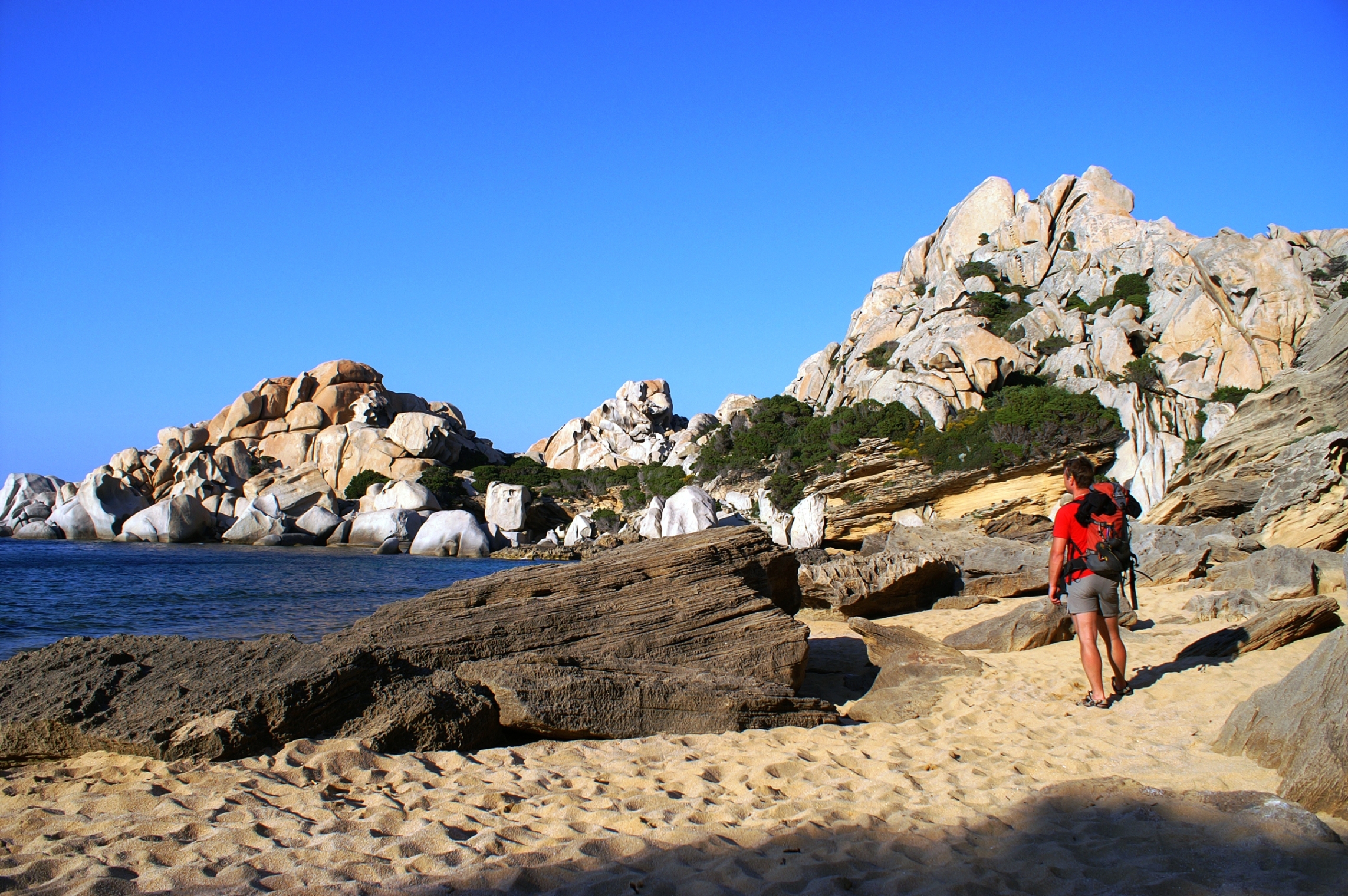
Follow it to the tops of the hills overlooking the famous coastal resorts of Gallura, from which you can see the Maddalena archipelago, Tavolara and the islets that dot the sea. The routes inland are sometimes challenging, and should be tackled with a guide, but most are suitable for all hikers, just follow the signs. Others are gentle hikes, skirting the sea and leading to places where the spirit of Gallura's countryside is overpowering. The most iconic in Santa Teresa Gallura is a circular route on the promontory of the Capo Testa lighthouse, where the Mediterranean maquis gives way to a labyrinth of majestic granite sculptures artfully carved by the wind, reaching as far as the sea and creating bizarre shapes in the coves of seven valleys surrounded by natural caves carved into the rocks. One of them is the Valle della Luna (Moon Valley), inhabited by a hippy community, an unusual place that is bound to stir up emotions, some of them conflicting, but it is for certain that, in these lunar valleys, the boundless beauty of Gallura is the master.
Cavaliere beach - Budelli
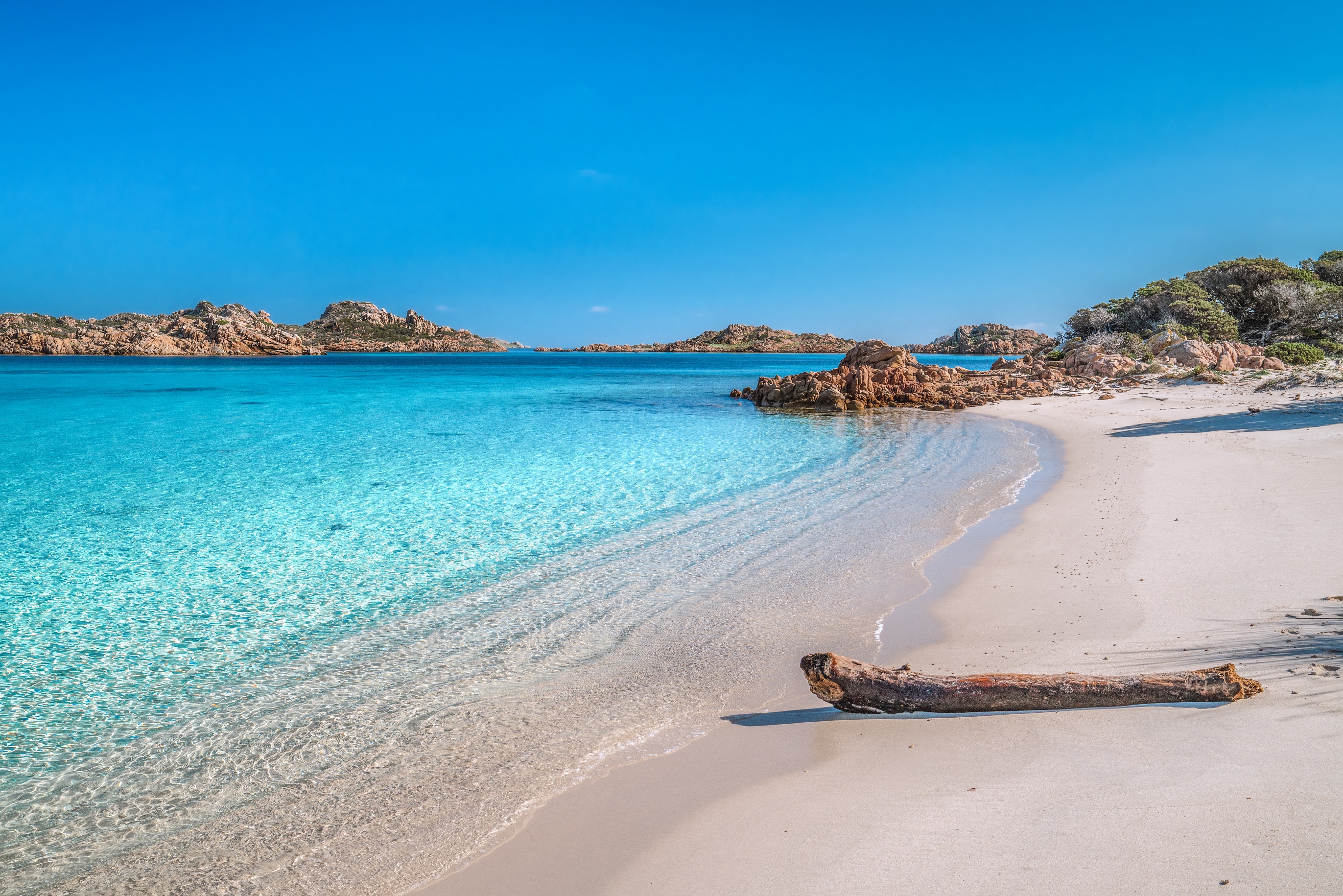
Fine, white sand as soft as talcum powder, crystal-clear turquoise water, a little corner of paradise that you can only reach by boat (with limits) to protect and safeguard both the environment and its very survival. This is the spectacular Cavaliere beach, or Cavalieri, in Maddalenean dialect. It is less celebrated but just as marvellous as the ‘prohibited gem’, the adjacent Spiaggia Rosa, or Pink Beach, the setting for the 1964 Michaelangelo Antonioni movie Red Desert, which helped bring fame to Budelli, an enchanting island in the Maddalena Archipelago National Park.
The beach sits on the north-eastern side of the island, has an almost oval shape and faces the Porto della Madonna, a gorgeous stretch of water between Budelli and the nearby twin islands of Razzoli and Santa Maria. Its location between the three islands shields it from strong currents and thus creates a natural pool of an amazingly transparent emerald colour.
A popular spot on guided tours of the archipelago, ‘il Cavaliere’ can be reached by private or rented boats, but only Park-authorised charter boats may anchor here. Passengers of these boats may deboard at the rocky shore of the beach. A path through the Mediterranean scrub then leads them to the narrow 200 metres long stretch of white sand that gives onto the natural pools surrounded by islets and rocks. The soft sand, shallow water and sandy seabed make it ideal for kids too.
It’s a beach that is as beautiful as it is fragile. Since 1998, the beach has lost half of its size to erosion. The cause? Aside from climate change, currents and a reduction of seagrass for anchoring of boats at the Madonna Harbour, far too many visitors over the decades has led to the involuntary removal of large quantities of its sand. It therefore became necessary to stem the erosion of one of the islands most beloved by tourists from all over the world.
In the summer of 2020, two thirds of Cavaliere beach was closed to visitors. The part that remained open was for the exclusive use of, from mid-morning to afternoon, resident boaters, native-born Maddaleneans, and those businesses authorised to transport passengers. Other tourists were welcome early morning and late afternoon so that everyone could take a dip in the beautiful water facing the beach. There were also other rules put in place, similar to those adopted to safeguard La Pelosa at Stintino: no beach towels, umbrellas, tents or bags were allowed, and, upon leaving the beach, everyone has to wipe the sand from their bodies, clothing and footwear.
San Pantaleo
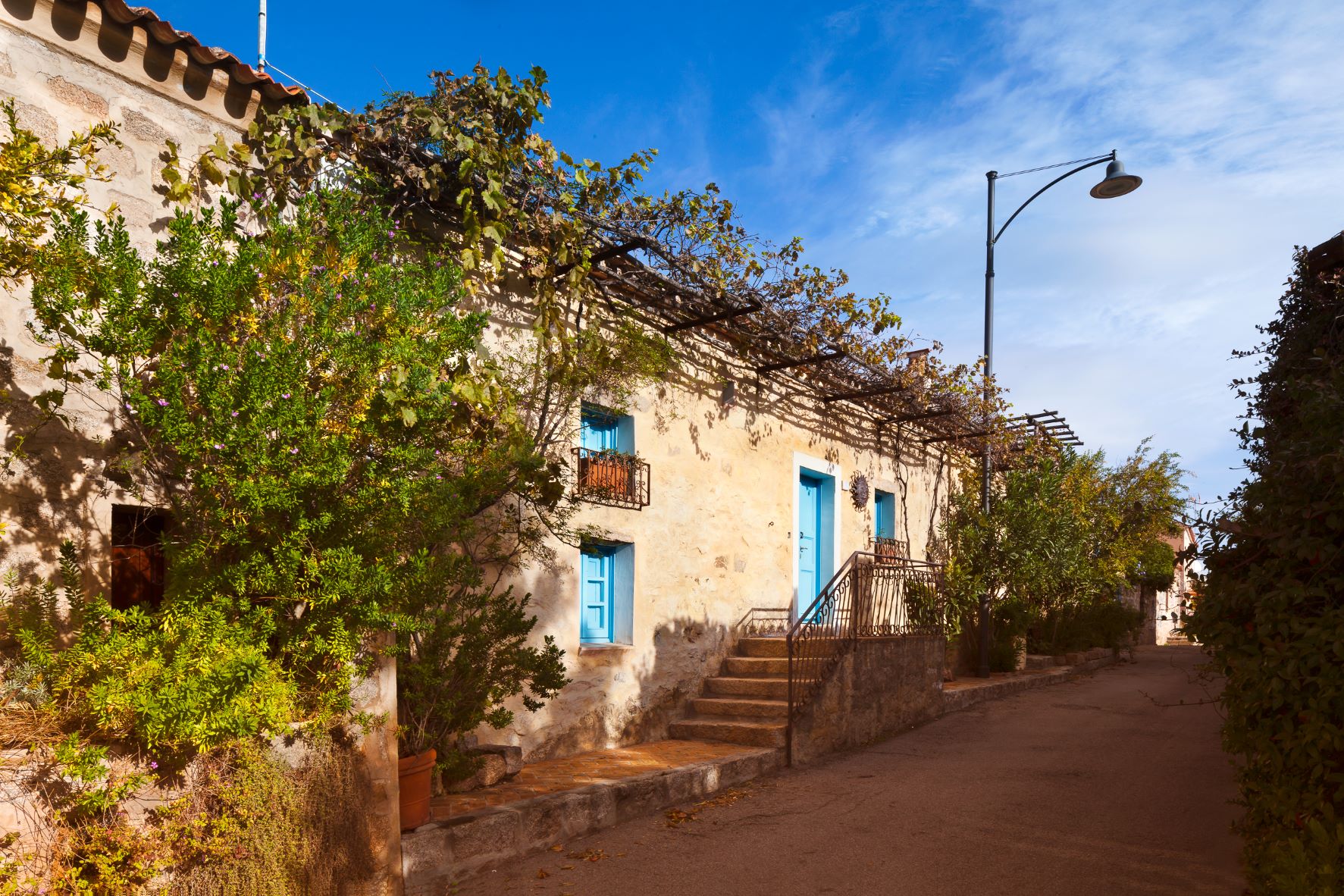
It is ‘the village of artists’ and also of the street market, the stazzi (rural dwellings), Bohemian spirit and iconic scenes from a James Bond film. San Pantaleo small but full of ideas, is located in a granite landscape in the territory of Olbia and has been inspiring works of art and creations within the international artistic circuits for decades. The village stands on the granite massif of Cugnana, surrounded by nature that has maintained its wild appearance despite the glamour of the nearby Costa Smeralda, still shining since the 1960s. The enchantment of the renowned emerald coast is part of the panorama that you can admire around it, together with the pink hues of the granite, even more captivating at sunset. The village itself offers spectacular views: it emerged at the end of the 19th century around a small church dedicated to Saint Pantaleo, rural at that time, and has witnessed an increase in its houses, over time and on a regular basis, built according to the typical model of the Gallura stazzo.
At first glance you will be fascinated by the contrasting colours of the white oleanders in bloom and the granite of the buildings in the main square, where, next to the houses, in apparent contrast, there are elegant boutiques, modern studios, shops selling typical local products and traditional artisan workshops. Its streets are populated by potters, goldsmiths, wrought iron artisans, inlayers, painters and sculptors, who steal the show particularly on Thursdays in spring and summer, the day when a famous market, one of the most fascinating on the island, takes place in the village. In addition to admiring local artefacts and antiques, you will be able to taste typical local products. Two other events characterise San Pantaleo: Magnendi in carrera is an evening for tasting typical local dishes and products, such as cured meats and cheeses, potato dumplings with wild boar, mazza frissa, a traditional rural dish of Gallura, casciu furriatu (melted cheese) and traditional desserts. Then, in September, the folklore festival brings together the main Sardinian folk groups. Walking along the road that enters the village and in the church square, you will experience the charm of the great cinema: some of the scenes from the 1976 007 film ‘The Spy Who Loved Me’, set partly on the Costa Smeralda, were shot here.
The area around San Pantaleo is a gym for outdoor activities: numerous trekking trails have been obtained between the rocks and cork woods of the mountain. A few kilometres away, there are the enchanting beaches of Liscia Ruja, Petra Ruja, Razza di Giunco and Rena Bianca, set between granite cliffs, in front of which small islets emerge. There is a triumph of colours here: white and golden sands, red rocks, pink granites and turquoise waters, surrounded by Mediterranean greenery.
Villages lost and found
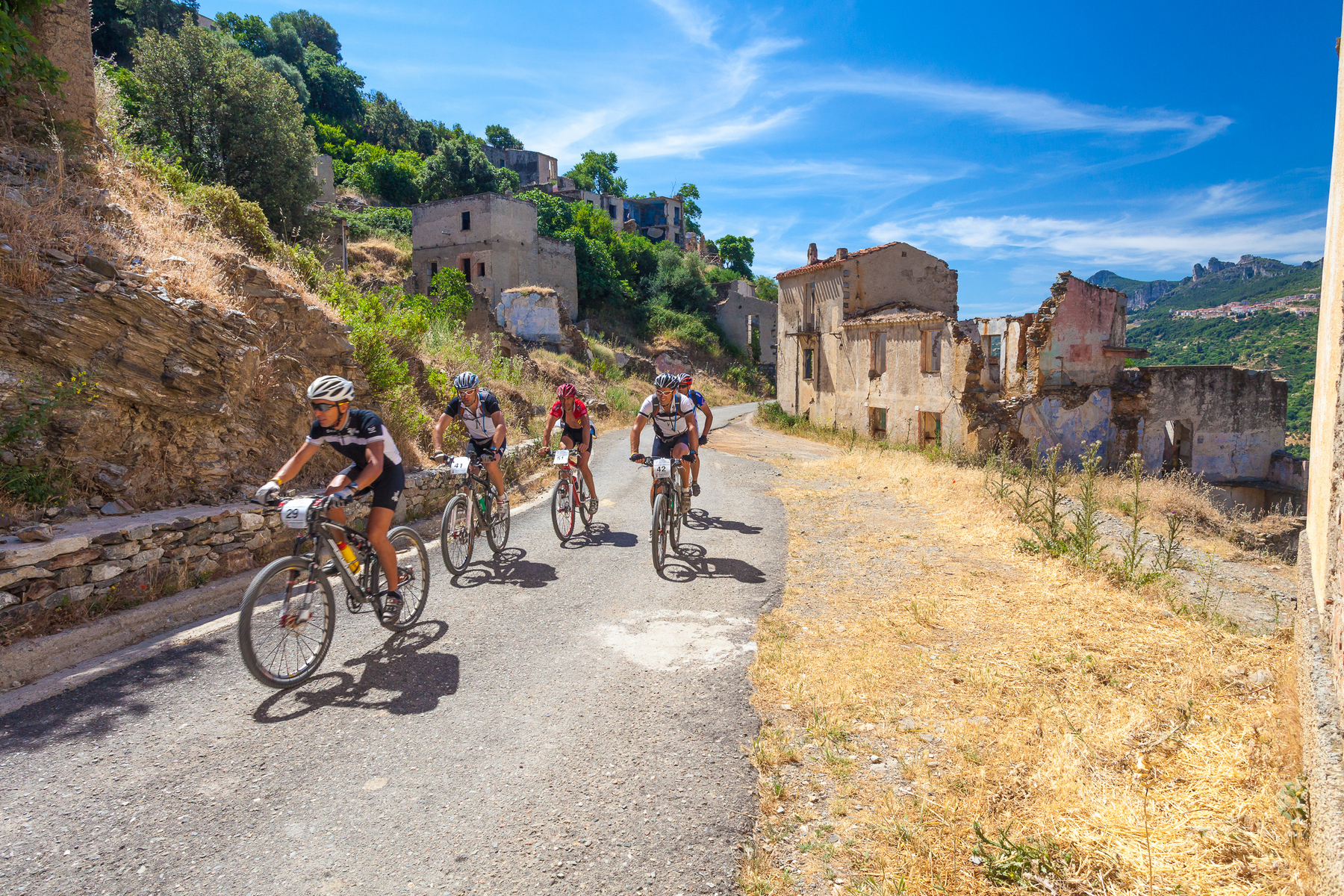
From the heart of Ulassai, the 'Maria Lai trail' climbs up the mountain to the sa Tappara canyon, its walls an incredible natural gym with more than a hundred free-climbing routes, some easy for beginners, others loved by experienced climbers. The canyon opens out onto the Padru valley, and from its opposite sides you can see the ghost towns of Gairo and Osini, overwhelmed by the common fate of their abandoned houses, made fragile by landslides and mudslides after days of incessant rain. Then came the slow exodus to safer shores, but nostalgia drove the villagers to return to the old houses to take care of the gardens and vegetable plots. More than half a century has passed since then, and the irises and calla lilies are still blooming, climbing roses cover the dry stone walls, the trees continue to bear fruit as a reminder of the life that once was and that will perhaps return. In old Osini some of the houses have been restored and the bell of the renovated church occasionally rings in the valley.