
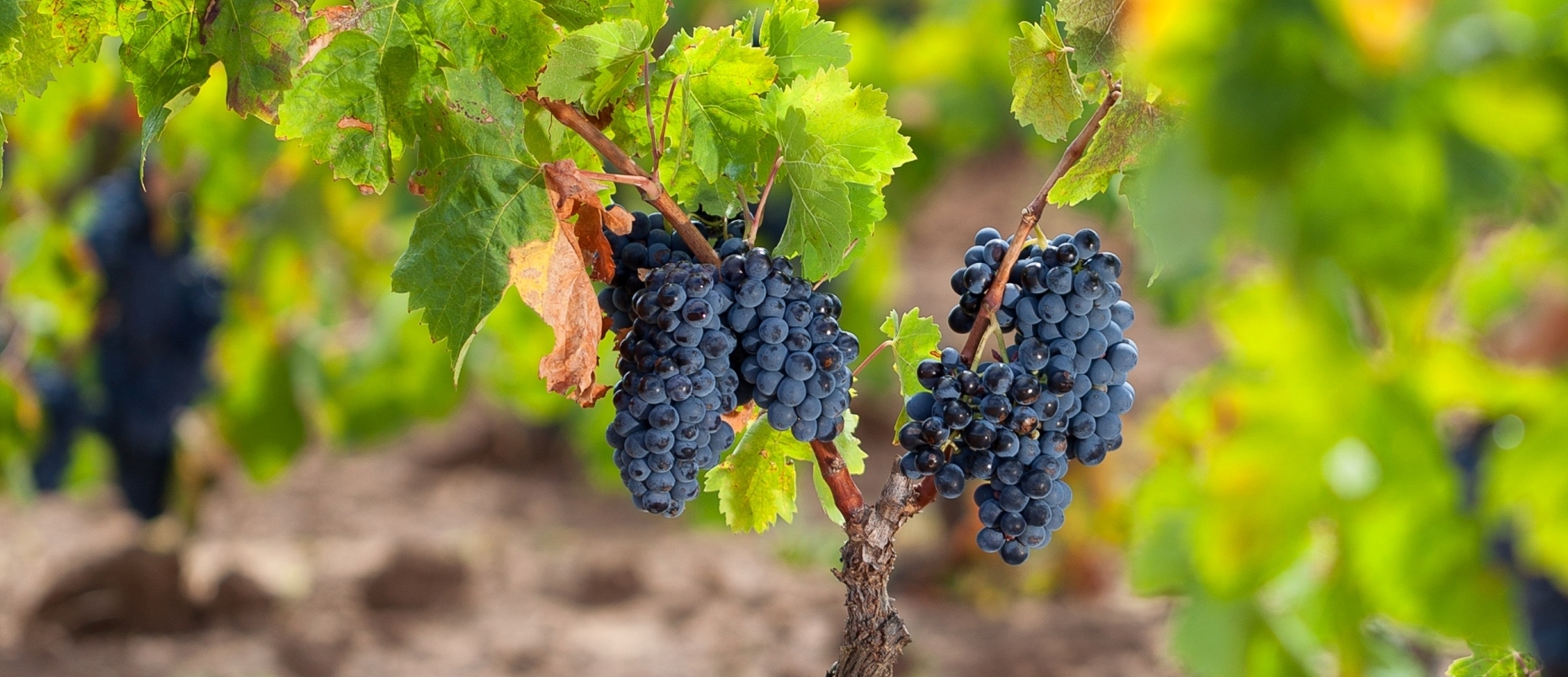
Sardinia, the quintessential land of wine
According to Greek legends, Aristaeus introduced this cultivation to Sardinia. The hero settled here because of the beauty of the land and he gave his two sons names linked to agriculture and viticulture: Kallikarpos, meaning ‘bearing good fruit’ and Charmos, from the Semitic krmy (winemaker). From mythography to reality. Today, the fact that wine-making on the Island goes back at least as far as the 15th century BC is a certainty: according to archaeologists, botanists and chemists, the oldest wine in the Western Mediterranean area was Sardinian. It was a sort of Cannonau dating back more than three thousand years. The theory became a certainty at the end of 2016, with the analysis of organic residue from a stone press discovered in the Nuragic village of Monte Zara, next to Monastir, a few kilometres from Cagliari. Archaeobotanical studies have unequivocally led us back to the practice of pressing and processing of grapes, particularly red grapes. This is the most ancient press in the Mediterranean, proof of the Nuragic civilization's considerable expertise in wine-making. The discovery places wine tradition as far back as the Middle Bronze Age, even though the thriving presence of vitis vinifera sylvestris leads us to assume that there was domestication and highly evolved oenology even further back in time.
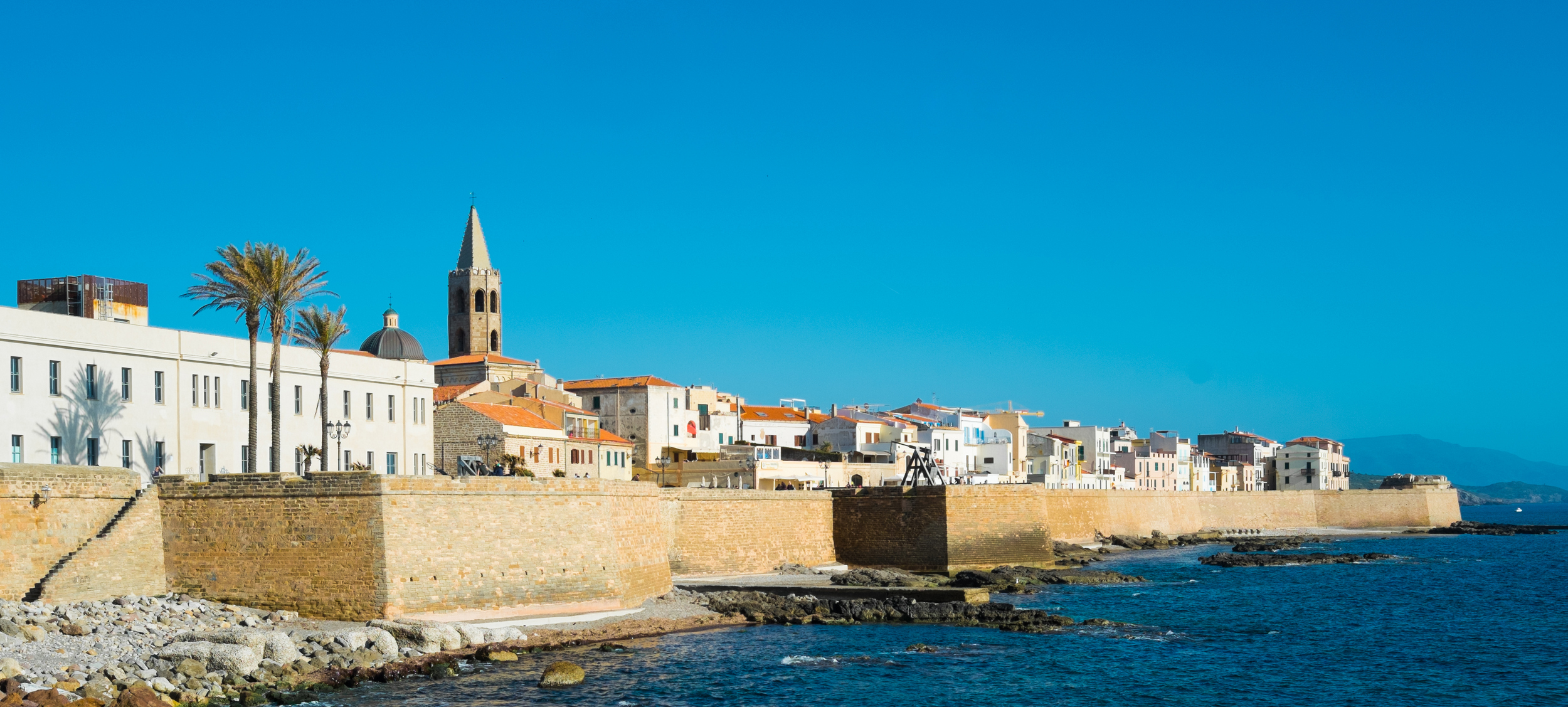
Monumenti Aperti, exploring architectural and artistic treasures
Magnificence, shared memory, authenticity and a sense of community: this is the most encompassing effort to safeguard, enhance and promote the cultural heritage of Sardinia. Over the next seven weekends, the 22nd edition of Monumenti Aperti (Open Monuments) – a candidate for the 2018 Europa Nostra award, a European Union award for cultural legacy – will shine a special light on the island’s architectural, historical and natural heritage: some 800 places of extraordinary cultural value that include the museums and archaeological sites, churches and historical buildings, natural monuments and parks of 59 municipalities all over Sardinia, seven of which are new to the movement. Each town will tells its tale through literary itineraries, architecture routes in cities that have been marked by centuries of powerful rulers, and journeys into the dawn of time among the remains of ancient civilizations. As you follow the route, some 18,000 volunteers – many of whom are school children of a variety of ages - will narrate the stories that marked the history and culture of their town.
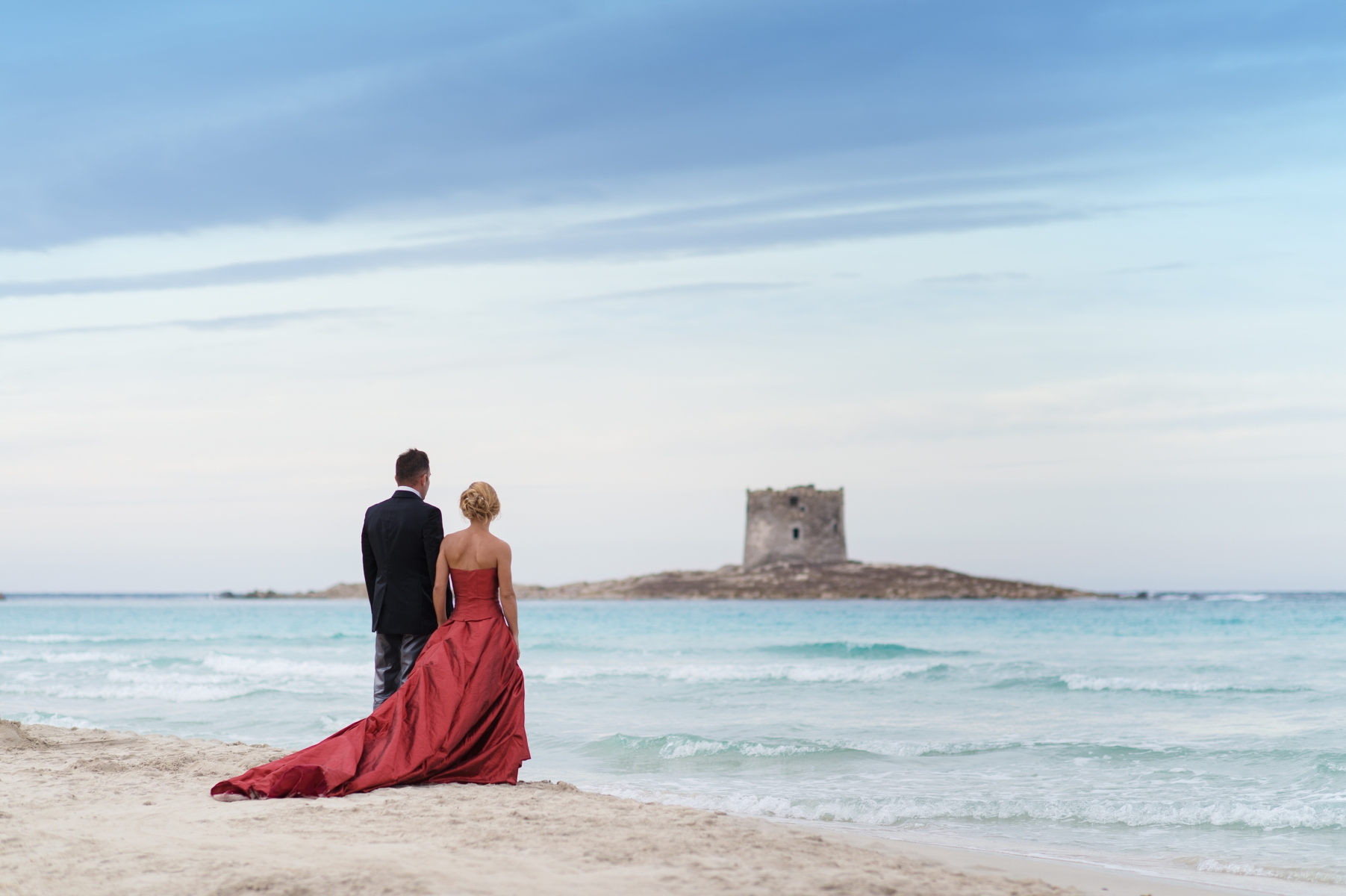
Saying “I do” in a magical setting
An ideal destination in every season and perfect for a wedding. An evocative, romantic and enchanting land: an increasing number of couples choose the most picturesque corners of Sardinia as a place in which to celebrate their love. Numerous guests get to know the island while on holiday, leaving behind a little piece of their heart and they sometimes return to take it back on one of the most important days of their lives. Many say “I do” in famous and captivating places, others in less well-known, poetic places reminiscent of an archaic past, in the bucolic peace and quiet or far away from the hustle and bustle of today’s world: a lighthouse, a cave, a sacred well, the rows of vines in a vineyard kissed by the sun, in gardens where fragrances and colours are transformed by the changing seasons. Dream weddings are celebrated throughout much of the island: the bride and groom spend the pre-event and honeymoon there, while their guests often stay on and take a holiday.
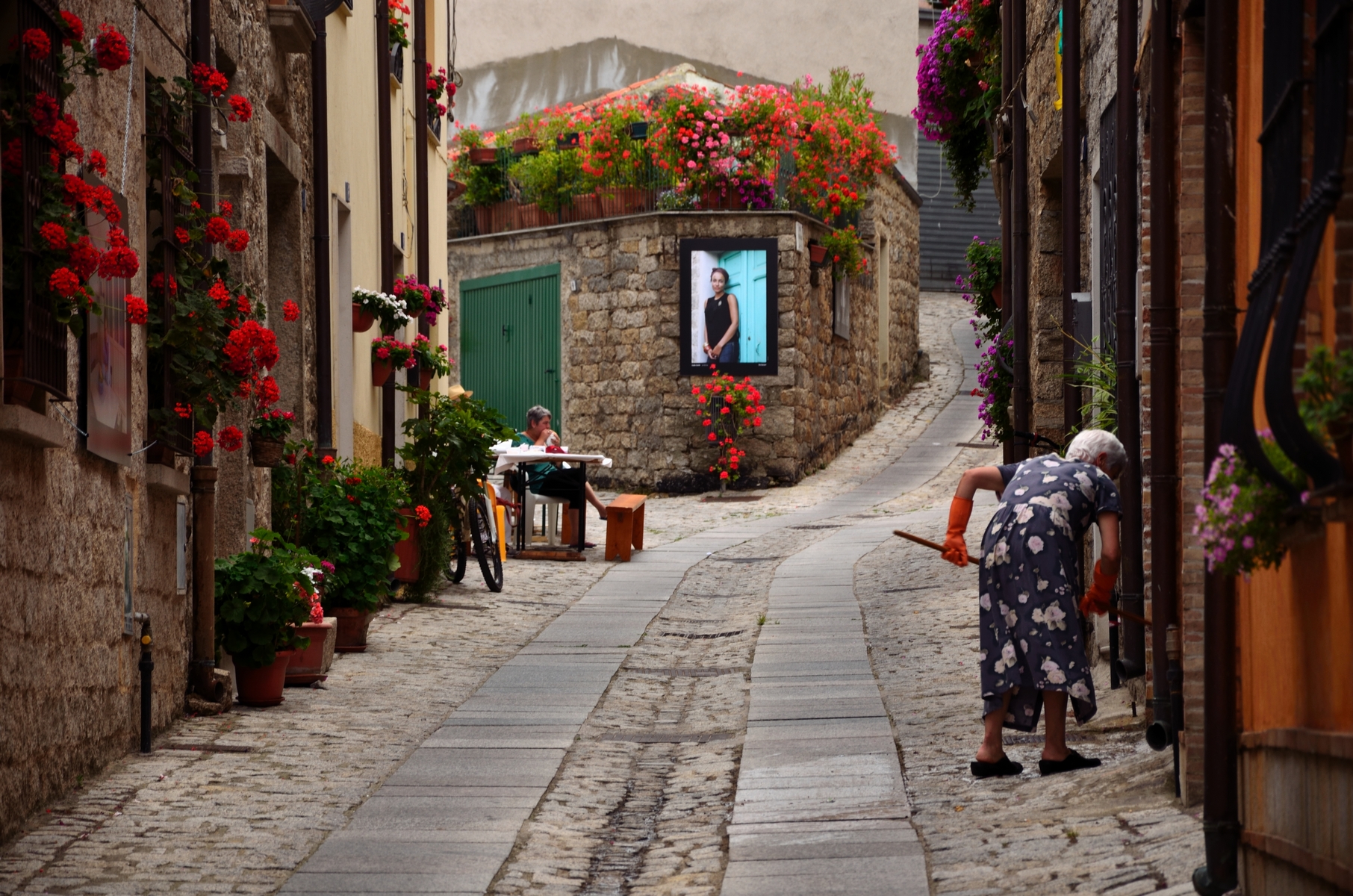
Borghi, the true soul of the island
It is like nowhere else in the world. This is the Sardinia seen by the first travellers and by the writers of the past: they describe a land that emerges slowly from the sea, and tell of the natural spectacle that gradually appears, bathed in intense light. Mountains that sink to the coast, sometimes gently, sometimes suddenly, frame ever-changing scenery. It is never very far from the sea to the hinterland, and the route is dotted with small, traditional villages, the intimate 'soul' of Sardinia. On the roads that lead to the heart of the island, welcomed by the warm hospitality of its communities, you can discover the authentic life and ancient traditions of the villages. You can lose yourself in criss-crossed pavved alleyways, and come aross ancient buildings, natural monuments, archaeological sites, and discover masterpieces of artisan work and unequalled cuisine. You will experience the essence of Sardinia, and its most genuine identity.
Enchanting cliffs sculpted by time
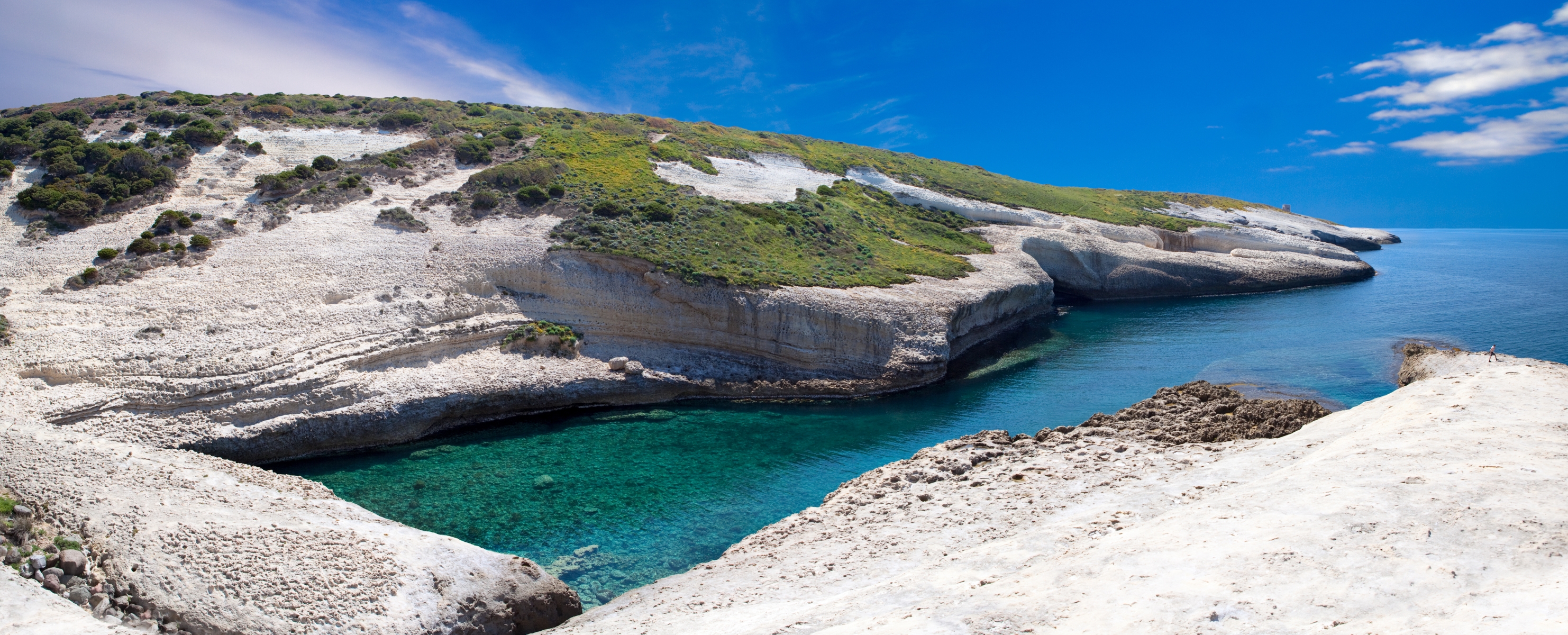
A surprising gallery of ever-changing landscapes. This is what the island's coastline looks like. Expanses of white or golden sand, sometimes sparkling with quartz or tinged with pink. Or stretches of soft virgin dunes. Or deep inlets and stunning cliffs shaped by wind and waves into the most original and bizarre shapes. Cliffs, stacks and tafoni (also known as honeycomb weathering) are veritable artistic installations on the sea, and are accessible natural wonders, easily reached by car, motorbike or bicycle. These striking places don't get very crowded, like the solitary promontories surrounding the island's charming lighthouses and countless coastal towers. There is always a sheltered spot where you can find an exclusive terrace overlooking the sea, an intimate corner to enjoy at your leisure, far from the bustle of the beaches. Take a refreshing dip amidst the light reflecting on the rocks or dive from 'balconies overlooking the sea', surrounded by sheer cliffs, spires and ravines. Peaceful places where you can witness unforgettable sunrises and sunsets while listening to the music of the sea.
Sardinia, a wine for each territory
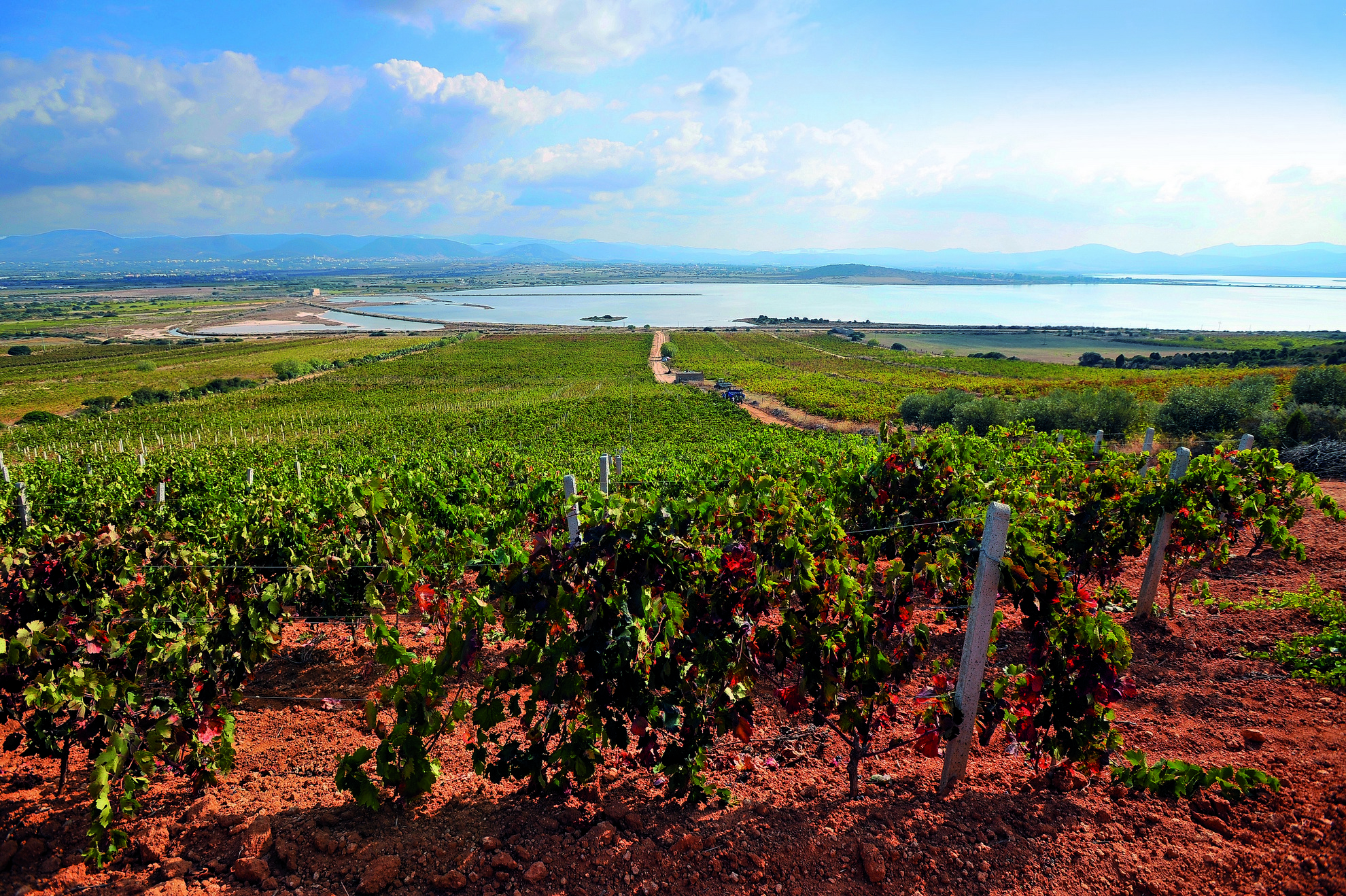
The small drops of dew on the rows of the vineyard, the leaves swaying in the mistral winds, the warmth of the sun on the winery, the granite that presses the grapes, the knowledge handed down from generation to generation, the flavours that evolve in the barrels as time does not pass in vain. This is the Sardinia of wine, at its most authentic. By discovering the Sardinian vines, both the native varieties forming part of an extraordinary ancestral and identifying richness, and the imported varietals that have come to perfectly harmonise with the environment throughout the centuries, you will enjoy a journey exploring the genius loci of a land with traditions that span back through the centuries. Guided by the senses, you will discover the territories through their exceptional wine productions. Such nectars are able to transform tastings into engaging, immersive experiences that generate multisensory emotions and enduring memories. During the winery visits, you will encounter the entire production process, becoming familiar with the identity and quality of the wines, tasting the genuineness and authenticity of the typical products. You will appreciate everything that revolves around it, from walking through the vineyard to wine events, including the Open Cellars in various towns throughout southern Sardinia, the Calici Sotto le Stelle wine festival in Jerzu, within the Ogliastra province, plus new wine festivals, including that of Milis, in the province of Oristano.
Sa stiddiosa
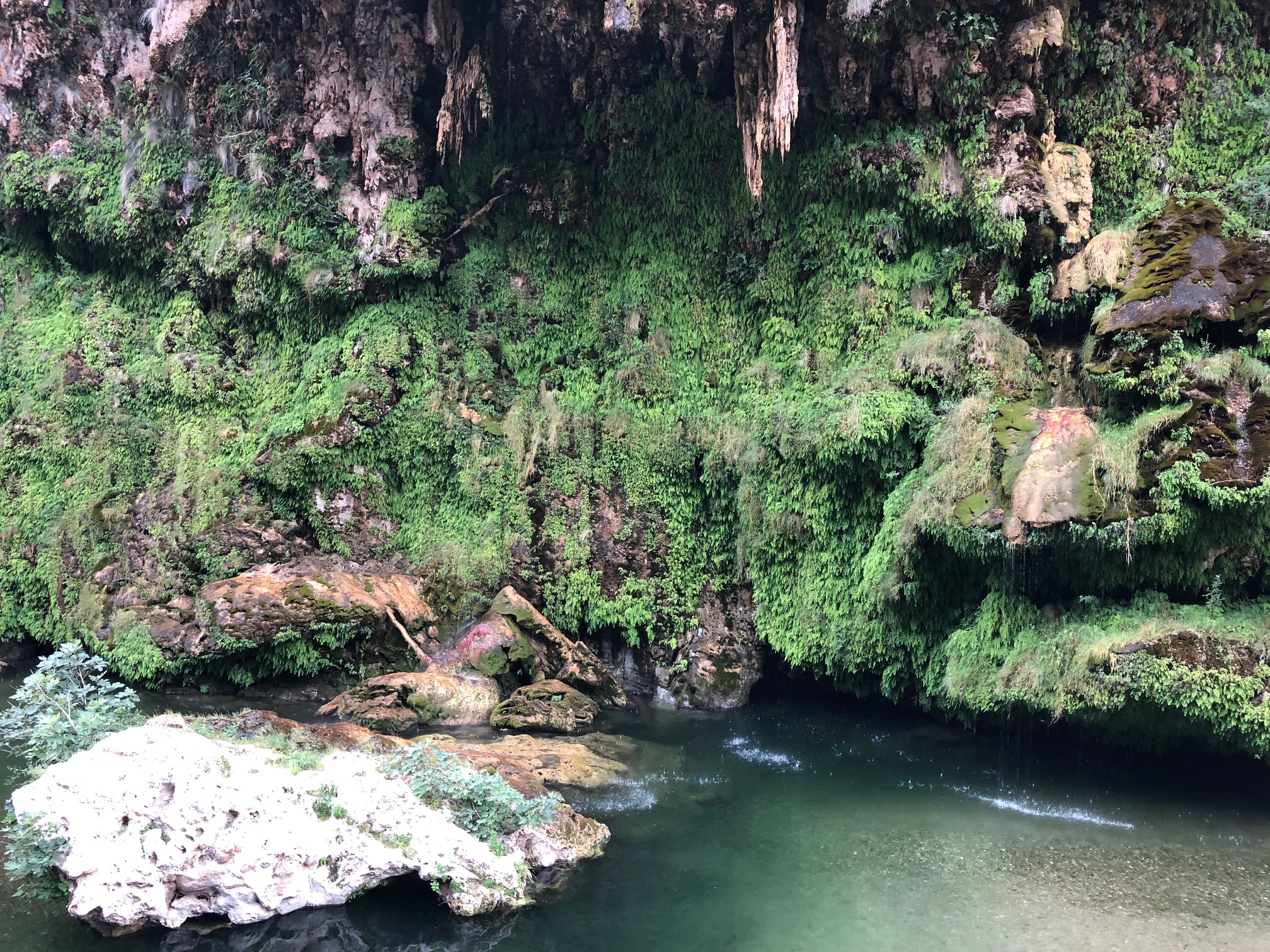
"Corner of paradise", "tropical landscape", "a unique waterfall", "never seen anything like this", "a fantastic experience", "an enchantment", "pure magic", "a piece of Sardinia to keep in your eyes, your heart and your skin forever". These are the comments left by visitors to sa Stiddiosa, a masterpiece of nature along the River Flumendosa, in the territory of Seulo, around 8 km from the border with Gadoni.
The name literally means 'dripping' and derives from is stiddius, the effect of falling water drops, which in this case creates a waterfall. Or more accurately, rather than waterfall, a 'drizzle', filling the air with tiny drops falling from a karst source above. The drops fall along an imposing polished rock face, perpendicular to the river bed, characterized by enormous calcareous formations - deposited by the continuous flow of water - and mostly covered by hydrophilous plants, especially maidenhair. The spring water is divided into a thousand streams channelled by the calcareous formations and plants; the result is the thick drizzle, which falls with a dense 'dripping' in winter and 'softly' in summer. It ends its fall in a pond of emerald green water on the edge of the right bank of the river, where in the summer you can swim while watching the spectacle.
The dripping wall is an uncontaminated and wild place at 300 meters above sea level, nestled in the narrow valley of the Flumendosa covered by holm oak woods. To reach it you will cross a long stretch of dirt road, then, after parking the car, continue on foot - with hiking shoes - for about a kilometre of descent along a trail formed on the side of the valley between strawberry trees and phyllirea. Below, the river flows slowly by, towards a dam downstream that forms Flumendosa Lake. The route is a hard walk, especially in ascent, but it's worth it. At the end of the descent, the Stiddiosa will appear before you in all its beauty.
Other magical waterscapes characterise Seulo, a hospitable mountain village. The most famous natural feature is on Stampu 'e Su Turrunu, a singular phenomenon comprising a sinkhole, cave and spring with a waterfall and pond, immersed in the thick green forest of Addolì, on the border with Sadali. At is Caddaias, on the other hand, the rocks shaped by the Flumendosa - which runs through 27 kilometres of the territory of Seulo - look like large pools with rapids running out of them. Forau Murgia is another beautiful natural pool in the middle of the forest created by the river, and it too has several waterfalls, creating the cascades of Piscina 'e Licona. Over the millennia, the flow of water has carved karst caves, which have been inhabited since prehistoric times. Water and wind come to life by modelling the contours of s'Arcu 'e su cuaddu, a natural dolmen, under which a domu de Janas has been excavated. Among the other archaeological treasures are three nuraghes, two of which stand close to each other: the smaller one, on Nuraxeddu, and the largest, on Nuraxi 'e Pauli, while a third Ticci nuraghe stands close to the remains of a large village. Seulo is known as the town of s'orrosa 'e padenti, or the pink peony, which paints the steep slopes of Mount Perdèdu, overlooking the town, in shades of red and yellow each spring. You can see this amazing scene in April at Sa Funtana 'e su predi.
Stele di Boeli
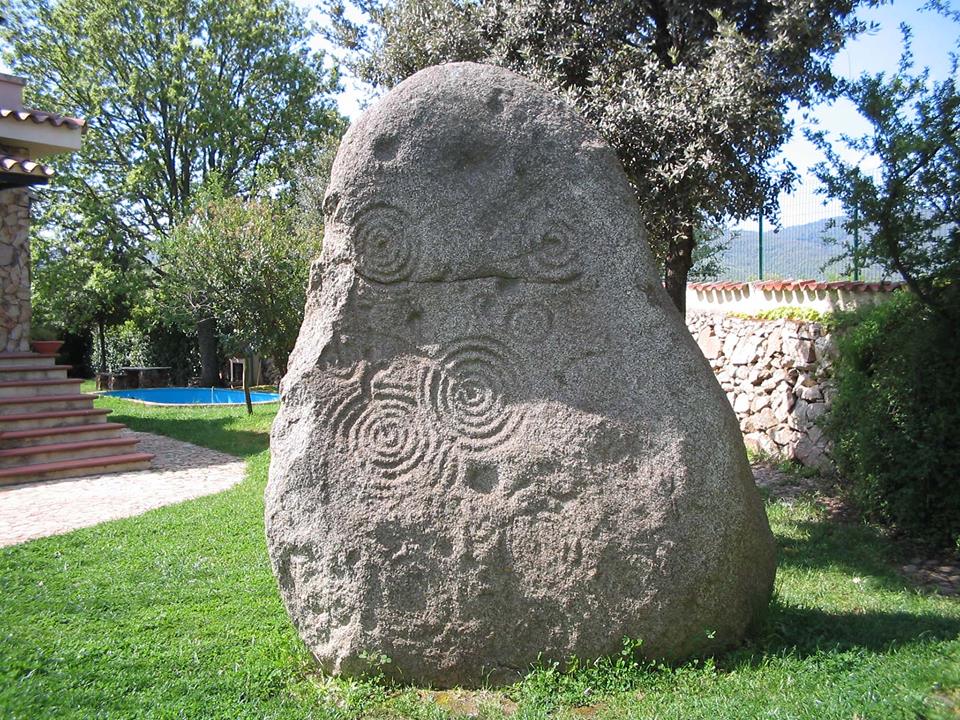
It was discovered in 1997 during work done in the garden of a house, today a bed & breakfast, on the outskirts of Mamoiada, a village in the Barbagia di Ollolai area, twenty kilometres from Nuoro, where it still lies, even if originally it was perhaps placed to watch over a sacred area frequented by the inhabitants of a Neolithic village, of which traces remain not far away. The Stele di Boeli, better known as sa Perda Pintà, or 'the decorated stone', is a worked and engraved granite megalith dating back to the Ozieri culture, in the late Neolithic (about 3000 BC). It is the only one to reach us intact, and definitely the largest and most representative of a series of similar slabs found in the territory of the Mamoiada village, famous for its Mamuthones and Issohadores carnival masks and cannonau wine.
The stele is a large slab of granite fixed into the ground, irregularly shaped, finely worked and finished on both sides, with a plane-convex section and a curved and arched top. The statue-menhir is almost three metres high, more than two metres wide and about half a metre thick, and has almost unique features in Sardinia: the surface of the main side is decorated with a series of concentric circles - from a minimum of two to a maximum of seven - engraved in low relief around an indent and intersected by a vertical line incision ending in an arched appendage. The decoration is completed by 23 indents of various sizes - the largest with a diameter of twenty centimetres - which thicken in the upper and lower left parts, where seven semi-circle dents are carved. The engravings, of great iconographic value, are similar to those of stones found in the Celtic area. The symbols give the monument a sacred and magical value. They are associated with cults linked to fertility and the cycle of death and rebirth of nature and the seasons, which is a particular feature of the beliefs of the Neolithic agricultural communities. The monument may also be dedicated to water, used to offer thanks to the god who makes it flow abundantly in the territory. In fact, some believe the concentric circles represent the effect when a pebble is thrown into water. Different studies, however, trace the symbols to the cult of the Mother goddess, bearer of fertility and abundance.
Other engraved stones have also been found in the territory of Mamoiada, much smaller and not intact, with similar circles and indented symbols, including one split in two pieces found at Garaunele, and another one found in several parts at s'Ena manna. A fragment of menhir was found at su Rosariu with a small engraved concentric circle. The phenomenon has only been found here, in this small barbaricino town, and was unknown in Sardinia until a few years ago, although it is extremely widespread throughout the Celtic area: in Scotland, Ireland, Wales, Brittany, Iberian Peninsula, Piedmont and Switzerland. As such is bears witness to the links and continuity between protosards and European Neolithic cultures. In Sardinia, other examples of concentric circles are found in the domus of s'Incantu in Putifigari, in Ogliastra - in the locality of Pirarba (Barisardo) and in Scerì (Ilbono), in Fonni in the necropolis of Madau, in Baronia in Irgoli and in Mandrolisai in Atzara.
Santuario della Vergine dei martiri
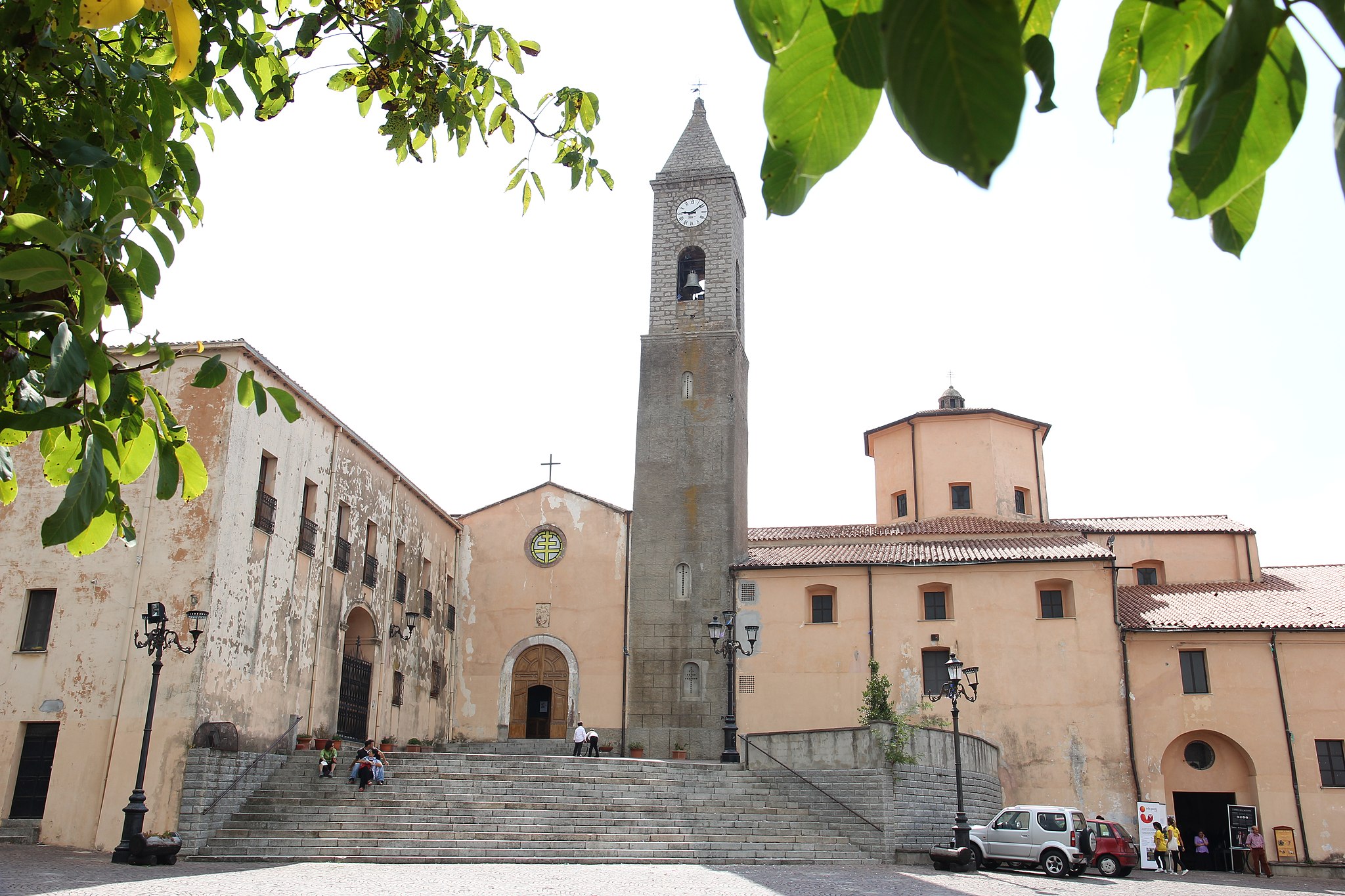
The Franciscans settled in Barbagia at the beginning of the 17th century in the Logotza district , the southern part of the current town of Fonni , a village set about a thousand meters above sea level. On lands donated to them in 1610 by benefactor Stefano Melis, they built a church and convent dedicated to the Trinità. Both had typically Franciscan, very simple architecture: the first with a single, barrel-vaulted nave with three chapels on each side; the second with a well in the centre surrounded by a quadrilateral cloister. In 1702 on the initiative of Father Pacifico Guiso, the friars began work on a new sanctuary, grafted onto the pre-existing church and dedicated to the Vergine dei Martiri. The ambitious project, which provided for an upper sanctuary and an underlying crypt, was entrusted to Milanese stonemasons and workers (and was completed four years later). To them we owe the floral and exuberant artistic language, then in vogue in the European capitals.
The upper basilica has a single nave with a barrel-vaulted ceiling, onto which two semi-circular chapels open. The building concludes with a raised presbytery that houses the altar with the venerated simulacrum of the Vergine dei Martiri, which tradition recounts was made with the dust of bones found in the Roman catacombs of Lucina. The church is topped by an octagonal dome, while its sumptuous sculptural decoration is enriched by the paintings of Pietro Antonio Are and his son Gregorio. Equally sumptuous is the underground sanctuary, the crypt of Sant'Efisio and San Gregorio Magno, considered fathers of the faith in Barbagia. It is divided into two rooms, both rectangular and barrel-vaulted: in the vestibule five niches on each side host effigies of saints linked to the Franciscan tradition; in the sanctuary itself you can admire the luxuriant polychrome stucco decoration and Are's tempera works on the vault. The complex also includes the oratory of San Michele Arcangelo, built in 1759, also in rococo style, based on Lombardian models, the convent, which preserves a precious collection of 16th and 18th century paintings, and the Franciscan hospitality oasis. All the buildings, still officiated by the minor friars today, face onto a large square bordered by cumbessias , former dwellings intended for novices and pilgrims during religious holidays, including the festival of the Madonna dei Martiri at the beginning of June, by far the most popular in Fonni. During the procession, the sound of the evocative gosos (sacred songs in Sardinian), gaudy traditional feminine dresses and the knights of s’Istangiatu - protagonists of other religious festivals and the Palio of the Municipalities, at the beginning of August - accompany the statue of the Virgin. The festival has its roots in the 17th century, during the Spanish colonization, while the church of San Cristoforo, in the countryside, and the destroyed one of San Michele, remain from the Byzantine era.
The pools of Is Caddaias
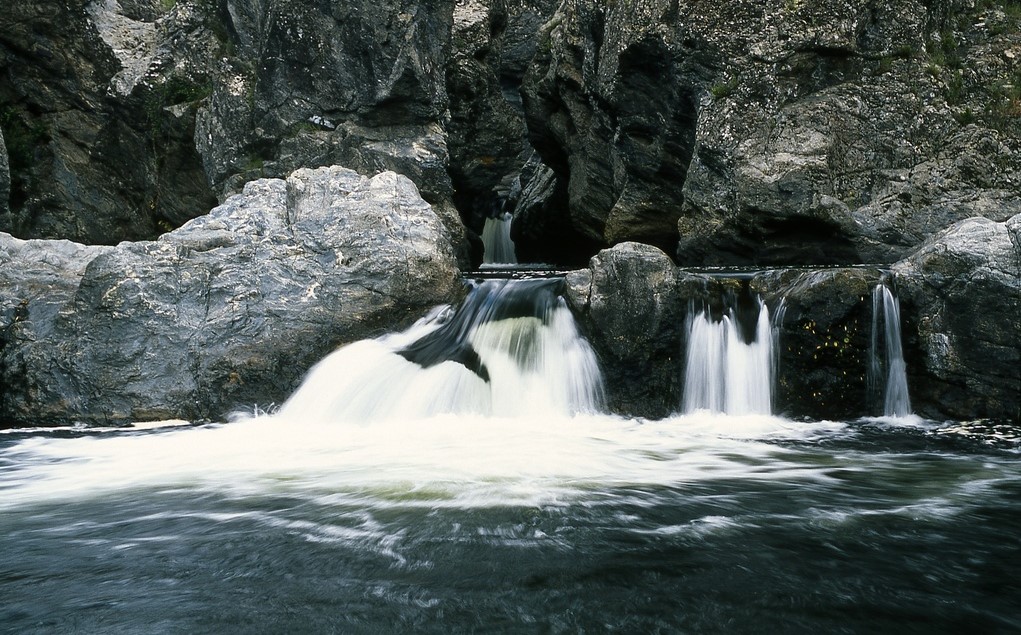
The Flumendosa river offers landscapes of incomparable beauty, in a succession of water displays that create surprising effects. In one of the wildest stretches of its course, in the locality of Pabani, on the border between the territories of Seulo and Gadoni, the rocks, modelled and excavated by millennia of the constant and swirling flow of the river, form large pools from which coloured waters flow, in tones of emerald green, just like three circular swimming pools placed on different levels and joined by small waterfalls. These are the pools of is Caddaias, a complex of three ponds on three levels, and named because the shape of the tanks recalls is caddargius, large basins (or pots) used by shepherds to curdle cheese.
The itinerary to admire this unforgettable display starts from the 110 metre-high panoramic bridge between Seulo and Gadoni, which joins the two steep slopes of the deep and narrow gorge dug by the loop of the Flumendosa. From this vantage point you can admire various other natural beauties, such as the Arredelusu pools. After the bridge, you will follow an old dirt road down into the green valley. The environment is wild: lush forests precipitate darkly down to the banks of the river. After parking the car near the old iron bridge, you will begin the trail for is Caddaias, about three kilometres long with a 200 metre altitude variation. It will take you easily - but pay attention to the slipperiness of the rocks during rainy periods - to the centre of the gorge. First, you will "land" on a sandy beach, where you can take a refreshing dip after the walk. Then the exploration starts from the pool further upstream; to get there you pass through narrow, cobbled lanes that create a road with an almost flat bottom. You will be facing imposing vertical rock walls, vaguely reminiscent of the exedra (front) of a Giants' tomb. Just beyond the waterfall, you will discover another canyon, much wider and with deeper water, from which the jet of water originates. On the opposite bank, strange concentric cavities are dug out, generated by large round boulders swirled by the fury of the flood waters: slowly they have eroded the rock to form the cavities. Following the course of the canyon further upstream, you will notice a picturesque rock mass at the centre of the basin: the elongated shape resembles the head of a crocodile.
The mountain in the background and the white rocky ridges are reflected in the third lake with calm and green waters. Peace and silence reign.
The river goes further downstream with other pools and waterfalls, such as Piscina 'e Licona and sa Stiddiosa , where the water precipitates with a dense dripping in winter and quiet in summer, amid limestones covered with plant essences on one side and smooth and rounded schists on the other. Driving along the high Flumendosa valley, set among green and steep slopes, you can make other exciting excursions. Inside the forest of Addolì, you will discover caves inhabited in prehistoric times, such as Omu 'e Janas, with a wide and high hall of stalactites and stalagmites. The most famous and distinctive monument is on Stampu 'e Su Turrunu, on the border between Seulo and Sadali: a' waterscape composed of a swallow hole, cave and fount with a waterfall and a pond. Water and wind have come to life by modelling the contours of s'Arcu 'e on cuaddu, a natural dolmen, under which a domus de Janas has been excavated.
Another show not to be missed with the first warm spring: the slopes of Mount Perdèdu, on which Seulo rises up, are coloured with red and yellow peonies. It is no coincidence that the pleasant and hospitable village is called de s'orrosa 'e padenti (rose of the forest), flower prince of Gennargentu.