
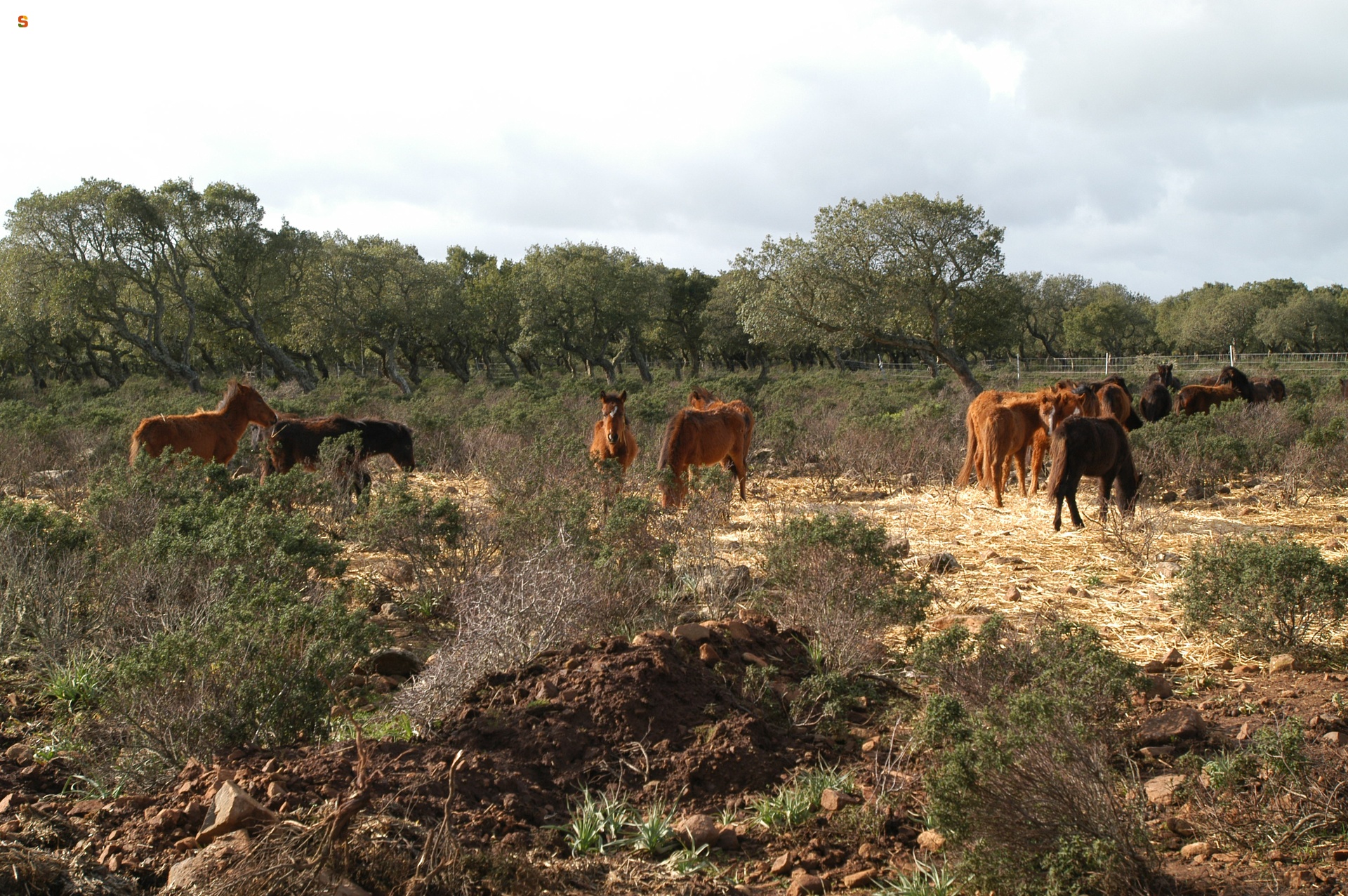
Gesturi
An enchanting landscape where time stands still, a Nuragic legacy and intense devotion. These are the characteristics of Gesturi, the northernmost village in the Marmilla region, with over a thousand inhabitants. Its territory partially occupies the Giara (sa Jara Manna), a plateau 600 metres high, once an impressive volcano and now an unparalleled oasis in the Mediterranean. Vegetation and animals live in symbiosis: a 'natural museum' with a dense blanket of botanical species, rare flowers and plants that adapt to the climate and the territory. They receive moisture from Is Paulis, enormous pools of water, even four metres deep. All around, there are valleys dominated by Mediterranean scrub and hills on which there are olive groves and vineyards, from which excellent quality wine and olive oil are obtained. Then, along the precipitous ridges of the plateau, forests of oak trees and poplars appear and make way for the cork oak woods on top of the plateau, almost all of which are 'crooked', having been bent by the strength of the wind.
This wildly beautiful place is inhabited by ducks, Eurasian woodcocks, Eurasian jays, hares and, above all, Giara horses, a protected species whose origin is shrouded in mystery and of which there are about 500 specimens living in small groups. Rocky elevations stand out on the plateau, interrupting the level trend of the ground. Here, you can walk amidst the signs that man has left over 3500 years, including the 'father of all Nuraghi', the Bruncu Madugui Protonuraghe. There are thirty archaeological sites, among which the Menhirs and Domus de Janas of Sa Ucca 'e Su Paui, the Tombs of Giants and Nuraghi of Pranu 'e Mendula and the Punic and Roman villages of Tana and Tupp'e Turri.
Gesturi is a destination for pilgrimages, thanks to Fra Nicola (1882-1958), who was beatified by Pope John Paul II and who lived in a modest house in the little village, currently used as a museum. From here, you can follow an itinerary along narrow roads with dwellings that have portals and archivolted verandas, churches in the old town centre and rural sanctuaries. Devotion is expressed in six religious buildings: in the centre, you will see the bell tower standing out, 30 metres from the parish church of Santa Teresa d'Avila (1607), celebrated in mid-October. In the outskirts, you will find the church of Santa Barbara, the most ancient (1473), just outside the municipality. The Madonna del Rosario (17th century) is home to the Is Cunfrarius Biancus, a confraternity that, during Holy Week, is responsible for the Madonna. Taking care of the Christ is the task of the brothers of the Holy Sepulchre, who reside in the little church of Santa Maria Egiziaca, which is unusual because of its architecture and its 'dressed statues'. Four kilometres from the village, nestled in a forest of centuries-old trees, there is the church of Madonna d'Itria (1620), with its festivities that are possibly of Byzantine origin and begin on the first day of Pentacost. Along with these celebrations, there is also the lay feast of the sheep. The most heartfelt festivity is the one for Fra Nicola: two days of intense celebrations.
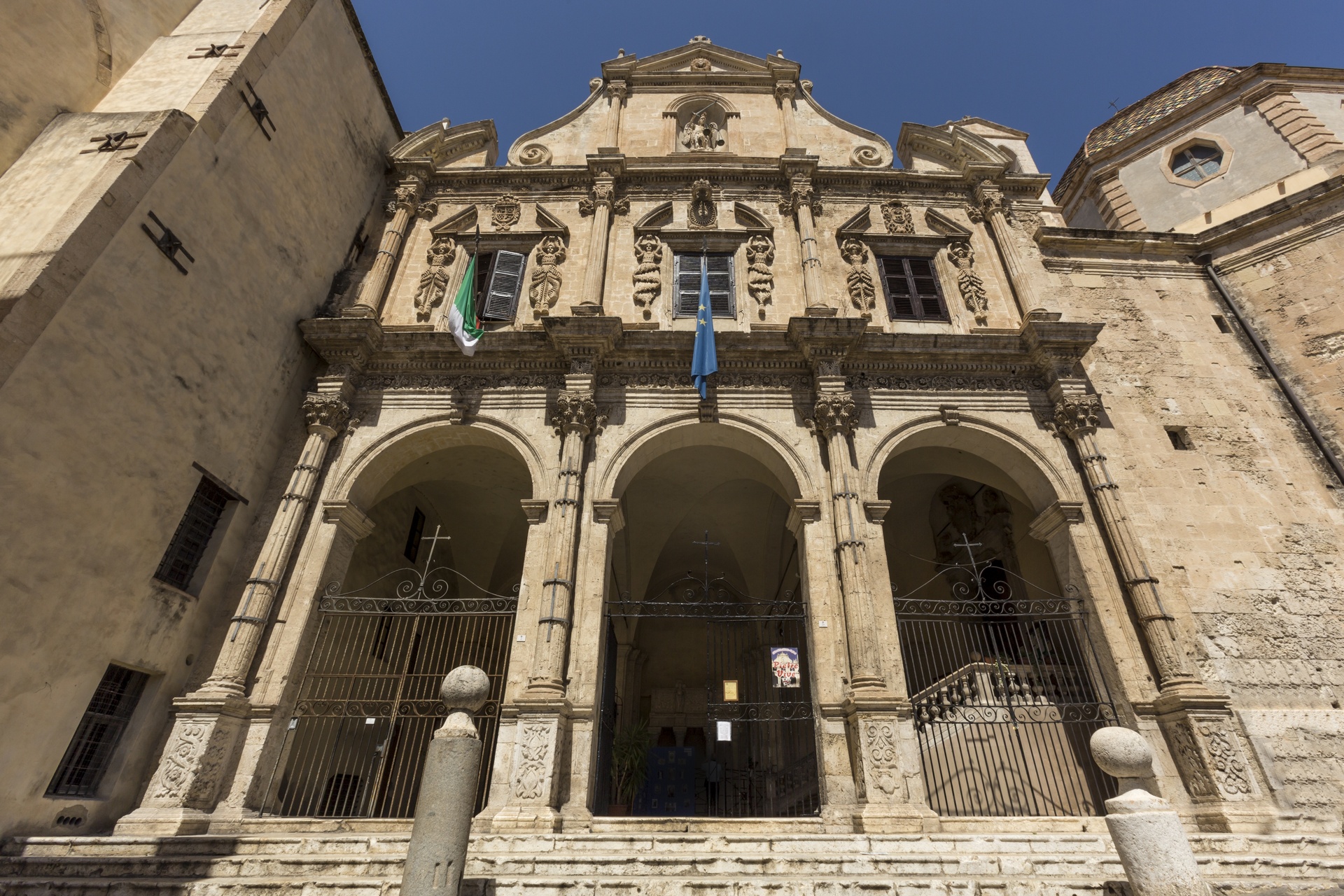
Jesuit complex of di san Michele
The Jesuit complex of San Michele is located in the upper part of the district of Stampace in Cagliari, near Porta dello Sperone. It consists of three buildings: the convent, preceded by a covered atrium and a vestibule, the former House of the novitiate, active since 1848 and currently the site of the military hospital, and the church, built at the end of the seventeenth century, before the cathedral, over a previous oratory, and consecrated in 1738. The Jesuits were expelled from the Island (1848) and returned to their church eighty years later.
The historical see of the Society of Jesus satisfies the ideological dictates of the powerful and cultured order. Despite the fact that the work lasted almost a century, the complex has a homogeneous appearance both in its architecture and decorations. The Baroque façade, made of tuff, has three orders. The first is divided by four fluted columns into three arcades that look out onto a cross-vaulted portico, from which you can enter the novitiate and the church. The second order is adorned by windows over which there are three coats of arms, of the Jesuit Society, of the commissioning bishop and (perhaps) the benefactor. The third, over which there is a triangular tympanum, is embellished by the niche in which there is a marble and bronze statue of St. Michael: the archangel is holding a sword and scales, symbols of strength and justice.
On the right, you will find the entrance to the church, an eighteenth century-inspired portal over which there is a gable end in the Genoese style of that period. Architectural lines, decorations, sculptures and paintings kept inside the church make it the most important testament to Baroque art in Cagliari. The plan is octagonal and irregular, with a single hall and four chapels on each side, communicating with each other. You will be struck by the rich decoration: sculpted stone elements, stuccoes, frescoes and multi-coloured marbles form a large part of the decor. The walls are punctuated by fluted parastades, adorned with friezes of leaves and human figures and on top of which there is a cornice along the entire perimeter. The cupola is resting on an octagonal tambour in which there are four windows. The roof has overlapping tiles (arranged like fish scales) and, on top of it, there is a lantern.
At the end of the eighteenth century, a rectangular sacristy was added, in Rococo style, with furniture, flooring, frescoes, portals, paintings, among which the Mysteries of the Rosary, and wooden sculptures, namely the Mysteries of the Passion by Sardinian artist Giuseppe Antonio Lonis, which are carried in the procession during the Holy Week rituals in Cagliari.
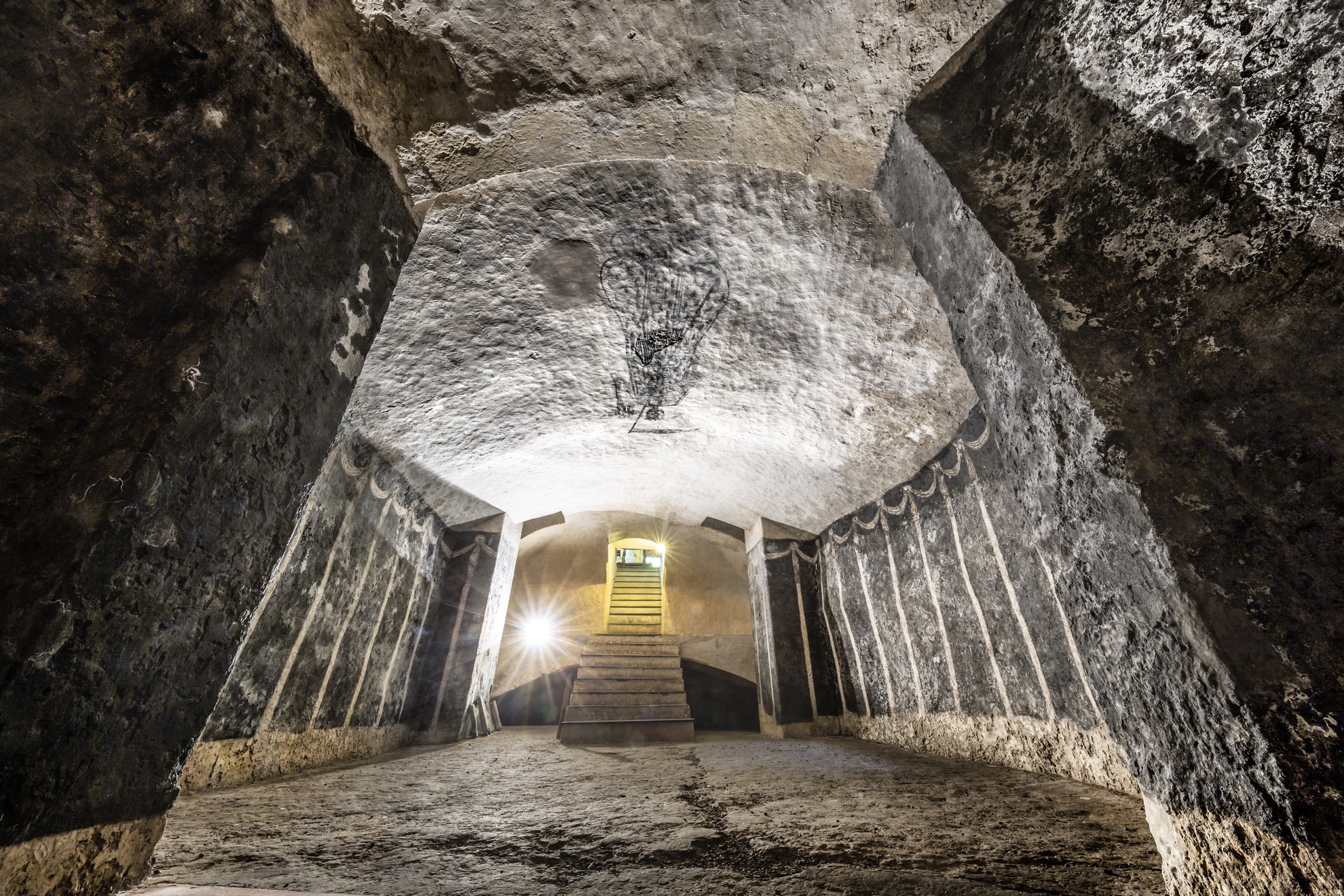
Cript of san Sepolcro
The church of San Sepolcro, in the heart of the district of Marina di Cagliari, has an ancient and fascinating history, which probably began in the 14th century and is linked, according to some scholars, to the figures of the Knights Templar and, above all, to the events of the Confraternity of the Most Holy Crucifix, also known as that of the Oration or of the Good Death, a religious order established in 1564, engaged above all in giving a respectable burial to the corpses of poor people and outcasts.
In 1992, on the occasion of renovation work carried out under the surface: a large room full of earth mixed with human bones was found. In fact, before the edict of Saint Cloud (1805) issued by Napoleon, bodies were buried within the town walls. It may have been these same religious brothers who dealt with the burials and it seems that they had Roman catacombs brought from the Holy Land so that the deceased could be united with the holy martyrs for eternity.
The crypt tells the story of a past of solitude and alienation and of charitable and considerate people who wanted to ensure that the poor and the unfortunate would have a tomb. The Crypta del Santo Sepolcro (Crypt of the Holy Sepulchre) is one of the most fascinating underground spaces in the town. As soon as you cross the entrance to the church, you will reach the crypt via a trapdoor situated in the centre of the nave: going down a short flight of steps, you will enter the three barrel-vaulted rooms that make up the underground vault. The spaces were probably dug out of the rock and burial took place on the floor using mounds of earth. The main room is painted completely black, using the technique of charcoal tempera paint, as if the walls were covered in gloomy drapes. In one of the rooms, you will see a masonry sepulchre, perhaps destined for the body of an illustrious character. You will notice traces of frescoes on the walls: the most significant painting depicts 'Death' portrayed as a skeleton wrapped in a regal ermine robe, with an hourglass in one hand, a symbol of the passing of time, and a scythe in the other. On the blade you will see a grim warning: nemini parco, 'I spare nobody'.
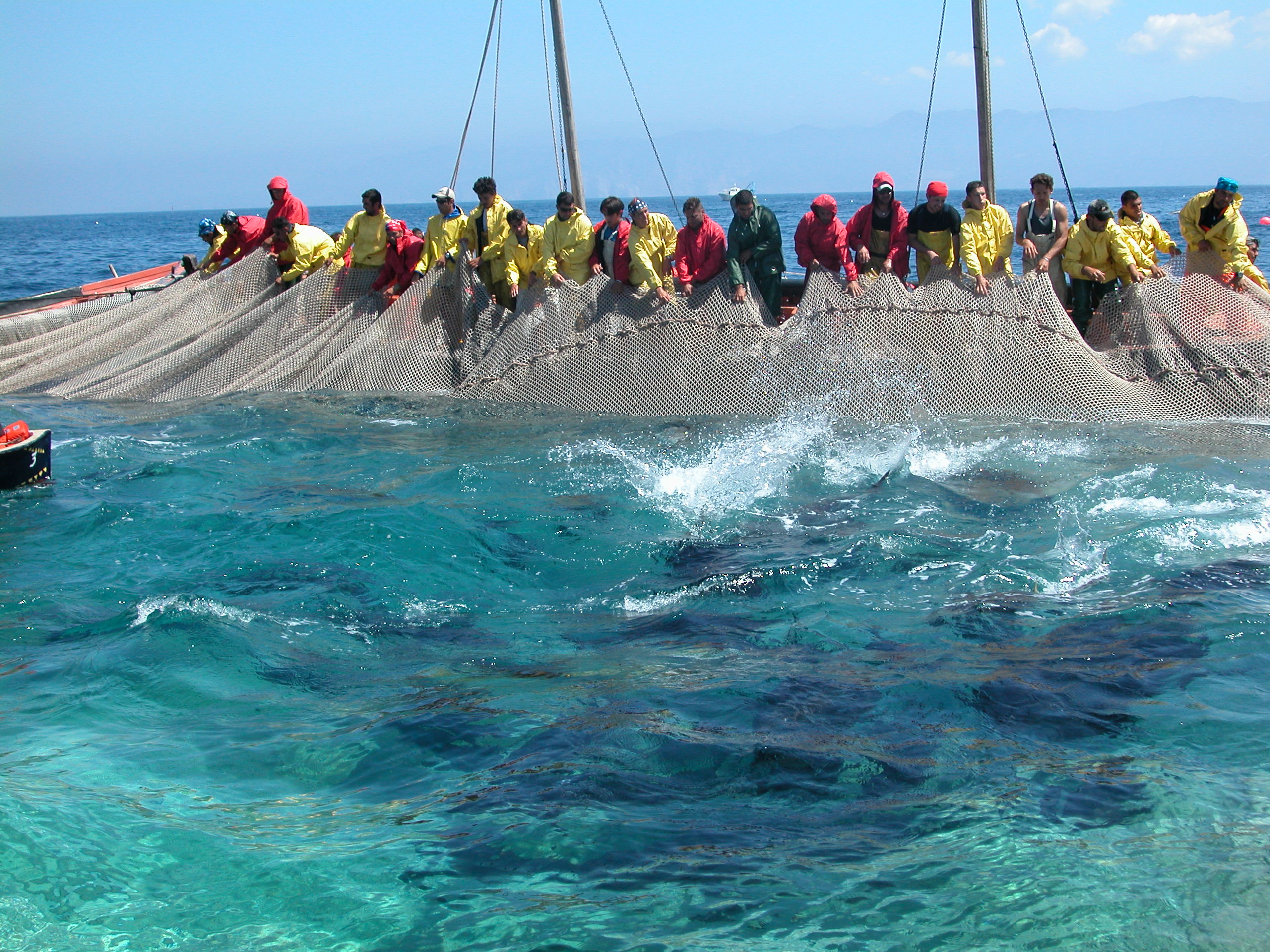
Girotonno, where food distinguishes and tells the story of an area
Food can tell you something about an area. In few places in the world is that as true as in Sardinia. Sardinian cooking is one of the most distinctive and personalised aspects of the island, one that goes beyond exquisite delicacies and fits into its history and tradition. In San Pietro, an island off the island, with a marvellous sea and a strong character, the culinary tradition is the identity and soul of the local community. The Girotonno symbolises this. From 24th to 27th May, this original gastronomic festival tells a story of ‘men, history and flavours following the tuna route’. Carloforte, which is one of Italy’s most beautiful villages and is a pearl of the Mediterranean, shows the world a tradition of fishing and cuisine in an event which is much-awaited from far afield. It is an expression of a culture that has roots stemming from ancient rites.
The jazz&blues soul of Sardinia
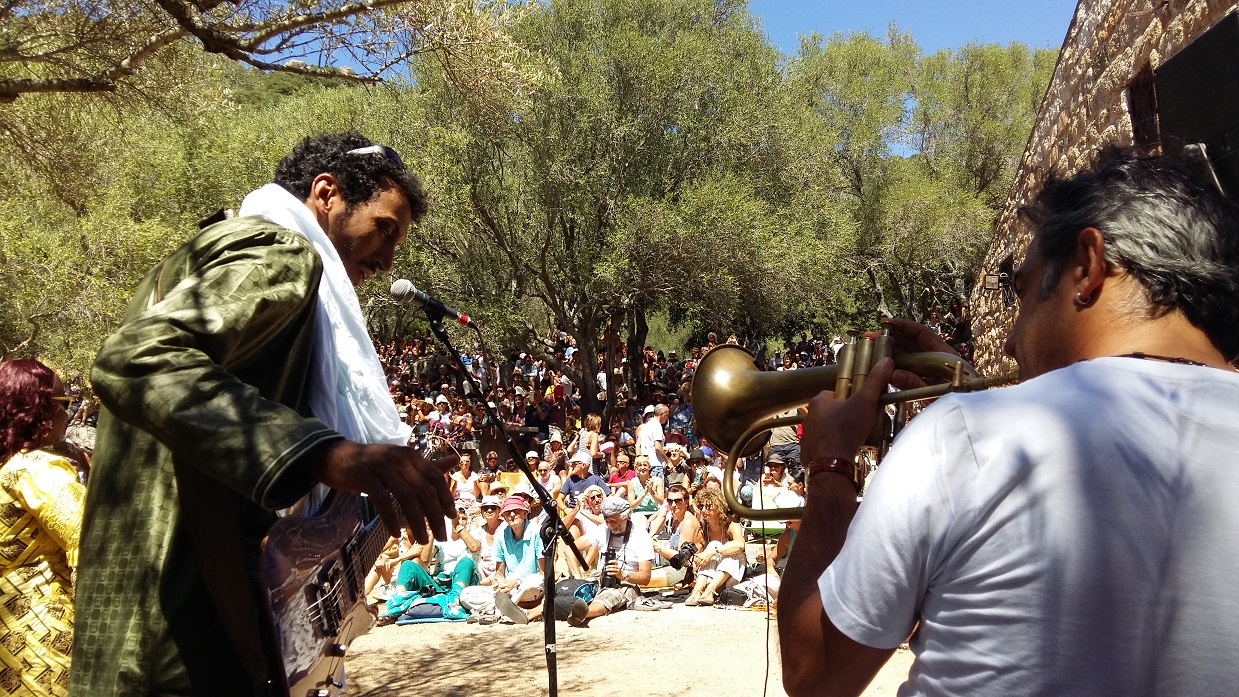
Granite coves sculpted by time, venues nestled among pure white limestone or red porphyry cliffs, enchanting village squares, archaeological sites, and even sea caves. From June to October, breathtaking natural backdrops become lively stages, resonating with melodies from renowned international artists. Harmonies and rhythms blend effortlessly with the environment, creating a symbiosis with Sardinia's unique lifestyle. For almost four decades, Sardinia has become an increasingly preferred destination for jazz, largely thanks to an artist who has unveiled a new musical soul for his homeland. Paolo Fresu was born in the small town of Berchidda, where he founded and nurtured Time in Jazz, now celebrating its 38th edition. Among the unmissable events, on Saturday, August 9th, in L'Agnata, the Sardinian retreat of Fabrizio De André, Paola Turci pays tribute to the unforgettable Genoese singer-songwriter.
San Giacomo apostolo - Mandas
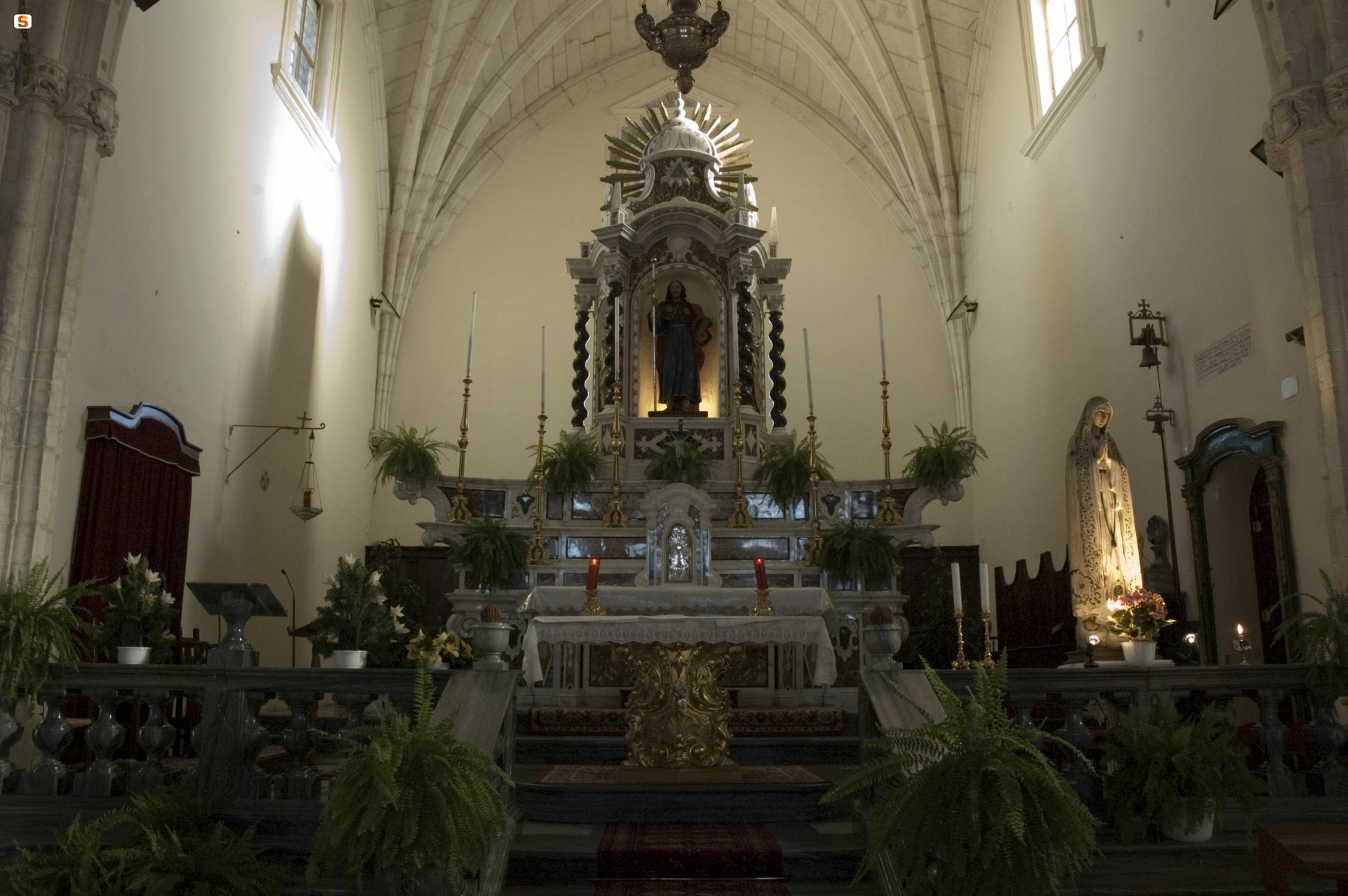
Its double-pitched façade appears just beyond the charming village of Mandas, the main town of Trexenta, a borderland between Campidano and Barbagia. The church of San Giacomo Apostolo, built on the site of a 15th-century building, was constructed in Gothic-Catalan style at the end of the 16th century. According to historic documents, work commenced in 1585 under the guidance of two master stonecutters, Gontinio Pinna and Miguel Baldabella, and was completed in 1605, at which time the parish was consecrated. The double-pitched stone roof characterises the façade, with a cross at the intersection. A round arch incorporates the wooden portal, above which is carved the coat of arms of the Carroz family, who ruled the Duchy of Mandas at the time, the only one established in Sardinia by the Spanish Crown (by Philip III in 1614). There are three windows in the upper part of the façade: a central rose window in line with the portal and two rectangular side windows.
The room has a rectangular layout, with a juniper-beam roof. Five chapels open up along each side. The presbytery area is raised higher than the floor of the nave and is distinguished by a star vault. The last works date back to 2012, when Giovanni Battista Franco restored the tabernacle of the high altar, being one of the marble creations, together with the baptismal font safeguarded by the church. Both ‘marbles’ date back to the 18th century. Also preserved within are the productions of Spanish and local carvers - a wooden series with crucifix, Madonna and San Giovanni, 17th-century polychrome statues, and various 18th-century wooden altars. At the exit of the parish is Sa Perda De Sa Bregungia, an ancient medieval pillory or ‘stone of shame’. The celebration of the patron saint, Santu Jacu at the end of July is accompanied by the Sagra del Formaggio (cheese festival), an opportunity to taste the local delicacies that testifies to the long pastoral tradition of the town.
Other evocative places of worship in Mandas are the 17th-century compendium of San Cristoforo and San Francesco, the church of Santa Vitalia and the 13th-century complex consisting of the church and convent of Sant’Antonio Abate, which overlooks a short stretch of the Karalis-Ulbia, a tangible sign of the Roman passage. On the opposite side there is the ethnographic museum is Lollasa 'e is Aiaiusu (‘the grandparents’ rooms’), set up in an 18th-century house as a historical record for the village. Mandas, long junction of the railway that led from Cagliari to Mandrolisai and Ogliastra, is today a station for the Trenino Verde (Green Train), an alternative way to explore hidden gems in this part of Sardinia, including cultivated hills, gorges, rock faces and the north-eastern shores of Lago Mulargia.
Su Angiu
The fertile hills of Trexenta have been an attraction since prehistoric times. This is testified by circa 50 Nuragic settlements in the territory of Mandas alone, an agropastoral village of medieval origin that has always served as a crossroads for various peoples, as a land of passage between Campidano and Barbagie, as can be seen by a short stretch of Roman road in the centre of the town. Among the many remnants, the Nuraghe su Angiu, also known as Bangiu, forming the greatest legacy left by the Nuragic civilisation, bearing traces of prehistoric and historical overlaps in two areas, one Nuragic and inhabited in historical times, the other Punic, then Roman and High Medieval.
The archaeological complex extends across approximately three hectares, dominated by an imposing quadrilobed Nuraghe covered with a tholos (false dome) with bulwark. The first “anthropisation” of the edifice was undertaken by the Nuragic peoples between the final Bronze Age and the Iron Age (12th-8th century BC), presenting a particular cultural multi-layering from the 9th century BC.
The excavations have brought to light ‘foreign’ materials, due to contact with the Phoenicians on the coast, focusing the attention of archaeologists on the relationship between local populations and people from the eastern Mediterranean, with whom they had close and profitable trade relations. A subsequent frequentation came during the Punic age, continuing without any break to the Roman and late Antique era. The wall structures identified in the northern part of Su Angiu can be traced back to this period. To the south of the Nuragic monument, rather, is a rectangle 15 metres in length and ten metres wide that is characterised by a well with shaft lined with stones of various shapes and sizes. The spring was perhaps originally Nuragic, later obliterated by Roman structures. Excavations have brought to light mostly material Punic (painted ceramics), but also Nuragic. The most important finding is a bronze ship, exhibited at the National Archaeological Museum in Cagliari.
Another important Nuragic site in Mandas is the Tomb of Giants of s'Arruina de su Procu. To explore the cultural traditions of the town, there is the ethnographic museum is Lollas 'e is Aiaiusu (‘the grandparents’ rooms’), set up in an 18th-century residence. Rising up nearby is the majestic 19th-century town hall and the compendium consisting of a little church (13th century) and the Convent of Sant’Antonio Abate. In the outskirts, rather, is the main place of worship: the parish church of San Giacomo, built between 1585 and 1605 in Gothic-Catalan style. The Trenino Verde (Green Train) is an evocative way to discover the territory - it follows panoramic paths, through the hills, gorges, rocky walls and passing by Lago Mulargia.
Sardinia, a natural cinema under a starry sky
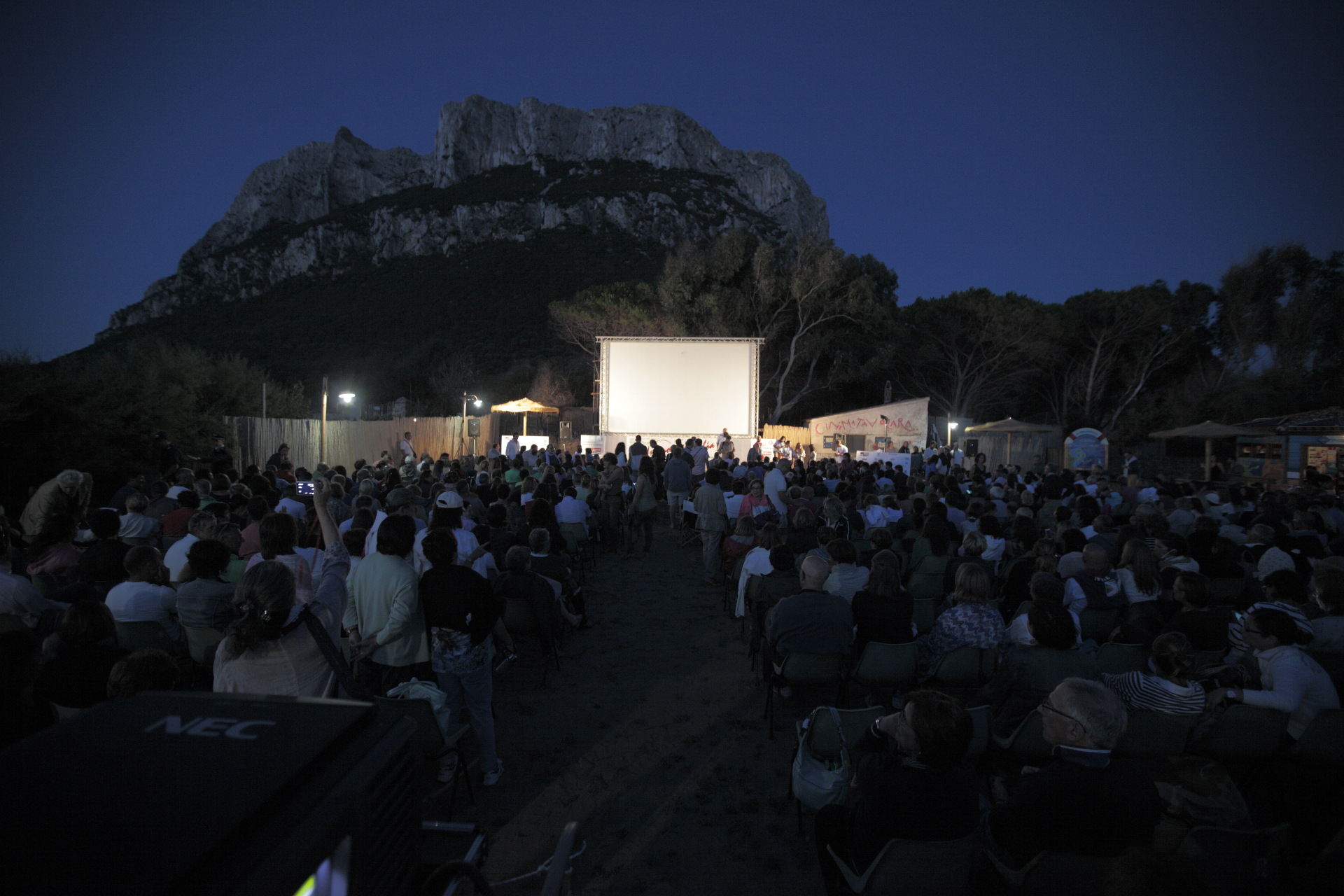
Four festivals in the lesser islands of Sardinia, islands in the Island. Tavolara, a limestone mountain that emerges from the sea, in mid-July turns into an immense cinema with a starry vault of Una Notte in Italia. Established in 1991 to focus on filmmaking and creativity in Italian cinema, it is now a traditional event at national level. Meeting and interaction between the public, artists and experts already starts on board the boats that reach the island leaving from Porto San Paolo near San Teodoro and a little south of Olbia, that is, the three Municipalities involved in the 28th edition. For over a quarter of a century, the best Italian actors have walked on this unique red carpet surrounded by the waters of the spectacular marine reserve of Tavolara-Capo Coda Cavallo. Una Notte in Italia 2018 will be a travelling edition: it will start on Tuesday 17 July in the nature reserve of San Teodoro lagoon, then it will move to Porto San Paolo on Thursday 19 and then from Friday 20 the screenings will be held in the enchanting setting of the island of Tavolara.
Natural scenery of an island straight out of a film
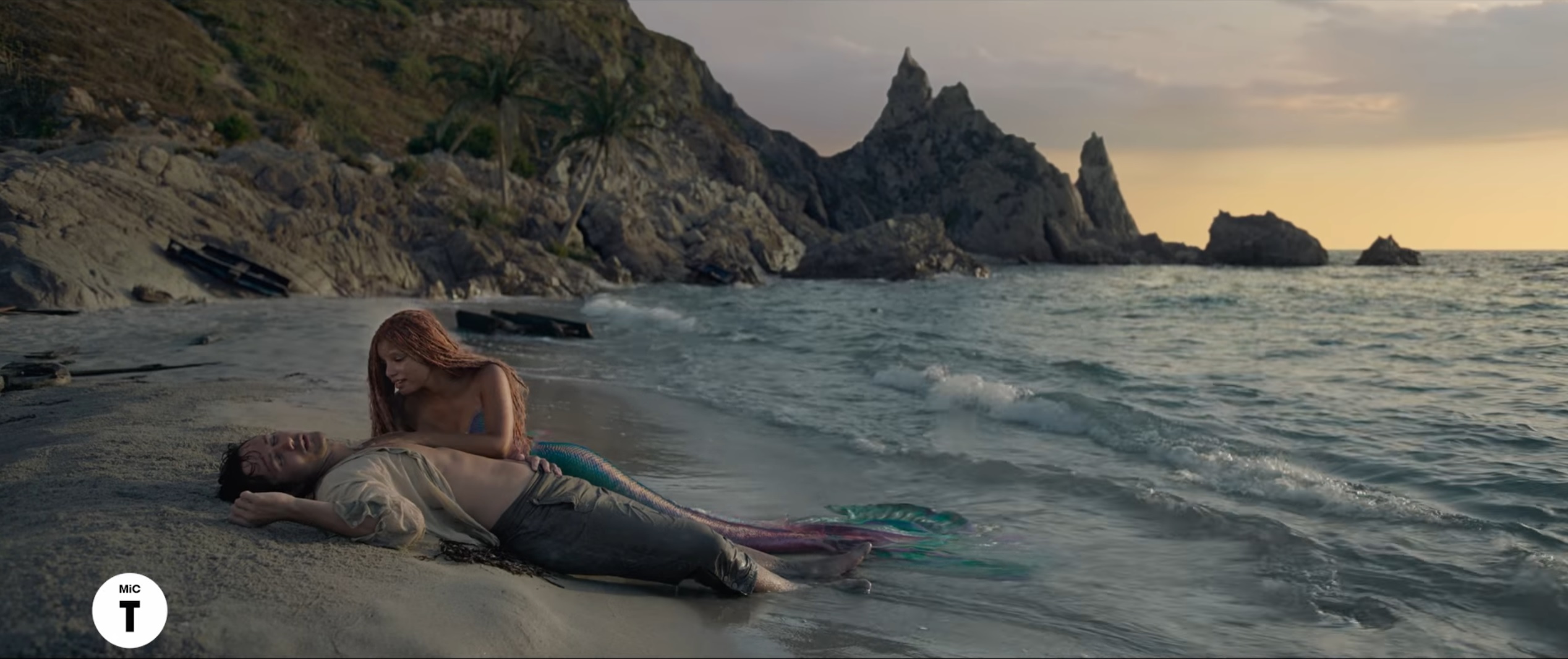
From deserted beaches to promontories overlooking the sea, from the wild Supramonte to the abandoned mining villages of Sulcis, from ancient forests to towns where time has stood still: Sardinia has always been an inspiration to writers and directors looking for scenery. Among the latest successes, there are several TV series, a very popular genre nowadays: ‘L'isola di Pietro’ (Peter’s Island), interpreted by Gianni Morandi and set on the island of San Pietro and in its village, Carloforte, and ‘Catch-22’, starring George Clooney, with its main location in the area around Olbia. The first films were recorded here in black and white, between the two world wars. The first successful film was “Forbidden” (1954) by Mario Monicelli, based on “La Madre” by Grazia Deledda, filmed between Codrongianos, Ittiri and Tissi. Ten years later, the scene of Isaac's sacrifice, part of “The Bible” (1966) by John Huston used Mount Corrasi in Oliena as a backdrop. A whole series was based on the wildest Barbagia: from “Bandits of Orgosolo” (1958) to “Father and Master” (1977) by the Taviani brothers. The theme was revisited in “Disamistade” (1988) by Gianfranco Cabiddu, set between Nuoro and Ghilarza.

Discovering thousands of years of history on foot
Walking in a rhythmic, meditative way, you can really appreciate the best of a unique, mythical land, fully taking in enchanted landscapes and views, getting to know the people and communities that inhabit it and their authentic traditions. Sardinian walks, spiritual experiences and destinations for pilgrimage offer everything the "slow tourist" is looking for, in full contact with the nature, culture and true identity of the places you visit, providing an enriching, educational experience. The island's walks are ideal for tourists looking for an intimate, true experience in a unique natural and cultural setting, and in an area that sees hospitality as sacred. To be seen on foot, by bicycle, on horseback or with the Trenino Verde.