
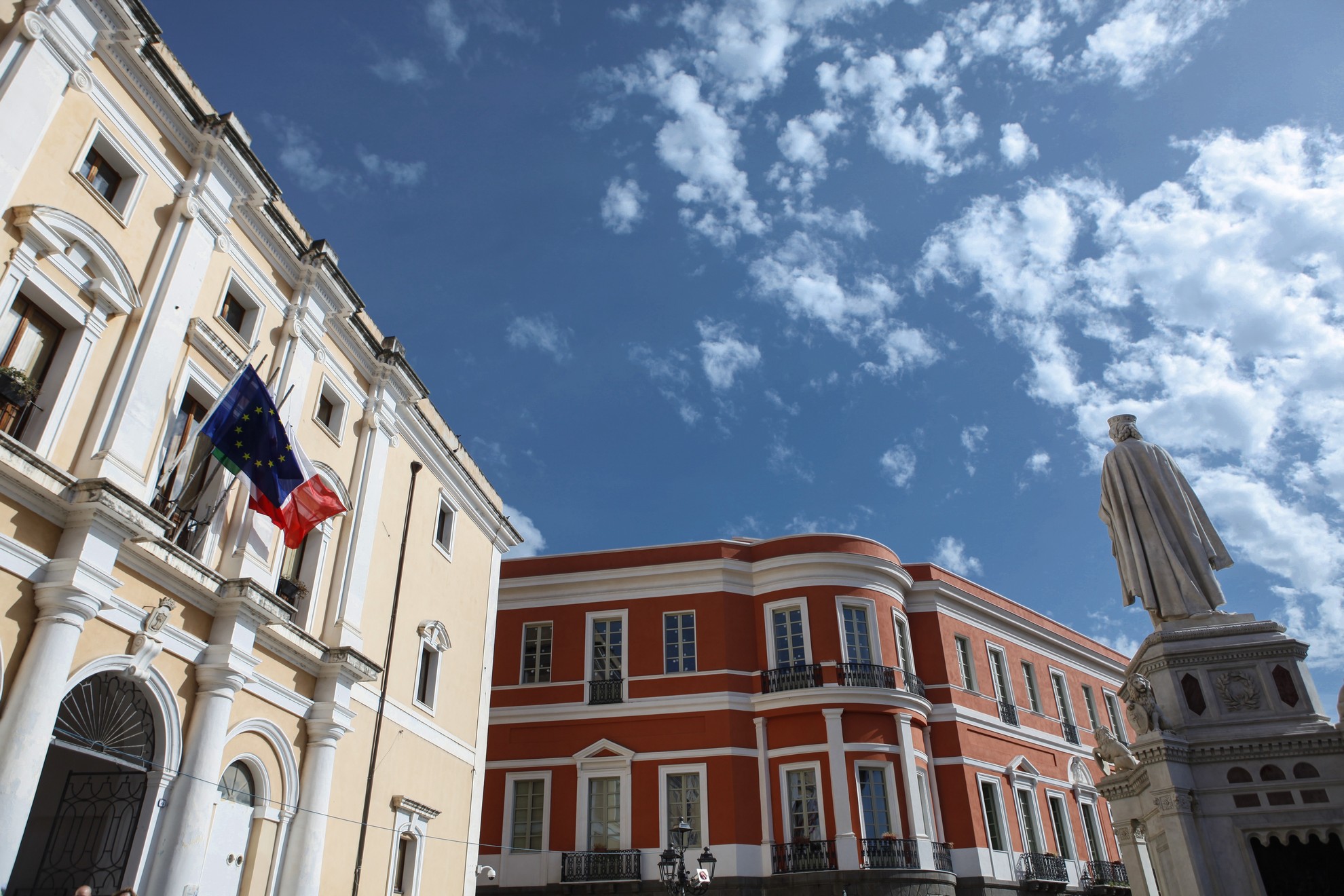
Palazzo Corrias Carta
Its unmistakable brightly-coloured neoclassical façade, stands in Piazza Eleonora d'Arborea, one of the most beautiful in Oristano, in the centre of which stands a statue of the 'Giudicessa' (local ruler). Palazzo Corrias Carta dominates the eastern side of the square at the junction with Corso Umberto I, with its elegant and rigorous style, blending perfectly with the noble character of the building. It was built at the behest of Giuseppe Corrias, as a family dwelling, just after the middle of the 19th century, based on a design by Gaetano Cima, who was also responsible for the neoclassical church of San Francesco d'Assisi. Thanks to the famous architect, it is the most valid testament to nineteenth century religious architecture in Oristano and the building also represents, on the other side of the square, a great example of civil construction. The two buildings have in common their neoclassical morphological repertoire and the great care and attention focused on their insertion into the urban context.
This work, completed in 1874, has the typical decoration of the noble palaces of the period and confirms Cima's simplicity and practical approach. It consists of two buildings joined together by a circular element. The lines are designed to create a balanced and homogeneous façade in which the rounded corner that softens and separates the two parts of the building has been skilfully inserted. This cylindrical space also has town planning value, as it is a connection and creates continuity between the areas of the city that the buildings overlook. Its exterior is elegant while on the inside there are precious frescoes and unusual decorations created by Giovanni Dancardi and Davide Dechiffer, as well as original classical decor dating back to a period between the end of the 19th and the beginning of the 20th century.
Piazza Eleonora is the site of other important historical buildings in Oristano, like Palazzo degli Scolopi, also in neoclassical style, once a Jesuit convent and now the site where the Municipal Council is located. Every year, one of the most famous events in Sardinia passes through this square: Sa Sartiglia. Nearby, you will discover other historical buildings and monuments, like the Cathedral of Santa Maria Assunta, and the Tower of Mariano, the most majestic of the ancient medieval fortifications in the city.
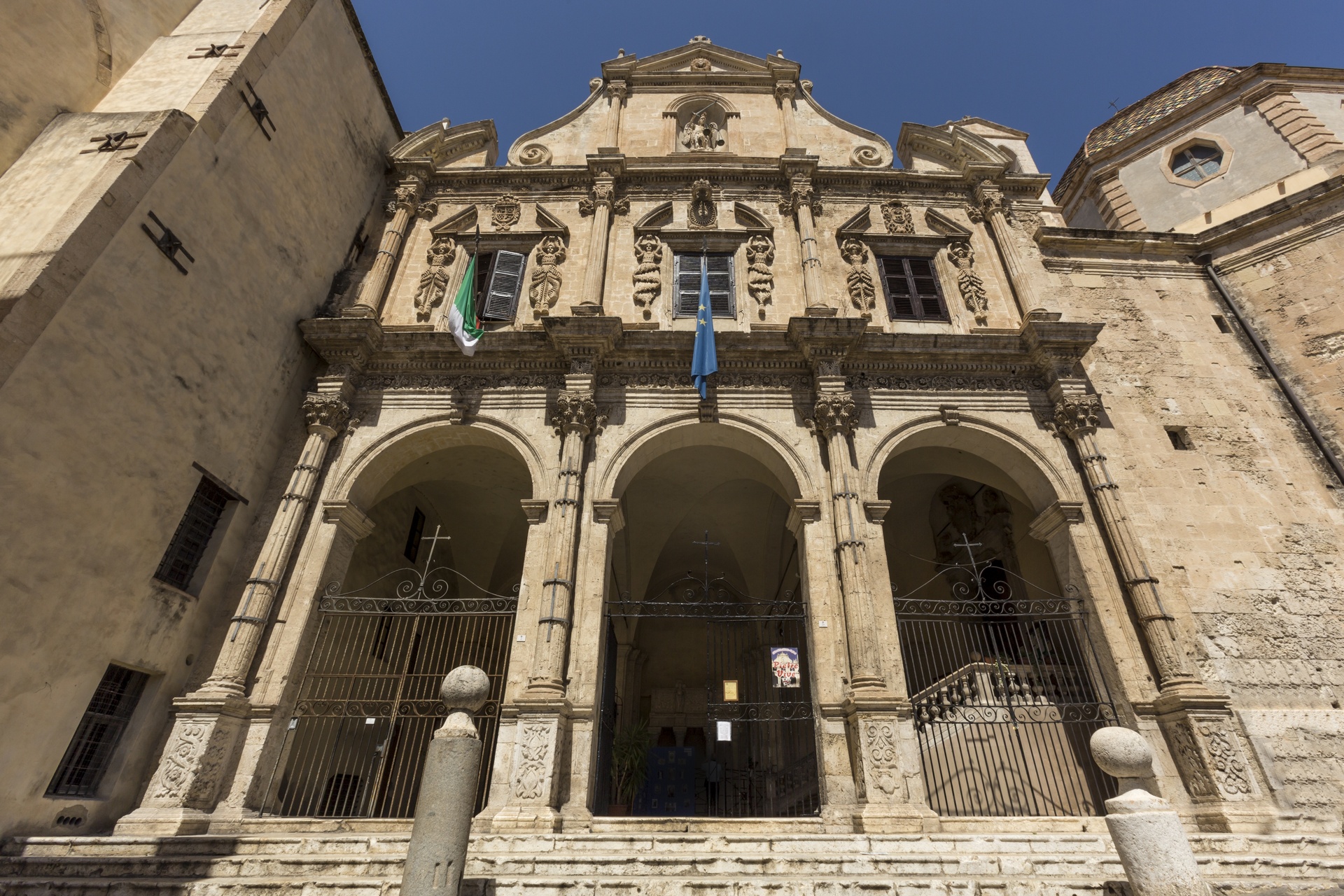
Jesuit complex of di san Michele
The Jesuit complex of San Michele is located in the upper part of the district of Stampace in Cagliari, near Porta dello Sperone. It consists of three buildings: the convent, preceded by a covered atrium and a vestibule, the former House of the novitiate, active since 1848 and currently the site of the military hospital, and the church, built at the end of the seventeenth century, before the cathedral, over a previous oratory, and consecrated in 1738. The Jesuits were expelled from the Island (1848) and returned to their church eighty years later.
The historical see of the Society of Jesus satisfies the ideological dictates of the powerful and cultured order. Despite the fact that the work lasted almost a century, the complex has a homogeneous appearance both in its architecture and decorations. The Baroque façade, made of tuff, has three orders. The first is divided by four fluted columns into three arcades that look out onto a cross-vaulted portico, from which you can enter the novitiate and the church. The second order is adorned by windows over which there are three coats of arms, of the Jesuit Society, of the commissioning bishop and (perhaps) the benefactor. The third, over which there is a triangular tympanum, is embellished by the niche in which there is a marble and bronze statue of St. Michael: the archangel is holding a sword and scales, symbols of strength and justice.
On the right, you will find the entrance to the church, an eighteenth century-inspired portal over which there is a gable end in the Genoese style of that period. Architectural lines, decorations, sculptures and paintings kept inside the church make it the most important testament to Baroque art in Cagliari. The plan is octagonal and irregular, with a single hall and four chapels on each side, communicating with each other. You will be struck by the rich decoration: sculpted stone elements, stuccoes, frescoes and multi-coloured marbles form a large part of the decor. The walls are punctuated by fluted parastades, adorned with friezes of leaves and human figures and on top of which there is a cornice along the entire perimeter. The cupola is resting on an octagonal tambour in which there are four windows. The roof has overlapping tiles (arranged like fish scales) and, on top of it, there is a lantern.
At the end of the eighteenth century, a rectangular sacristy was added, in Rococo style, with furniture, flooring, frescoes, portals, paintings, among which the Mysteries of the Rosary, and wooden sculptures, namely the Mysteries of the Passion by Sardinian artist Giuseppe Antonio Lonis, which are carried in the procession during the Holy Week rituals in Cagliari.
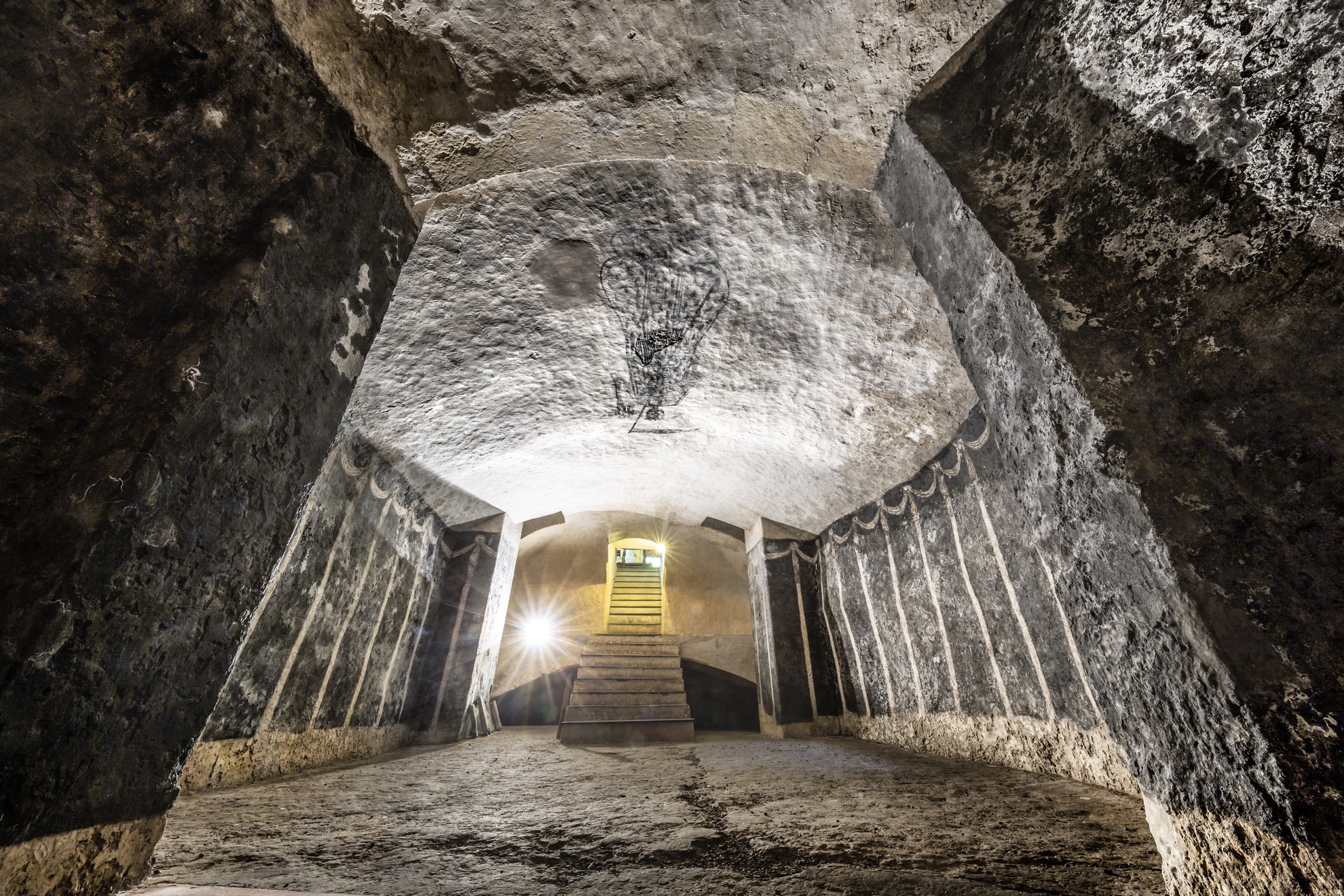
Cript of san Sepolcro
The church of San Sepolcro, in the heart of the district of Marina di Cagliari, has an ancient and fascinating history, which probably began in the 14th century and is linked, according to some scholars, to the figures of the Knights Templar and, above all, to the events of the Confraternity of the Most Holy Crucifix, also known as that of the Oration or of the Good Death, a religious order established in 1564, engaged above all in giving a respectable burial to the corpses of poor people and outcasts.
In 1992, on the occasion of renovation work carried out under the surface: a large room full of earth mixed with human bones was found. In fact, before the edict of Saint Cloud (1805) issued by Napoleon, bodies were buried within the town walls. It may have been these same religious brothers who dealt with the burials and it seems that they had Roman catacombs brought from the Holy Land so that the deceased could be united with the holy martyrs for eternity.
The crypt tells the story of a past of solitude and alienation and of charitable and considerate people who wanted to ensure that the poor and the unfortunate would have a tomb. The Crypta del Santo Sepolcro (Crypt of the Holy Sepulchre) is one of the most fascinating underground spaces in the town. As soon as you cross the entrance to the church, you will reach the crypt via a trapdoor situated in the centre of the nave: going down a short flight of steps, you will enter the three barrel-vaulted rooms that make up the underground vault. The spaces were probably dug out of the rock and burial took place on the floor using mounds of earth. The main room is painted completely black, using the technique of charcoal tempera paint, as if the walls were covered in gloomy drapes. In one of the rooms, you will see a masonry sepulchre, perhaps destined for the body of an illustrious character. You will notice traces of frescoes on the walls: the most significant painting depicts 'Death' portrayed as a skeleton wrapped in a regal ermine robe, with an hourglass in one hand, a symbol of the passing of time, and a scythe in the other. On the blade you will see a grim warning: nemini parco, 'I spare nobody'.

Sardinia surprises with its literary festivals
A fascinating cross section of Sardinia, reflected in literary events with dates sprinkled across spring, summer and autumn. Unmissable occasions that will go with relaxation during a holiday spent on the coast or inland. The Island of Stories Festival (Isola delle storie) in Gavoi in the Nuorese area is the standard banner for the festivals, Since 2004 writers, actors, journalists, musicians and thousands of avid readers have met up in the weekend of the beginning of July. They are drawn by the warm welcome given by the people of Gavoi, who are happy to share their traditions and their good life with them. Houses are opened up to guests, and the colourful wooden balconies of the stone dwellings become stages for reading stories and accounts, while the piazzas are arenas for the audience. Its prestige has done nothing but grow over its editions, and it is now a point of reference at a national and international level, together with other Sardinian literary festivals like La Notte dei Poeti, Éntula, Licanìas and Marina Café Noir.
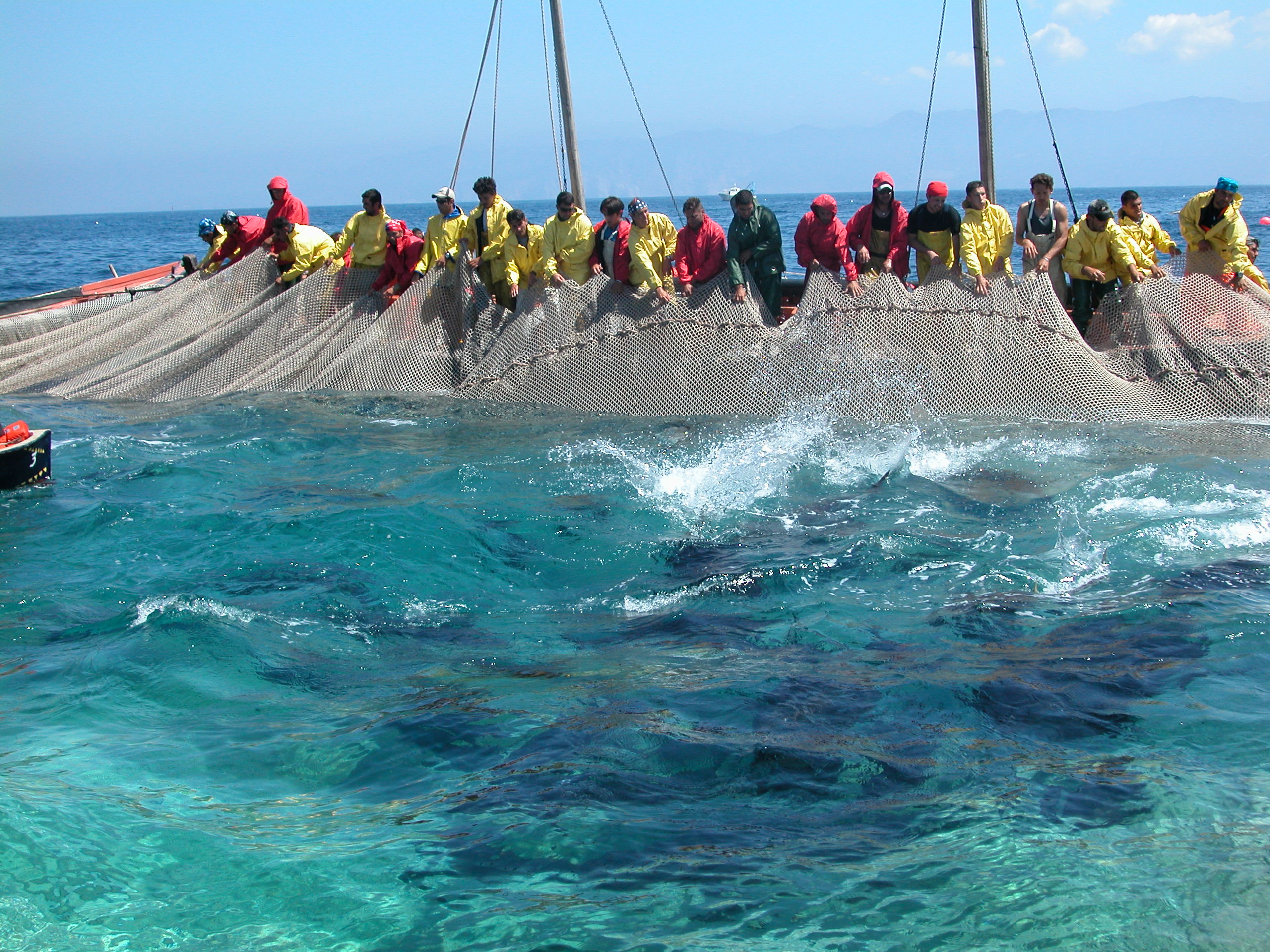
Girotonno, where food distinguishes and tells the story of an area
Food can tell you something about an area. In few places in the world is that as true as in Sardinia. Sardinian cooking is one of the most distinctive and personalised aspects of the island, one that goes beyond exquisite delicacies and fits into its history and tradition. In San Pietro, an island off the island, with a marvellous sea and a strong character, the culinary tradition is the identity and soul of the local community. The Girotonno symbolises this. From 24th to 27th May, this original gastronomic festival tells a story of ‘men, history and flavours following the tuna route’. Carloforte, which is one of Italy’s most beautiful villages and is a pearl of the Mediterranean, shows the world a tradition of fishing and cuisine in an event which is much-awaited from far afield. It is an expression of a culture that has roots stemming from ancient rites.
Nostra Signora del Regno
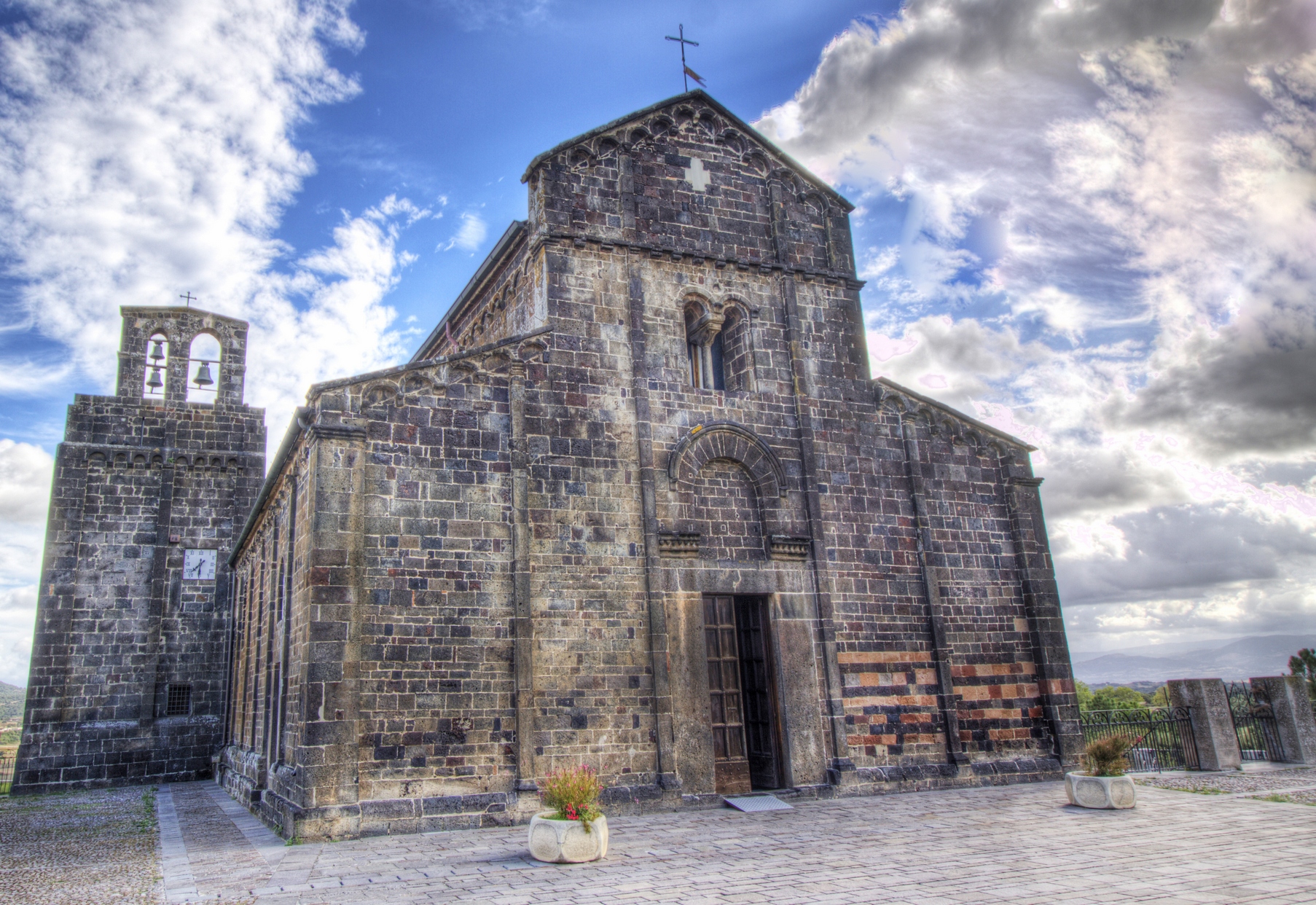
It stands with imposing darkness at the entrance to Ardara, a village in the Lugodoro region, perched on the slopes of Montesanto. The basilica of Nostra Signora del Regno is located near the ruins of a royal palace, a contemporary building that was once the place in which the Giudici (judges) of Torres resided. The Giudici would take oaths at the church altar and it was here that they were buried. It overlooks the plain below from high up on a hillock: its secluded and dominant position adds to the charm of this building made of jet-black ashlars of 'ferrous' trachyte. It was originally just a chapel: Giudice Comita (or perhaps his sister) was responsible for enlarging it in the second half of the 11th century. The expansion of the church was terminated by Pisan workers in 1107, as can be seen on a consecration inscription on the altar. An extraordinary monument was built and it is one of the most important pertaining to Romanesque architecture in Sardinia, characterized by simplicity and grandeur. It will strike you with the contrast between its black basalt stone and the gold sixteenth-century altarpiece.
An arched portal opens up on the façade, which is divided into five segments by pilasters. The bell tower stands against the northern side of the building. There are pillars along the three naves and the two lateral naves have cross vaults, while the central one has a wooden ceiling. The main Retable is in the apse: it is the story of Salvation, told by the images of prophets, patriarchs, saints and the blessed Virgin Mary. The author and date (1515) are indicated on the altar-step. Inside, you can also admire a series of eighteenth-century frescoes, depicting the twelve apostles and the four fathers of the Church, as well as the Smaller Retable, a wooden pulpit that narrates the Passion of Christ. Another valuable work of art, dating back to the early 12th century, is the processional banner: the Virgin Mary with Child is painted on one side, while the Veil of Veronica with the face of Christ is painted on the other. It is the protagonist of the celebration honouring the patron saint of Ardara, which is attended by flocks of worshippers. The celebrations culminate in a procession on 9 May, accompanied by the choir of Sos Gosos, singing praise to the Virgin Mary. Following this, there are songs, dances and folk exhibitions.
On the subject of places of worship, you can visit the nearby extraordinary Nostra Signora di Castro (12th century) and the Basilica of Sant'Antioco di Bisarcio, one of the most important Sardinian Romanesque churches. Also in the surrounding area, don't miss the castle of Monte Acuto, the Grotto of San Michele, which led to the formation of the 'Ozieri culture' (3200-2800 BC), the Nuraghe Burghidu and the Roman bridge on the Rio Mannu river.
Summer 2017, Sardinia has the best seashore
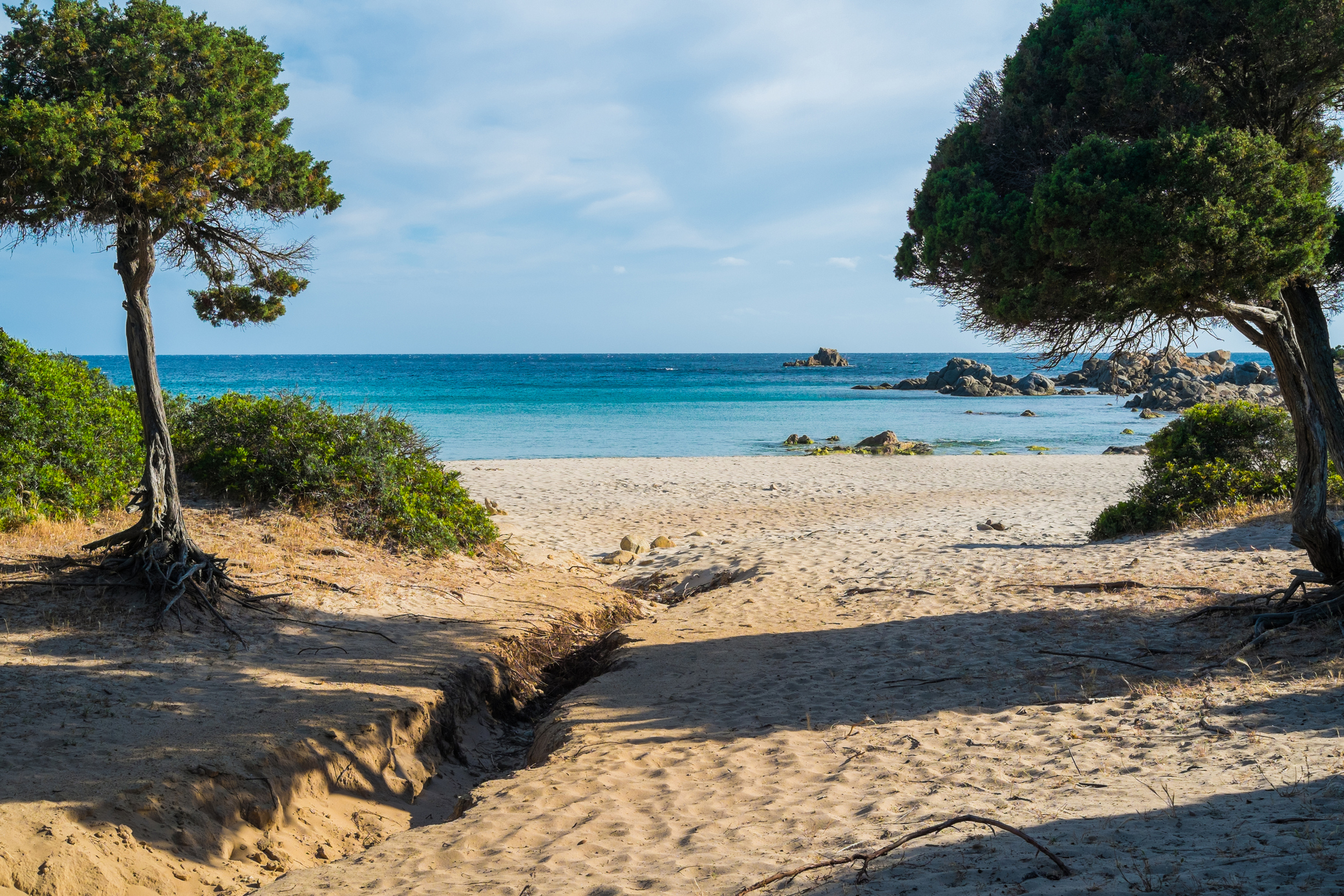
First place among those awarded 5 Blue Sails for environmental sustainability and quality of services is Chia (Domus de Maria). In third place is Baronia, with its park, Tepilora, in fourth place Baunei and in eighth place the Planargia at Bosa. The top ten concludes with the northern part of the Gallura
Faith and boldness: it’s time for the Ardia
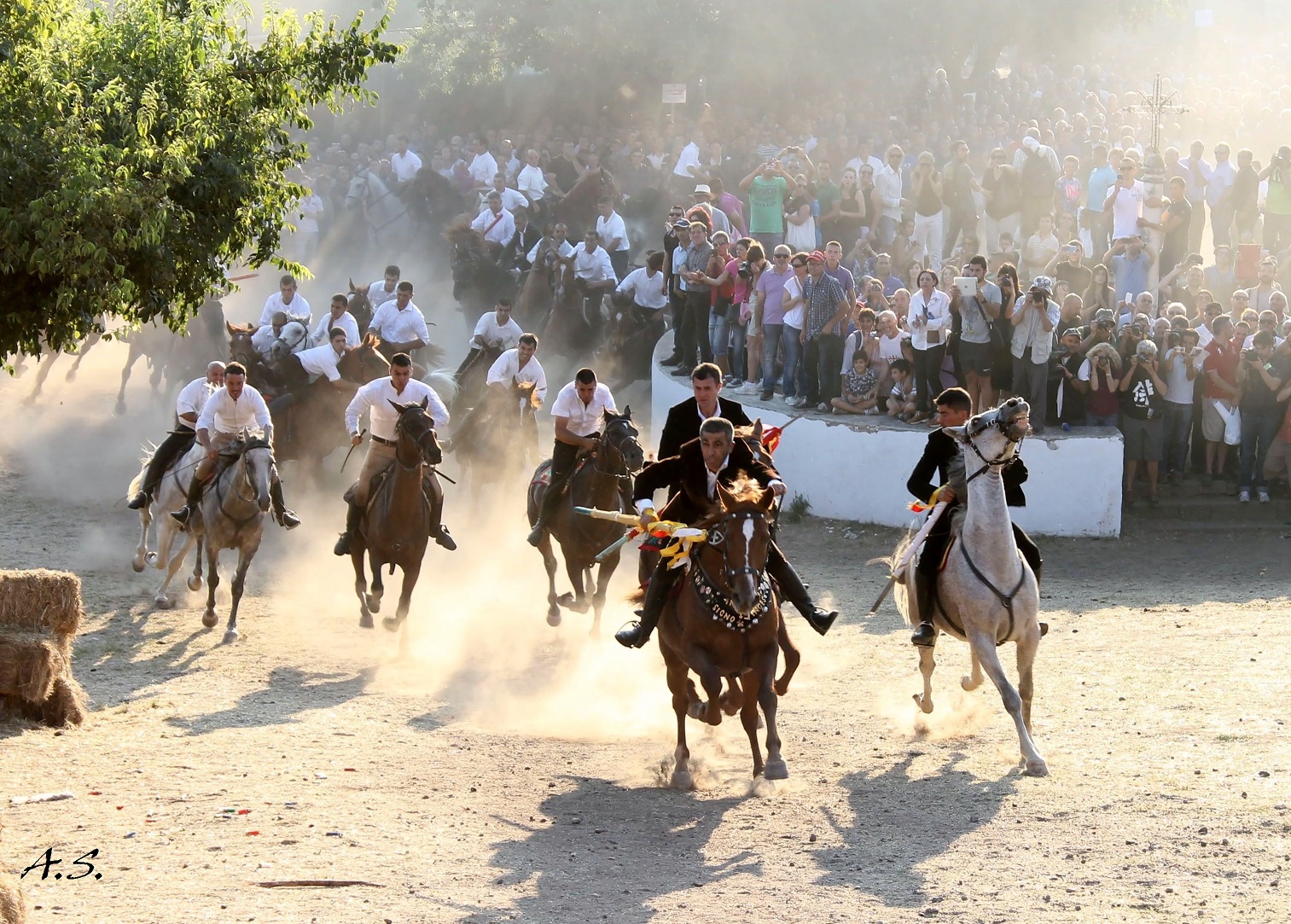
Following an apparition, the young Emperor Constantine ordered his soldiers to write In hoc signo vinces (“in this sign thou shalt conquer”) onto their shields. Despite the fact that he was outnumbered, on 28 October, 312 AD, Constantine won the battle of Ponte Milva, defeating the pagans of the imposter Maxentius, who, with the support of the Senate, had proclaimed himself Emperor of Italy and Africa. A year later, in Milan, Constantine issued the edict that ended the persecution early Christians had been subject to. At Sedilo, a small town in the centre of Sardinia, the Roman emperor is known as santu Antine and is by far the island’s most venerated saint. Worship of him dates to Byzantine times and every year on the 6th and the 7th of July the emotional and mysterious s’Ardia is re-enacted.

Sanctuary of San Costantino imperatore
It is known as Santu Antinu.in the Sardinian language. The rural church of San Costantino, in the territory of Sedilo, overlooks the splendid scenery of Lake Omodeo, the largest artificial basin on the Island (for a long time also the largest in Europe). Along the perimeter of the sanctuary are the buildings used as accommodation for pilgrims, known as cumbessias or muristenes.
The year in which it was founded is unknown but there is certainty regarding San Costantino Imperatore’s very ancient origin. The current building, in Gothic Catal style, dates back to the 16th century and it underwent renovation work in the 18th century. Of the original structure, the quadrangular presbytery still remains and has a ribbed cross vault with suspended capitals sculpted at the base.
The hall, which is divided into three naves by pillars and rounded arches, has a barrel vault. The interior ends, just before the presbytery, with a pointed arch. The façade is made of exposed red trachyte and ends with a curvilinear shape. On top of the portal, there is a tympanus supported by two semi-pedestals. On the sides and inside the tympanus, you can see three niches and there is a rectangular window above. On the left side of the facade, there is a small belfry. Inside the sanctuary there are numerous ex voto offerings on display.
Around the church, at sunset on 6 July and at sunrise on 7 July, the S’Ardia takes place, a spectacular horse race in honour of the saint, commemorating the battle of Ponte Milvio between Constantine and Maxentius. It is one of the most evocative events linked to Sardinia’s identity and it attracts thousands of visitors with its charm and daredevilry. During the ritual, the sa prima pandela (capocorsa) leads the race, followed by another two horsemen and by three escorts, symbolizing Constantine and his army. Then there are a further one hundred horsemen representing the pagans led by Maxentius.
The Sanctuary and the Ardia are the symbols of the village of Sedilo that, as well as its ancestral traditions, also features ancient stone dwellings. Its territory is perfect for excursions on foot, by bike or on horseback, particularly its forests with sign-posted trails. The geological park is not to be missed and, inside it, on the banks of Lake Omodeo, there is the Nuragic Palace of Iloi (dating back to the Middle-Late Bronze Age), consisting of a trilobed Nuraghe, a village and two Tombs of Giants. Not far away, there is another important piece of Nuragic evidence: the sacred spring of Puntanarcu. Nearby, there is also the necropolis of Ispiluncas, consisting of about thirty Domus de Janas, proving that the territory was frequented in the Pre-Nuragic period.
Villa Sant'Antonio
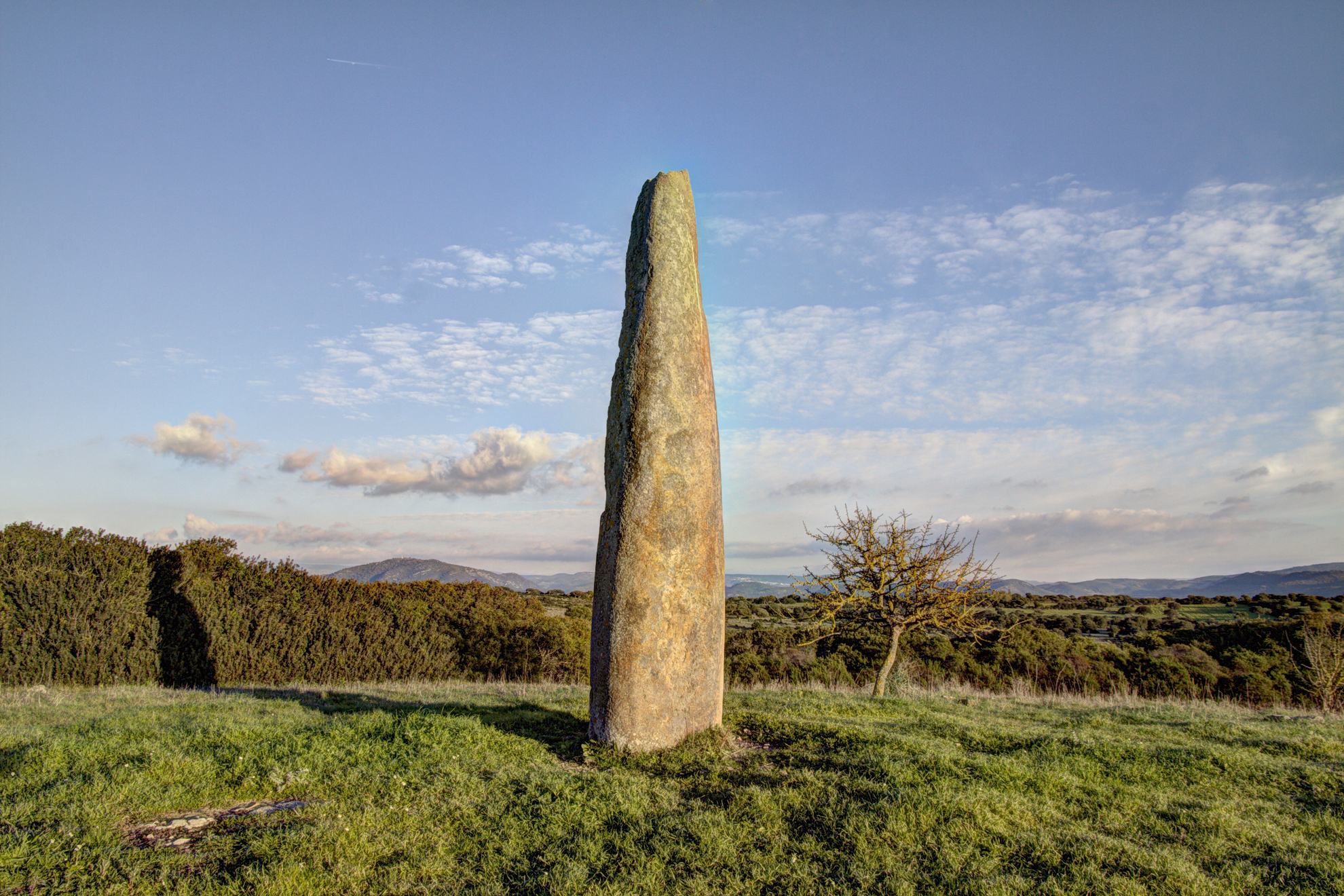
It stands on the hills and is delimited to the south by the basalt platform of Assolo, to the east by the river Imbessu, to the north by mount Grighine and to the west by Brabaxiana of Usellus. Villa Sant'Antonio is a village with just 350 inhabitants in the Alta Marmilla region, which occupies an area rich in natural attractions and rare archaeological evidence, like menhirs. The little village emerged in the early 18th century as a novenario (small rural village) around the church of Sant'Antonio abate, built to consecrate the place in which the simulacrum of the saint was discovered. It didn’t take on its current name only 1985. Agricultural and breeding activities are its main economic resources. The hilly territory, rich in springs, is covered by thick Mediterranean scrub and lush holm oaks and cork oaks. Along the Imbessu valley, there are green alders, willows and tamarisks. The territory is rich in evidence of prehistoric, protohistoric and Roman times. The first pre-Nuragic settlements left traces on the long plateau of monte Padrillonis, two kilometres from the village. Dating back to Neolithic times, there are about sixty domus de Janas: in is Forrus, there are the most ancient ‘well’ type and the more recent type with a corridor before the funeral parlour, and the same type in Genna Salixi. Other burials are located in the Maccettu (or Trunch'e Pani) site. In the territory of Villa Sant'Antonio there is an extraordinary concentration of perdas fittasi (embedded stones) or menhirs, megaliths made between 3300 and 2500 BC. They were originally big, roughly-finished boulders singly or in groups, embellishing the burial areas (and also residential settlements and places of worship). They later took on pointed forms with a flat-convex profile. In Villa Sant’Antonio there are a series of examples of these early phases, called 'proto-anthropomorphs', in Carabassa and Cardixeddu. Later on, their shape became more balanced and streamlined (anthropomorphic menhirs) and you can see some examples of these. The menhir of monte Curru Tundu is remarkable: it is almost six metres tall. Other ‘embedded stones' are located in the Tuttiricchiu area. There is no shortage of Nuragic evidence: there are ten examples, of four different types: corridor, monotower, complex nuraghi and one ‘a tancato’ nuraghe. The oldest is the nuraghe Spei, with two floors, dating back to the Late Bronze Age (1800-1500 BC). Slightly later ones include the Crannaiou and Genna sa Pira nuraghi (1500-1200 BC). The Roman age is represented by four settlements, to the north (Pranu Cilixia, sa Sedda ‘e s’aurras) and to the south of the village (Funtan Menta and on the banks of the Imbessu rivulet). The church of San Giorgio was built during the Byzantine period.