
Barbagia
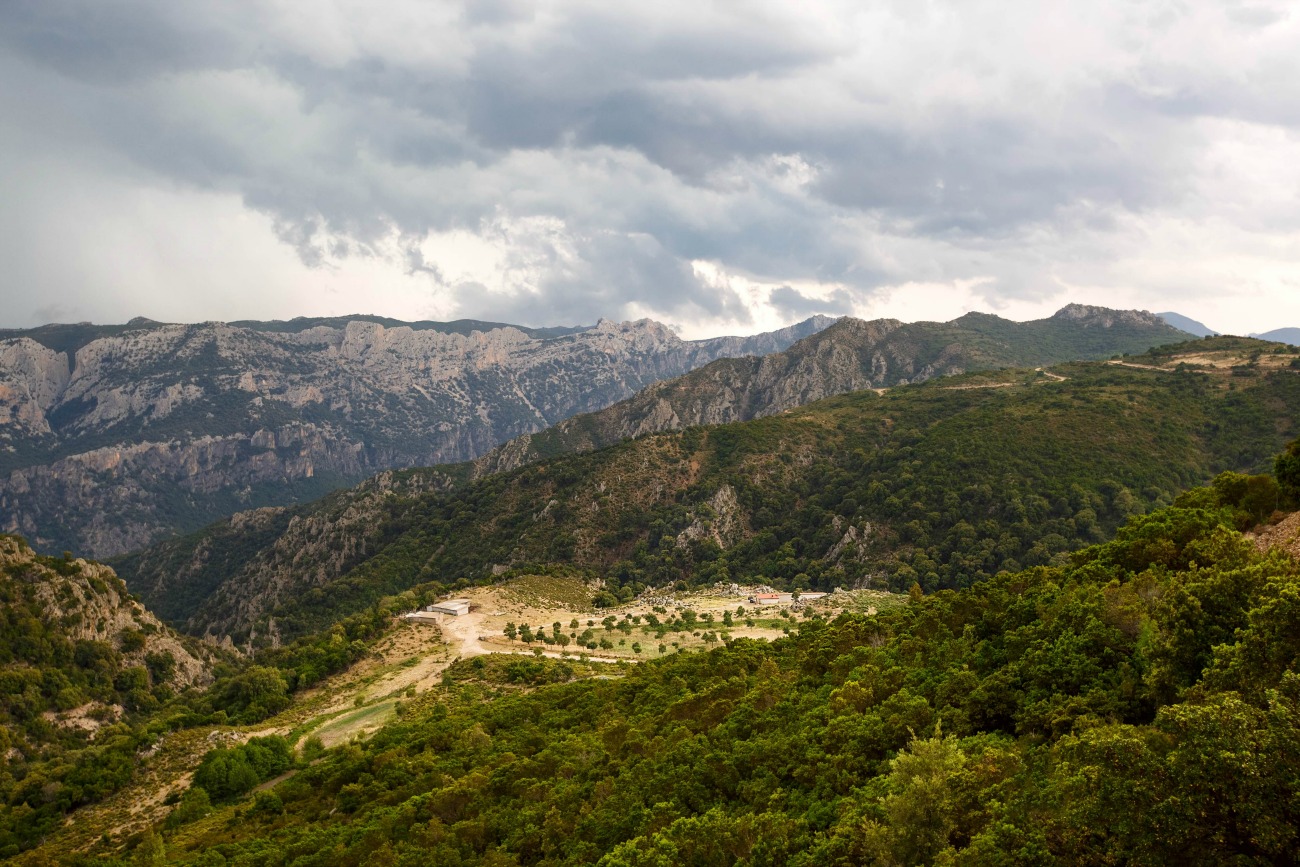
The Barbagia is the heart of Sardinia. A vast territory that encompasses the slopes of the Gennargentu, the massive mountain range at the centre of the island, and the lower peaks that surround it. The name Barbaria comes from the fact that it was here that the Sardinians took refuge as they resisted the onslaught of Carthaginians and Romans. There is, in fact, more than one Barbagia and the area is composed of various historical regions: the Barbagia of Belvì, of Bitti (the northernmost area), of Nuoro, Ollolai and of Seulo (the southernmost), as well as the area of the Mandrolisai, west of Gennargentu. You will be enchanted by the picturesque historic centres of the small towns, with their granite houses, coortes and the overhanging vines that line the narrow streets. Like, for example, at Gavoi, home of the famous Fiore Sardo cheese. At Orgosolo the streets seem to talk to you via the murales, wall paintings that tell of life, culture and local politics. The Barbagia is famous for the internationally renowned cannonau wines made at Mamoiada, Oliena and Dorgali.
If you love outdoor activity then go to the Supramonte, where the white of the rocks, the green of the vegetation and the blue sky come together with stunning chromatic beauty. At Oliena you’ll find the su Gologone springs and the valle di Lanaittu, where the island’s oldest human remains have come to light, and the village of Tiscali, where, legend has it, the last Sardinians sought refuge from invading conquerors. At Orgosolo you can go to the Montes forest and enjoy gorgeous views of the top of mount Novu santu Juvanne. You can walk all the way to the lovely Nuraghe Mereu, built with white calcareous rock, and the impressive Gorropu canyon, with 450m high walls, home of the royal eagle.
For a well-rounded understanding of Barbagian culture and tradition, visit the Museum of Sardinian Life and Popular Traditions in Nuoro. And to really satisfy your curiosity, don’t miss the carnival-like costumes, whose origins reach back to pagan fertility rites. Sheepskins, cow bells and masks depicting animal-like snouts and deformed faces symbolise the eternal battle between good and evil, life and death, the conqueror and the conquered. The most famous costumes are the Mamuthones of Mamoiada, the Thurpos at Orotelli and the Merdules of Ottana. The masks can also be seen at the museum of the Maschere del Mediterraneo in Mamoiada. Another local tradition is Tenores chant-like singing, which has earned a well-deserved place on the UNESCO Intangible World Heritage list. Its origins date back to time immemorial, when shepherds far from home in winter would gather around a fire and sing. If you miss hearing a live performance, you can listen to historic renditions at the Museo multimediale del Canto a Tenores in Bitti.
Sinis
The Sinis is a natural paradise where remarkable cultural evidence is widespread. It is the place where a farmer, ploughing his land at Monte’e Prama, discovered the Giganti (Giants): dozens of extraordinary stone colossi dating 3,000 years back and which can now be admired at the Museum of Cabras.
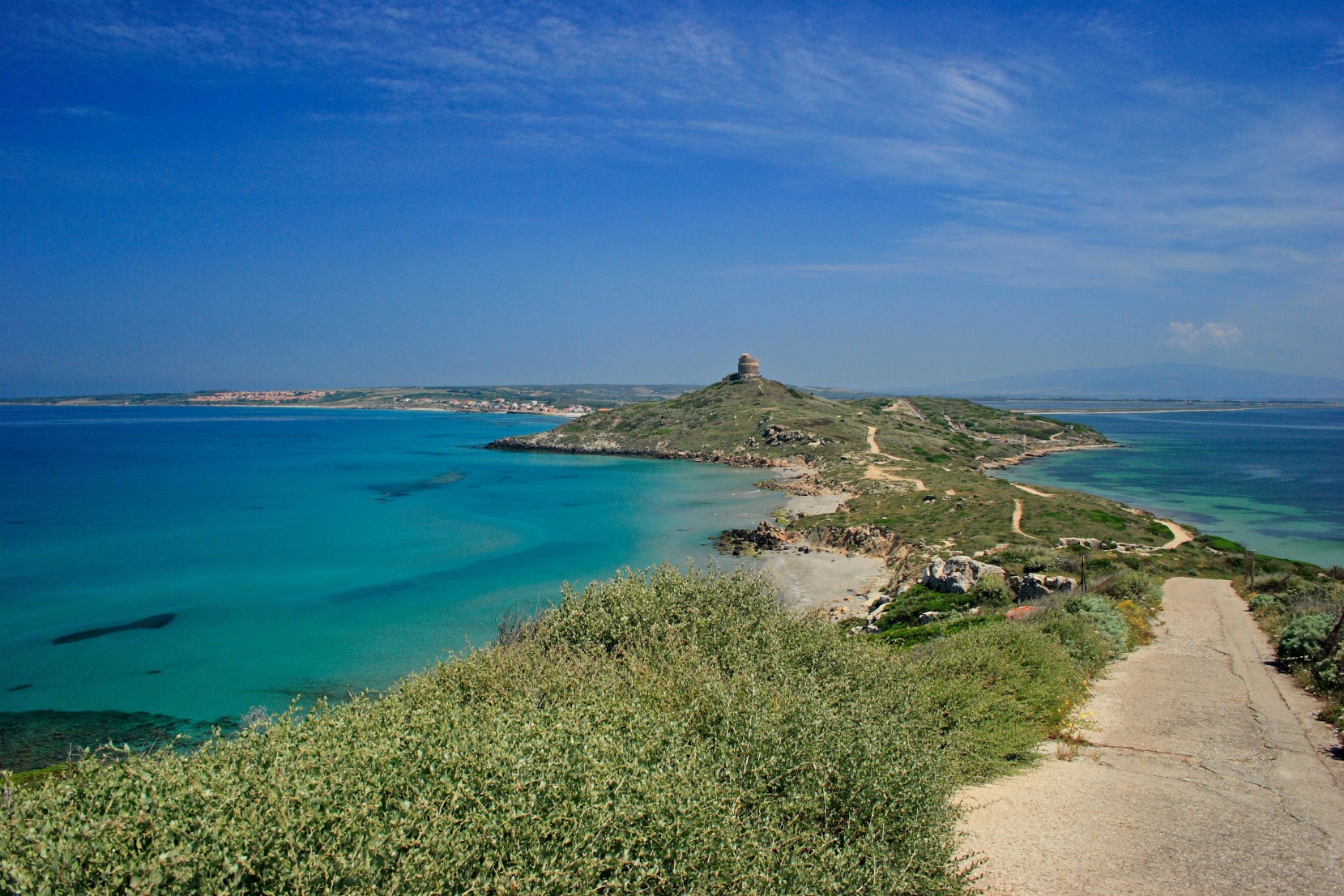
Remarkably intact natural ecosystems are concentrated in the small Sinis area making this territory even more impressive; it features alternating landscapes of sea water and lagoons, sand dunes and unique beaches such as Is Aruttas; the sand is incredibly white, almost blinding, as it is formed by transparent grains of quartz and veiled with blue due to the reflection of the sky and the sea. This is how the Sinis appears before you: shining and peaceful beaches where often a cordon of dunes separates them from a rich network of salt marshes and ponds. The largest is that of Cabras surrounded by several smaller ones. The colours that characterise the lagoons change colours, from white of the beaches to green, violet and red of the algae: silence becomes the speaker of the many adorable cormorants, herons, hawks, kingfishers and pink flamingos that live and breed in thousands. All this represents a feast for birdwatchers and for those who love horseback riding between the sandbanks that separate the waters from the ponds.
Small towns and villages give a special character to the Sinis; there is a surrealistic wild west-style village in front of the beaches with low houses and unpaved roads which come alive for the patron feast; for nine days, around the Church of San Salvatore, folk dances, roasted porceddus (piglet pork meat), mullet and fregola sarda (Sardinian pasta) hand made with semolina flour and cooked over low heat with local clams, are the main attractions. Don’t miss the delicious mullet roe, fished in Cabras and prepared with same technique handed down from the Phoenicians. But the symbol of the Feast is the corsa degli scalzi, reminiscent of the ritual running barefoot holding the simulacrum of the Saint to be protected from the invading Saracens taking it from the small village of San Salvatore to Cabras.
The village of San Giovanni di Sinis, with its old wooden shacks and rushes used by locals during the summer months, is located on the very tip of the peninsula. Among these humble dwellings, there is the oldest church in Sardinia; thanks to the enchantment that surrounds it, the small church of San Giovanni seems to be wrapped in a mysterious charm, the same which is found in the Punic city of Tharros, just a short walk from here. Just a tip... come here at sunset.
Chia

The ancient village of Chia, an important Phoenician and then Roman centre named Bithia, was in a small cove where today there is one of the many coastal towers built in the seventeenth century by the Spanish crown against the incursions of the Barbary pirates. Among the ruins brought to light following a storm, there are the remains of a Punic Tophet and the ancient road that connected it to the important city of Nora. Today it is the destination for trekking and mountain bike enthusiasts who can travel the dirt road that runs along the old road, enjoying particularly fascinating coastal stretches.
From the tower, overlooking the coast, there is access to a long stretch of sand interspersed with small coves framed by dense vegetation and lapped by an emerald-green sea, a true spectacle of nature that remains forever in the hearts of any visitor.
Along the coast to the west you pass the beaches of Sa Tuerra, Porto Campana Spiaggia de su Sali, and Su Giudeu the most beautiful of all. Also known as the spiaggia de s'Abba Durci (fresh water beach), it is a long stretch of white sand surrounded by high dunes covered with juniper trees, which, with their shapes create a particularly evocative landscape.
On the back of this stretch of coastline lies the Spartivento pond, precious natural oasis habitat for many animal species. In front of the beach of Giudeu, a short distance from the shore, there is an island within easy reach due to shallow waters that separate it from the mainland. Thanks to its special charm, this beach is often chosen as a natural backdrop for films and TV commercials.
On the westernmost part of this coast is the Cala Cipolla beach. Only accessible on foot, it extends around a small cove sheltered and enclosed by a rocky promontory that separates it from the more extensive coastline. From Cala Cipolla there is a scenic path that lets you reach the Faro di Capo Spartivento, whose summit dominates the whole southern coast of Sulcis.
With their shallow waters, all the beaches along the Chia coast are particularly frequented by families with children and by underwater fishing and diving enthusiasts. Often beaten by the mistral wind, Chia is also an ideal destination for surfers who can perform spectacular stunts. Rich in tourist services, these beaches are accessible to the disabled and have ample parking.
Stones and water, ancient sources of well-being
The Nuragic stones of Sardinia, dolmen, menhir, domus de Janas and tombs of the giants, are enshrouded by a powerful magnetic force that seems to influence body and mind and generate the well-being of both. The tomb of the giants at Li Mizzani, in Palau, attracts numerous visitors, who arrive here to treat their minor ailments and to charge themselves with positive energy. The site of s'Ena 'e Thomes in Dorgali, along with other Nuragic sites spread across the Island, are also energy sources, places rich in with flowing magnetic energy transmitted from the crevices in the granite.

Sliding gently from the river to the sea
Armed with a canoe, a paddle and a backpack containing everything you need for an unforgettable experience. Sardinia offers you activities to complement the relaxing time you spend on the beach, like canoeing and water trekking. You can set off from the fluvial areas: along the Tirso, where numerous kayak excursions are organized, through the Cedrino lake, with its calm waters and sheer walls of greenery, or along the winding Posada rivulet, in the Tepilora regional park , until you ‘flow’ into the enchanting Bèrchida oasis.
Cannonau and live to be a hundred
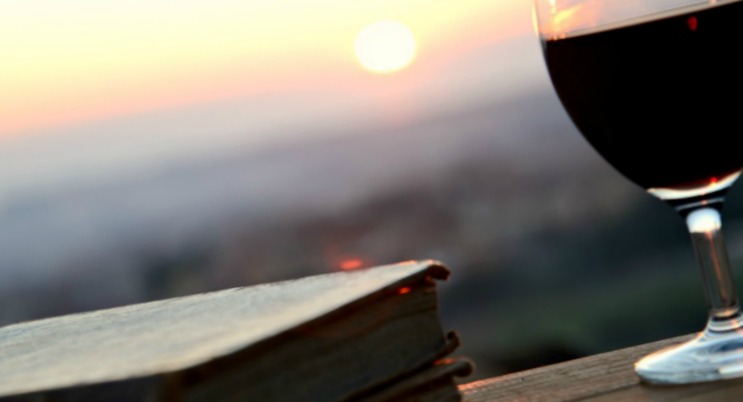
Ruby red, inebriating, normally aged for two to six years and with an alcohol content never below 12.5 per cent. A smooth, robust wine that goes perfectly with game and the strong flavours of Sardinian cuisine, especially cheeses like Pecorino. On the topic of a long and healthy life Sardinia has a great deal to offer and Cannonau wine is part of its secret recipe.

In search of wind and waves
In Sardinia's emerald green sea, there is always a tailwind for sailing, kite-surfing and windsurfing enthusiasts. Not just yachtsmen: when the northwest wind that sweeps across the Mediterranean blows on the west coast, the enchanting shorelines become a must for surfing enthusiasts, with fast, tubular waves that can reach four metres in height at Capo Mannu, at the northern end of the Sinis peninsula. From Buggerru to Funtanamare the western coast is a paradise for expert surfers who do have no fear of the force of the sea and its rocky seabed.
Sardinia, wellness naturally
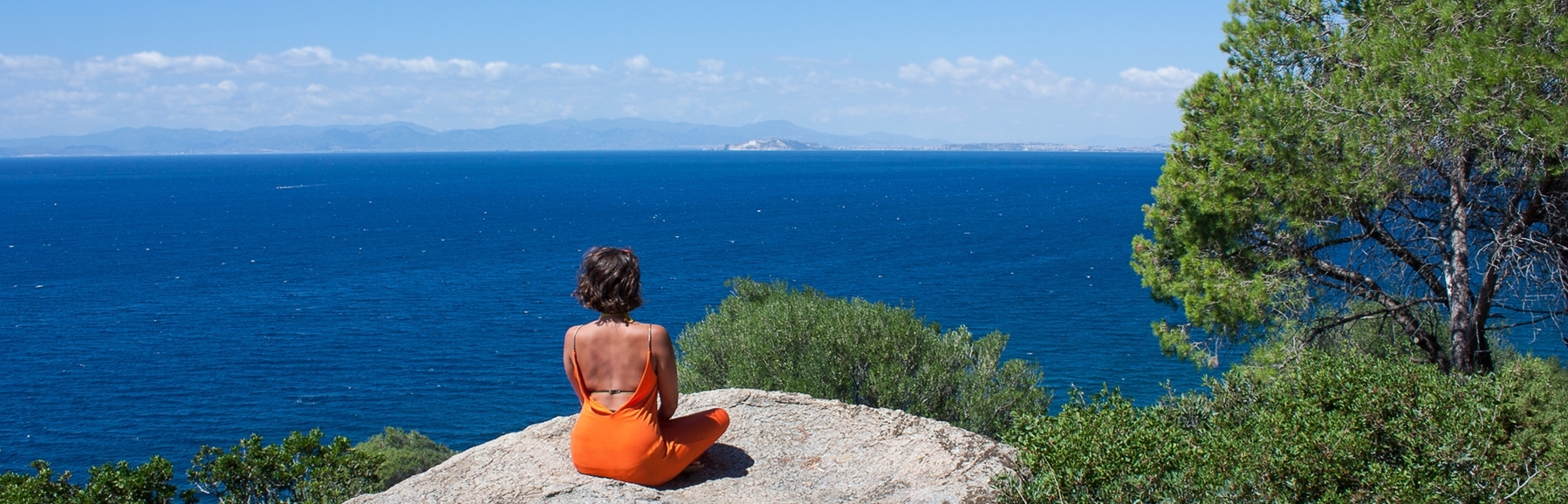
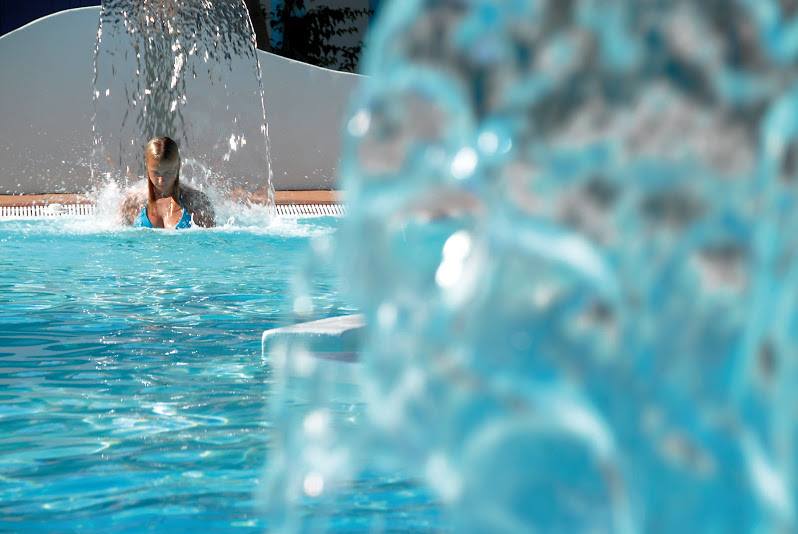
An oasis of wellness at your fingertips. Mother Nature has made Sardinia an unparalleled open-air gym, where you can alternate trekking, cycling and climbing with regenerating swims and snorkelling in the beautiful Mediterranean sea. You will not be able to resist the attraction of impromptu acquagym sessions or long walks in the shallow water, taking advantage of the currents for pleasant hydro-massages along the water's edge. Choose between fine sandy beaches, suitable for hot sand baths and bays with pebbles for scrubbing sessions. Here, you will experience the benefits of walking barefoot on the little stones along the water's edge and lying on the stones warmed by the sun.
A sea of lost ships
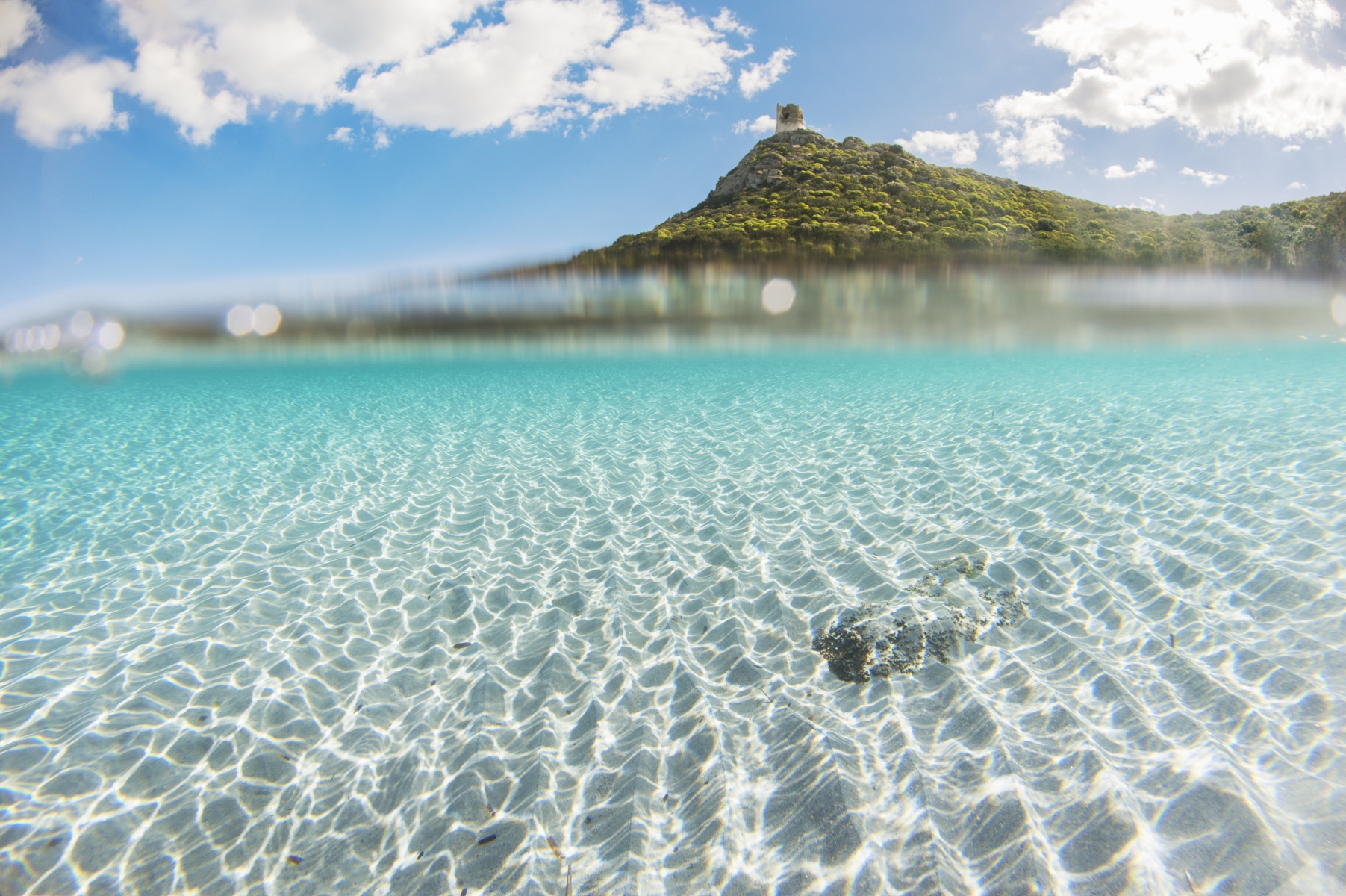
An underwater world, rich with aquatic flora and fauna, where the wreckages of old abandoned ships dwell. The whole of Sardinia offers diving enthusiasts numerous not-to-be-missed opportunities: ships stranded on the seabed, where the sun's rays create magical visions of light and colour. Meanwhile, in the deepest darkness, the vitality of the sea brings the wounded wreckages back to life: the new inhabitants, including grouper fish, lobsters and prawns, peep out from their homes among the splendid carpets of flowering gorgonians and rare species of black coral. These shipwrecks are now completely colonized by red and yellow sea fans and expanses of seagrass that vibrate as the water flows through them, arousing the emotions of even the most expert divers.
Journeys through time
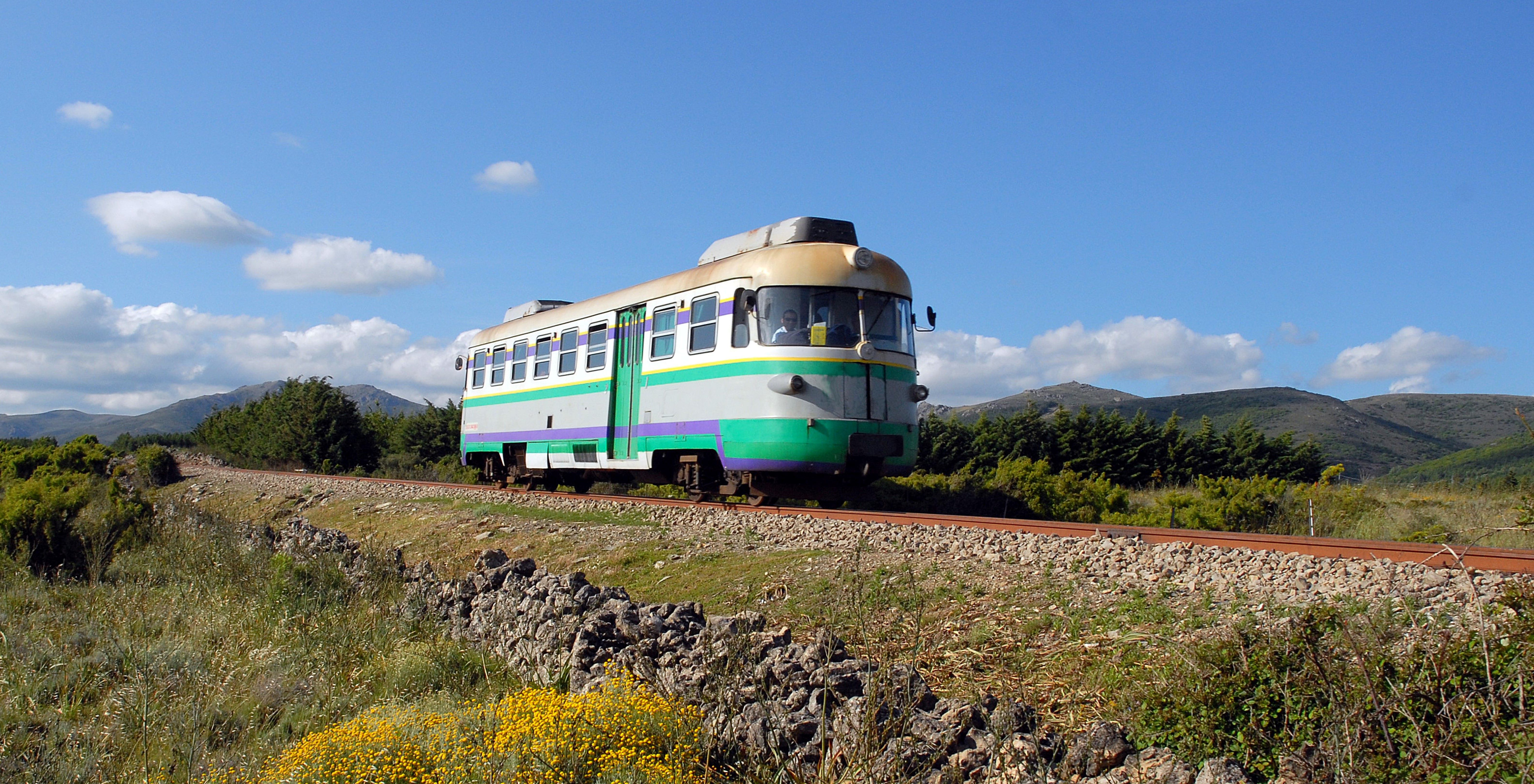
The only place you’ll find nuraghi is in Sardinia, and there are thousands of them. Compared to the Island’s territory, however, there are very few inhabitants and they are people of very few words with a rare sense of hospitality. They speak several variants of a language all of their own and their habits and customs are deeply rooted in their ancient and original cultures. Then there is the beauty of the places, which touches the soul. All this was enough to intrigue nineteenth-century European travellers, curious pioneers of unexplored worlds, thirsty for new experiences. They set out to explore and travelled around the Island with the only means available at the time, the steam train. Meanwhile, they wrote: you will find places, encounters and emotions in their travel notes, identical to those that, at a slow pace, you’ll experience yourself, along the same itineraries travelled by the forerunners of responsible tourism.