
Nostra Signora di Bonaria - Osilo
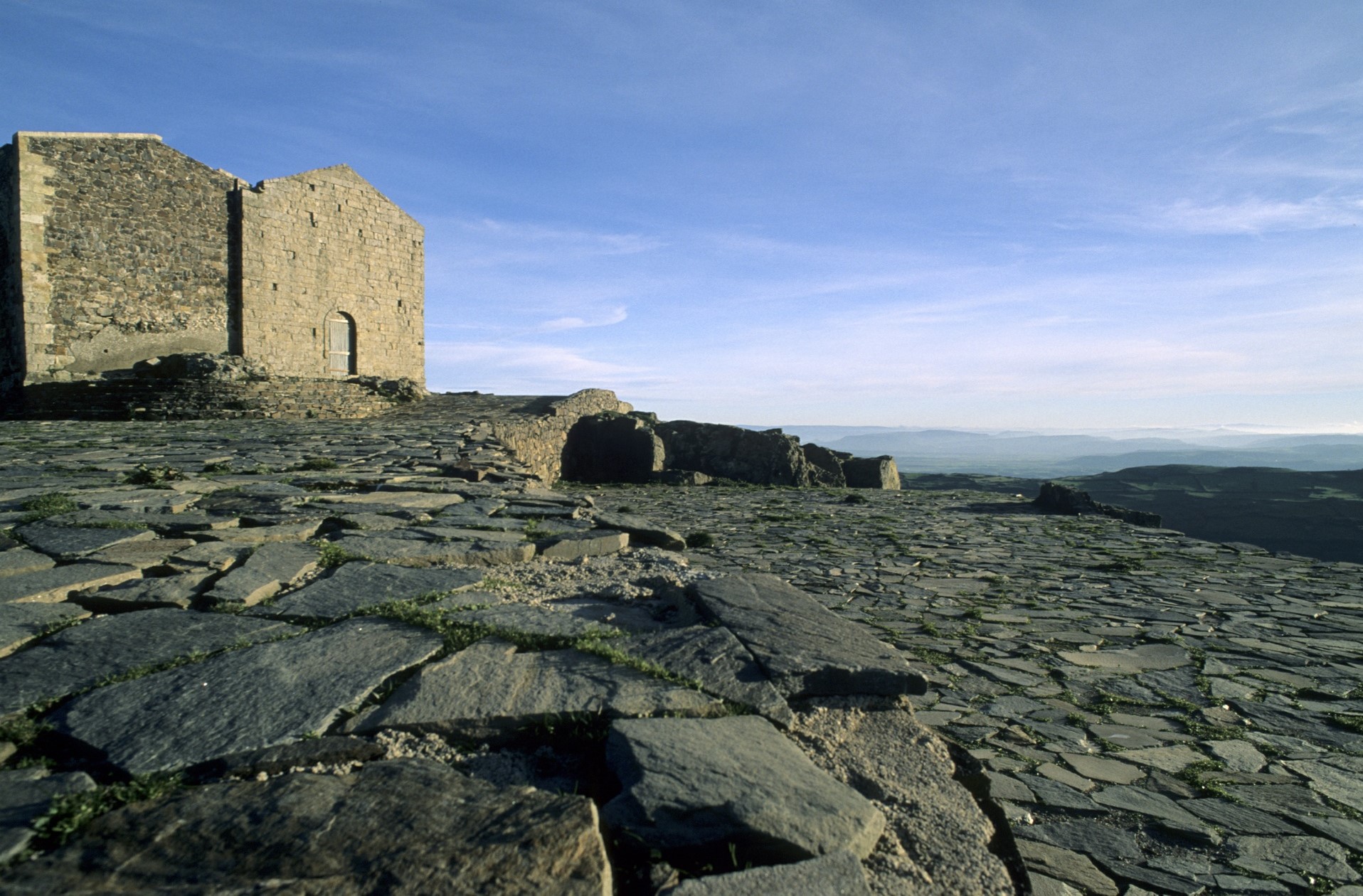
It is the ‘highest’ church in the Sassari area and is the only Sardinian sanctuary dedicated to the protector of sailors built on a high ground, standing out against a spectacular landscape around it. Nostra Signora di Bonaria is located on the summit of one of the three peaks of Mount Tuffudesu, in the territory of Osilo, about three kilometres from the residential area. The current building dates back to the 17th century, although stories linked to the sanctuary tell us about a first stone laid in 1450, to thank the Madonna for having freed Osilo from a plague epidemic. The building is made of basalt and tuff ashlars and cannot be attributed to any particular architectural styles, apart from a few small concessions to the Baroque.
The church has a single nave and is barrel vaulted and divided into two bays by pilasters. There is a rectangular window on the right side. In the apse, which has a quadrangular floor plan, you will notice an unusual element: stone seats reserved for the choir, positioned on the sides of the altar. During its first phases of use, the sanctuary was regularly frequented but then went through a phase of total abandonment. Today it is the protagonist of a ritual that takes place every year on 15 August: from the Parish Church of Immacolata Concezione, worshippers set out in a procession, carrying the simulacrum of the Madonna di Bonaria, to place it in the niche behind the altar. In the evening of the same day, it’s time for the reverse route. The climb towards the hill takes place in its last stretch along a paved path and leads to the square, where your view will stretch for more than a hundred kilometres over the Gulf of Asinara and the Sassari area, up to Corsica on the clearest days. It is no coincidence that the church was used as a reference point in navigation, as it was visible from the sea thanks to its elevated position. Speaking of buildings on high ground, on the northern peak of Tuffudesu there is also the symbol of Osilo, at the foot of which the town developed: the Malaspina Castle. There are no certain sources that attest to the year of its construction, but it is thought to date back to the 12th century. Certainly during the following century, it was part of the possessions of the noble Malaspina family, who also boasted ownership of the Castle of Serravalle in Bosa. The building has an oval layout, surrounded by a mighty wall with two towers, one of which is circular and made of basalt and the other is square and made of tuff.
Other churches in Osilo are also worth a visit: in addition to the parish church, the Late-Renaissance Church of Nostra Signora del Rosario stands out. The Church of Santo Spirito stands in the northeastern outskirts of the village, while in the scenic ‘valley of the mills’, in the hamlet of San Lorenzo, you can visit the little church of the same name, already mentioned in 17th century sources and recently restored.

Is Breccas
An enchanted, deeply primordial landscape sculpted by the forces of nature, with cliffs, labyrinths, pinnacles and caves draped with woods and criss-crossed by streams of clear pure water. You can enjoy all of this hiking along the is Breccas trail inside the Corongia forest, which lies within the territory of Gadoni. The trails snake their way through a high plain that looks out over the Flumendosa Valley, where the wind and rain had fun carving the schist and limestone rock to create vistas of timeless beauty. Particular rock formations become vertical outcrops which, when you walk amongst them, become something of a labyrinth, complete with rocky arches and hidden stairs. As you hike in the forest you will spot Holm oaks, yews, Downy oaks, juniper trees, and smaller plants like strawberry trees, heather and mastic trees, as well as such floral species as peonies and wild orchids. And there is no lack of marvellous sights, such as the pinnacle known as su Campanili – which the people of Gadone call su Campalini – an 'inverted' spire that rises 84 metres, and is slenderer at its base than its top.
From a panoramic belvedere you can enjoy views that span the entire Flumendosa valley. The natural phenomena that created the su Campanili ‘bell tower’ also sculpted the steep cliffs of Lattinazzu, which in some places soars up to 100 metres. There is no shortage of cavities and ravines: su Disterru 'e Luritta is a 10-metre-wide circular chasm. The sa Corongia cave is famous for having been the hideout of, at the end of the 19th century, one of the area’s most ferocious bandits, Michele Moro, known as Torracorte, when he was in hiding. Vaults of up to 70 metres high characterise the caverns of the Gruttas Albas, while in the grutta de Perdu, graced with stalactites and stalagmites, there is a hidden pond fed by a small waterfall that rains gently down at the front of the entrance, similar to the nearby and more famous sa Stiddiosa waterfall.
The trails that criss-cross the high plains and the Corongia forest are ideal for hiking and mountain bike excursions. There is a nice rest spot with picnic table at Bauzzoni. Now and again, you’ll see the remains of ancient charcoal pits, perhaps the only relic of human presence in an otherwise pristine landscape. Proof of the human exploitation of natural resources can, however, be found just a few kilometres further north. There you will find the Funtana Raminosa mines, an industrial archaeology site that is part of the historical mining and environmental park of Sardinia. Known since Nuragic times, today the copper deposit is an open-air and underground museum nestled in a fairy-tale setting. Here you can see where the mined material was washed, step into some of the galleries, admire the well-preserved machinery, quite revolutionary for the times, and listen to the tales of centuries of mining history.
Murals, open-air art galleries
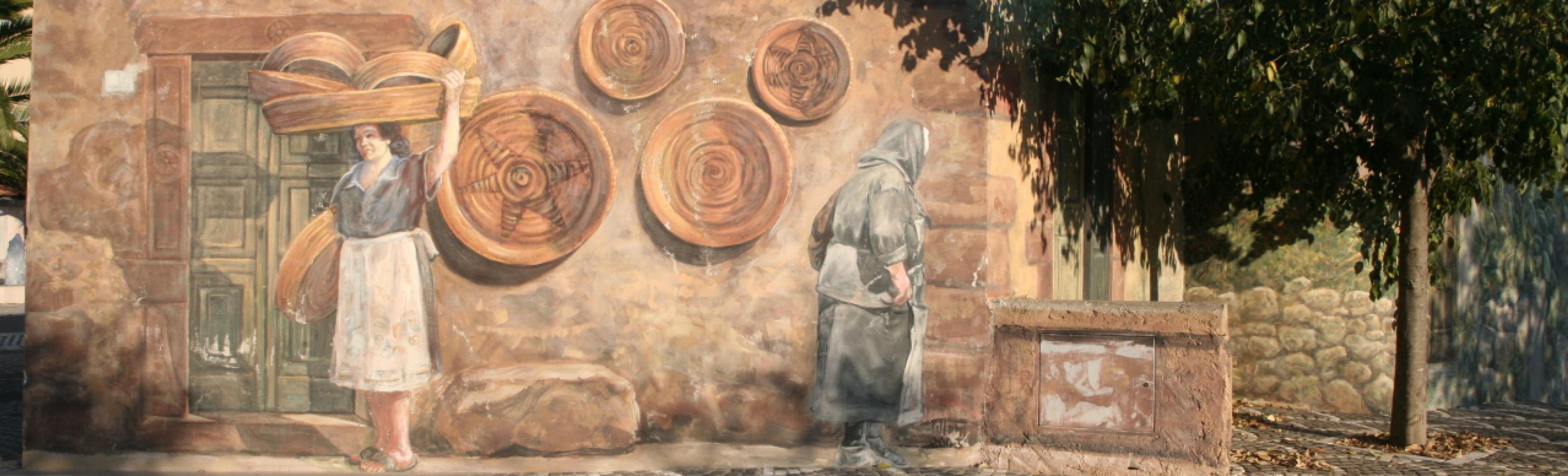
It was a group of great artists, in a historical moment marked by social and cultural ferment, that triggered the creative ‘spark’. The story of the murals in Sardinia originates in a lively little village in the Campidano countryside and then others gradually joined in, from Barbagia to Planargia and beyond, towards the north. In short, the Island became the capital of mural painting. This was partly to bring new life to decaying picturesque views, to walls in ladiri and semi-abandoned alleys, but it was above all to give impetus to the desire to make the cry of protest and suffering that involved entire communities heard. Years later, there is a new ‘flame’, a free and spontaneous one. This time, the artists transforming and reviving the urban fabric, some local and others not, are young but already internationally famous. From murals to street art, from protest to experimenting, Sardinia is always the protagonist, like an immense palette to fill with colour.
Piana dei Grandi Sassi
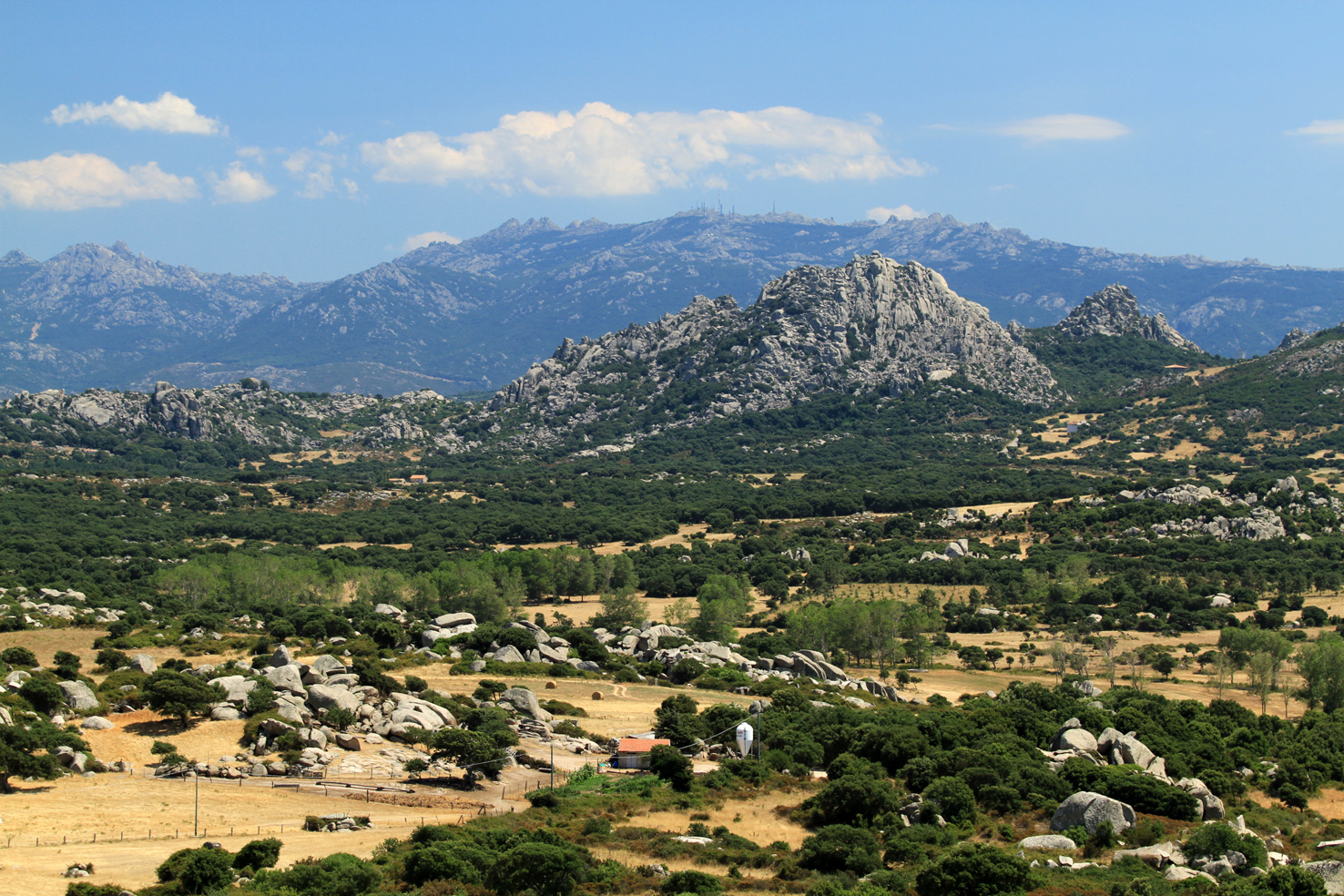
The ‘father’ of Sardinian archaeology Giovanni Lilliu thought they looked like the “debris of giants destroyed by an avenging god from the aiguilles of the mountains up above and rolled down to the plain below, where they have been lying for thousands of years”. In fact, the granite outcrops that populate the Piana dei Grandi Sassi (Plain of the Big Stones), in the locality Li Parisi, on the border of the territory of Aggius with that of Trinità d’Agultu and Vignola, give the impression of having ended up there who knows how and scattered in a disorderly manner throughout the valley. When the plain is before you, you will understand the origin of its second name, ‘Valle della Luna’ (Valley of the Moon), not to be confused with the plain of the same name by the sea where Cala Grande opens up, in Santa Teresa Gallura. The white rocks have soft, uneven shapes, thanks to the erosion of rain and wind, creating the effect of a lunar landscape.
Some clusters have unique anthropomorphic features: whether admiring the plain from the ‘panoramic viewpoint’ on the scenic provincial road SP 74 or while entering the basin, you will have fun comparing the shapes of the stones to animals or figures like a hooded monk or a Moai head. The view is even more impressive at sunset, when the sun’s rays create unusual plays of light reflected on the granite rocks. Some rocks also have natural ravines and cavities, known as ‘tafoni’, which have always been used by the local people for shelter. Thanks to the uniqueness of its landscape, the plain has appeared in several advertisements and films, including the film ‘Il Principe Libero’ (2018), based on the life of the great Italian singer-songwriter Fabrizio de André.
The basin where the valley lies is crossed by numerous roads and paths, some paved and can be travelled on by car, while those that run next to the clusters of rocks are unpaved and suitable for trekking, mountain bike and horseback riding, which will also allow you to see - in addition to the granite rocks - the vegetation that includes cork oaks, holm oaks and fragrant strawberry trees. The Valle dei Grandi Sassi also offers other surprises: in the heart of this valley, you can visit one of the most important and best-preserved Nuragic buildings in Gallura, as well as probably the largest construction dating back to the Bronze Age: the nuraghe Izzana. It is of a mixed type, with characteristics of both ‘corridor’ and tholos nuraghi, and has two entrances and a series of tunnels and corridors that make it similar to a maze. Its distinctive features are the result of a succession of various construction phases. Don’t miss a visit to the village of Aggius, where the Orange Flag of the Touring Club flies. In amidst the alleys and granite houses, two exhibition spaces stand out: the Olivia Carta Cannas ethnographic museum and the Museum of Banditry, the only one on the Island.
Pedra Mendalza
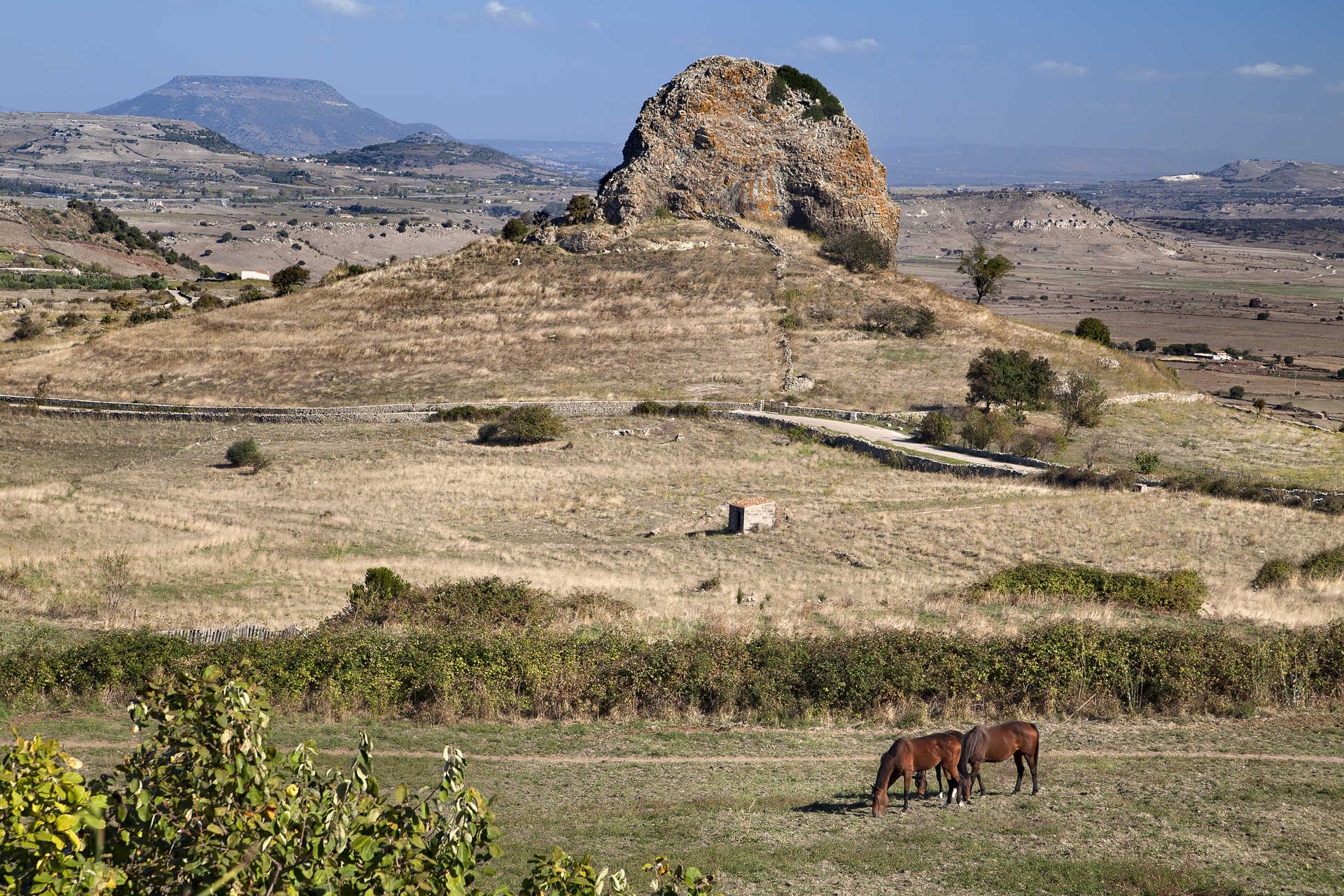
It emerged thanks to a particular geological phenomenon and stands on a plateau amidst nuraghi and volcanic elevations. It is also the stage of numerous legends in which the protagonists are the janas, the fairy beings of Sardinian mythology. Sa Pedra Mendalza, literally ‘the stone that cleans or fixes’, is a basalt block, about a hundred metres high, that emerges a short distance from the village of Giave, in the captivating landscape designed by the volcanic craters of Meilogu. In geological language, it is defined a neck, which originated thanks to a process that began perhaps two million years ago, following the occlusion and extinction of a volcano. Over time, water and wind have patiently eroded the cone, while the internal ‘cap’ of magma has solidified, preserving itself until it reached its current shape.
It has been supposed that the ‘stone’ was considered sacred since ancient times, as is evident in various churches in the surrounding area. This is where the legends that surround it originated, all with one point in common: the interior of the former volcano is inhabited by janas, the fairies who dwell in the natural cavities and ravines of Sardinia. The northeastern side is smoother than the others and has a sort of ‘mark’ at the base, where a secret entrance would open. From here, su camminu de sas fadas (the path of the fairies) also branches off and is really a strip of basalt created by a river of magma that flowed from the volcano, which has filled the cracks in the calcareous soil. Along the path, the magical fairies are said to roam the neighbouring villages at night, in search of the ‘purifying fire’, an element to which the origin of the name mendalza may be linked. Moreover, it is said that the rock contains three chests within it: one full of gold, one full of silver and the third populated by the deadly muscas magheddas (or maceddas), monstrous flies with the power to devastate entire villages.
A short distance from the basalt block, you can observe and approach, with caution, the base of another volcanic crater that stretches for about two hectares. The craters of Meilogu became protected natural monuments in 1994. The most distinctive of the five that are part of the complex is located about one kilometre north of Pedra Mendalza: it is Mount Annaru-Poddighe. It is nearly 500 metres high and has craters that are almost intact. You can observe a pond there in the cold months, while in spring and summer you can go down inside and observe its structure. The territory of Giave is not only fascinating for its geology but it also overlooks the Valley of the Nuraghi, one of the areas with the greatest density of Nuragic fortresses. This includes the unusual nuraghe Oes, with two towers, a three-storey keep and a secondary tower, which contained a single room. Next to it, there is a sacred area, with a megaron temple, a Tomb of Giants and what was most probably a megalithic circle.

Canto a tenore, a choir of voices and poetry
It rings out from the mountains of Barbagia to the Buttes of Ogliastra, from the plateau of Marghine and of Planargia to the valleys of Montiferru, from the granite landscapes of Gallura to the hills of Logudoro. The canto a tenore is the transposition of the agro-pastoral world into sound, in symbiosis with nature and its many voices imitated by su tenore. Its origins are mysterious, poorly documented and certainly very ancient. The subjects range from bucolic and amorous poetry to social and topical issues, always maintaining unchanging characteristics: four voices, standing in a circle, united by the desire to share the passion for the deepest traditions.
Nuraghe San Pietro - Ussaramanna
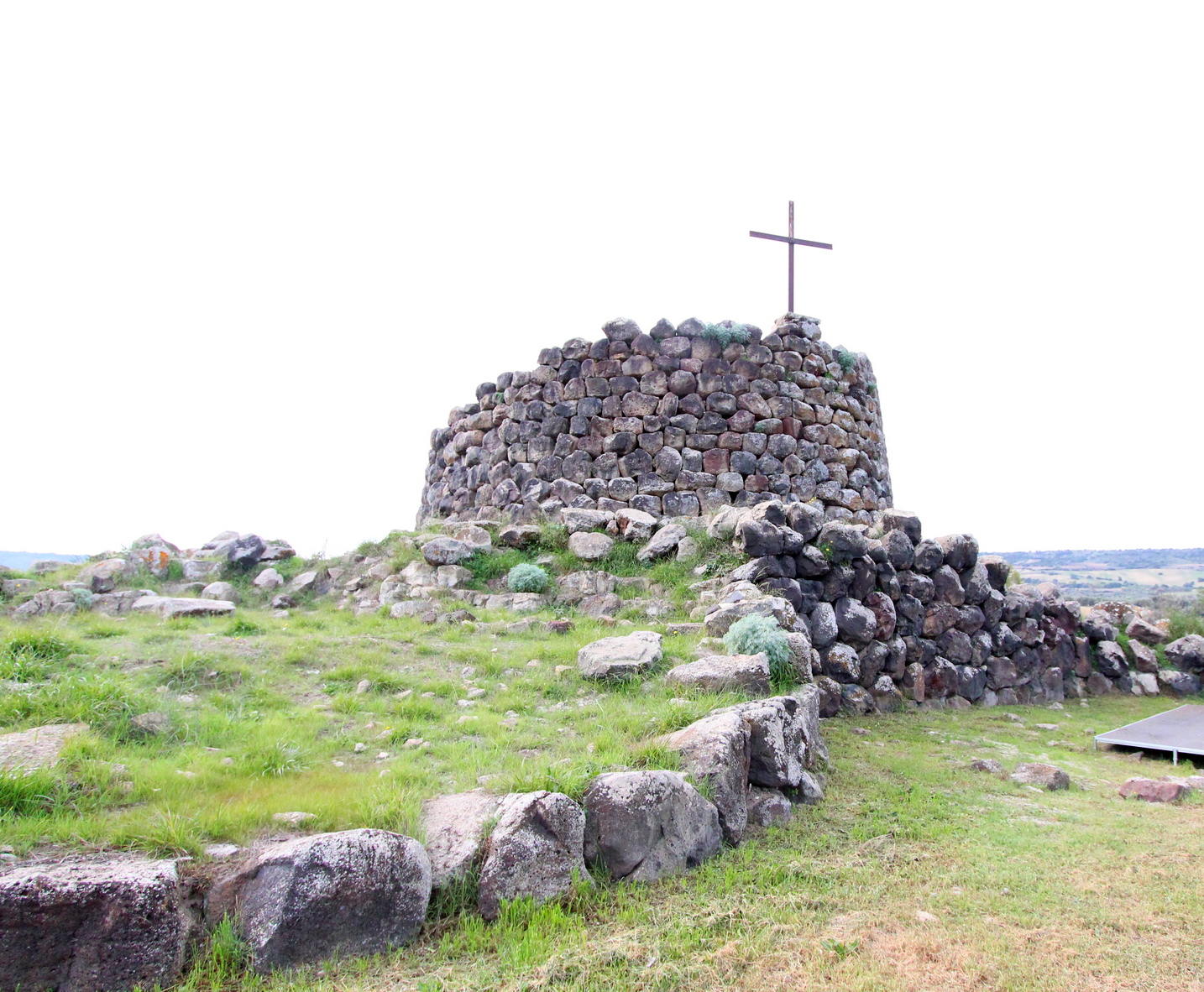
An impressive iron cross stands out on the top of it and is not the only link that this fortress has with Christianity: in fact, its name evokes the memory of a medieval church that has now disappeared. The nuraghe San Pietro stands on the edge of the town of Ussaramanna, on the top of a hill surrounded by the rolling landscape between sa Jara Manna (the Giara di Gesturi) and the Giara di Siddi. It is a complex building, constructed with large sandstone blocks, in which there is a keep, standing ten metres high and with a diameter of 13 metres, surrounded by a bastion with four towers connected by a curtain wall. Three of the four lateral towers have diameters of around nine metres, while the one in the north-eastern corner is larger: its diameter is the same as that of the keep. This distinctive feature has been explained by the theory that this may originally have been a trefoil nuraghe and was subsequently modified by inserting the fourth tower.
From the entrance, located on the south-east side, a corridor opens up and has an ogival roof, which has partially collapsed. Before entering the main chamber of the keep, on the left you will notice the remains of the flight of steps that provided access to the upper level. In the internal space, which has a circular layout and is now without a roof, you can see two opposing niches, also with an ogival ceiling. Another room appears in front of the stairwell and is difficult to interpret: judging from its position and shape, it appears to be a sentry box. Around the building, you can also see traces of rooms with a quadrangular layout: it is thought that they date back to Roman times, providing evidence of a thousand years of continuity of use of the site. The possibility that the nuraghe also had funerary functions until the Byzantine era cannot be excluded.
In the territory of Ussaramanna, known for the very high quality of its of olive oil and Malvasia and Nuragus wine production, there are traces of evidence of it being frequented since prehistoric times. The legacies dating back to the Bronze Age are not limited to San Pietro: in the village’s surroundings, you can also see the nuraghi Santa Barbara, Cabonu, Molas and su Sensu. Then, in the Bingias Beccias area, a necropolis dating back to the Imperial age has been discovered. You can continue your archaeological tour in the heart of Marmilla by moving a few kilometres east: in the territory of Siddi, you will find the majestic and well-preserved Giants’ Tomb of sa Dom’e s’Orku, made up of rows of large basalt blocks, as well as the park of sa Fogaia, with a nuraghe in a scenic position and a ‘garden’ of great natural value at its feet.
The stars of the Sartiglia, timeless excitement
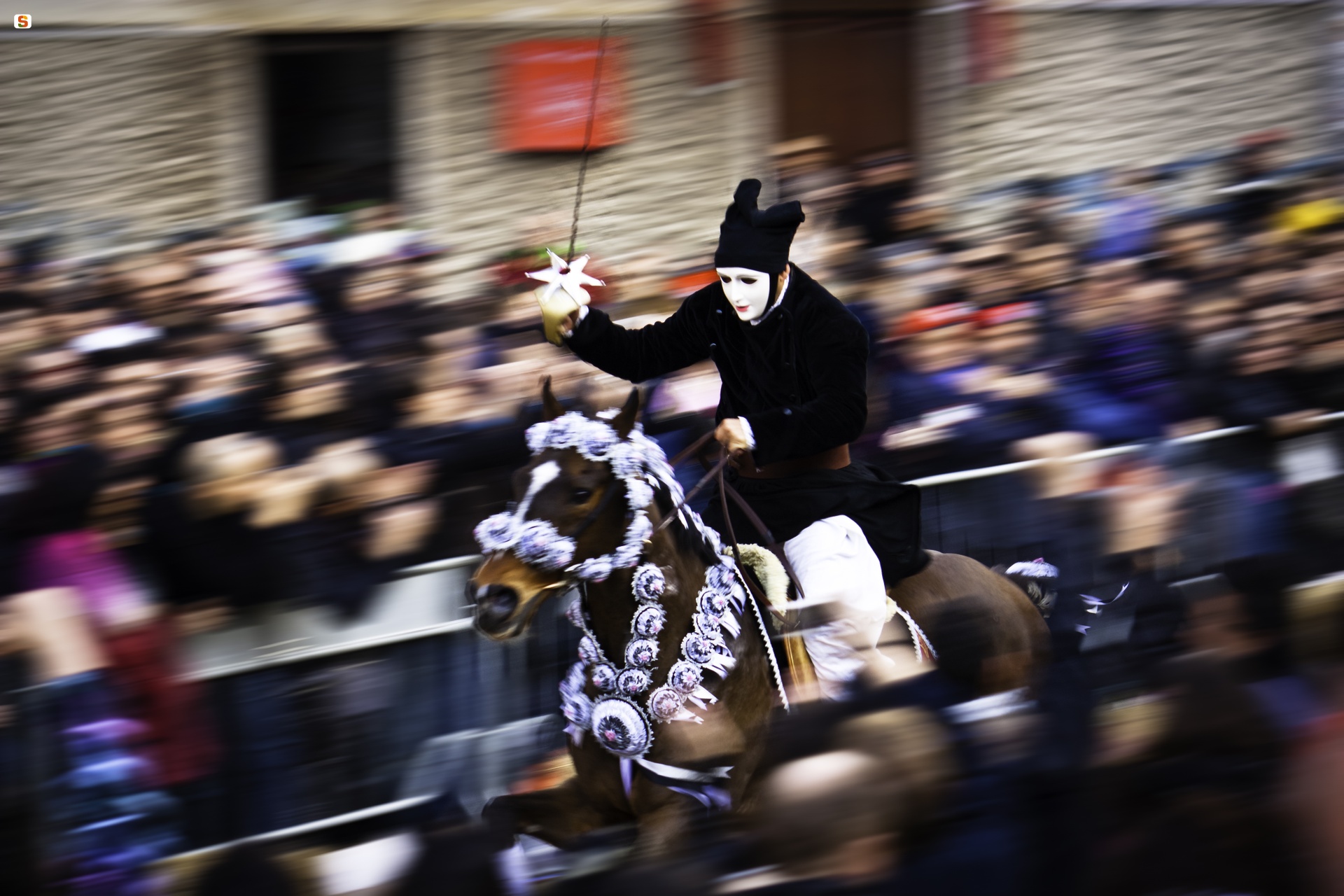
The snorting of steeds and stomping of hooves, the clanging of harnesses and roll of drums, the excited chatter of the audience: it’s a show rife with unforgettable emotions. Sa Sartiglia is an equestrian joust whose roots are set deep in ancient pagan rites of fertility and prosperity, it is the most anticipated yearly event in Oristano, a city that has made its mark on Sardinian history since the times of the Giudicato. More than a hundred masked horsemen elegantly clad in period Sardinian-Spanish dress gallop at full speed on horses fitted with decorative harnesses to the dramatic and insistent beating of drums. The aim of the “race for the stars” is to hook the hanging stars onto one’s sword and it takes place twice: once on Carnival Sunday when the horsemen compete during the gremio dei Contadini, and then again on Mardi Gras, for the gremio dei Falegnami, while Monday’s Sartigliedda is for young people. After the races teams of horses engage in daring exhibitions, and then the Carnival partying continues on the town squares into the wee hours. Almond sweets and delicious local vernaccia wine are enjoyed by all.
Welcome to Ogliastra
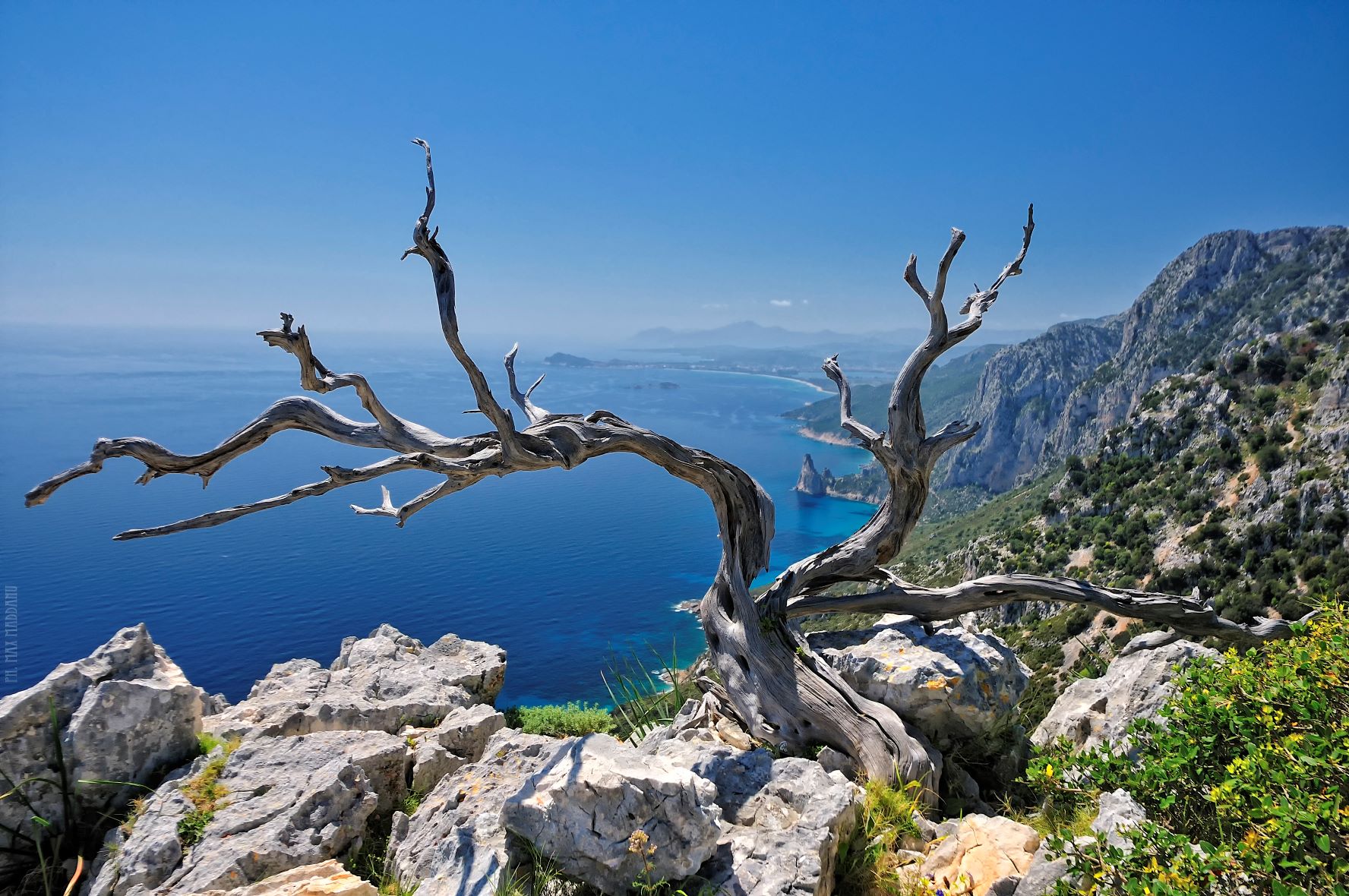
A land of natural monuments and dreamy seas, with one-of-a-kind excursions, like the Selvaggio Blu (Wild Blue) trekking route that touches the marvellous Goloritzè and Mariolu, or those that offer the spectacular canyon of Gorropu, the deepest in Europe, the entire route of which is accessible internally, from the Supramonte of Urzulei to that of Orgosolo. Then there are the trails for bikers and hikers, along the ridges of the jurassic Buttes and the valleys with ghost villages. Places out of the ordinary and inhabited by people known for their longevity, including centenarians, who are more numerous and in good health here than elsewhere.
Homemade, like in the past
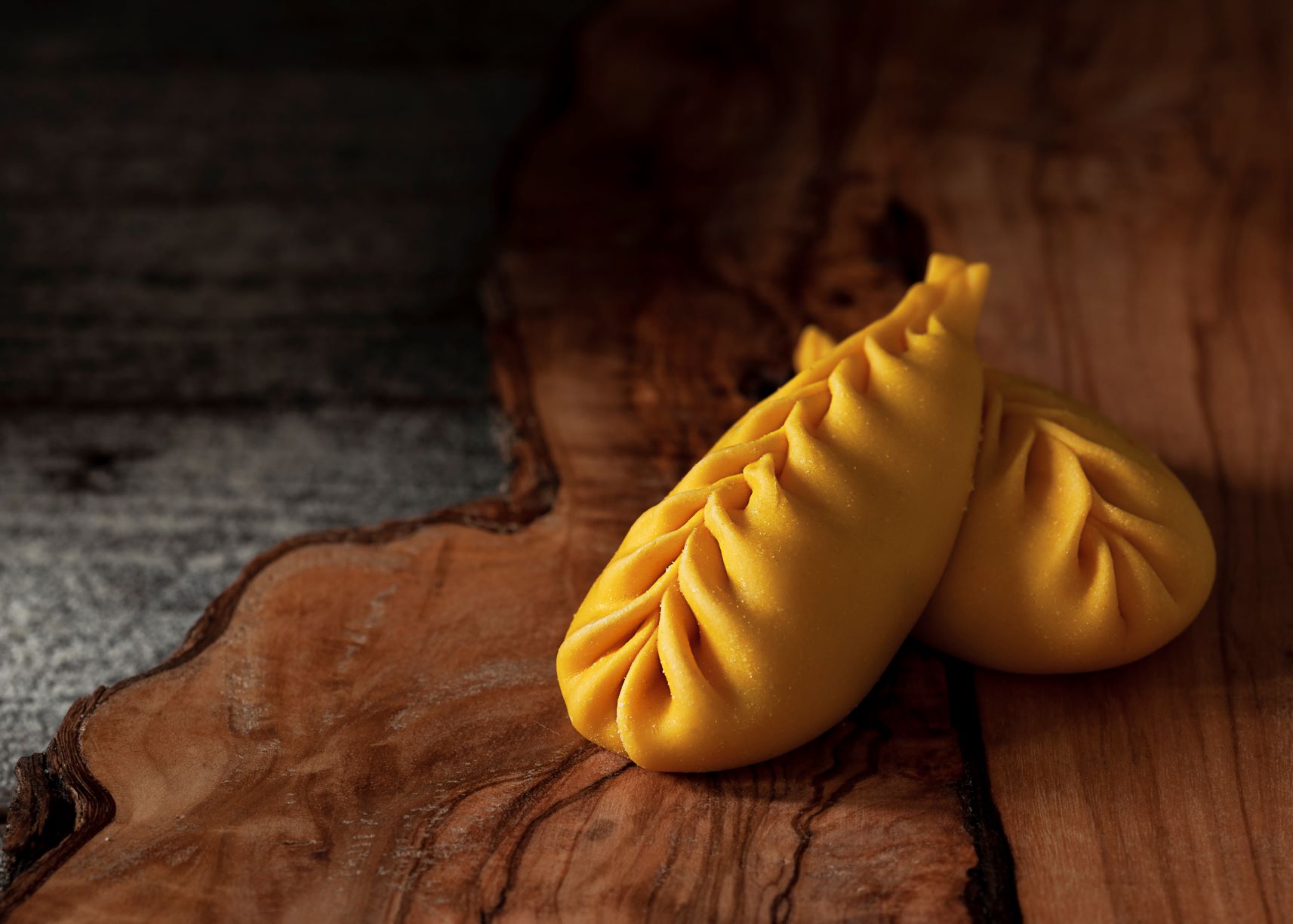
Each has its own preparation ritual, with meticulous and codified gestures, always the same, handed down from mother to daughter. The traditional pastas, both dry and fresh, are a bond between everyday life and celebrations. They are ever-present in moments to be remembered and are daily protagonists at the table, at home, in restaurants and in holiday farms. Their origin has been lost over time: wheat seeds have even been found even in the nuraghi, so it is no coincidence that Sardinia became the ‘granary of Rome’. The tradition has been cultivated (literally) up until the present day, generating a unique and solemn mixture of art, conviviality and taste.