
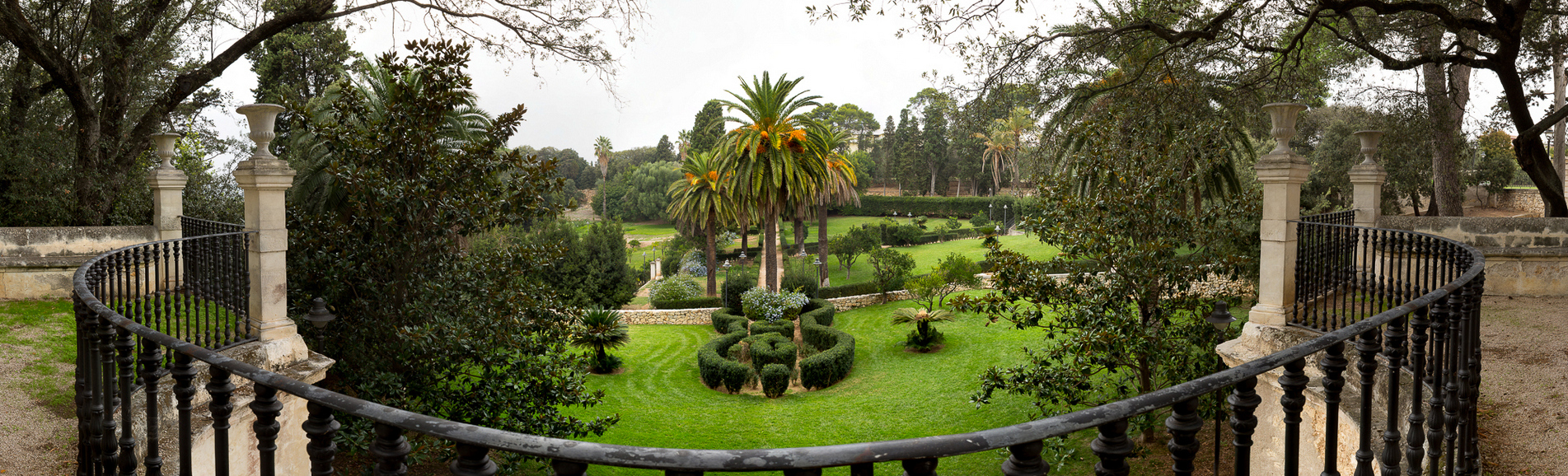
Sardinia's historic gardens, people and plants intertwined
A journey through scents and colours, art and history, to discover a landscape heritage consisting in seven historic gardens from the end of the 19th century, which combine architecture and botany. Stories of plants and people, of a passion for nature shared by remarkable characters who were apparently completely unrelated: the hero Garibaldi, the 'magnate' engineer Piercy, the 'enlightened' Marquis Aymerich. In 1866, the botanist Patrizio Gennari came up with the idea of having a collection of plants in the centre of Cagliari: that idea became the Botanical Garden, an expanse of five hectares with hundreds of specimens, including tropical plants and a section dedicated to plants from the Bible. Inside, we find an evocative archaeological area: four cisterns from the Roman era are incorporated into a Neoclassical project by the genius Gaetano Cima, who built a small temple to botanical science around them. Alongside the botanical garden is the Roman amphitheatre and the Orto dei Cappuccini.
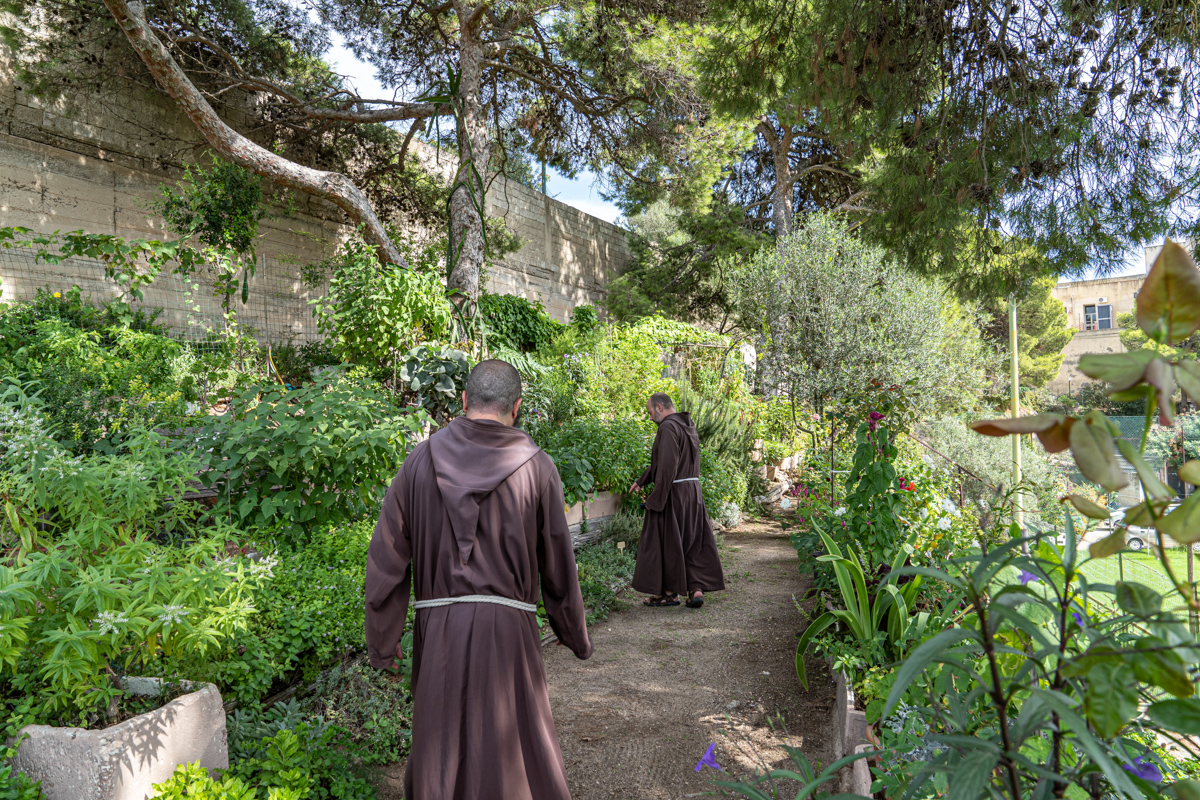
Franciscan places, interior well-being and a sense of community
Warm, familiar hospitality, simple yet precise rules, a slow pace that promotes reflection, moments of sharing and of learning, relaxing hours in an oasis of silence and peace. This is Franciscan hospitality, the “core” of an experience of physical and mental well-being and of cultural exchanges between travellers and those who host them; ideally, it brings together 14 Sardinian centres where followers of Saint Francis of Assisi have left traces that cannot be erased. In Gallura, since the early 13th century Franciscans have chosen the landscape of Luogosanto, where, perched among granitic rocks, is the Eremo di San Trano, today a popular pilgrimage site. In the town, the Franciscans built Nostra Signora di Luogosanto, a basilica with a Holy Door privilege, which is home to the queen of Gallura. Visit the sacristy to admire the diocesan museum, with holy items, statues and ex votos, including refined jewels. In their search for isolation, the friars climbed Mount Rasu: you can follow their steps and see the place where Giovanni Parenti, minister of the order after Francis, is likely buried. At Castelsardo, a hamlet perched over the sea, the friar minors of a convent have lived, over 500 years, in the church of Nostra Signora delle Grazie, home to lu Cristu Nieddu, a juniper crucifix that dates back to the 13th century and is blackened by time. At the Meilogu, in Mores, capuchin friars live in the convent of Sant’Antonio, the perfect place to try the Franciscan experience.
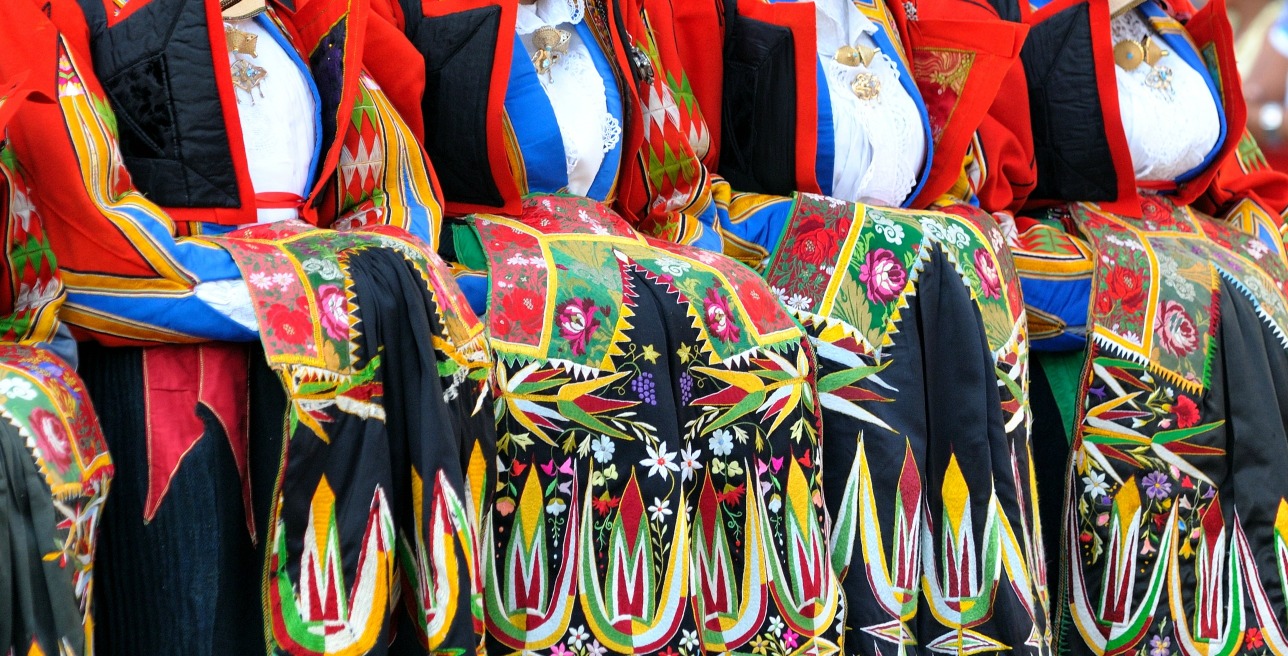
Patterns and textures of the soul
Original and imbued with meanings, the clothes and jewels are a fusion of signs left by the succession of different cultures in Sardinia: Nuragic, Phoenician, Greek, Byzantine and Spanish. Nothing was lost. Like the bright, coloured bonnets worn by the women of Desulo on festive days. They decorated them themselves, embroidering miniature details of the flamboyant Desulo dress: yellow, red and blue geometric designs alternated with embellishments based on the fantasy of skilled and sensitive artists. That of the women of Tempio Pausania was a different world, with their austere precious silk damask dress, which was completely black. They were admired for the elegant grace of their demeanour. On their heads, they wore a cascade of white lace, tied with filigree.

The southern seas, Carribean waters and African soul
Endless stretches of sparkling white sand and granite promontories overlooking the crystal clear waters with a thousand colours. Southern Sardinia is all surrounded by bays with natural pools where you can spend your days enjoying the activities that the sea offers its visitors. Beginning with the underwater world, for diving and snorkelling enthusiasts, as well as those who love to relax and are seeking unique and exclusive views. Hidden, secluded places where you can lie on the sand and enjoy being massaged by the breaking waves, walking along the shore, taking a dip and swimming in the clear waters, then relaxing under a beach umbrella or in a nearby pine forest

The Stonehenge of the Mediterranean
Sardinia has an age-old story, told by the archaeological evidence dotted throughout the territory. The tangible signs of the prehistoric island are endless: menhir, dolmen, domus de Janas, sacred wells, tombs of the giants and countless Nuraghe complexes. Enormous stones that have been guarding secrets for four thousand years. Buildings, often intact, of the first civilizations ever to exist in Europe, the only sites of their kind in the world, a patrimony to be discovered and experienced: this is the Stonehenge of the Mediterranean.

Prince’s Beaches
An Ishmaelite Prince arrived, by chance, from the sea, at the natural fjord of Porto Cervo and was bewitched by what he saw. It was the end of the 1960s: it was love at first sight between Karim Aga Khan IV, Arab prince and Muslim imam, and a stretch of the wild and beautiful Sardinia, a rough diamond enshrouded in the fragrances of the Mediterranean scrub as it moves down from the mountains towards the sea and frames the enchanting beaches. His favourite beach became the Spiaggia del Principe (Prince's beach), a stretch of white sand surrounded by breathtaking scenery, behind a deep cove protected by a pink granite promontory. Exclusive for its beauty, but open to all: in just a few minutes on foot, you reach the green, pink, turquoise and blue heart of the Costa Smeralda, the new name that the Prince gave to this part of Gallura.
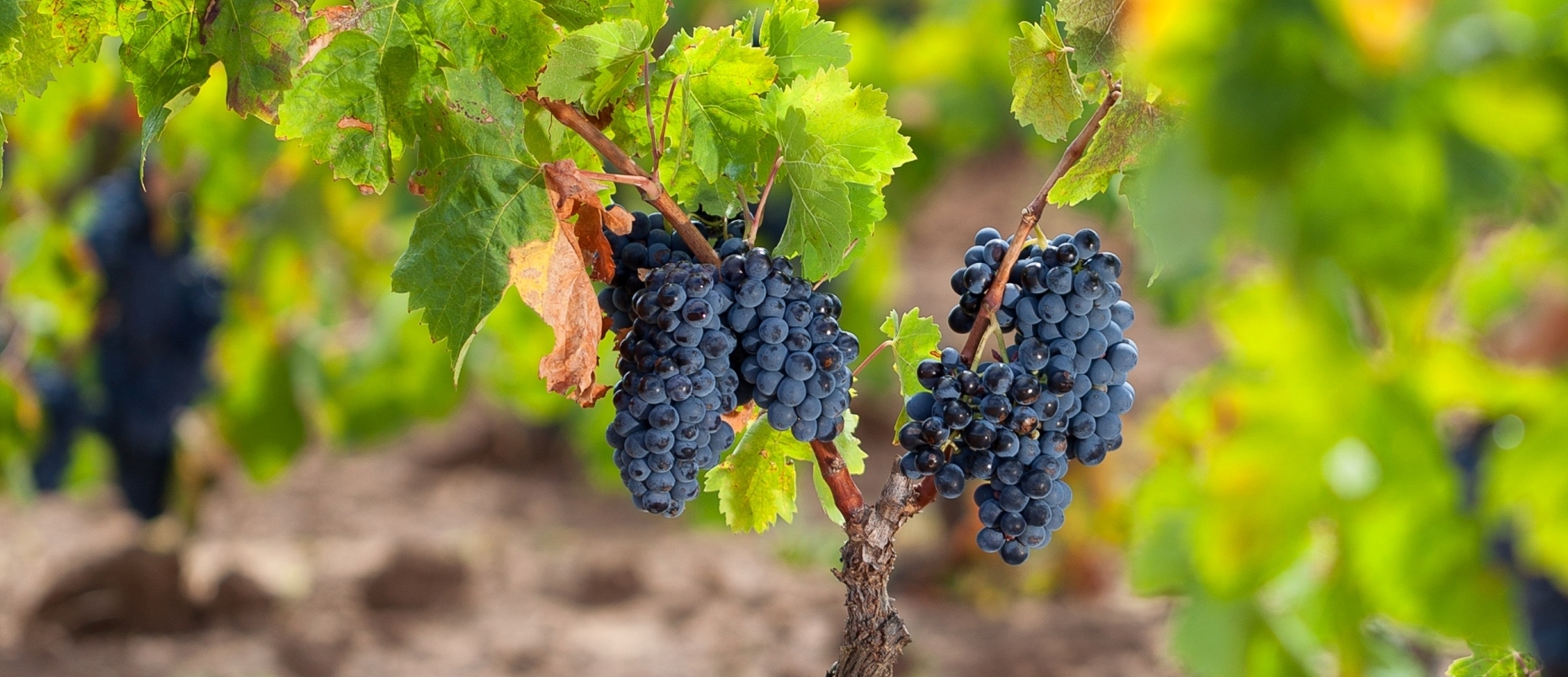
Sardinia, the quintessential land of wine
According to Greek legends, Aristaeus introduced this cultivation to Sardinia. The hero settled here because of the beauty of the land and he gave his two sons names linked to agriculture and viticulture: Kallikarpos, meaning ‘bearing good fruit’ and Charmos, from the Semitic krmy (winemaker). From mythography to reality. Today, the fact that wine-making on the Island goes back at least as far as the 15th century BC is a certainty: according to archaeologists, botanists and chemists, the oldest wine in the Western Mediterranean area was Sardinian. It was a sort of Cannonau dating back more than three thousand years. The theory became a certainty at the end of 2016, with the analysis of organic residue from a stone press discovered in the Nuragic village of Monte Zara, next to Monastir, a few kilometres from Cagliari. Archaeobotanical studies have unequivocally led us back to the practice of pressing and processing of grapes, particularly red grapes. This is the most ancient press in the Mediterranean, proof of the Nuragic civilization's considerable expertise in wine-making. The discovery places wine tradition as far back as the Middle Bronze Age, even though the thriving presence of vitis vinifera sylvestris leads us to assume that there was domestication and highly evolved oenology even further back in time.
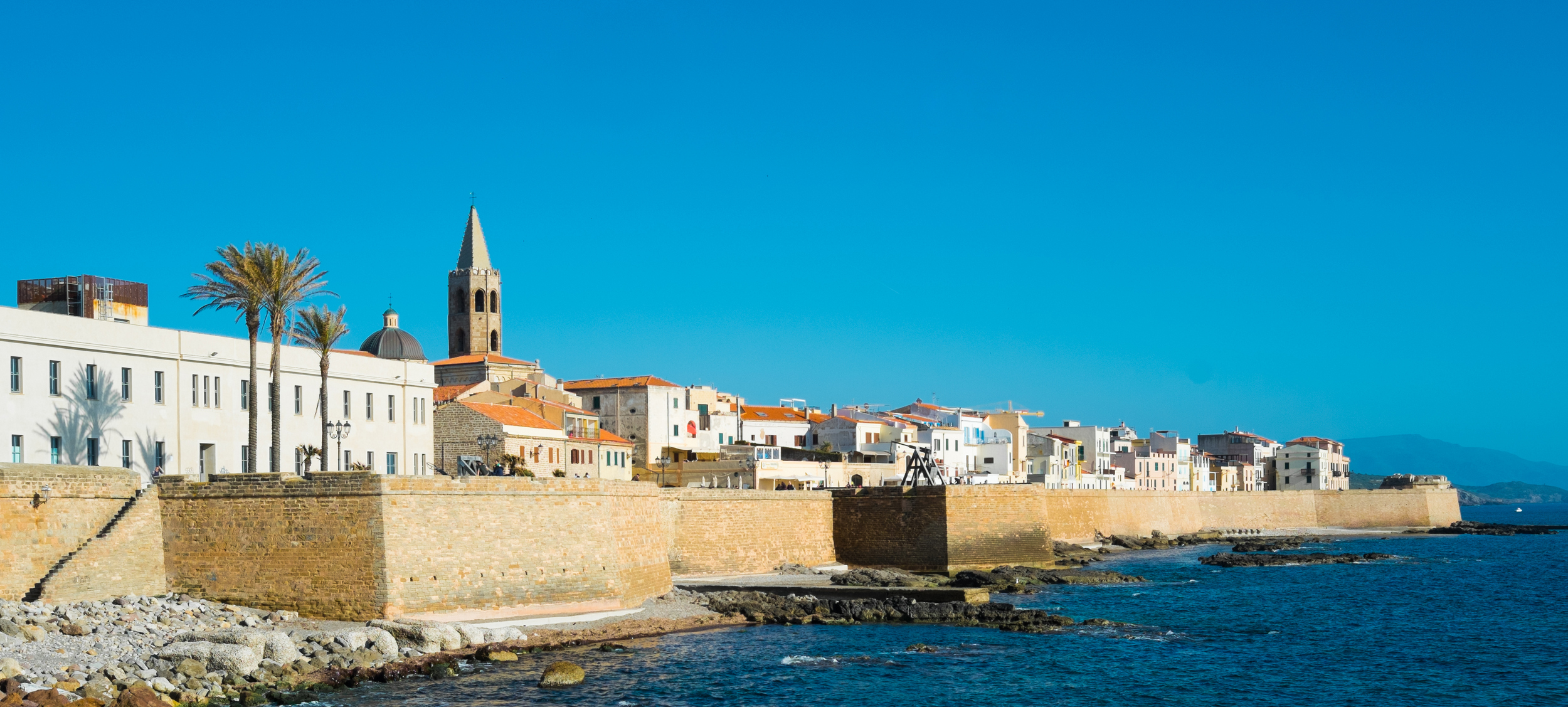
Monumenti Aperti, exploring architectural and artistic treasures
Magnificence, shared memory, authenticity and a sense of community: this is the most encompassing effort to safeguard, enhance and promote the cultural heritage of Sardinia. Over the next seven weekends, the 22nd edition of Monumenti Aperti (Open Monuments) – a candidate for the 2018 Europa Nostra award, a European Union award for cultural legacy – will shine a special light on the island’s architectural, historical and natural heritage: some 800 places of extraordinary cultural value that include the museums and archaeological sites, churches and historical buildings, natural monuments and parks of 59 municipalities all over Sardinia, seven of which are new to the movement. Each town will tells its tale through literary itineraries, architecture routes in cities that have been marked by centuries of powerful rulers, and journeys into the dawn of time among the remains of ancient civilizations. As you follow the route, some 18,000 volunteers – many of whom are school children of a variety of ages - will narrate the stories that marked the history and culture of their town.
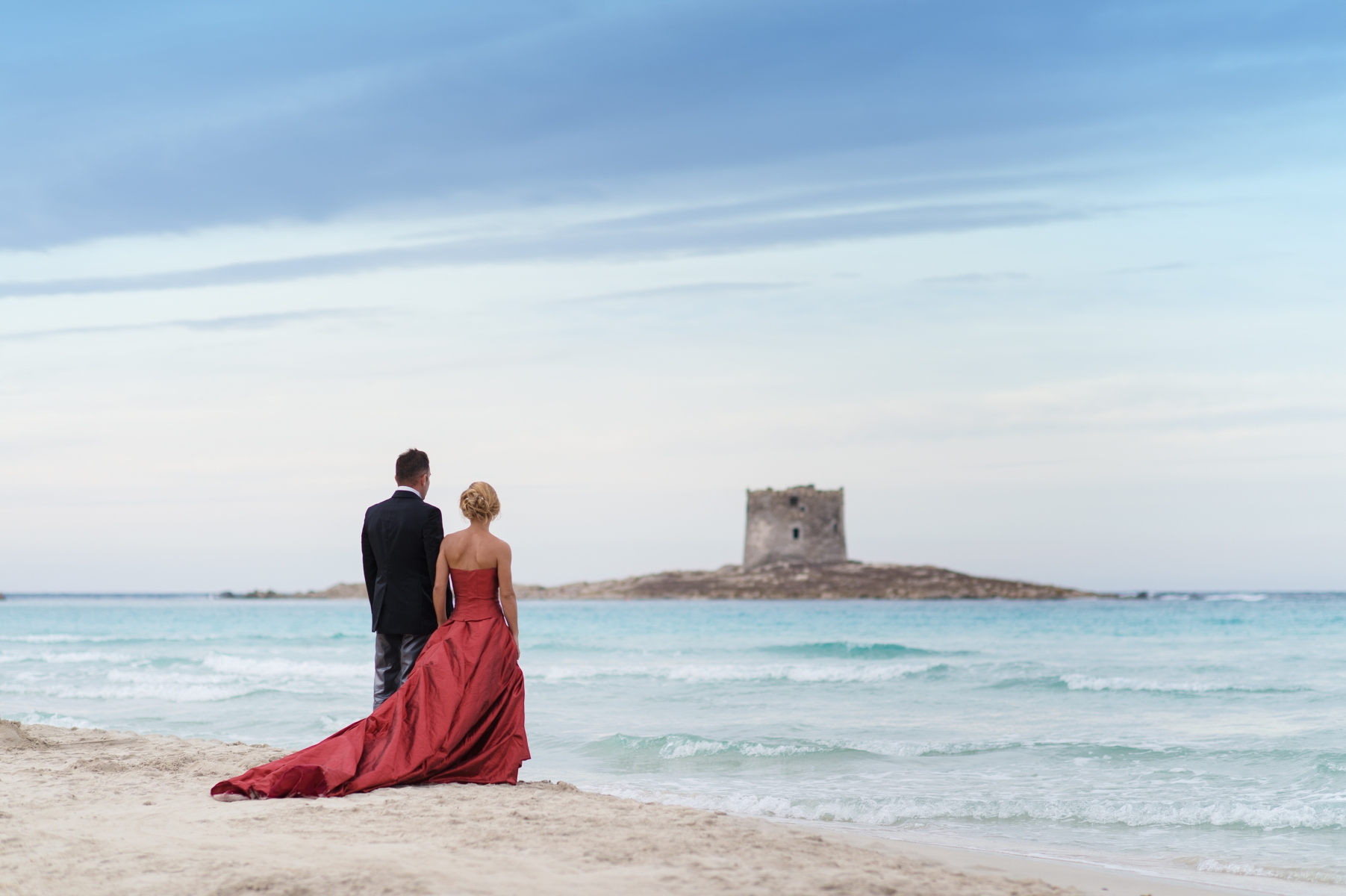
Saying “I do” in a magical setting
An ideal destination in every season and perfect for a wedding. An evocative, romantic and enchanting land: an increasing number of couples choose the most picturesque corners of Sardinia as a place in which to celebrate their love. Numerous guests get to know the island while on holiday, leaving behind a little piece of their heart and they sometimes return to take it back on one of the most important days of their lives. Many say “I do” in famous and captivating places, others in less well-known, poetic places reminiscent of an archaic past, in the bucolic peace and quiet or far away from the hustle and bustle of today’s world: a lighthouse, a cave, a sacred well, the rows of vines in a vineyard kissed by the sun, in gardens where fragrances and colours are transformed by the changing seasons. Dream weddings are celebrated throughout much of the island: the bride and groom spend the pre-event and honeymoon there, while their guests often stay on and take a holiday.
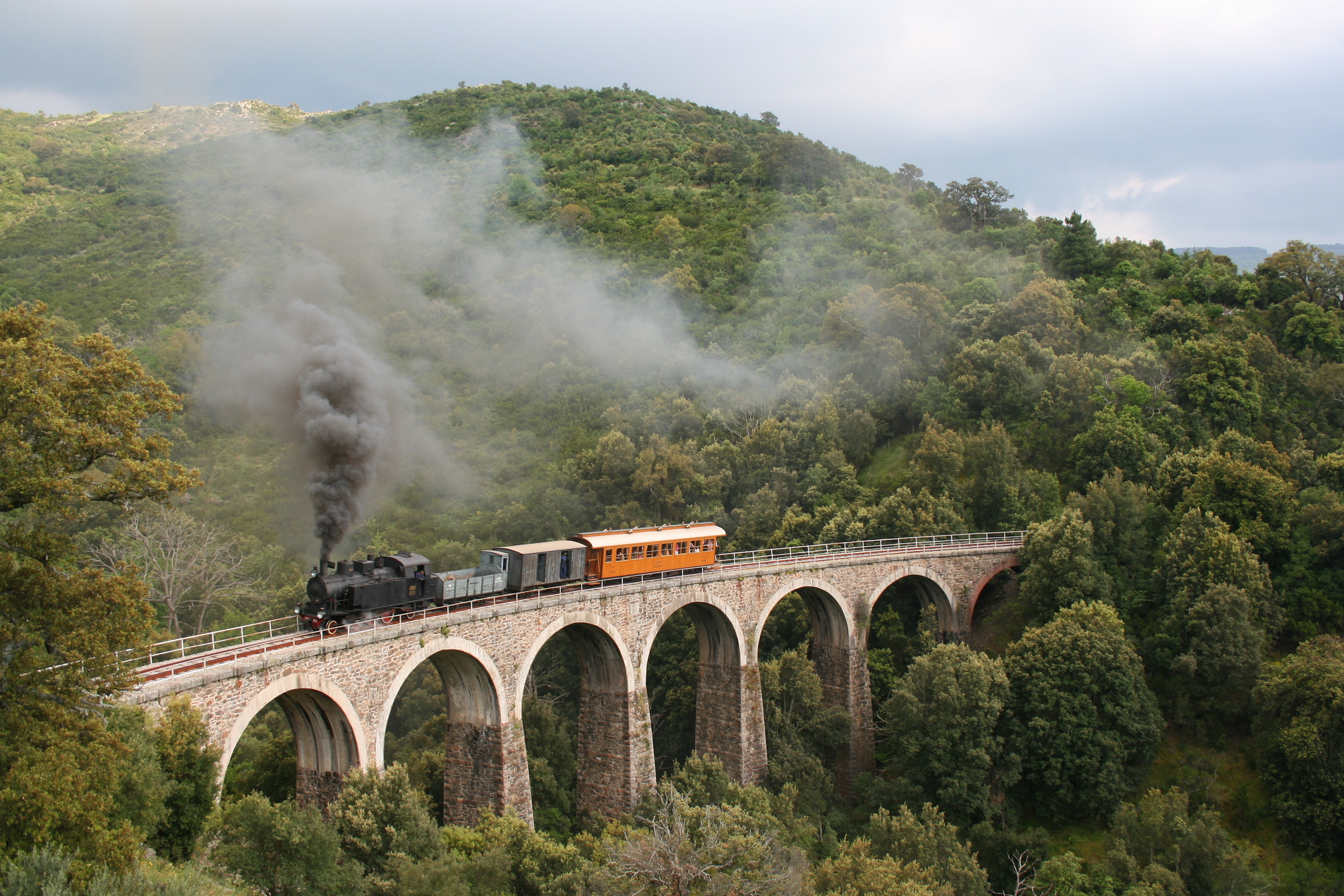
Great beauty travels on the Green train
“After a long pull, we come to a station after a stretch of loneliness. Each time, it looks as if there were nothing beyond — no more habitations. And each time we come to a station.” This is the poetic description, aboard the locomotive that is today the Trenino Verde (Green Train) of Sea and Sardinia, the project dedicated by David Herbert Lawrence on his 1921 voyage to Sardinia. Following in his footsteps a century later, travellers from all over the world are attracted to this unique railway line, derived from the ‘old components’, designed and constructed between the late 19th and early-20th centuries. An Italian excellence, a unique experience comprised of four trails totalling 437 kilometres, with three sections having been operating non-stop for 130 years, including engineering and architectural works, such as bridges and tunnels. The lines, never abandoned, have been preserved and protected, connecting the coasts and hinterland, integrating such with excursions to the lakes by boat, trekking, cycling and horse riding. You can hop on the on any of the seasonal calendar days or hire it out for a group excursion - thanks to the initiative Su Trenu Antigu, aimed at enthusiasts, schools and tour operators, for an exclusive railway line!