
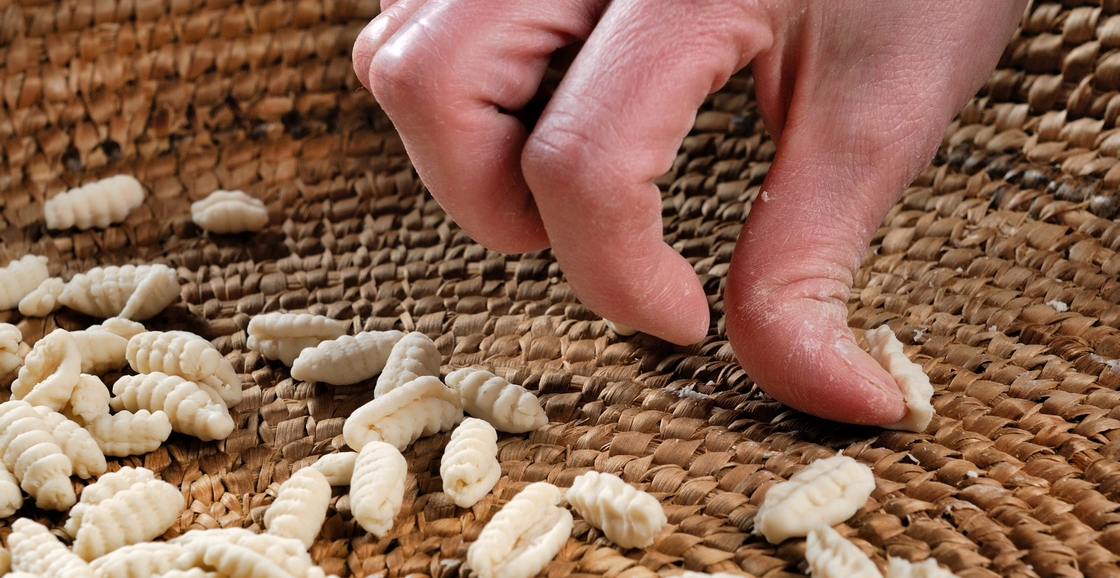
Slow food & slow life
The extremely high concentration of long-living people, especially in certain areas of Sardinia, has attracted the attention of the international scientific community. Research carried out by various scholars tends to demonstrate the correlation between lifestyles, diet and longevity: along with genetic predisposition, the combination of environmental, anthropological and cultural factors that characterize Sardinia are the key to ‘successful aging’. People live better and longer on the Island, compared to the Italian and European average. It is no coincidence that the territory of Ogliastra is one of the world's five 'blue zones', areas in which the percentage of centenarians and ninety-year-olds in good health and still active is higher than in the bordering territories.
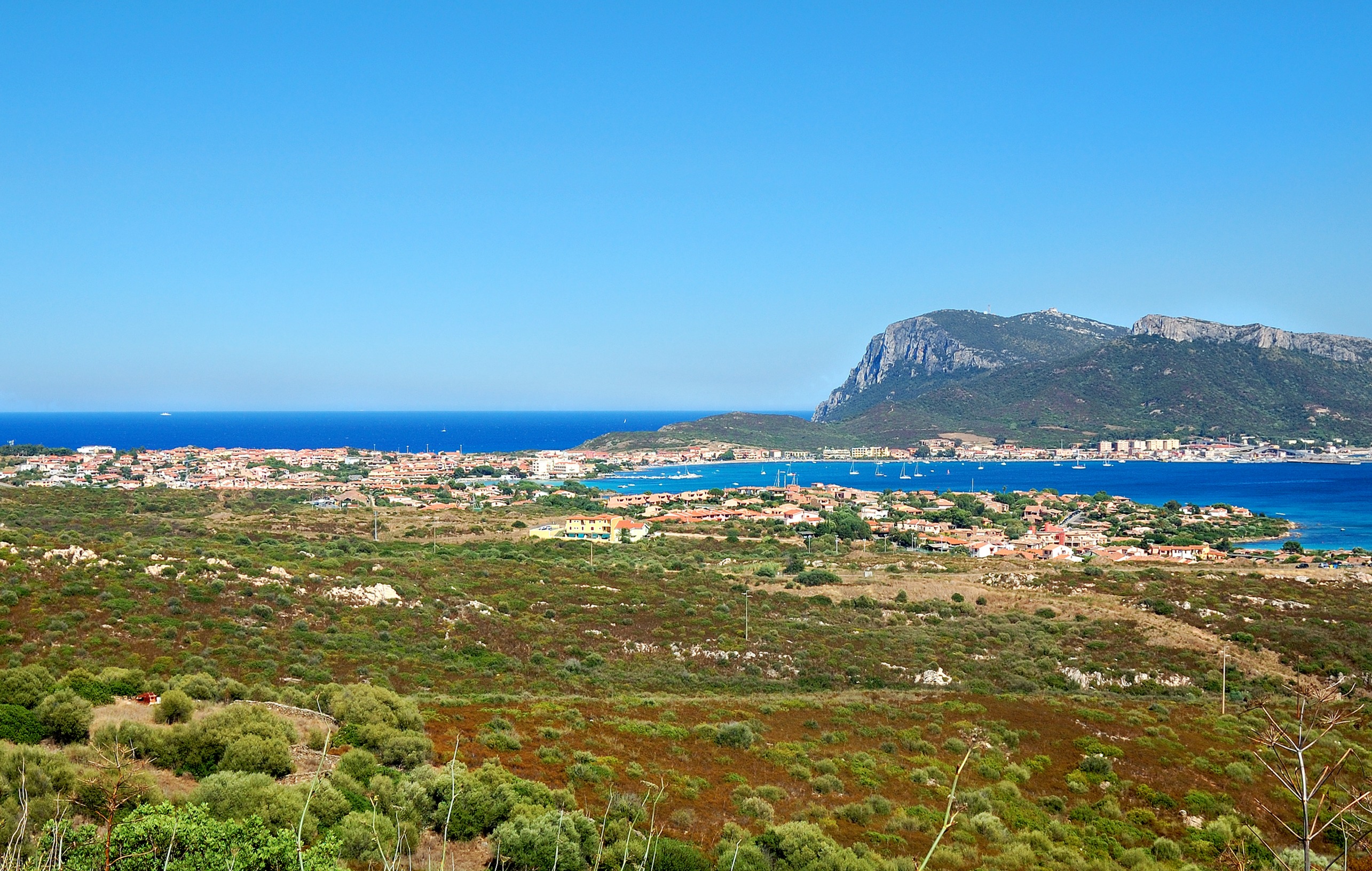
Golfo Aranci
The name is a mistaken interpretation made by the cartographers in the middle of the 20th century: Gulfu di li Ranci, meaning 'gulf of the crabs', became Golfo Aranci, meaning Gulf of Oranges. Or it may come from one of the numerous coastal 'gems', namely the beach of Sos Aranzos. The village extends along a strip of land in the sea, overlooking the gulf of Olbia, that ends at the base of Capo Figari, ideal for diving - especially the Mamuthone Rock and Capo Filasca - and trekking inside a natural oasis, the habitat of mouflons and rare birds, that includes the little island of Figarolo facing it. Up above the promontory, there are wartime fortifications and a lighthouse, the ‘Naval Semaphore', famous for Guglielmo Marconi's experiments (1932). In honour of the brilliant inventor, a granite sculpture, the Column of Light, was built in the village. The area was inhabited in the Nuragic period, as is confirmed by the sacred well of Milis (7th - 6th BC), and it later became a Roman port. From the beginning of the 20th century it was a freight hub and, from the 1960s, the second port of access from the sea to Gallura. The residential area, originally a fishing village, became a Municipality in 1979 and had a population of two thousand 500 inhabitants. Tourism developed considerably here, due to its location close to the Costa Smeralda to the north and the marine area of Tavolara to the south. You can admire a village with colourful little houses, taste the Golfo Aranci cuisine with its seafood specialities and typical Sardinian dishes and you can do some shopping on the lively promenade in the village centre, where the Parish Church of San Giuseppe stands out and is a destination for worshippers of Padre Pio. The patron saint is celebrated in mid-March. The most heart-felt festivity, on 15 August (Ferragosto), is the Assumption of Mary, linked to the fish festival.
Trips via sea or on land along trails lead you to spectacular coves with heavenly beaches and sheer cliffs overlooking the crystal clear turquoise waters. There are over twenty beaches, some of which are wild and others comfortable and well-equipped, like the Cinque Spiagge (Five Beaches), little havens of fine, white sand facing the village, one following the other. Moving towards Olbia you will find the Spiaggia Bianca (White Beach), with fine sand alternated with rocks, the lovely Cala Sassari, the fabulous stretch of Nodu Pianu, separated by a small path from the wild beauty of Cala Banana, the heavenly Baia Caddinas, the fine sandy coves of Terrata, the little beaches of Baia de Bahas, the little sheltered pools and the beach of the Baracconi (little shepherds' and fishermen's huts). Not far from Porto Rotondo there is the beach of Marinella, one kilometre of gentle mounds of soft sand, smooth rocks and an emerald green sea. Around Capo Figari, you will find the fine, golden sandy little beaches of Cala Moresca, the protected reserve of Cala Greca, a beach of pink pebbles hidden by cliffs, the delightful Cala del Sonno, where the fishermen take shelter, and Cala Sabina, a sandy shore with a Caribbean appearance, which you can get to by train, which runs along the promontory. Set in the depths off the shore of the third beach, there is the MuMart, an underwater museum of contemporary art, which can also be visited when snorkeling. The Mizar submarine completes the show and, from it, you can admire an 'open sea' aquarium. Also located in Golfo Aranci, is the International Centre of Research into Dolphins, who will delight you with their acrobatics.

In search of wind and waves
In Sardinia's emerald green sea, there is always a tailwind for sailing, kite-surfing and windsurfing enthusiasts. Not just yachtsmen: when the northwest wind that sweeps across the Mediterranean blows on the west coast, the enchanting shorelines become a must for surfing enthusiasts, with fast, tubular waves that can reach four metres in height at Capo Mannu, at the northern end of the Sinis peninsula. From Buggerru to Funtanamare the western coast is a paradise for expert surfers who do have no fear of the force of the sea and its rocky seabed.
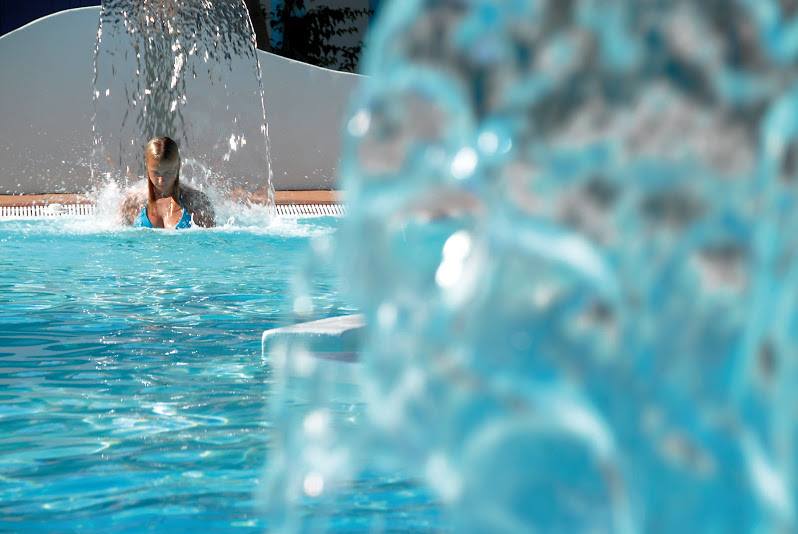
Sardinia, wellness naturally
An oasis of wellness at your fingertips. Mother Nature has made Sardinia an unparalleled open-air gym, where you can alternate trekking, cycling and climbing with regenerating swims and snorkelling in the beautiful Mediterranean sea. You will not be able to resist the attraction of impromptu acquagym sessions or long walks in the shallow water, taking advantage of the currents for pleasant hydro-massages along the water's edge. Choose between fine sandy beaches, suitable for hot sand baths and bays with pebbles for scrubbing sessions. Here, you will experience the benefits of walking barefoot on the little stones along the water's edge and lying on the stones warmed by the sun.
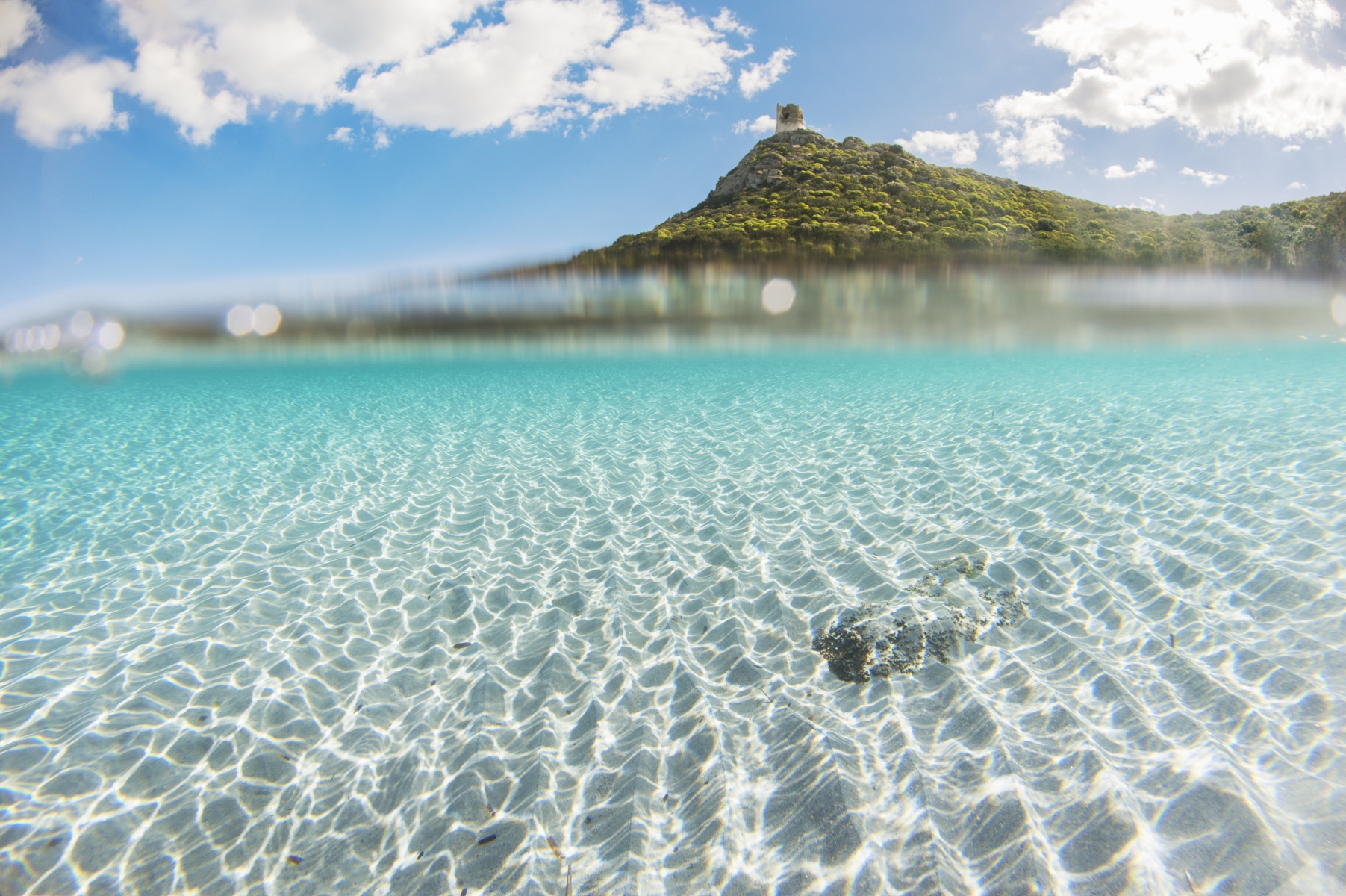
A sea of lost ships
An underwater world, rich with aquatic flora and fauna, where the wreckages of old abandoned ships dwell. The whole of Sardinia offers diving enthusiasts numerous not-to-be-missed opportunities: ships stranded on the seabed, where the sun's rays create magical visions of light and colour. Meanwhile, in the deepest darkness, the vitality of the sea brings the wounded wreckages back to life: the new inhabitants, including grouper fish, lobsters and prawns, peep out from their homes among the splendid carpets of flowering gorgonians and rare species of black coral. These shipwrecks are now completely colonized by red and yellow sea fans and expanses of seagrass that vibrate as the water flows through them, arousing the emotions of even the most expert divers.
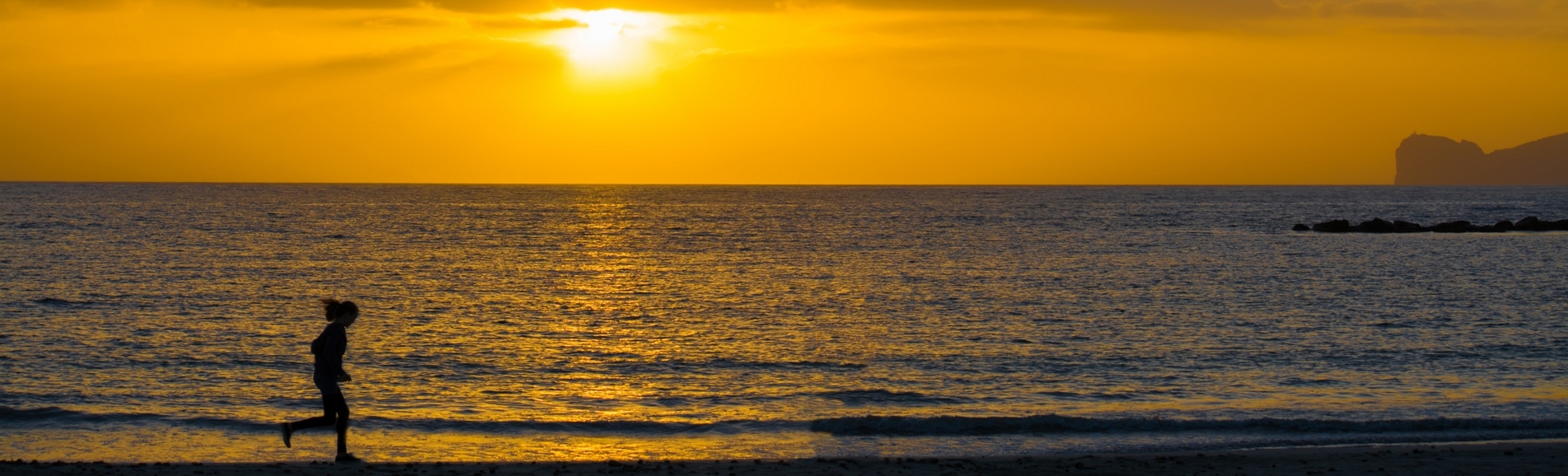
An open air gym
An open air park-gym that inspires all sorts of tourists throughout the year . Sardinia is the perfect destination for travellers who experience their holidays as protagonists: they can enjoy any sporting activity on the island, in unique and often unspoilt settings. It is the ideal land for anyone who likes to interact with nature and seek cultural and spiritual enrichment during their travels.
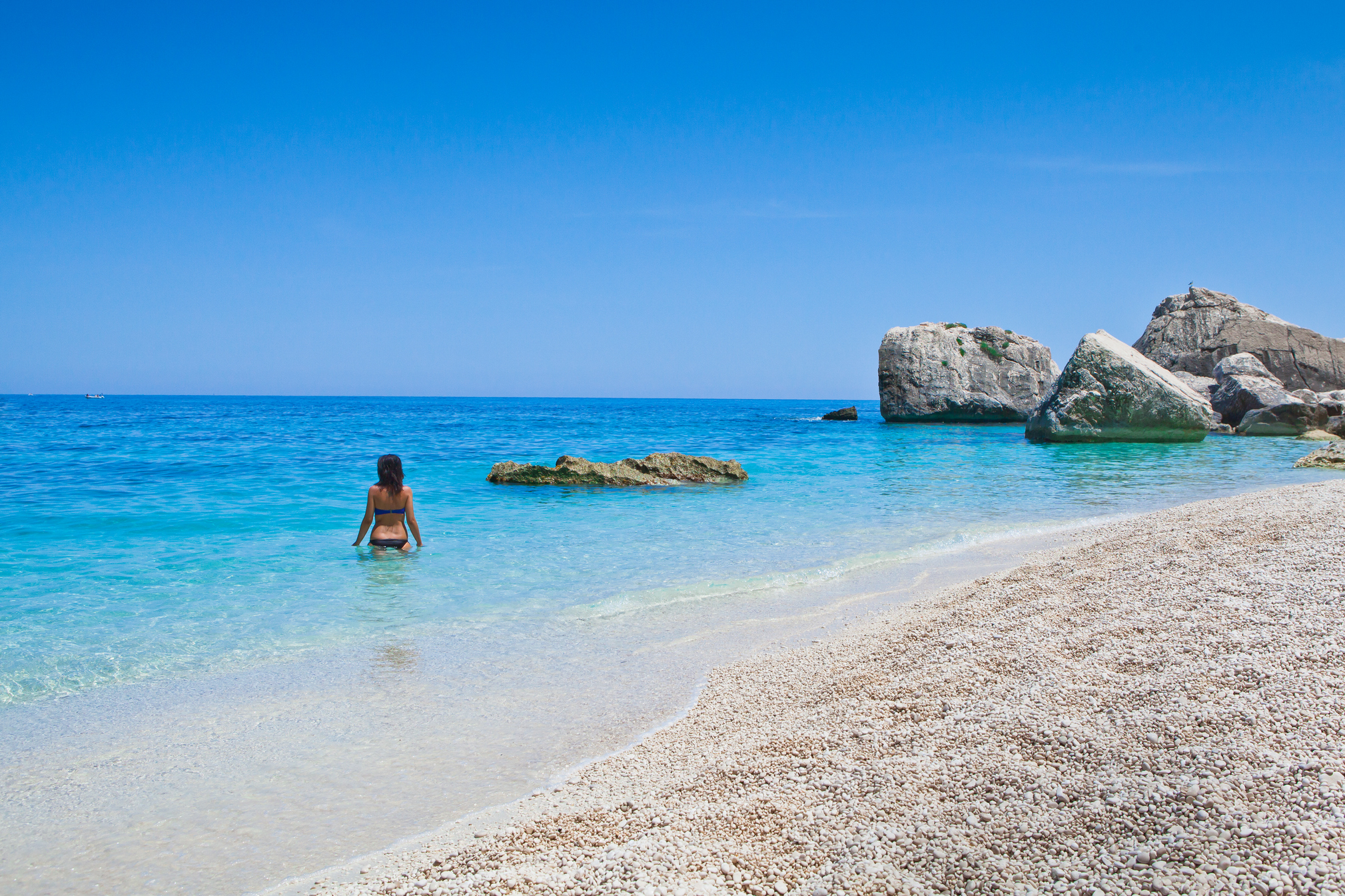
Sardinia, a great soul within it, the sea around it
It resembles no other place. This is what the first travellers from the past wrote about Sardinia. They recount the emotion of this land that slowly emerges from the sea and the spectacular unspoilt nature that is revealed. A land embraced by an intense light. Towering mountains that slope towards the coast, framing marine scenarios that are always different: cliffs sculpted by the wind, long beaches, bays hidden by the Mediterranean scrub, sand dunes covered with white lilies.
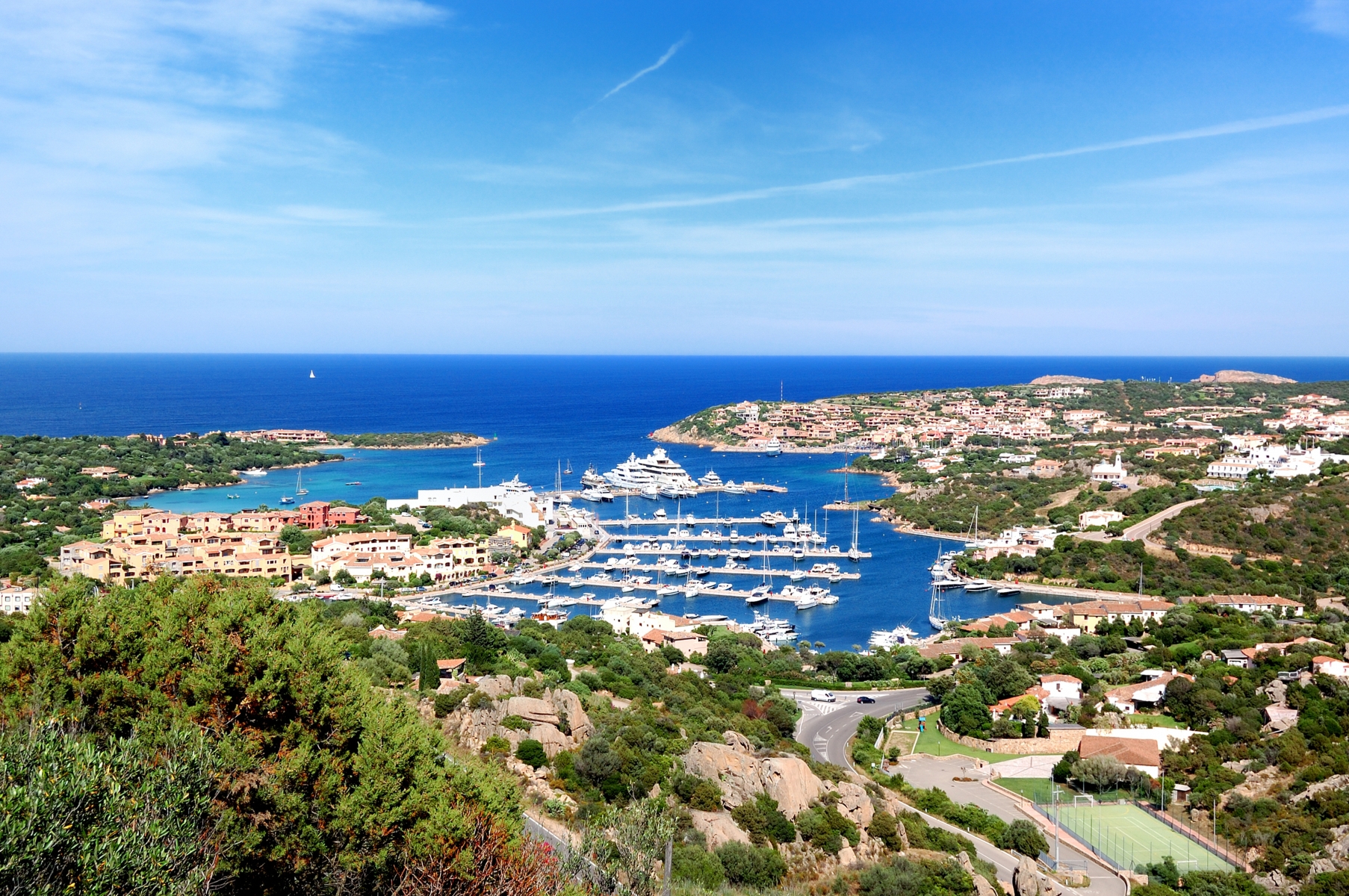
Porto Cervo
Undisputed capital of the Costa Smeralda, Porto Cervo is a district of Arzachena, a town in the Gallura area, with just a few hundred residents. In the summer, it becomes an extraordinary procession of hundreds of yachts and famous personalities: it is quite likely that you will find yourself in the square, shopping with stars of the cinema and the television. Every day is a continuous stream of engagements with the international jet set: parties, social events, sports events, golf in particular.
The seaside village emerged around a natural cove that resembles a deer. The old port dates back to the 1960s, when Prince Karim Aga Khan IV, captivated by the beauty of this stretch of coastline, had a brilliant idea when he decided to buy the lands of this part of Gallura and, together to the Swiss-French set designer Jacques Couelle, and later assisted by several Italian architects, he brought life to this paradise of international elite tourism. In the 1980s, the work to build the new tourist port began, which is now one of the biggest and best equipped in the Mediterranean (700 boat moorings), headquarters of the Costa Smeralda Yacht Club, organizer glamorous and prestigious regattas. Walking along the docks, you can admire the moored yachts of rich, famous personalities or you can watch them as they leave the port.
The town of Poltu Celvu (in the language of the Gallura area) was built high up on level ground with respect to the port. From Piazzetta delle Chiacchiere to the Sottopiazza there is a series of alleys, windows, balconies, built in typical Costa Smeralda style, as well as shops and boutiques selling prestigious designer items, while, all around, you will find the most prestigious restaurants, luxury hotels, the most fashionable clubs, at the centre of the coast's nightlife, and splendid villas climbing up the surrounding hills, nestled in the Mediterranean scrub. During the design stages, the prince and his collaborators came up with the idea of creating architecture that would maintain continuity with the typical Gallura architecture as much as possible, blending perfectly into the environment: it was the key to success. On the subject of architecture, remember to take a look at the splendid Stella Maris church, the work of architect Michele Busiri Vici, which dominates Porto Cervo Marina.
A few steps from the touristic centre are some breath-taking beaches. The expanse of soft, white sand of the Grande Pevero is lapped by the turquoise, blue and green reflections of the sea, flanked by granite rocks shaped by time, and by Mediterranean scrub. Behind it there are well-kept golf courses hat make the resort a popular destination for golfers. Separated by a promontory, you will find the Piccolo Pevero, a beach that is less than half the size of its 'older sister'. Offshore you can admire the islets of Li Nibani, 'the seagulls'. Two kilometres further south are other wonders: the Romazzino and the Principe beach (in honour of the Aga Khan). On the opposite end of the 'emerald' promontory, you will be entranced by delightful coves, including Cala di Volpe and Liscia Ruja. Further south, don't miss the paradise of Cala Capriccioli, beaches of fine, light-coloured sand, protected by yellow, pink and reddish granite rocks. The name Gallurese means 'goats', and refers to a pair of huge, polished round boulders that form various coves. The beach to the east is ideal for families, while the western side is formed by the beaches of 'Pirata' and 'delle Tartarughe'. The panorama is enhanced by the islands of Soffi and delle Camere and the islet of Mortorio.

Roccia dell'orso
According to Victor Bérard, a writer and scholar of Homer, Capo d'Orso is the only place in the Mediterranean identifiable as being the 'land of the Laestrygonians', the giant cannibals who were the protagonists of the 10th book of the Odyssey and who inflicted serious defeats and forced Ulysses' desperate escape. The hero of the tale disembarked here, near the spring of Arcacia ('of the bear'), in search of food and water for the crew, which went onto become the local population's “feast". An aura of legend surrounds the cape before the La Maddalena Archipelago National Park, taking its name from a spectacular natural sculpture that extraordinarily resembles the shape of a bear seemingly nodding towards the sea. It is the Roccia dell’Orso ('Bear Rock'), a natural monument visited by thousands of hikers. It stands on a granite elevation, being over 120 metres in height, watching over the nearby village of Palau, a renowned tourist resort nestled in a cove in northern Gallura, close to the Costa Smeralda.
It is located just over five kilometres from the village, reached by a half-kilometre panoramic path - of which around ten minutes is slightly uphill - setting out from the fort of Capo d'Orso, one of the many 18th-century military fortifications of Palau, including the battalions of Monte Altura and Talmone. The promontory offers a view over the entire park of the archipelago, also being associated with the area surrounding nature's work of art, one of the most special rock formations in all of Italy. The granite rock, “carved” over millions of years by the atmospheric agents, is smoothed, seemingly dug out from the surface, with a characteristic yellow-pinkish hue.
The promontorium arcti ('bear promontory') has been known of since time immemorial. The shape of the bear was first noted by sailors in ancient times, with its name remaining unchanged since this time. The first historical attestation comes from the Greek geographer Ptolemy (2nd century AD) who, in addition to providing coordinates, tells of the fear that the Rock Bear induced in sailors due to being able to attract ships “like a great magnet". It is not by chance that the stretch of sea before it contains numerous cargo ship wrecks hailing from various periods in time, confirming the intense commercial traffic throughout this area. The rock has always been a point of reference, being clearly visible from the sea and mentioned in the Portolan Charts, for the sailors who happened to venture off the coasts of Gallura and Bocche di Bonifacio.
The territory of Capo d'Orso is also interesting from an archaeological point of view due to the presence of several tombs in tafoni and a lithic industry from the Neolithic age. The Nuraghe Luchìa and Li Mizzani and Sajacciu Tombs of Giants are the other most famous sites within the Palau territory, where life revolves around tourism and the harbour, from where you can set out on a hike through the park. Granite promontories and sandy stretches alternate from one end of the coast to the other, such as that of La Sciumara ('outlet' in the Gallurese language) and the picturesque coastline with the Nordic atmosphere of Porto Faro. Near the port are L'Isolotto, a cove of fine white sand, and Palau Vecchio, a beach bordered by a pine forest, from where the Trenino Verde ('Green Train') sets out towards the innermost areas of Gallura. Continuing to the west, facing the island of Santo Stefano, the village of Porto Rafael unveils an exclusive and luxurious side of the area. Its most famous bay is Cala Inglese, known as the “Porto Rafael pool”. Extending nearby is the white stretch of Costa Serena. Then there is the indomitable beauty of Punta Sardegna and the exotic features of Cala Trana, nestled amongst the dunes, granite rocks, junipers and lentisks, being characterised by pinkish sand. To be found in the direction of Santa Teresa Gallura is the paradise of Isuledda or Isola dei Gabbiani. In fact, this is a peninsula joined to the mainland by an isthmus surrounded by the turquoise sea. Fanning out within the 'sandy stretch' are the Arenaria beach on one side and on the other, Porto Pollo - a dazzling beach ever caressed by the wind and the Sardinian town famed for funboarding, windsurfing and kitesurfing. Extending before the surfers' paradise is the Isolotto Cavalli and, in the distance, the beautiful La Maddalena islands of Spargi and Budelli.
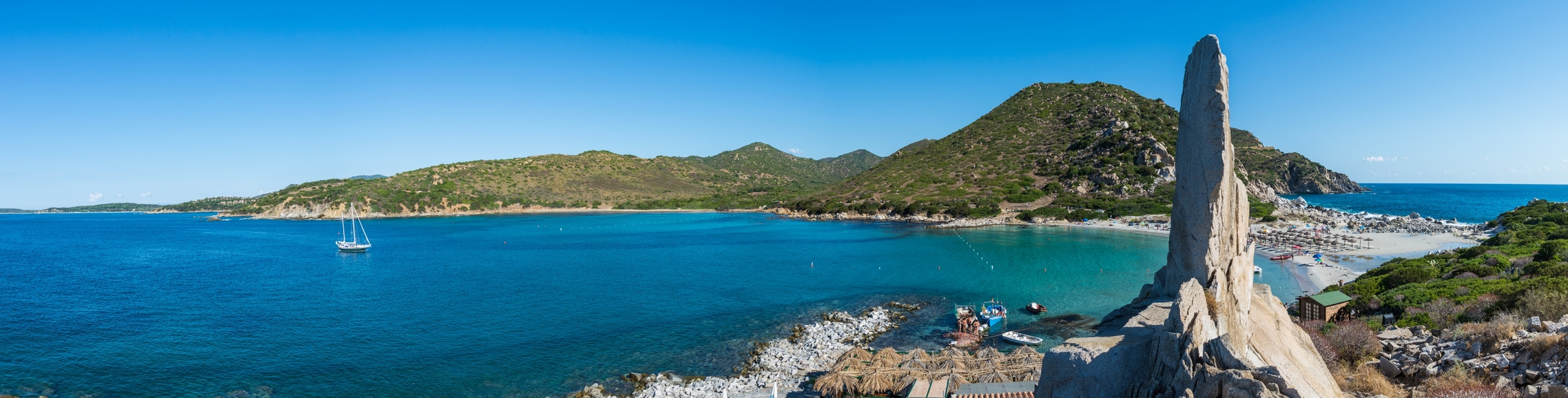
An Island park to be explored
An unusual and `unobtrusive' approach to Sardinia. A journey, or several journeys, through parks and marine protected areas, inside which, in any period of the year, you can do some trekking, cycling and horse-riding along the beach, take kayak or boat trips in the emerald green waters or dive down to see the breathtaking seabeds. Sardinia is an island - park: five marine areas over nearly 80 thousand hectares of unspoilt and 'protected' territory, where you will experience the strong emotions of itineraries on which you will discover nature, culture, food and wine.