
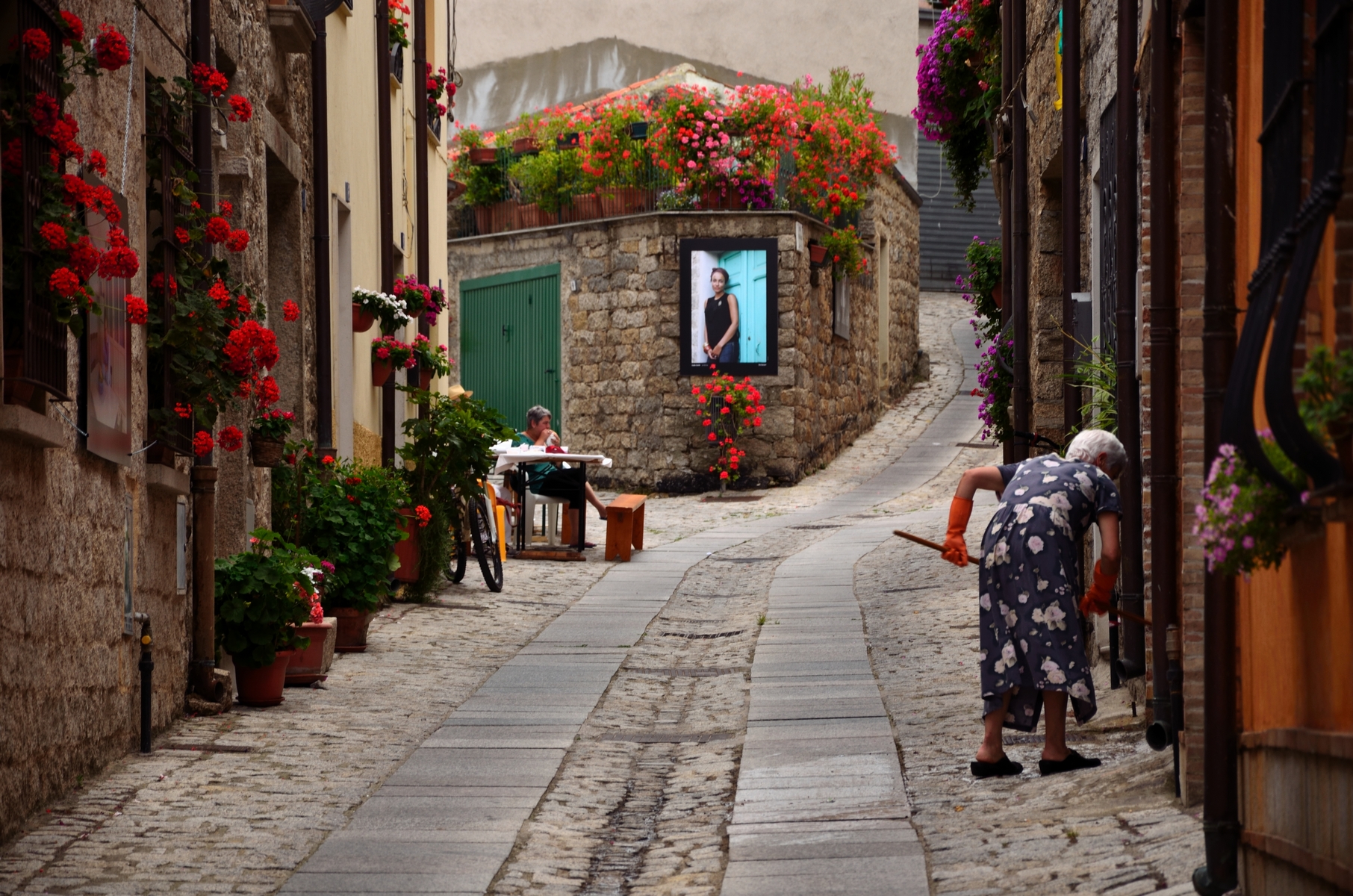
Borghi, the true soul of the island
It is like nowhere else in the world. This is the Sardinia seen by the first travellers and by the writers of the past: they describe a land that emerges slowly from the sea, and tell of the natural spectacle that gradually appears, bathed in intense light. Mountains that sink to the coast, sometimes gently, sometimes suddenly, frame ever-changing scenery. It is never very far from the sea to the hinterland, and the route is dotted with small, traditional villages, the intimate 'soul' of Sardinia. On the roads that lead to the heart of the island, welcomed by the warm hospitality of its communities, you can discover the authentic life and ancient traditions of the villages. You can lose yourself in criss-crossed pavved alleyways, and come aross ancient buildings, natural monuments, archaeological sites, and discover masterpieces of artisan work and unequalled cuisine. You will experience the essence of Sardinia, and its most genuine identity.
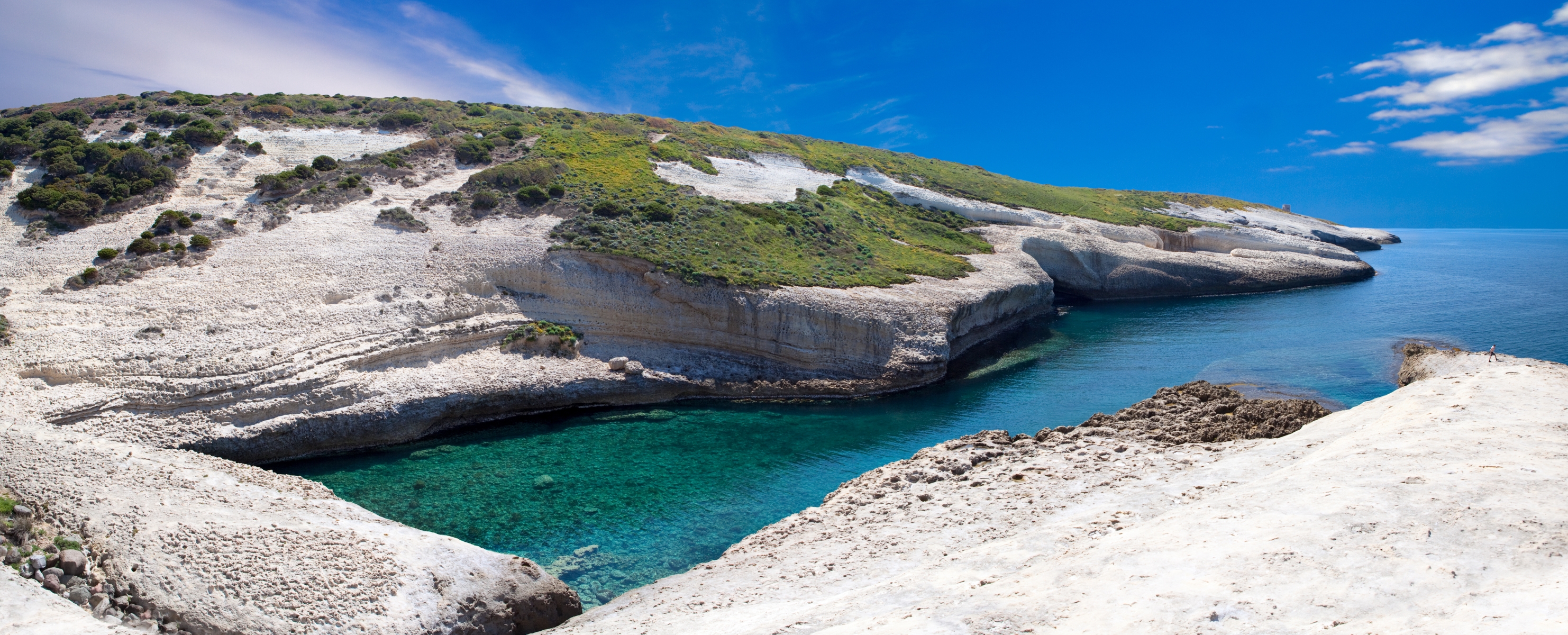
Enchanting cliffs sculpted by time
A surprising gallery of ever-changing landscapes. This is what the island's coastline looks like. Expanses of white or golden sand, sometimes sparkling with quartz or tinged with pink. Or stretches of soft virgin dunes. Or deep inlets and stunning cliffs shaped by wind and waves into the most original and bizarre shapes. Cliffs, stacks and tafoni (also known as honeycomb weathering) are veritable artistic installations on the sea, and are accessible natural wonders, easily reached by car, motorbike or bicycle. These striking places don't get very crowded, like the solitary promontories surrounding the island's charming lighthouses and countless coastal towers. There is always a sheltered spot where you can find an exclusive terrace overlooking the sea, an intimate corner to enjoy at your leisure, far from the bustle of the beaches. Take a refreshing dip amidst the light reflecting on the rocks or dive from 'balconies overlooking the sea', surrounded by sheer cliffs, spires and ravines. Peaceful places where you can witness unforgettable sunrises and sunsets while listening to the music of the sea.
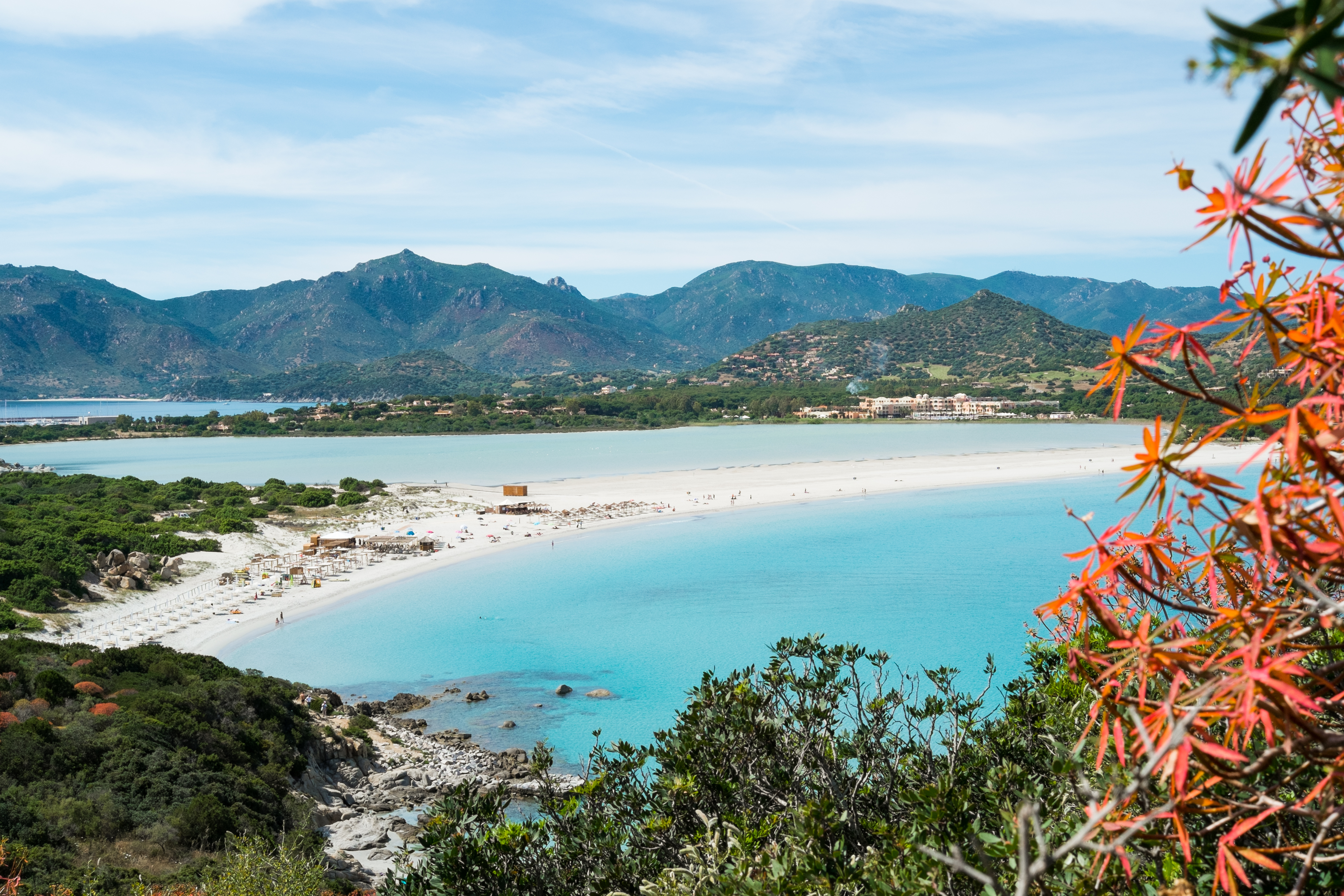
Much desired beaches
This enchanting bay to the south-east lies between the Marina di San Pietro and the rock formations of Sant’Elmo, at the gates of the long and magnificent coast of Costa Rei. Cala di Monte Turno is one of the pearls of Castiadas, chosen as the most beautiful beach of 2018. Its arch of soft white sand evocatively ‘breaks up’ the play of colours of the blue of the sea, the green vegetation and dark volcanic rock of the hill behind. About 15 kilometres further south, at the extreme south-eastern tip of the island, you will be dazzled by the beauty of Porto Giunco, an unparalleled oasis in the protected marine area of Villasimius-Capo Carbonara. Chosen in 2014 as the first in Sardinia, it placed ‘only’ fifth overall. A masterpiece of nature, where the blue of the sky merges with that of the water, in a palette that seems to have been created by a painter and that has inspired directors and artists as the setting for commercials. In the surrounds, the air is perfumed by eucalyptus and Mediterranean scrub, behind which stretches the Stagno di Notteri, the habitat of pink flamingos creating a unique effect with a strip of white sand in the middle of two blue expanses.
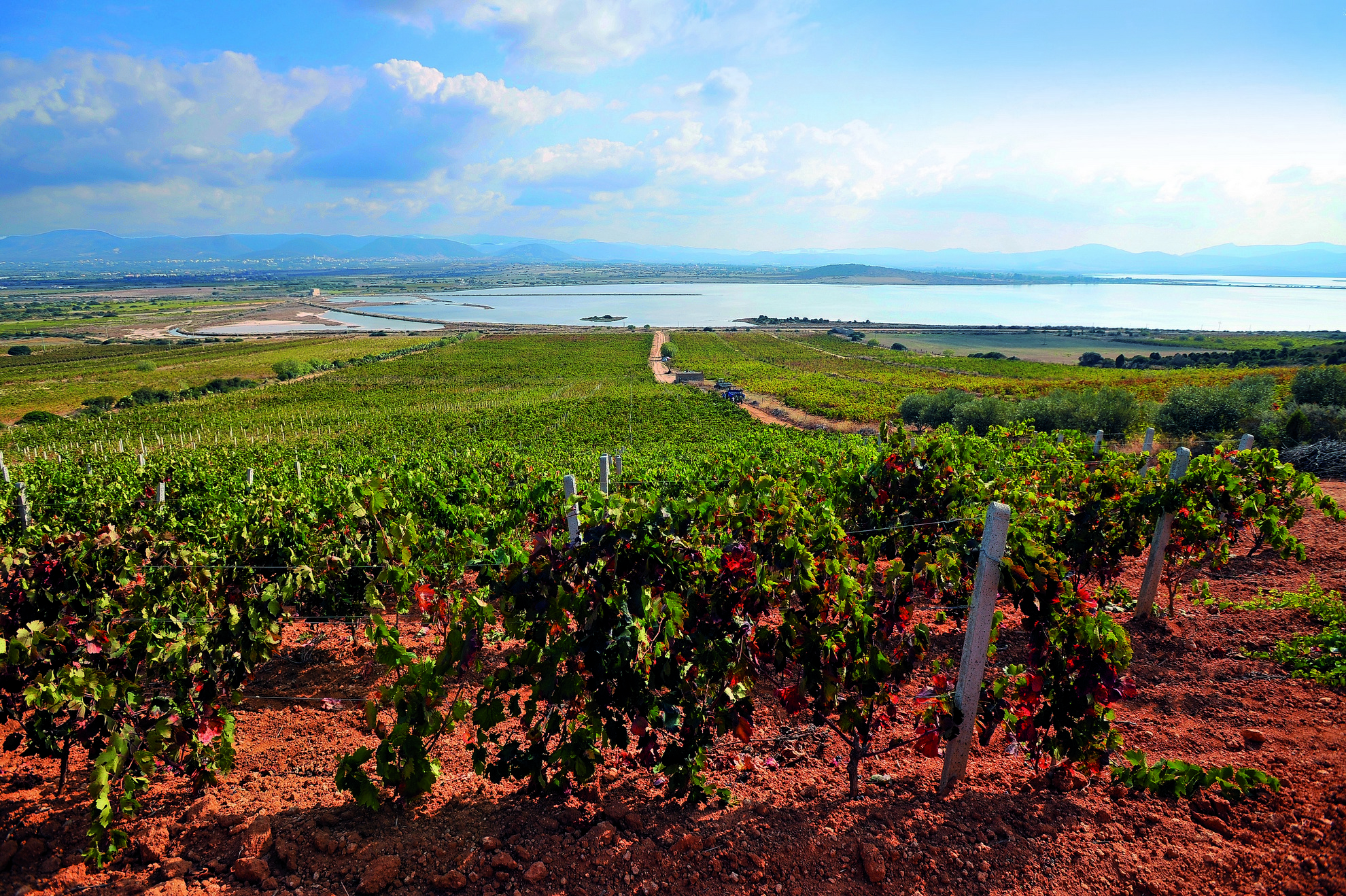
Sardinia, a wine for each territory
The small drops of dew on the rows of the vineyard, the leaves swaying in the mistral winds, the warmth of the sun on the winery, the granite that presses the grapes, the knowledge handed down from generation to generation, the flavours that evolve in the barrels as time does not pass in vain. This is the Sardinia of wine, at its most authentic. By discovering the Sardinian vines, both the native varieties forming part of an extraordinary ancestral and identifying richness, and the imported varietals that have come to perfectly harmonise with the environment throughout the centuries, you will enjoy a journey exploring the genius loci of a land with traditions that span back through the centuries. Guided by the senses, you will discover the territories through their exceptional wine productions. Such nectars are able to transform tastings into engaging, immersive experiences that generate multisensory emotions and enduring memories. During the winery visits, you will encounter the entire production process, becoming familiar with the identity and quality of the wines, tasting the genuineness and authenticity of the typical products. You will appreciate everything that revolves around it, from walking through the vineyard to wine events, including the Open Cellars in various towns throughout southern Sardinia, the Calici Sotto le Stelle wine festival in Jerzu, within the Ogliastra province, plus new wine festivals, including that of Milis, in the province of Oristano.
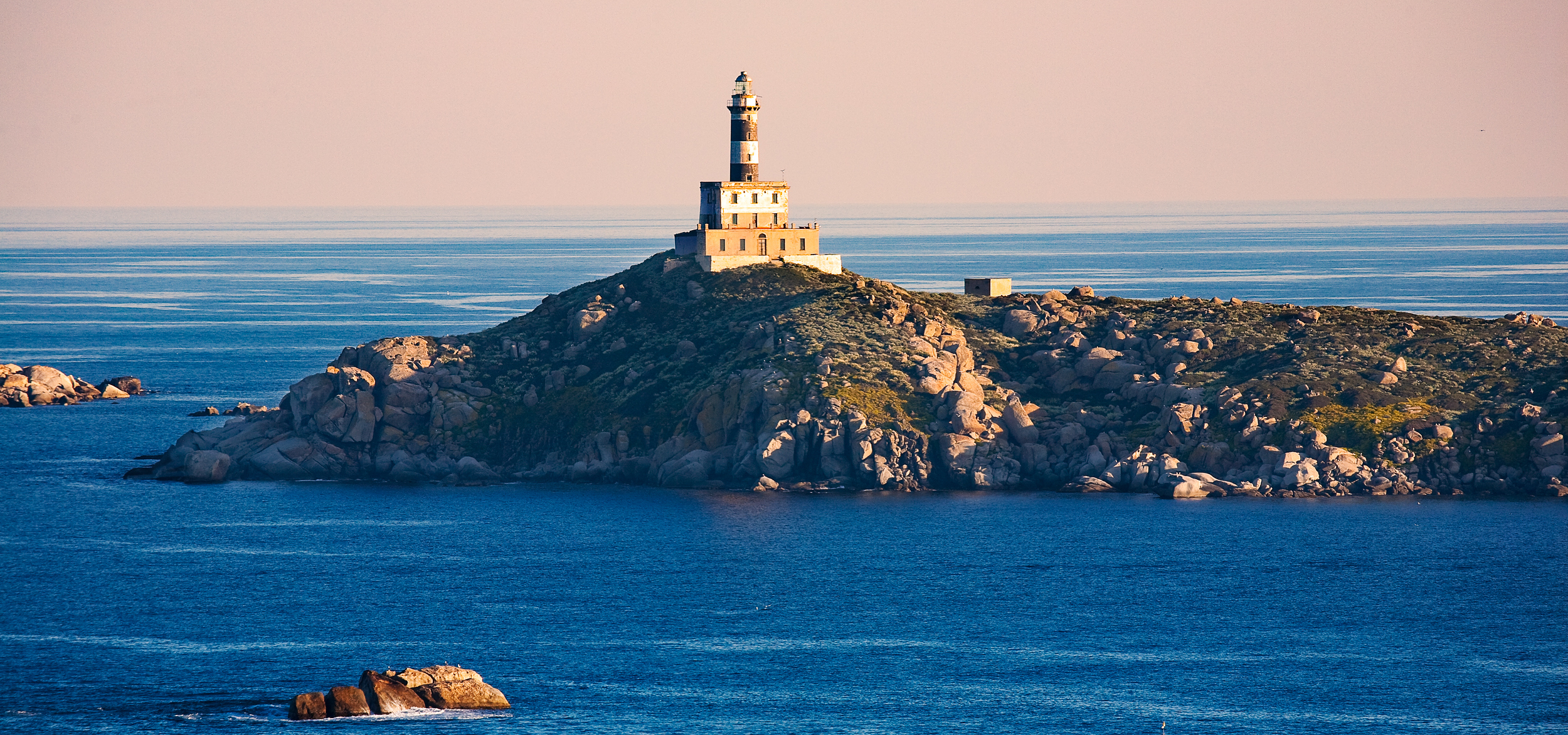
Lighthouse keepers, a story set on the edges of Sardinia
A beam of light keeps night sailors away from the coasts, signalling the last boundary between land and sea. During the day, with the light off, the charm of lost and wild places shines in its stead. Standing on headlands far from everything and on uninhabited islands, the lighthouses of Sardinia are lonely outposts, silent witnesses of the stories of the sea. They watch over bright-coloured waters, where the air smells of salt and Mediterranean scents and the hubbub of waves crashing on the rocks is incessant. They exude the emotions and feelings of the intense lives of their keepers, of yesterday and today. They tell of miraculous rescues and shipwrecks, of boats swallowed by the waves, as in the islet of Mangiabarche (boat-eater), only a short distance from the coast of Calasetta, on the island of Sant'Antioco, named for its reputation among sailors. Nearby, on the island of San Pietro, Capo Sandalo stands on a cliff overlooking the westernmost lighthouse in Italy, built in 1864. From its summit, at the top of 124 spiral steps, it emits four beams of light that reach up to 24 miles away.

Flavours of bread
The same thing always comes to mind: Sardinia is like a small continent. Everything changes from place to place, even bread, the simplest food in the world, is always different here. The most famous is carasau, the music paper with large, round, very thin discs that seem to make musical sounds. They make it in Barbagia but even there it is not always the same: in Ollolai it is called pane 'ine with smaller sheets, in Orani it is softer and folded on itself and becomes pane lentu or modde, in Mamoiada the dough is made with potatoes.
Ogliastra, on the other hand, is home to the smaller, thicker rectangular sheets of pistoccu, the bread favoured by shepherds for its freshness even months and months after its double baking. The huge loaves of civraxiu of Sanluri, which in some villages are smaller and become su moddixi or moddizzosu, are best enjoyed fresh from the oven. The large, puffy loaves are popular on the island, a bread that you will find under the name of pane tundu in Thiesi, while in Logudoro it is thinner, long and perforated, called pane segadu, i.e. cut. Its variants in shape and size are sa loriga in the shape of a ring, typical in Villaurbana, and sa moddighina in Tramatza. And then there are the spianate (flat breads): the most famous is that of Ozieri, with its inevitable variations, while in Busachi and Bonorva it is called su zichi, and in Logudoro sa fresa.

Hiking just a few steps from the city
The island is an infinite world to explore on a hike. Through the Rete Escursionistica della Sardegna (Sardinia Hiking Network - RES), you can explore the island with routes suitable for everyone, from beginners to experts. It is important to stay alert at all times, even when the route seems easy. At the end of the day your effort will be rewarded with unforgettable experiences. Towns and hinterlands offer the first insights into flora, fauna and history: Monte Urpinu, Botanical Garden, Molentargius-Saline Park and Sella del Diavolo (the ‘Devil’s Saddle’) in Cagliari, Mount Ortobene in Nuoro, in particular the stretch from the Chiesa della Solitudine church to the statue of the Redeemer, Monserrato Park in Sassari, the tour of the springs in Tempio Pausania and Aymerich Park in Laconi (with its medieval castle). From here, it is only a few steps into the Funtanamela forest. 500 hectares of holm oaks and Mediterranean maquis, a habitat for Sardinian deer and wild Sarcidano horses, along routes that follow the ancient herding routes between Barbagia and Campidano.

Trekking in the most secret and wildest parts of Sardinia
Cliffs overlooking the sea, canyons, caves, waterfalls. The most famous Sardinian hiking itineraries stretch across several days of walking through inaccessible and deserted areas, often reserved for expert trekkers. EEA-classified trekking trails require the careful assessment of ability and physical condition, verification of weather conditions, adequate equipment and the possibility for communication. The marking and tracking of the trails are not always exact and is sometimes sketchy, so it is essential to be accompanied by guides. A challenging but unique hike passes through the peaks of the Gennargentu and reaches Punta La Marmora (1834 metres). The name is a tribute to the 19th-century Piedmont-born cartographer and general, who made maps and wrote scientific works dedicated to Sardinia. Walking on the Gennargentu, you can admire the landscape of the eastern coast and you might spot mouflons and golden eagles. An itinerary also starts in the deepest part of Ogliastra and moves towards the ‘rooftop’ of the Island: a four-hour walk that starts from the Nuragic village of Ruinas, in the territory of Arzana, climbs up to the Florisa, La Marmora and lastly the ‘della Croce’ peaks, which have always been a point of reference for hikers tackling the massif.

Traditional desserts make every party a good one
Sardinian cuisine reflects thousands of years of stratified culture, with added value brought by the extensive production of traditional desserts. The names, shapes and details of the recipes vary depending on the territories, but the basic ingredients are identical, simple and aromatic. The result is a variety of delicacies, like the famous seada or sebada, made of two disks of pastry, one on top of the other, with a tangy, stringy cheese filling, flavoured with lemon or orange peel. After frying in boiling oil, it is drizzled with honey, preferably strawberry tree honey, and served hot and crispy. Its origins are in the agro-pastoral culture of Barbagia, when the shepherds returned home after the transhumance, welcomed by the warmth of the family. The biscuits of Fonni, similar to sponge fingers but softer and flavoured with lemon or vanilla, are perfect for every occasion. In the Campidano area, the pastries are known as pistoccus. They are made from eggs, sugar and flour. The is pistoccheddus grussus are dry, light, crumbly biscuits and are ideal for breakfast. They come from the villages around Monte Linas, where they are called gallettinas. For an afternoon snack, there’s nothing better than a ricotta cake or an ancient dessert known as su papai biancu, already made in the Middle Ages in Cagliari: a milk pudding sweetened with almonds and lemon.
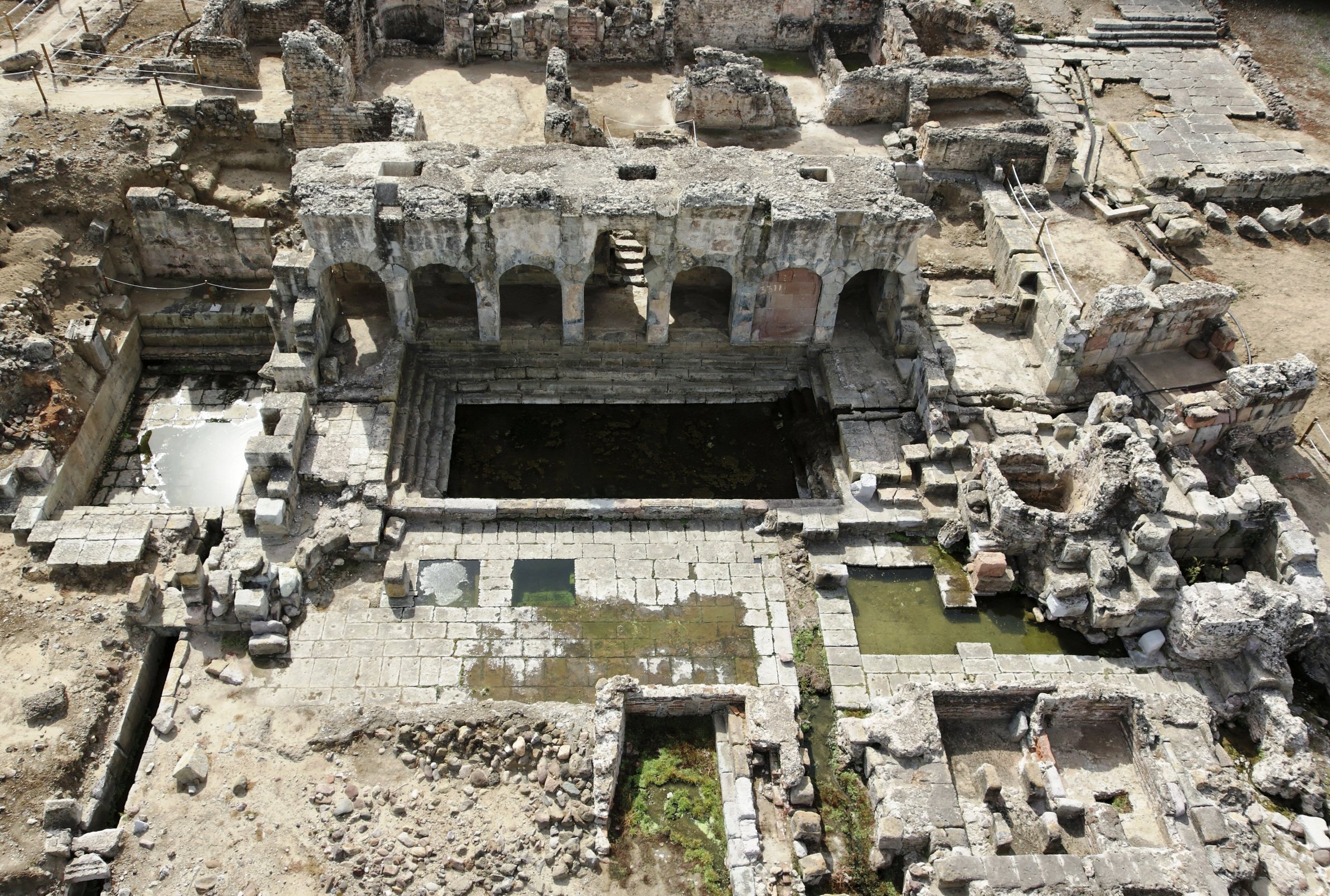
Thermal waters, wellness since time immemorial
It is no coincidence that in Sardinia the thermal waters, filtered by ancient volcanic rocks and heated by the effect of the geothermal gradient, flow near domus de Janas and nuragic sites. In fact, it can be said with relative certainty that the benefits of their saline-bromine-iodine or sulphurous composition have been well known since prehistoric times. These characteristics did not escape the notice of the Roman colonisers, who identified areas on sites already known in the Nuragic age where thermal baths could be built, which have survived to the present day. Even then, the 'patricians' benefited from curative and aesthetic treatments in unique surroundings. Today you can enjoy them in modern and cosy facilities, perfect for relaxation, wellness and pampering.