

Flavours of bread
The same thing always comes to mind: Sardinia is like a small continent. Everything changes from place to place, even bread, the simplest food in the world, is always different here. The most famous is carasau, the music paper with large, round, very thin discs that seem to make musical sounds. They make it in Barbagia but even there it is not always the same: in Ollolai it is called pane 'ine with smaller sheets, in Orani it is softer and folded on itself and becomes pane lentu or modde, in Mamoiada the dough is made with potatoes.
Ogliastra, on the other hand, is home to the smaller, thicker rectangular sheets of pistoccu, the bread favoured by shepherds for its freshness even months and months after its double baking. The huge loaves of civraxiu of Sanluri, which in some villages are smaller and become su moddixi or moddizzosu, are best enjoyed fresh from the oven. The large, puffy loaves are popular on the island, a bread that you will find under the name of pane tundu in Thiesi, while in Logudoro it is thinner, long and perforated, called pane segadu, i.e. cut. Its variants in shape and size are sa loriga in the shape of a ring, typical in Villaurbana, and sa moddighina in Tramatza. And then there are the spianate (flat breads): the most famous is that of Ozieri, with its inevitable variations, while in Busachi and Bonorva it is called su zichi, and in Logudoro sa fresa.

Hiking just a few steps from the city
The island is an infinite world to explore on a hike. Through the Rete Escursionistica della Sardegna (Sardinia Hiking Network - RES), you can explore the island with routes suitable for everyone, from beginners to experts. It is important to stay alert at all times, even when the route seems easy. At the end of the day your effort will be rewarded with unforgettable experiences. Towns and hinterlands offer the first insights into flora, fauna and history: Monte Urpinu, Botanical Garden, Molentargius-Saline Park and Sella del Diavolo (the ‘Devil’s Saddle’) in Cagliari, Mount Ortobene in Nuoro, in particular the stretch from the Chiesa della Solitudine church to the statue of the Redeemer, Monserrato Park in Sassari, the tour of the springs in Tempio Pausania and Aymerich Park in Laconi (with its medieval castle). From here, it is only a few steps into the Funtanamela forest. 500 hectares of holm oaks and Mediterranean maquis, a habitat for Sardinian deer and wild Sarcidano horses, along routes that follow the ancient herding routes between Barbagia and Campidano.

Trekking in the most secret and wildest parts of Sardinia
Cliffs overlooking the sea, canyons, caves, waterfalls. The most famous Sardinian hiking itineraries stretch across several days of walking through inaccessible and deserted areas, often reserved for expert trekkers. EEA-classified trekking trails require the careful assessment of ability and physical condition, verification of weather conditions, adequate equipment and the possibility for communication. The marking and tracking of the trails are not always exact and is sometimes sketchy, so it is essential to be accompanied by guides. A challenging but unique hike passes through the peaks of the Gennargentu and reaches Punta La Marmora (1834 metres). The name is a tribute to the 19th-century Piedmont-born cartographer and general, who made maps and wrote scientific works dedicated to Sardinia. Walking on the Gennargentu, you can admire the landscape of the eastern coast and you might spot mouflons and golden eagles. An itinerary also starts in the deepest part of Ogliastra and moves towards the ‘rooftop’ of the Island: a four-hour walk that starts from the Nuragic village of Ruinas, in the territory of Arzana, climbs up to the Florisa, La Marmora and lastly the ‘della Croce’ peaks, which have always been a point of reference for hikers tackling the massif.

Traditional desserts make every party a good one
Sardinian cuisine reflects thousands of years of stratified culture, with added value brought by the extensive production of traditional desserts. The names, shapes and details of the recipes vary depending on the territories, but the basic ingredients are identical, simple and aromatic. The result is a variety of delicacies, like the famous seada or sebada, made of two disks of pastry, one on top of the other, with a tangy, stringy cheese filling, flavoured with lemon or orange peel. After frying in boiling oil, it is drizzled with honey, preferably strawberry tree honey, and served hot and crispy. Its origins are in the agro-pastoral culture of Barbagia, when the shepherds returned home after the transhumance, welcomed by the warmth of the family. The biscuits of Fonni, similar to sponge fingers but softer and flavoured with lemon or vanilla, are perfect for every occasion. In the Campidano area, the pastries are known as pistoccus. They are made from eggs, sugar and flour. The is pistoccheddus grussus are dry, light, crumbly biscuits and are ideal for breakfast. They come from the villages around Monte Linas, where they are called gallettinas. For an afternoon snack, there’s nothing better than a ricotta cake or an ancient dessert known as su papai biancu, already made in the Middle Ages in Cagliari: a milk pudding sweetened with almonds and lemon.
Thermal waters, wellness since time immemorial
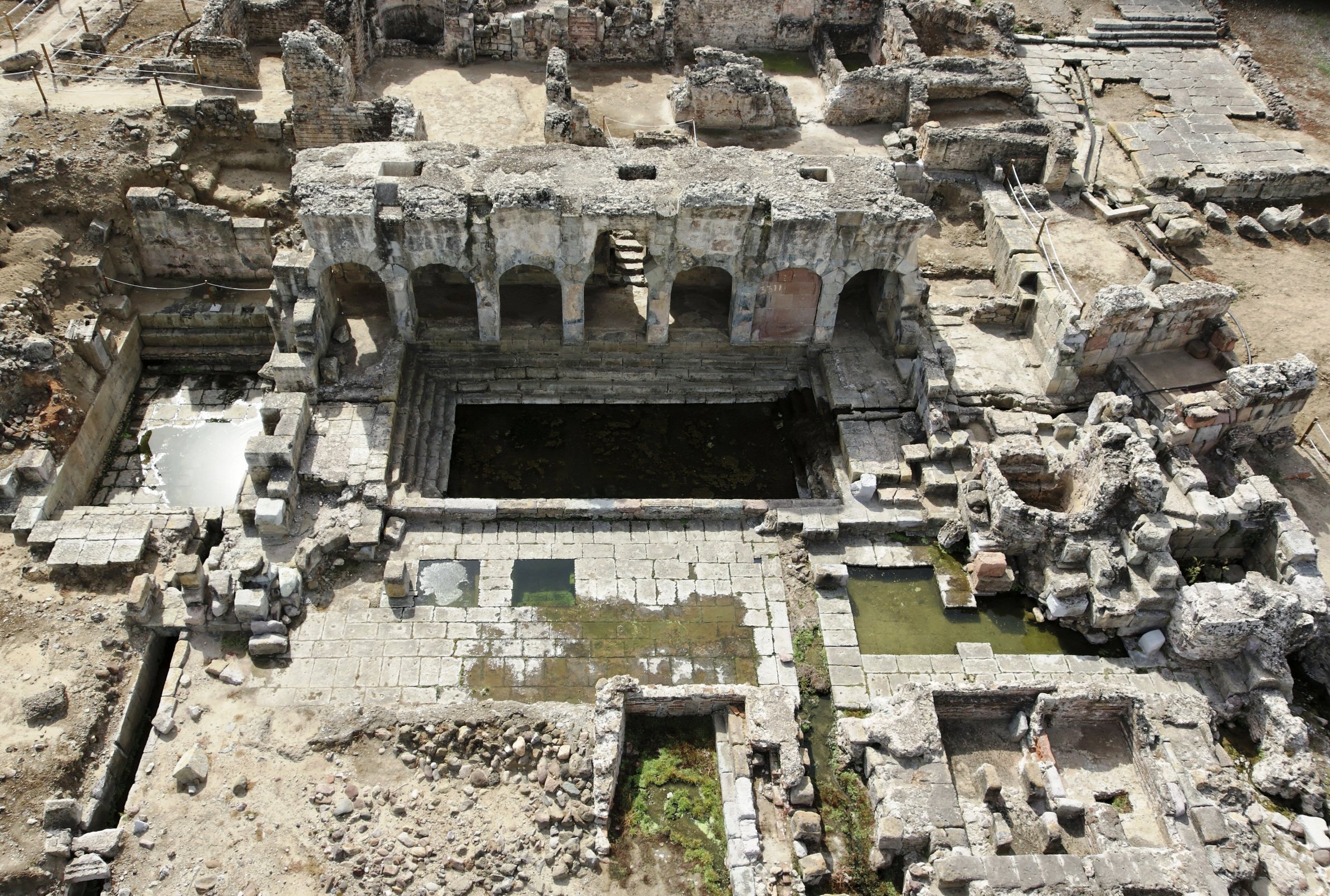
It is no coincidence that in Sardinia the thermal waters, filtered by ancient volcanic rocks and heated by the effect of the geothermal gradient, flow near domus de Janas and nuragic sites. In fact, it can be said with relative certainty that the benefits of their saline-bromine-iodine or sulphurous composition have been well known since prehistoric times. These characteristics did not escape the notice of the Roman colonisers, who identified areas on sites already known in the Nuragic age where thermal baths could be built, which have survived to the present day. Even then, the 'patricians' benefited from curative and aesthetic treatments in unique surroundings. Today you can enjoy them in modern and cosy facilities, perfect for relaxation, wellness and pampering.
Monumenti Aperti, exploring architectural and artistic treasures
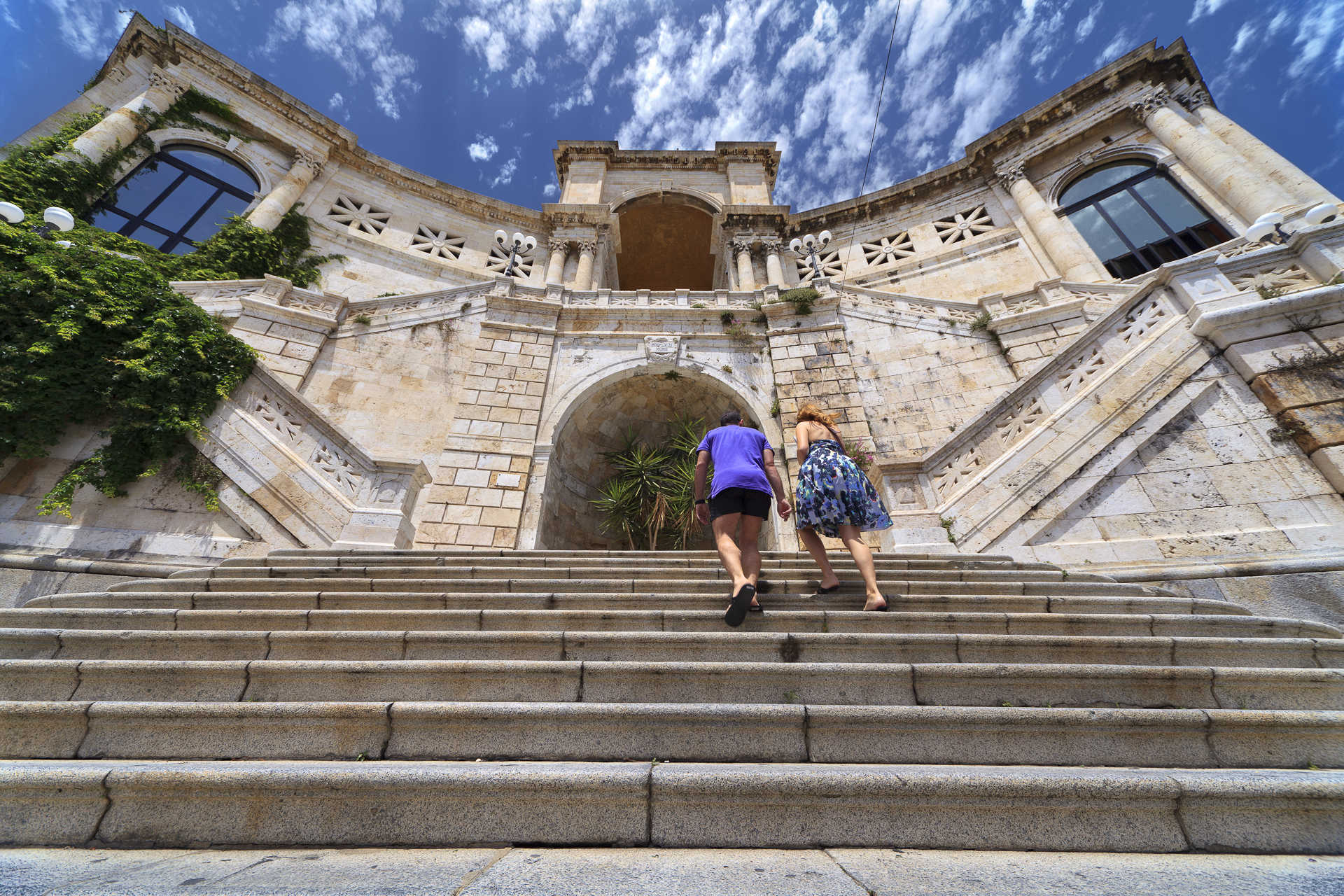
Magnificence, shared memory, authenticity and a sense of community: this is the most encompassing effort to safeguard, enhance and promote the cultural heritage of Sardinia. Over the next seven weekends, the 22nd edition of Monumenti Aperti (Open Monuments) – a candidate for the 2018 Europa Nostra award, a European Union award for cultural legacy – will shine a special light on the island’s architectural, historical and natural heritage: some 800 places of extraordinary cultural value that include the museums and archaeological sites, churches and historical buildings, natural monuments and parks of 59 municipalities all over Sardinia, seven of which are new to the movement. Each town will tells its tale through literary itineraries, architecture routes in cities that have been marked by centuries of powerful rulers, and journeys into the dawn of time among the remains of ancient civilizations. As you follow the route, some 18,000 volunteers – many of whom are school children of a variety of ages - will narrate the stories that marked the history and culture of their town.
The jazz&blues soul of Sardinia
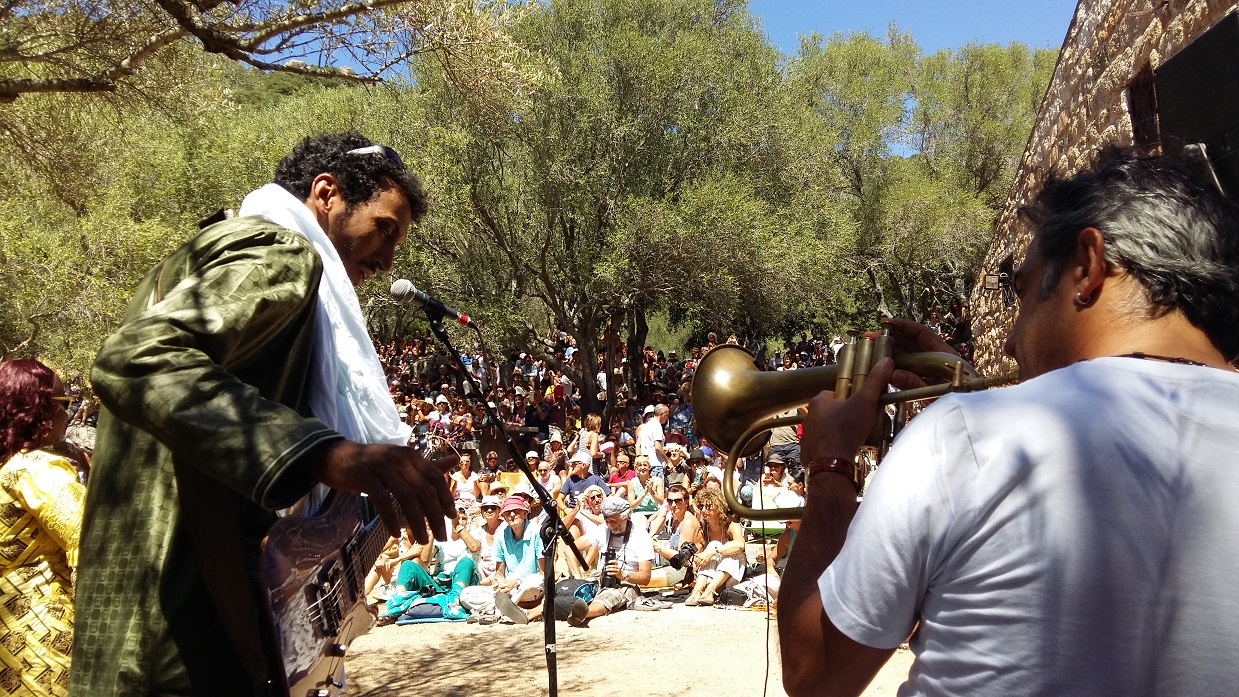
Granite coves shaped over time by the weather, arches of sand resembling amphitheatres, halls set between the walls of white limestone rocks or red porphyry, squares in evocative villages, archaeological sites and even marine grottoes. Views of nature, often referring to ancestral times, become stages and come to life with the musical scores of famous performers from all over the world. From mid-July to mid-August, jazz, blues, soul, rock, pop and light music concerts take place: Jazz in Sardinia in Cagliari, the Dromos festival in the Oristano area, Abbabula with events in the Pre-Nuragic ziqqurat at the Mount of Accoddi (Sassari) and events in the Parco dei Suoni, in Riola Sardo, a unique setting surrounded by sandstone coves, a short distance from the site of the Giants of Mont'e Prama. Here, the acoustics and the natural 'stage' seem to have been especially designed for music. Then there are other events taking place in the Sinis Peninsula, at Cabras: exclusive locations like the amphitheatre of the ancient town of Tharros and the beach of Is Arutas with its grains of quartz.

Sardinia, a natural cinema under a starry sky
Four festivals in the lesser islands of Sardinia, islands in the Island. Tavolara, a limestone mountain that emerges from the sea, in mid-July turns into an immense cinema with a starry vault of Una Notte in Italia. Established in 1991 to focus on filmmaking and creativity in Italian cinema, it is now a traditional event at national level. Meeting and interaction between the public, artists and experts already starts on board the boats that reach the island leaving from Porto San Paolo near San Teodoro and a little south of Olbia, that is, the three Municipalities involved in the 29th edition. In almost thirty years, the best Italian actors have walked on this unique red carpet surrounded by the waters of the spectacular marine reserve of Tavolara-Capo Coda Cavallo. Una Notte in Italia 2019 is a travelling edition: it start on Tuesday 16 July in the nature reserve of San Teodoro lagoon, then it move to Porto San Paolo on Thursday 18 and then from Friday 19 the screenings are held in the enchanting setting of the island of Tavolara.
Thence we come forth to rebehold the stars
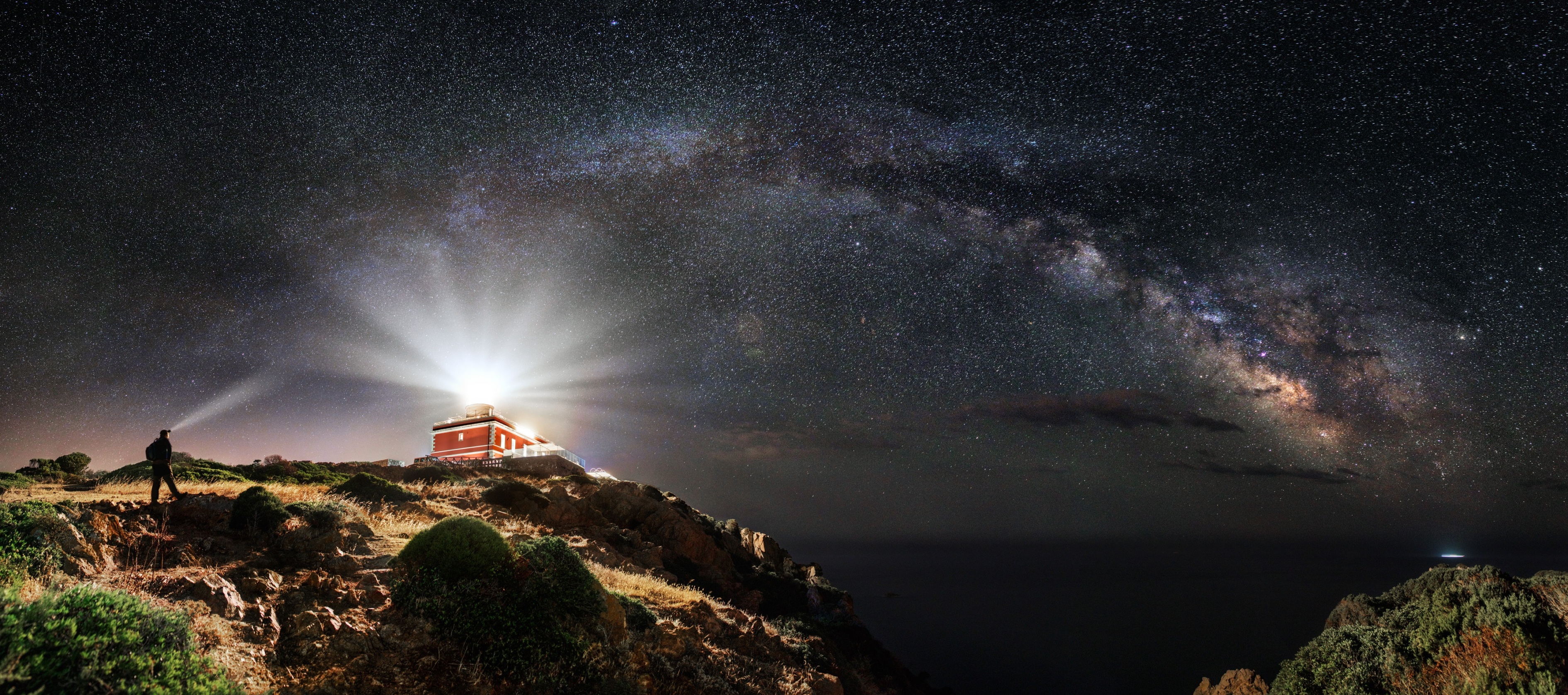
With few unnatural light sources and clean air, the sky above Sardinia is free from environmental and light pollution, free to offer its best and showcase, in the dark of night, the moon and constellations, planets and meteors. It will be a time of vast, open night skies, an immense planetarium where you can see the first stars appearing at dusk, solitary and full of energy, or in the company of the 'supermoons' , full at their maximum perigee, the closest point to Earth. You can see the most distant constellations and galaxies and in all seasons there will be swarms of shooting stars, the most beautiful in August, which create romantic nights to spend with your gaze turned upwards. One thing that never fails is the Milky Way, which you can admire from the island's solitary open-air observatories, a flood of astral light that fills the heart after a dark winter.
.
Discovering the heart of Sardinia
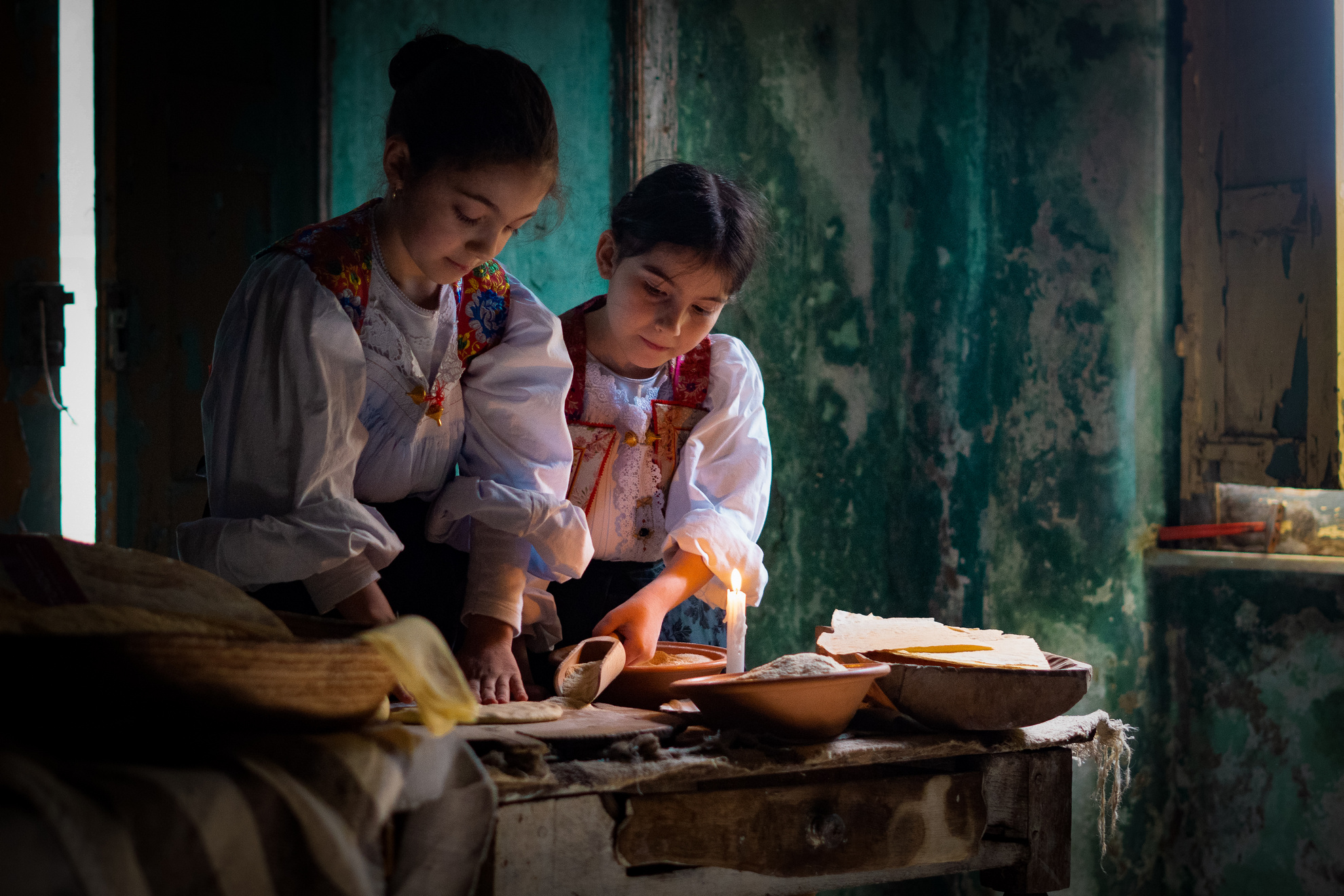
Skilled hands embroider clothes and rugs on frames, make su filindeu and other traditional pasta and decorate su pani pintau, those of sos maistos carefully craft ceramic vases, add intarsia to arresolzas and create filigree jewels. In the kitchen of the cortes su carasau are slipped into the oven and pan’e saba, pistiddu and durchicheddos are stuffed. Woodworkers cut the wood to build sas cascias, ironmongers skilfully hammer their wares, farmers crush freshly harvested grapes and shepherds make ricotta cheese. Meanwhile, guests leaning out over the belvedere sample tasty nibbles with full-bodied wine. And they chat to craftsmen, learning about the traditions of the past. Autumn in Barbagia is a trip into the “heart” of Sardinia, an itinerant exhibition of authentic traditions of the Barbagia area. For four months, weekends will see cultural, artisanal traditions and local food and wine showcased. All within the houses “a corte” in villages and towns. Each community with its own speciality.